Slider Lock Clothing Bags Unit Cost for Food Orders
A buyer comparing Slider Lock Clothing Bags unit cost for food usually starts with a sensible question: why pay for a slider when a standard press-to-close zipper bag appears cheaper on the quote sheet? The answer is rarely found in the bag price alone. A slider adds material and converting cost, but it can also reduce misclosed packs, speed hand packing, improve the customer’s first impression, and make a resealable dry food package easier to use after purchase.
The category name can sound a little odd because slider-lock bags are often associated with apparel, kits, and retail accessories. The same general construction, when made with suitable food-contact materials and the right process controls, can also work for dry snacks, bakery portions, candy samples, tea assortments, powdered mixes, topping packs, and shelf-stable promotional food sets. The deciding factor is not the word “clothing” in the product family. It is the film structure, closure design, compliance documentation, fill weight, distribution method, and how the package will be handled by the customer.
Why slider lock clothing bags unit cost for food can be lower than expected
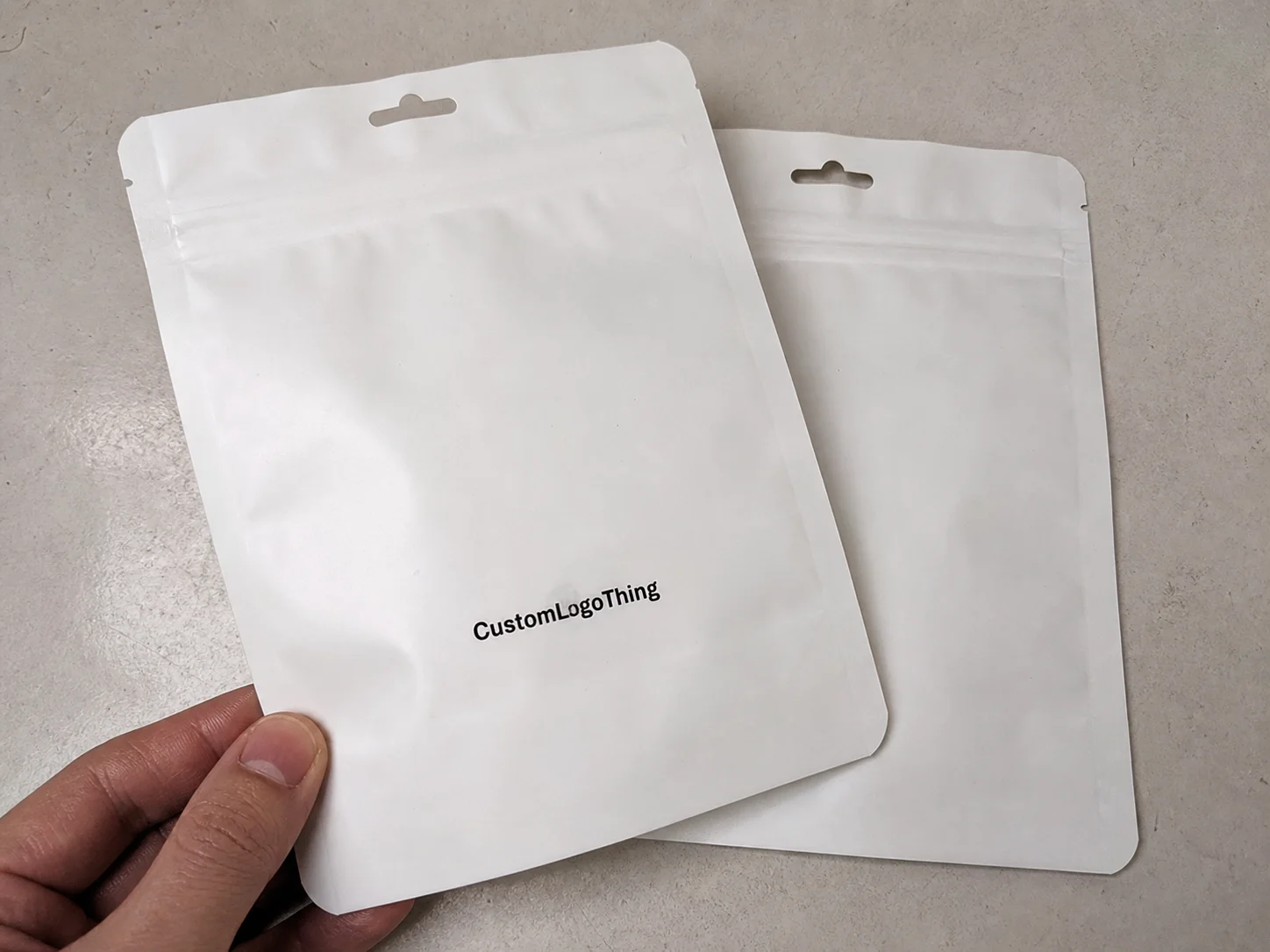
The first price surprise is usually the closure. A slider track and plastic pull cost more than a plain zipper profile, yet they provide a more repeatable close. That matters when the product is packed by hand, sold in a retail setting, or expected to be opened and closed several times. If an operator spends an extra 3 to 5 seconds per pack aligning a standard zipper, that labor can outweigh the small material savings on a meaningful production run.
Bag size matters, although not always in the way buyers expect. A small move from 7 inches wide to 8 inches wide may only change film usage modestly. A jump from 2 mil to 4 mil film, heavy white ink coverage, matte finish, or a larger slider profile can move the unit price much faster. Two bags that look almost identical on a desk may price differently once resin weight, closure hardware, print area, scrap allowance, carton count, and freight are included.
Slider bags are strongest in applications where resealability is part of the product experience but high-barrier packaging is not required. Dry food, bakery inserts, snack mixes, coffee accessories, tea kits, powdered drink samples, candy portions, and retail assortment packs are common fits. Hot-fill liquids, oily foods, frozen distribution, and oxygen- or moisture-sensitive shelf-life programs usually need a different structure, and sometimes a very different package type.
Practical buying point: compare total packed cost, not only the loose bag price. A bag that costs $0.04 more but reduces closure issues, improves shelf presentation, and saves packing time can be the lower-cost option once the full order is shipped.
A useful quote ties the price to the full specification: film type, gauge, closure, print method, MOQ, sample path, setup charges, carton pack, inspection standard, and freight estimate. A low number without those details may be hard to repeat on the next order, and it may hide tradeoffs that show up only after the bags arrive.
Food-contact materials and slider-closure build options
Most slider-style poly bags for dry food are built from LDPE, LLDPE, or a blend of the two. LDPE gives a softer hand feel and good clarity. LLDPE can improve toughness, stretch, and puncture resistance under load. For light bakery portions or small snacks, 2 mil to 3 mil film may be enough. For heavier mixes, multi-serving packs, or products with sharper edges such as granola clusters, dried fruit pieces, pretzels, or brittle candy, 3.5 mil to 5 mil is often a more realistic starting range.
Clear glossy film gives strong product visibility and usually runs well in standard packing. Matte film can feel more refined, but it may show scuffing differently and can soften fine print unless the artwork and ink system are chosen with that surface in mind. Frosted or translucent film offers a middle ground for brands that want to show fill level without giving the package a fully clear look.
The slider itself deserves a hands-on review. Some sliders move quickly with a light pull, which can be fine for smaller products and low-stress handling. Others have a firmer track that gives the customer more confidence that the bag is closed. A press-to-close zipper without a slider is usually less expensive, but the user has to align the track correctly. A slider costs more up front, yet it can be easier for children, older shoppers, foodservice staff, or anyone using the pack repeatedly during a busy day.
Food-contact suitability should be confirmed before production, not assumed from the bag shape. Ask whether the resin, colorants, inks, adhesives, and processing aids are suitable for the intended food type and destination market. For the United States, buyers often request food-contact documentation aligned with applicable FDA requirements. For transport testing and distribution simulation, ISTA resources can help teams think through vibration, compression, drops, and handling stress before pallets leave the dock.
Branding decisions also affect price and performance. A clear front window, opaque white band, black registration panel, spot-color logo, writable area, or nutrition-label space can be built into the layout. Heavy flood coating may look strong on shelf, but it increases ink use and can slow production depending on the print method, curing requirements, and film surface treatment.
Specifications that control seal strength, shelf life, and handling
Start with the finished size, then confirm the usable size. Width, height, bottom gusset, header area, opening width, slider length, side seal margin, and fill space all need to be defined in inches or millimeters. A bag described as 8 by 10 inches may not provide 10 inches of product space once the slider track, seal area, hang hole, or header is included.
Gauge is one of the main controls for both feel and durability. A 2 mil clear LDPE bag may work for a 2 oz cookie sample. A 4 mil LLDPE blend may be more suitable for 12 oz of trail mix moving through parcel shipment. Product weight, product shape, fill pressure, carton packing, and distribution temperature all matter. Cold film can feel stiffer, while a bag packed in a warm room may behave differently after sitting in a refrigerated warehouse or unheated truck.
Filling method changes the recommended spec. Hand-filled bakery packs may tolerate a softer film and wider opening because the operator can guide the product gently. A semi-automatic line may need tighter dimensional control, cleaner edge trim, consistent mouth opening, and stable wicketing or stacking so the team is not fighting the bag every cycle. If the product creates powder, crumbs, sugar dust, seasoning, or small particulates, the closure track needs to tolerate contamination better than a decorative zipper used only for light retail handling.
Buyers should also confirm clarity, haze, puncture resistance, coefficient of friction, and surface slip. Too much slip can make bags slide around during packing and case loading. Too little can create drag, slow handling, or make stacked bags harder to separate. Hang holes, euro slots, round peg holes, tear notches, tamper-evident seals, and writable panels can all be added, but each one is a production detail with cost, tolerance, and testing implications.
A sample review should be physical, not just visual. Open the bag 20 times. Close it with one hand. Check whether the slider catches cleanly at the end stop. Look for rough edge finish, weak side seals, curling film, ink rub, zipper separation, and a track that opens under light pressure. Then fill the bag close to the target weight and repeat the same checks.
- Light dry snacks: often 2 mil to 3 mil, usually clear or with light print coverage.
- Bakery portions: often 2.5 mil to 4 mil, depending on crumb, oil transfer, and product shape.
- Retail sample kits: often 3 mil to 5 mil, especially with inserts, cards, scoops, or multiple small items.
- Hang-sell packs: may need reinforced header space, euro slot testing, and carton packing that protects the slot area.
Unit cost, MOQ, and quote structure buyers should compare
Slider Lock Clothing Bags Unit cost for food is built from resin, film extrusion or sourced film, slider hardware, converting labor, printing, setup, inspection, scrap allowance, packing cartons, and freight. If everything is buried inside one number, it becomes difficult to see where the savings or risks are. A line-item quote gives the purchasing team a cleaner comparison.
MOQ changes with print, sizing, and material. Plain clear stock-style bags can often start at lower quantities if the size and slider are already common. Custom printed bags usually require higher minimums because print setup, plate or cylinder preparation, color matching, and machine time have to be spread across enough pieces. Special sizes, heavy-gauge film, matte surfaces, uncommon slider colors, and added testing can raise the minimum again.
Ask for pricing at 5,000, 10,000, and 25,000 units when the program size supports it. Those breaks show whether the cost drop comes from spreading setup over more bags, improving resin purchasing, running the press longer, or packing cartons more efficiently. Sometimes the 10,000-piece tier is the practical sweet spot. In other cases, 25,000 pieces make sense if storage space, shelf life, artwork stability, and cash flow are comfortable.
| Quote Element | Typical Buyer Question | Cost Impact |
|---|---|---|
| Film gauge | Is 3 mil enough, or do we need 4 mil? | Moderate to high, because resin weight changes on every bag. |
| Slider closure | Standard slider, firmer track, or custom color? | Moderate, especially for nonstandard closure components. |
| Printing | One-color logo, two-color branding, or full coverage? | Moderate to high, driven by setup, ink, registration, and run speed. |
| MOQ | What are the 5k, 10k, and 25k price breaks? | High, because setup and machine time spread over more units. |
| Freight | What is the shipped cost to our ZIP code or receiving dock? | Variable, based on carton size, weight, freight class, and delivery speed. |
For early planning, a simple clear slider bag may land around $0.12 to $0.22 per piece at moderate volume. A custom printed food-contact bag with heavier film and strong coverage may run closer to $0.18 to $0.38 per piece. Larger retail formats, small runs, matte finishes, special sliders, added documentation, and unusual packing requirements can move above that range. Treat those numbers as planning ranges, not guarantees, because resin markets, freight lanes, artwork complexity, and production schedules all move.
Tooling fees and setup charges should be shown separately where possible. A $250 setup charge spread over 5,000 bags adds $0.05 per bag. The same charge spread over 25,000 bags adds $0.01 per bag. Cost per piece only makes sense when quantity, fees, freight, and approval requirements are visible together.
Process and lead time from artwork to shipment
A reliable order starts with specification review. Custom Logo Things needs the finished bag dimensions, product type, target fill weight, film preference, closure style, print count, order quantity, shipping destination, and delivery target. From there, the quote can separate the bag price, sample cost, tooling fees, setup charges, freight, and estimated lead time.
Artwork review comes next. A production-ready file usually means vector logo art, outlined fonts, stated Pantone or CMYK values, and a dieline showing print area, clear window, slider track, side seals, gusset, and hang hole if used. If the artwork arrives as a low-resolution PNG, screenshot, or flattened file with no color information, expect extra time for cleanup or redraw before proofing can begin.
Proofing may include a digital proof, a physical pre-production sample, or both. For a first order, 5 to 10 business days for sample or proof coordination is common, depending on the spec and print method. Production after proof approval often runs 12 to 25 business days for many Custom Poly Bag programs. Heavier customization, special film sourcing, color matching, compliance documentation, or third-party testing can extend that schedule.
Inspection should cover dimensions, closure glide, side seal strength, print registration, color, carton count, and random pull testing. A typical review checks samples from the start, middle, and end of production so one clean sample does not hide drift across the run. For printed retail packaging, color should be checked under consistent lighting rather than judged under mixed warehouse bulbs.
Shipping timing belongs in the first conversation. Parcel shipment may work for smaller runs, while bulk orders often move by LTL freight or ocean freight depending on origin, carton volume, and deadline. If the bags are tied to a product launch, the receiving date matters more than the ship date. Build in time for warehouse receiving, count verification, internal quality checks, and any repacking before food production begins.
Reorders usually move faster because the spec, artwork, and tolerances are already approved. Still, resin availability, print schedule, holiday closures, and seasonal freight pressure can affect timing. A practical reorder point is often before inventory reaches the final two or three weeks of supply, especially if the bag is custom and cannot be replaced quickly with a stock size.
How repeat orders keep food packaging consistent
Consistency is one of the quiet advantages of a structured repeat-order program. Saved dimensions, approved artwork, documented tolerances, carton specs, and prior inspection notes help prevent small changes from creeping into each run. A slider that feels slightly different or a film that looks hazier than the previous order can trigger complaints even when the bag is technically usable.
Color control matters for retail channels. A one-color logo may seem simple, but brand color can shift if ink density, film clarity, surface treatment, or print method changes. Batch-to-batch checks help keep the package looking like the same product on shelf, particularly when older inventory and new inventory sit side by side for several weeks.
Thickness control is just as practical. If a 3 mil bag arrives closer to 2.5 mil, it may still close, but it may not carry the same load or feel the same in hand. If it arrives closer to 3.5 mil, it may feel stronger but cost more, pack differently in cartons, or change how many cases fit on a pallet. Good tolerances keep purchasing, production, and receiving aligned.
Carton and pallet details deserve the same discipline. Predictable carton counts, carton weights, case labels, lot numbers, and pallet patterns make receiving easier. If each carton contains 500 bags and the pallet is labeled clearly, warehouse staff can count faster and spot shortages sooner. That saves time during normal replenishment and becomes especially useful during a launch or seasonal restock.
Many buyers undervalue documentation until a reorder goes wrong. A saved spec sheet is not paperwork for its own sake. It is the control point that protects unit cost, print consistency, lead time, and the customer experience.
What to send for a fast quote and production-ready recommendation
The fastest quote starts with one complete message. Send the finished width and height, bottom gusset if needed, target fill weight, product type, material preference, print colors, order quantity, and ship-to ZIP code or port. If the bag must fit into a retail display, carton, mailer, fulfillment station, or cold-storage case, include those limits as well.
A reference sample is extremely helpful. It does not need to be perfect. A photo with a ruler, a mailed sample, or an existing bag from the market can help define film feel, slider size, clarity, opening style, and usable fill area. Artwork files should be vector when possible, such as AI, EPS, or editable PDF, with fonts outlined and colors identified.
State whether the application is dry food, bakery, snack portions, ingredient samples, or another shelf-stable use. Food with oil, powder, sharp edges, strong aroma, or fine particulates may need a different film, closure, or odor-transfer review. If sustainability claims are part of the project, ask early about recycled content limits, paper inserts, mono-material goals, or packaging recovery guidance from sources such as the EPA Sustainable Materials Management hierarchy.
For a serious purchasing decision, ask Custom Logo Things for a line-item quote on Slider Lock Clothing Bags unit cost for food, including MOQ, bulk pricing tiers, sample cost, setup charges, tooling fees, production lead time, carton pack, and freight. That gives your team enough information to compare options without guessing what is hidden inside the final price.
FAQ
What drives slider lock clothing bags unit cost for food the most?
Gauge and resin grade usually affect price more than a small change in bag dimensions. Print coverage, slider type, and order quantity are also major quote variables, especially when setup charges and machine time are spread across a smaller run. Freight, sampling, tooling fees, and testing should be separated from the per-unit bag cost so the comparison stays honest.
What MOQ should I expect for custom slider-lock food bags?
Plain clear bags can often start lower than printed versions, especially if the size and slider are common. Custom print, special sizing, heavy-gauge film, matte finish, and nonstandard closure colors usually raise MOQ. Ask for pricing at 5,000, 10,000, and 25,000 units before committing, because the first useful price break is not always obvious from a single-quantity quote.
Are slider-lock clothing bags suitable for dry food packaging?
They can work well for many dry snacks, bakery items, candy portions, sample kits, and shelf-stable retail packs that need a clean reclose. For greasy foods, hot-fill products, frozen distribution, or long shelf-life barrier needs, confirm the film structure first. Food-contact requirements should also be checked for the destination market before production begins.
What information do I need for an exact slider bag quote?
Send the finished size, thickness target, closure style, print colors, quantity, product type, fill weight, and shipping destination. Artwork files or a reference sample help lock the spec faster. If you already know the target cost per piece, share it, because that can guide the material, print, and MOQ recommendation.
How fast can production move after approval?
First orders usually need proofing, sample review, production scheduling, inspection, and packing time. Many custom slider bag orders run about 12 to 25 business days after proof approval, depending on material, print, and quantity. Reorders can move faster when the spec and artwork are already approved, but transit time still needs to be added to the schedule.
Good packaging math is practical. Define the film, closure, print, MOQ, fees, freight, and approval path before comparing prices, and Slider Lock Clothing Bags unit cost for food becomes much easier to judge. The right bag should protect the product, close reliably, present the brand cleanly, and arrive in time for the order that actually needs to ship.


