Slouchy Knit Beanie Logo Patch Pricing Guide for Wholesale Buyers
If you are trying to pin down Slouchy Knit Beanies with logo patch cost, start with the boring truth: patch style, MOQ, and packaging usually move the quote more than the knit cap itself. A clean patch can cost less than dense embroidery, and that surprises buyers who assume thread is always cheaper.
That matters because the patch is built separately, then applied after knitting. In practice, that gives you more control over the front panel, cleaner small details, and a quote that is easier to keep stable across repeat runs.
Why a logo patch changes beanie cost more than embroidery does
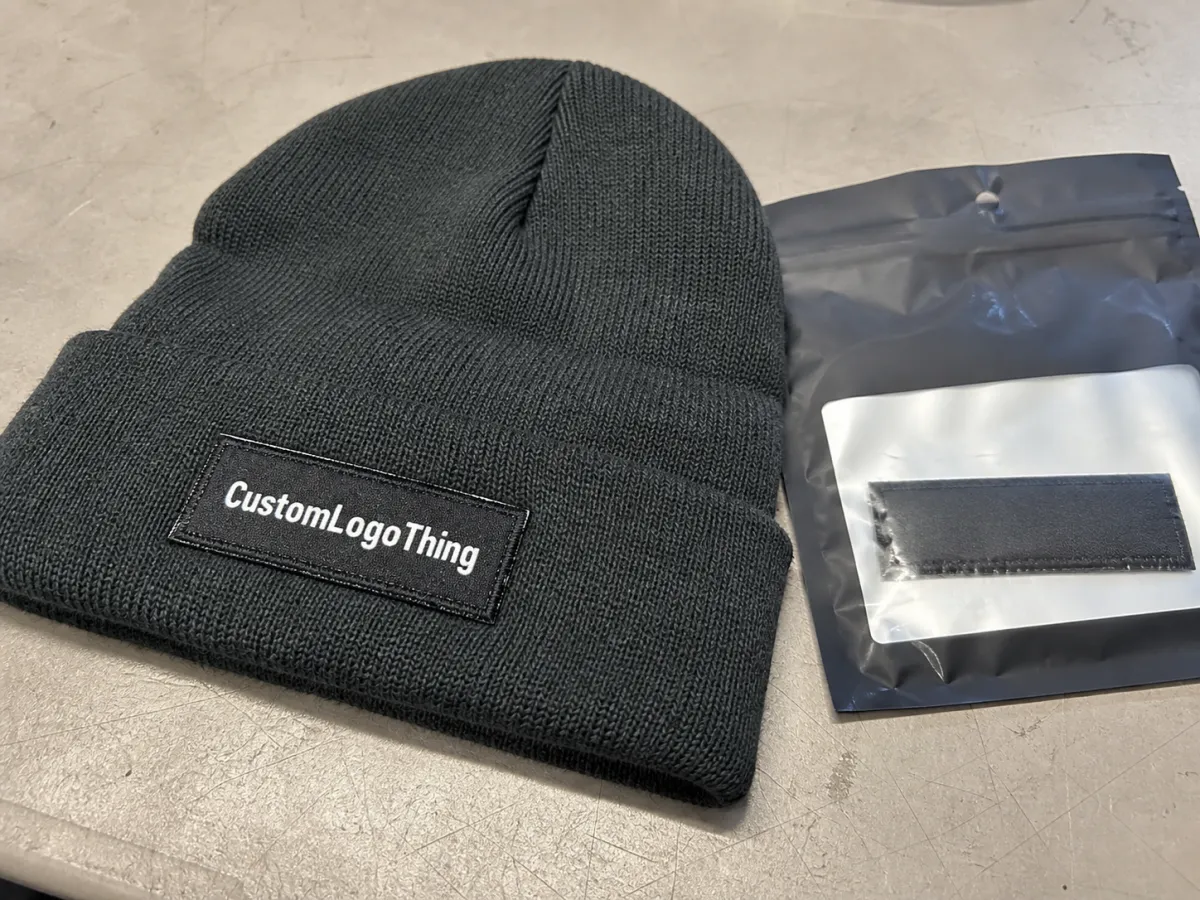
Buyers often expect embroidery to be the cheaper option because it feels simpler. That is not always true. A patch can actually reduce unit cost when the logo has fine edges, multiple colors, or a shape that would need dense stitching to read properly on a knit surface. The knit panel stays cleaner, and the logo is handled as a separate component instead of forcing the machine to fight the texture of the beanie.
That separate construction is the reason Slouchy Knit Beanies with logo patch cost can be easier to control than fully embroidered caps. The patch may add a small decoration cost, but it also avoids the thread build-up, distortion, and rework that show up on small logos. For a wholesale buyer, that usually means fewer surprises on repeat orders and fewer arguments about whether the artwork looks “close enough.”
There is also a visual reason people pay for patches. A woven patch gives sharper small text. Faux leather gives a rugged retail look. PVC gives dimension. Embroidered patches soften the edge and feel more classic. Different brand stories, different outcomes. Same beanie, different psychology.
“A patch is not just decoration. It is a manufacturing decision that changes the quote, the hand feel, and how consistent the logo looks across 500 pieces.”
Honestly, the best reason to use a patch is consistency. Once the patch file, size, and placement are approved, the factory can keep the logo in the same spot and reduce rework from run to run. That is the kind of boring discipline that saves money.
What slouchy knit beanies with logo patch cost at different order sizes
Here is the part most buyers actually need: realistic pricing ranges. These are rough factory numbers before freight, duties, and any retail-level packaging extras. If someone quotes far below this without explaining the materials, ask more questions. Cheap can be real, but vague cheap is usually a trap.
| Order tier | Typical quantity | Typical cost per piece | What drives the number |
|---|---|---|---|
| Sample / pre-production sample | 1-3 pcs | $25-$80 per sample | Patch type, artwork cleanup, shipping, and whether the fee is credited later |
| Low MOQ run | 100-200 pcs | $3.80-$6.50 | Setup charges, patch production, and the fact that setup is spread over fewer units |
| Mid-volume run | 500-1,000 pcs | $2.35-$4.20 | Better material buying, lower labor per unit, and more efficient bulk pricing |
| Repeat order | 2,000+ pcs | $1.70-$3.10 | Lower cost per piece, stable specs, and fewer surprise setup charges |
The spread is wide because the final number depends on what the patch is made from, how many colors are in the logo, and whether the order includes custom labels, hangtags, or individual polybags. A plain woven patch on a stock acrylic beanie is one thing. A molded PVC patch, stitched-on label, and branded fold insert is another story entirely.
One practical rule: the lower the MOQ, the more the setup gets baked into each unit. That is why a 150-piece order can look expensive next to a 1,000-piece run even when the beanie itself is identical. The factory is not being dramatic. It is just doing math.
If you want to compare quotes cleanly, ask for the sample fee, setup charges, patch cost, and packing cost separately. That gives you a real view of the pricing stack instead of a single number with no explanation.
Patch styles, yarn choices, and fit details that move the quote
Patch styles
Woven patches usually sit at the cleanest baseline for detail. They work well for small text, thin lines, and logos that need precision without a heavy texture. Faux leather and leather-style patches push the look in a more premium or rugged direction, and they usually cost a bit more because the finish, cutting, and attachment method can be more involved. PVC patches are the most dimensional of the group and can be excellent for bold shapes, but they are rarely the cheapest route.
Embroidered patches sit somewhere in the middle. They feel softer than PVC, and they can be a good match for heritage or outdoor brands. If your logo is simple and large enough, embroidery is fine. If the art is small and detailed, woven is usually safer.
Yarn and gauge
Yarn blend changes both feel and quote. A basic acrylic beanie is common because it is predictable, warm enough for winter promotions, and usually easier to source. Acrylic-wool blends feel a bit more natural and can price higher. Recycled blends can help with sourcing goals, but they still need clear spec control so the hand feel does not drift from sample to bulk.
Gauge matters too. A 5-gauge chunky knit looks heavier and more casual, while a tighter 7-gauge or 9-gauge knit gives a neater surface and sometimes a more retail-ready finish. Chunkier knits can hide small flaws better, but they also change the slouch and the stretch. That affects fit, and fit affects returns. Not glamorous, just true.
Fit choices
Slouch depth, cuff width, and crown shape are not styling trivia. They change how the beanie wears on the head and how the patch sits on the front panel. A deeper slouch can make the hat feel more relaxed and streetwear-friendly. A tighter cuff gives a more structured look for teamwear or giveaways. If the beanie is meant for fashion retail, the fit should be deliberate, not generic.
From a buyer's point of view, the smartest approach is to ask how each of these choices affects the unit price. Sometimes the difference is only a few cents. Sometimes it is enough to change the entire quote bracket.
Specs to lock before you request samples or production
Good quotes come from complete specs. Shaky specs create shaky pricing. That sounds obvious, but plenty of buyers send a logo file and a target price, then act surprised when the sample comes back off-center or the quote grows after review.
Before you ask for samples, lock these details:
- Beanie dimensions: width, length, and relaxed stretch measurement.
- Yarn composition: 100% acrylic, acrylic-wool blend, or recycled blend.
- Stitch count / gauge: chunky knit or tighter retail knit.
- Patch size: exact width and height, not “small” or “medium.”
- Patch placement: center front, offset, or above the cuff seam.
- Backing method: sewn, edge-stitched, heat-applied, or fully stitched perimeter.
- Color references: Pantone, physical swatch, or approved sample photo.
- Packing: folded or flat, polybagged or not, carton count, and master carton marks.
That last line is where people get burned. Labeling, folding, individual bagging, and carton pack-out can change both cost and turnaround if they are left vague. A simple beanie in a loose bulk carton is fast. A retail-ready unit with branded hangtags and fold-inserts is a different job.
If your buyer requires paper inserts or display cards, ask whether the paper stock is FSC-certified. If the order is heading through retail distribution, ask how the cartons are packed and whether the supplier follows common drop-test thinking from ISTA. For paper sourcing and sustainability claims, FSC is the standard people recognize.
And yes, if your brand is building a longer-term program, document the spec sheet like you expect to reorder it. That is how you keep the price from drifting later.
Production steps and lead time from artwork to carton pack-out
The production flow is straightforward if the paperwork is clean. First comes artwork review. Then patch mockup. Then sample approval. After that, the factory knits the beanies, attaches the patch, trims loose ends, checks quality, and packs cartons. Simple list. Not always simple execution.
Here is where time usually disappears:
- Late artwork changes: a new logo file after sample approval resets part of the process.
- Unclear Pantone targets: a color match without a reference slows everything down.
- Switching patch styles: moving from woven to PVC after sampling often changes tooling fees and lead time.
- Waiting on sample approval: the factory cannot start the bulk run if the sample sits untouched in email.
For normal bulk orders, a realistic window after approval is often 12-25 business days if the yarn is in stock and the patch style is standard. Special yarn, custom packaging, or more complex patch construction can stretch that further. If someone promises next-week bulk production on a custom order without asking about packaging, they are either very lucky or not telling you the whole story.
For shipping and pack-out, one useful mental model is this: the garment is the easy part, transit is the part that breaks weak planning. Cartons need to survive stacking, drops, and vibration. That is why an ISTA-minded pack-out is worth asking about, even for simple knit headwear. If you are shipping across channels, the difference between neat packing and crushed cartons can erase the savings from a lower quote.
Some buyers also ask for ASTM test references on yarn or fabric behavior, especially if they are comparing blends or building a broader cold-weather program. That is not always necessary, but it is a sensible request when quality control matters more than a cheap first order.
How to compare supplier quotes without getting burned by hidden fees
The fastest way to compare quotes is to make them identical on paper. Same yarn blend. Same patch type. Same dimensions. Same packaging. Same delivery terms. If one supplier quotes a beanie with loose bulk packing and another includes individual polybags and hangtags, you are not comparing price. You are comparing two different products.
slouchy knit beanies with logo patch cost can look attractive at first glance, then jump once setup charges, patch tooling, or sample shipping appear. That is why the quote has to be line-itemed. Not vague. Not “all-in maybe.” Line-itemed.
Watch for these common traps:
- Separate mold charges: common on PVC or molded patches.
- Artwork fees: some factories charge for redraws or file cleanup.
- Sample costs that are not credited: ask whether the sample fee comes off bulk production.
- Freight surprises: domestic delivery to a warehouse can get added later if nobody asked early.
- Packaging upgrades: a branded fold or individual polybag can change the final number fast.
A low quote that hides setup charges is not a bargain. It is a future invoice.
My rule is simple: if a supplier cannot explain the MOQ, decoration method, and sampling terms in plain language, the final invoice will probably grow. Maybe not dramatically. But enough to annoy you. And if you are buying in bulk, annoyance becomes margin loss very quickly.
Also ask whether the MOQ is per color, per patch version, or per order. That detail matters more than people expect. A 300-piece total order sounds easy until you learn the factory wants 150 pieces per color and 150 pieces per patch version. Suddenly the quote gets less friendly.
Why repeat buyers stick with the same beanie factory
Repeat buyers care about consistency, not sales talk. The logo patch has to land in the same spot. The knit tension has to stay stable. The cuff cannot wander. The second order should match the first without a scavenger hunt through old emails.
That is why slouchy knit beanies with logo patch cost often become more predictable after the first run. The factory already has the sample approval record, patch placement notes, and color references. When those files are kept properly, reorders are faster and the risk of variation drops.
This is where a supplier earns real trust. Not by promising miracles. By keeping records, confirming revisions before production, and making sure the same spec gets used every time. If the beanie is meant to be a seasonal item, that discipline can save weeks when a reorder comes back.
There is also a commercial upside. A factory that can reproduce the same order cleanly gives you fewer surprises, faster restocks, and less time spent rechecking the same details. That is not glamorous either. It is better. Consistency wins more often than flashy promises.
And if the order expands into retail accessories later, a supplier that already handles tags, insert cards, and carton labeling properly will save you from rebuilding the whole workflow. That kind of supplier relationship is boring in the best possible way.
What to send next for an accurate quote and faster approval
If you want a clean quote, send the full picture in one shot. Not three emails. Not “we will figure the rest out later.” The better the input, the sharper the pricing.
- Quantity: total units and any color splits.
- Budget target: a real range, not “best price.”
- Logo file: vector preferred, plus any font notes.
- Patch style: woven, leather-style, faux leather, embroidered, or PVC.
- Beanie color: one color or multiple colorways.
- Delivery date: exact need date and destination.
- Packing needs: bulk, polybag, fold insert, hangtag, carton marks.
- Reference image: a photo of the look you actually want.
A reference photo saves time because it removes guesswork from the quote. One buyer says “premium streetwear.” Another says “winter giveaway.” Those are not the same order. A product photo shows the factory whether you want a soft woven patch, a deeper slouch, a tighter cuff, or a heavier knit.
Ask for a line-item quote, confirm the MOQ, and lock the sample before production starts. That is the cleanest way to keep slouchy knit beanies with logo patch cost predictable and avoid the dumb kind of surprise that shows up after you have already approved the artwork.
What affects slouchy knit beanies with logo patch cost the most?
Order quantity, patch material, and decoration complexity usually move the price fastest. Packaging, labeling, and shipping terms can quietly add more than buyers expect. If you want a clean comparison, ask for a line-item quote with setup costs separated out.
What is a normal MOQ for custom slouchy knit beanies with a logo patch?
Many factories quote starting points around 100 to 200 pieces, but the real MOQ depends on patch type and yarn availability. Higher-detail patches or special colors can push the minimum up. Ask whether the MOQ is per color, per patch version, or per order; that is where confusion starts.
Are leather, woven, and PVC patches priced differently?
Yes. Woven patches are usually the easiest baseline, while PVC and leather-style patches often cost more because of tooling or finish. PVC can be more durable and more dimensional, but it is not the cheapest option. Choose the patch style that matches the brand story, not just the lowest unit cost.
How long does production take after I approve the sample?
Most orders need a full production window after approval, especially if the knit or patch is custom. Lead time depends on yarn sourcing, patch production, and whether the order includes custom packaging. If the deadline is tight, say that before sampling so the factory can tell you what is realistic.
Can I mix colors or patch placements in one order?
Sometimes, but mixed variants often increase setup complexity and can raise the unit price. The more SKUs you split the order into, the more likely you are to lose price efficiency. Ask for pricing on both single-color and mixed-color Options Before You commit to a run.


