If you are pricing 24 decorated caps and trying to keep margin intact, small business running Caps Unit Cost can feel high for a product that looks simple on a shelf. The cap itself is not the problem. The real cost sits in the work that happens before the first finished piece leaves production: artwork cleanup, digitizing, proofing, thread matching, setup, and the first round of quality checks. Those costs behave one way on 24 units and a very different way on 250.
The useful question is not whether the cap is cheap or expensive in the abstract. It is whether the quote separates one-time charges from per-piece pricing, and whether the landed total still works once freight, packaging, and any proof revisions are added in. A quote that looks tidy on paper can turn messy fast if those details are hidden.
Why small business running caps unit cost rises on small orders
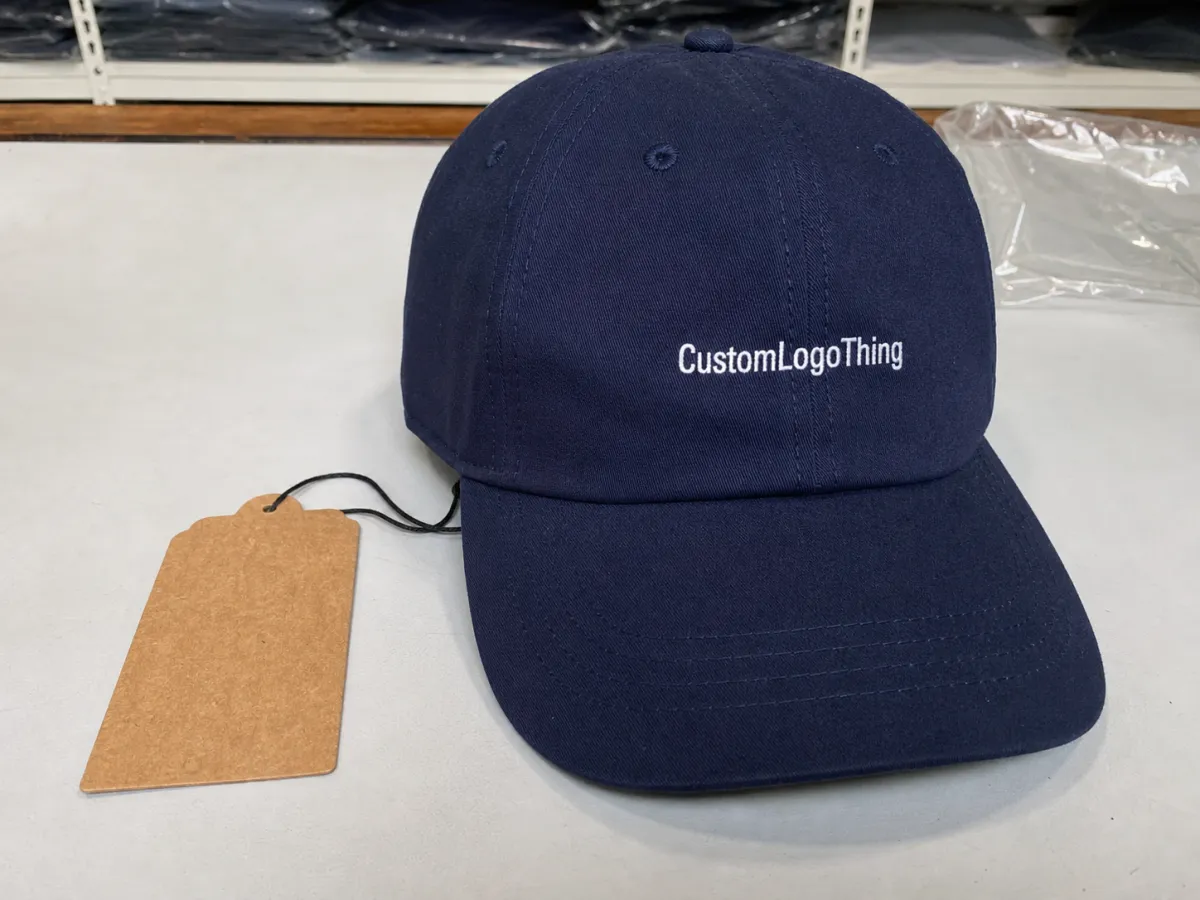
A 24-piece order and a 250-piece order can use the same blank cap, the same logo, and the same thread colors, yet the unit cost can land in very different places. That is not a pricing trick. It is arithmetic. Several costs are fixed before production even starts, and fixed costs are punishing on a small run.
Digitizing is a good example. A clean logo still needs to be converted into a stitch file, and that file may need a proof or a sample sewout. Artwork review, machine setup, thread loading, and test runs all happen whether the order is 24 caps or 240. If the design is difficult, the setup burden can be larger than the material cost on the first few dozen pieces.
A simple illustration helps. Suppose a supplier quotes a decorated cap at $7.80 per piece and adds $48 for digitizing and proof preparation. On 24 caps, that setup adds $2.00 per piece before freight, pushing the landed unit cost to about $9.80. On 250 caps, the same $48 adds less than 20 cents each. The cap did not change. The order size did.
That is why buyers should read a quote as a total budget, not a single per-piece number. Blank stock matters, but decoration changes the economics. Embroidery, patch application, printed elements, and mixed decoration methods all add handling. On small orders, setup charges can outweigh the value of the blank cap itself.
There is also a threshold effect. Once the order gets large enough, the one-time charges spread thinly and the price starts looking more normal. Before that point, every revision and every extra step has an outsized effect. A small order is often less forgiving than buyers expect, even if the cap style looks ordinary.
Cap styles, fabrics, and decoration choices that move cost
The cap body is one of the biggest cost drivers. A structured dad cap, a 5-panel cap, a trucker, a snapback, and a performance cap all use different materials and construction methods. A mesh-back trucker may feel light, but it still requires panel transitions and closure hardware. A performance style often needs moisture-wicking fabric, a softer sweatband, or venting details that lift the base price even before decoration starts.
Fabric choice matters just as much. Cotton twill usually sits in the middle of the pricing range because it is familiar, stable, and easy to decorate. Washed cotton tends to carry a slightly higher cost because the finish is more intentional and less uniform. Polyester is common for activewear because it dries quickly and holds color well, while poly-cotton blends try to split the difference between comfort and durability. For running caps, lightweight polyester with a wicking sweatband is common because it performs better under heat and repeated wear.
Decoration is where the quote can move quickly. Direct embroidery is often the most economical choice for clean logos because it uses thread only and does not require a separate component. Patches cost more than simple embroidery, but they can preserve small details better and create a more retail-ready look. Woven labels are neat and understated. Rubber-look, leather-look, and raised patch finishes usually push pricing upward because they add materials, attachment steps, and more inspection time.
Logos also matter. A 3,000-stitch front mark is a different job from a 9,000-stitch design that spreads farther across the crown. More stitch count means more machine time. More time means higher labor cost. Multiple thread colors increase setup and can slow the run if color swaps are frequent. Side and back placements add even more handling, which is rarely worth it on a small quantity unless the branding absolutely needs the extra surface area.
Material specs should be read like a buyer, not a marketer. A cap made from 100% cotton twill at 260-320 gsm usually has a sturdier hand than a lightweight promotional cap. A polyester running cap may use 110-180 gsm technical fabric, but the feel, drape, and decoration response can be very different from cotton. That difference shows up in price and in how the cap wears after a few washes.
| Cap style | Typical buyer use | Approx. decorated cost at 50 pcs | Approx. decorated cost at 250 pcs |
|---|---|---|---|
| Structured dad cap | Retail merch, staff wear | $8.50-$13.50 | $6.10-$9.20 |
| 5-panel cap | Streetwear, promotions | $8.00-$12.75 | $5.90-$8.80 |
| Trucker cap | Events, brand giveaways | $7.75-$12.25 | $5.60-$8.50 |
| Performance cap | Sports, active teams | $9.50-$15.50 | $6.80-$10.50 |
Those numbers are directional, not fixed. A larger logo, extra thread colors, specialty closures, or custom patches can push the result upward fast. A clean front embroidery on a stocked cap is usually the lowest-friction route. If the goal is a premium look on a smaller order, that combination keeps labor in check without making the product feel stripped back.
Specifications buyers should lock before requesting samples
Most quote drift starts with missing details. A buyer sends a logo and a rough quantity, then receives three different prices because the supplier had to guess the rest. To control small business running Caps Unit Cost, the specification sheet needs to be complete before samples are requested.
Start with the cap body. Panel count, crown height, visor shape, closure type, fabric weight, sweatband, and fit profile all change the cost. A low-profile unstructured cap and a mid-profile structured cap are not interchangeable. If the cap is for staff wear, retail, or an event giveaway, say so early. That context affects how much finish is worth paying for.
Decoration specs matter just as much. Lock the logo width and height, placement, thread colors, patch backing, and edge finish. If the artwork contains tiny text or thin lines, ask whether embroidery can hold the detail. Fine lettering under roughly 5-6 mm in height often becomes hard to read once stitched. At that point, a patch or print-based method may be cleaner than forcing embroidery to do a job it cannot do well.
Artwork files should be ready in vector format whenever possible. Use Pantone references if color matching matters. For embroidery, ask for minimum line thickness and the smallest readable text size. A clean vector file speeds the process. A fuzzy JPEG usually adds back-and-forth and can trigger revisions that cost time.
A quote only stays useful if the cap spec and the decoration spec are separated. Blend them together and comparison becomes difficult, because you cannot tell whether the price moved because of the cap, the decoration, or the assumptions behind them.
Before sending an RFQ, copy this checklist into the brief:
- Quantity: exact total, plus any split by color or size
- Cap style: structured, unstructured, 5-panel, trucker, or performance
- Decoration method: embroidery, patch, print, woven label, or mixed
- Artwork files: vector logo, Pantone references, and placement notes
- Delivery target: event date, launch date, or internal deadline
- Packaging: bulk packed, individually bagged, or retail-ready
Unit cost, pricing tiers, and MOQ thresholds
Cap pricing usually drops in bands rather than in a smooth line. The first quantity break is often the most meaningful one. Moving from 24 units to 50 units can cut the cost per piece more sharply than moving from 100 to 150. That is why a single quote rarely tells the full story. For small business running Caps Unit Cost, the tier structure matters as much as the decoration method.
Separate one-time charges from per-piece charges. Look for digitizing, proofing, sampling, packaging, and freight as distinct lines. Some suppliers call these setup charges. Others may fold part of the work into tooling fees, especially if a custom patch die or specialty component is involved. The label matters less than the math. Ask what is one-time and what repeats on reorder.
MOQ language also deserves close reading. A supplier may advertise a low total minimum but still require a minimum by color, by decoration method, or by cap style. Mixed-color trucker runs can behave differently from a single-color embroidered dad cap order. If one quote allows 25 mixed caps and another requires 100 of one color, the cheaper-looking quote may not actually fit the project.
| Quote element | What it covers | Buyer question to ask |
|---|---|---|
| Setup charges | Digitizing, proof prep, machine adjustment | Is this charged again on reorder? |
| Per-piece price | Blank cap, decoration, basic handling | Does this change by quantity tier? |
| Sampling | Physical sample or strike-off | Is sample cost credited later? |
| Packaging | Bulk pack, polybagging, retail inserts | What packaging is included by default? |
| Freight | Transit from factory or warehouse | What is the landed unit cost? |
Ask for landed unit cost, not just factory price. The gap is shipping, handling, and any local receiving charges. A quote that looks lean on paper can become expensive once it leaves the warehouse. On small orders, freight can distort the economics more than buyers expect, especially if the carton count is low and the destination is far from the source.
If two quotes look similar, compare them on three points: exact quantity, decoration method, and what is included in the box. A quote that includes proofing and basic polybagging may be stronger than a lower number that leaves those items off the page. The cheapest line item is not always the cheapest order.
Production steps, proofing, and lead time from approval to ship
For many buyers, small business running caps unit cost is less about the factory line and more about how many times the proof changes before production starts. Each change adds time, and time often adds cost. Once approvals start drifting, the schedule becomes harder to defend.
The workflow is usually simple enough on paper:
- Quote review and quantity confirmation
- Artwork check and file cleanup
- Digital proof or virtual mockup
- Sample approval or strike-off approval, if needed
- Production scheduling and decoration setup
- Quality control and packing
- Shipment booking and final dispatch
Small orders usually stall in the same places: missing vector art, unclear color references, delayed approvals, or caps that are not actually in stock. If the supplier has to source a less common color or replace a style, lead time can stretch even when the decoration itself is basic. Inventory control matters more than many buyers expect.
Simple embroidered orders on stocked caps often move faster than patch builds or mixed-material builds. A practical planning window for many small runs is 10-15 business days after proof approval if stock is ready. More involved orders can move into the 15-25 business day range, especially if they need a sample round or custom component. Freight sits on top of that. If the delivery date is fixed, build in a cushion rather than trusting the shortest possible timeline.
Transport also deserves attention. Caps are not fragile in the same way as glassware, but bad carton packout still causes problems. Crushed crowns, bent visors, and loose stacking can turn an acceptable production run into a disappointing delivery. For orders with retail packaging or hang tags, carton sizing and internal packing instructions should be specific, not guessed. That is one of the easiest ways to avoid waste after production is already complete.
Proof sign-off is the point where the build gets locked. That protects schedule and gives the supplier a stable target. It also protects the buyer, because late changes are the fastest route to higher setup charges or a missed launch date. In small runs, a few hours of indecision can cost more than buyers expect.
Why a specialized cap supplier makes small orders easier
A supplier that works with caps every day usually quotes more cleanly, because the team understands cap construction, decoration limits, and packaging realities. That matters on small orders, where one unclear detail can tilt the whole quote. If the supplier treats the cap as just another promo item, the buyer often pays for that learning curve.
Factory-direct sourcing and reseller pricing both have a place. Factory-direct can offer better control over margins and repeat consistency, but it usually requires more precise communication. Reseller pricing may be easier for buyers who want one contact and less back-and-forth. The tradeoff is transparency. Ask where the markup sits, what is included, and who controls decoration quality.
Quality control matters more on small runs because defects hurt the percentage faster. One defective cap in a 24-piece order is over 4 percent of the run. The same one defective cap in a 250-piece order is only 0.4 percent. That difference changes the buyer’s risk profile immediately. Ask whether the supplier checks thread tension, patch placement, seam alignment, visor curve, and closure finish before packing.
Repeat-order value is often overlooked. Saved artwork files, a known cap body, and consistent thread references can cut hours from the next order. That is where a specialist supplier earns trust. The second order should not feel like a fresh puzzle. If the first round was approved cleanly, the next one should be faster and easier to forecast.
If the order includes retail packaging, ask about printed inserts, belly bands, and carton labels. For paper components, FSC certification can support a cleaner merchandising story without forcing the cap itself into a premium price tier. Buyers usually need fewer claims and fewer surprises, not more jargon.
A good cap supplier gives clear minimums, fast proofing, visible setup charges, and honest answers about what can and cannot be done at a small quantity. That combination keeps small orders workable without making them feel improvised.
Next steps: what to send for an accurate quote
If you want a quote that holds up internally, send the supplier a complete brief the first time. That is the fastest way to improve small business running caps unit cost without trimming the finished look. The stronger the brief, the less room there is for revision-driven cost creep.
Send these items together:
- Quantity: exact order size and any color or size splits
- Cap style: dad cap, trucker, snapback, 5-panel, or performance
- Decoration method: embroidery, patch, woven label, print, or mixed
- Logo files: vector artwork, brand colors, and placement notes
- Delivery date: launch window, event date, or internal receiving deadline
- Budget ceiling: target spend and any hard limit on landed cost
- Packaging needs: bulk pack, retail-ready, or direct-to-team
- Shipping destination: warehouse, office, event site, or distributor
Ask for two or three options side by side. A useful comparison should show cost per piece, setup charges, lead time, and the decoration method behind each quote. If one option is cheaper because it simplifies the logo or reduces thread colors, that is useful information. If another looks cheap because freight is missing, it is not a real comparison.
If the order includes hang tags, inserts, or printed belly bands, ask whether those can be quoted separately. That keeps the cap decision and the packaging decision from getting tangled together. It also helps if one person cares about display quality while another is focused on cost control.
Final thought: lock the spec early, compare landed unit cost instead of headline price, and keep the brief tight enough that the supplier does not have to guess. That is the most reliable way to protect margin and avoid avoidable surprises on small business running caps unit cost.
What affects small business running cap unit cost the most?
Setup charges, decoration method, and quantity usually drive the biggest swings. Fabric choice, logo complexity, and extra color changes can push the quote higher, especially on lower MOQ orders. Ask suppliers to separate one-time costs from per-cap pricing so the budget is easier to read.
How many running caps do I need to get a better unit price?
Most suppliers price in tiers, so the first jump from a very small order to a moderate one usually delivers the strongest drop in cost per piece. Compare a few levels, such as 25, 50, 100, and 250, before you decide. The best break depends on cap style and decoration method.
Is embroidery or a patch better for lower running cap cost?
Simple embroidery is often cheaper for small, clean logos because it avoids extra materials. Patches can look more premium or hold detail better, but they may add labor, backing, and attachment steps. The right choice depends on artwork complexity, not just price.
What MOQ should I expect for custom running caps?
MOQ varies by stock level, cap style, and decoration process. Some programs allow a low total-order minimum, while others set minimums by color or design. Ask whether the MOQ applies to the cap body, the decoration method, or the final shipment.
How can I reduce small business running caps unit cost without cutting quality?
Use a standard cap style, keep the logo placement simple, and limit thread colors where possible. Finalize artwork early so proof changes do not add time or fees. Ordering a few extra units for reorders can also keep future setup costs lower.

