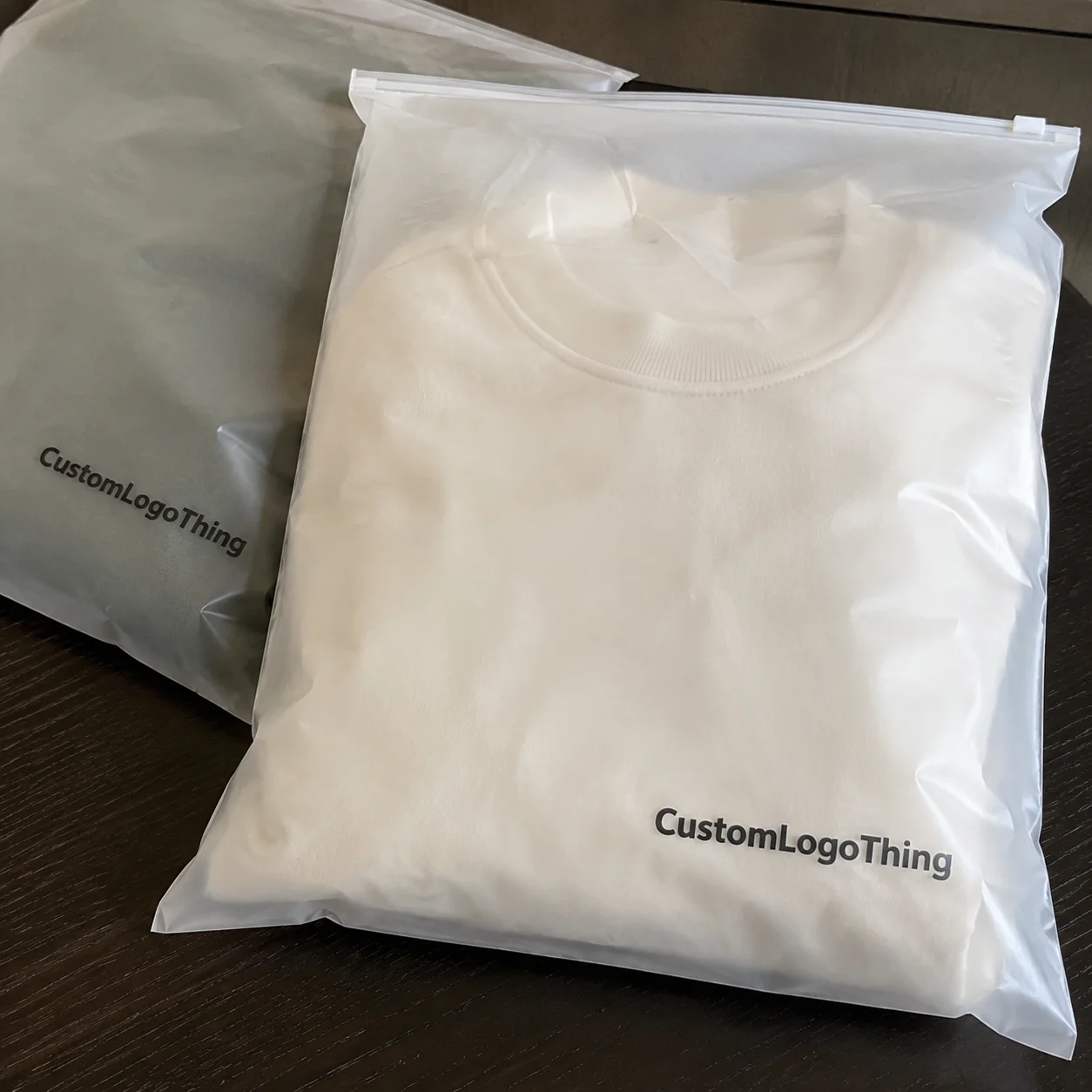
Snapback Caps Unit Cost Breakdown for Boutique Retail Sourcing
The snapback caps Unit Cost Breakdown for boutique retail sourcing usually surprises buyers because the blank cap is rarely the line that moves margin the most. On runs of 100 to 300 pieces, a snap closure, woven patch, woven label, individual bagging, carton marks, and freight can move the cost per piece faster than the shell fabric itself. That is why a quote has to be read as a system, not as a single number.
From a packaging and buying point of view, the first price only helps if every supplier is quoting the same crown height, the same decoration method, the same packout, and the same delivery basis. A lower headline number can hide setup charges, artwork revisions, tooling, or a freight gap that appears later and swallows the margin you expected to keep. On small retail programs, those hidden lines matter more than on large replenishment orders because there are fewer units to absorb them.
Why Small Snapback Orders Break Margin in Unexpected Places
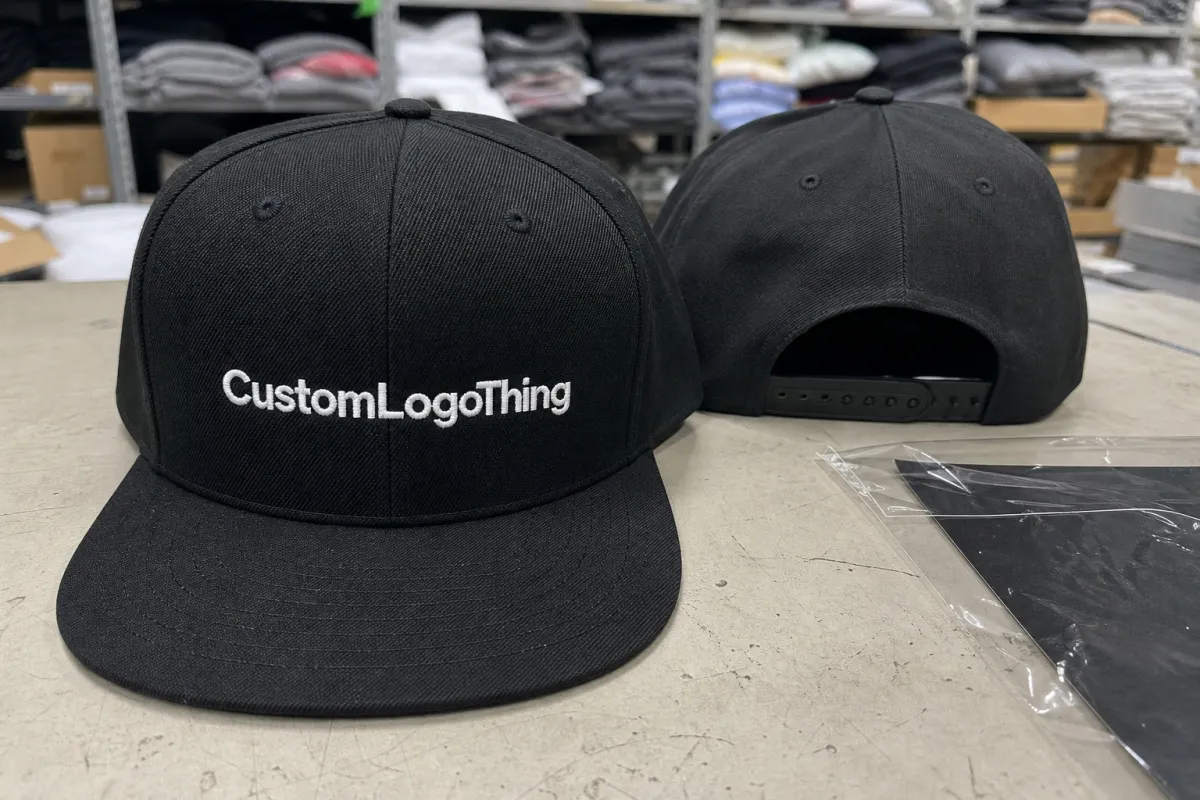
The part many buyers miss is simple: the cap body often sits in the middle of the cost stack, not at the top. On a boutique order, a standard plastic snap may only add a small amount in material, yet the choice of closure, patch construction, woven label, individual polybag, and barcode sticker can add more than the shell upgrade that got all the attention.
That effect is stronger on small retail runs because fixed work gets spread across fewer units. If a supplier has to quote artwork review, sample prep, placement approvals, carton labeling, and outbound freight for 150 caps instead of 1,500, the unit cost moves quickly. The same thing happens with chargebacks in reverse: a mistake that would be minor on a large run becomes visible on a small one.
There is also a presentation issue. A cap that looks basic on paper can still read as premium if the trim package is clean and the finish is tight. A more expensive shell with weak decoration usually sells worse than a solid mid-tier cap with better logo placement, consistent stitching, and a tidy presentation card or hangtag.
On a 150-piece run, a closure upgrade or a custom patch can quietly eat the same margin that a buyer thought was saved by negotiating the blank cap down a few cents.
That is the real reason the snapback caps Unit Cost Breakdown for boutique retail sourcing should be built around landed cost, not just factory price. Once setup, handling, and freight are visible, the buying decision gets cleaner.
Shell, Crown, and Closure Specs That Change Per-Unit Cost
Snapback structure matters more than most people expect. A 6-panel build with a structured front usually gives a firmer retail shape and a familiar fit, while a 5-panel style tends to feel more fashion-led and can be easier to decorate with one wide front panel. Neither is automatically cheaper in a meaningful way; the difference shows up in sewing time, panel alignment, and the way the cap carries the logo.
Crown structure changes the feel on head and shelf. Structured fronts hold shape better, which is useful for a bold retail wall, while unstructured crowns can look softer and more casual. Flat visors are common in snapbacks, but a slightly pre-curved visor changes the brand impression without moving the cap into a different category. If the buyer wants a premium streetwear look, small details like visor edge stitching, the number of eyelets, and the finish on the underbrim carry more weight than the sample photo suggests.
Fabric choice is the next lever. Cotton twill usually gives a familiar hand feel and good embroidery behavior. Polyester blends can hold color well and may be easier to source for consistent bulk pricing. Brushed materials often feel softer but can sit at a higher unit cost because the surface needs more care during cutting and sewing. Sweatband quality, stitch density, and lining details also shape durability, and buyers usually notice the difference after the first wear, not on the sample table.
Closure style is physically small, but it affects the retail read. A standard plastic snap is cost-efficient and easy to scale. A fabric strap or specialty hardware can lift perceived value, yet it adds handling time and a little more inspection risk. For boutique sourcing, that extra detail should be justified by the shelf price, not chosen because it sounds premium in a spec sheet.
- 5-panel vs 6-panel: 5-panel can feel more current; 6-panel usually reads more traditional and is often easier to source consistently.
- Structured vs unstructured: Structured holds shape longer and protects logo presentation.
- Closure type: Plastic snap is the baseline; fabric or metal details raise perceived value but can add cost and inspection time.
Decoration Choices That Move a Basic Cap Into Retail Territory
Decoration is where the unit cost can change fastest. Simple flat embroidery with a compact logo is usually the easiest path, especially when the stitch count stays controlled and the placement is straightforward. A dense front graphic is a different matter. Fine type, gradients, and multiple thread colors all increase machine time, thread changes, and the chance of a revision.
Patches introduce another layer of decision-making. A woven patch can deliver crisp detail and a clean retail finish. A PVC patch gives a molded look. Leather and faux leather patches feel premium in a different way, especially on neutral caps, while 3D puff embroidery can create shelf presence but needs careful artwork setup. Every one of those choices has a different labor profile, and that matters more than the material cost alone.
Some upgrades are worth the spend because they improve the product without inflating the price too hard. Inside taping, woven labels, a neat visor sticker, and a custom hangtag often do more for presentation than a heavy decoration package. If paper hangtags are part of the plan, ask for FSC-certified stock from fsc.org so the material claim is straightforward to support and the buyer story stays consistent.
Packout belongs in the same conversation as decoration. Individual bagging, barcode labels, size stickers, and carton counts affect both presentation and fulfillment cost. A retailer receiving 12 units per carton in neat, scannable packaging will process the shipment faster than one that arrives loosely packed and missing item labels. That difference may not show up in the sample, but it will show up in the back room.
There is a practical limit here. A cap can only carry so many premium signals before the budget starts moving faster than the retail price can justify. Once decoration becomes the dominant cost driver, the buyer should ask whether the cap is still a cap or whether it has become a small accessory program in disguise.
Snapback Caps Unit Cost Breakdown by Order Tier
For a Snapback Caps Unit cost breakdown for boutique retail sourcing, the cleanest approach is to separate the quote into the same buckets every time: blank cap base, decoration, trim and labels, setup amortization, packout, domestic handling, freight, and any duty or brokerage charges. Once those line items are visible, the buyer can see which part is moving the number and which part is just noise.
Pricing shifts quickly across order tiers. The table below gives a practical frame for boutique buying. These are indicative ranges, not universal rates. Decoration, country of origin, packaging, and freight method all matter.
| Order Tier | Typical MOQ | Common Spec | Indicative Unit Cost | What Usually Pushes It Higher |
|---|---|---|---|---|
| Entry boutique run | 100-200 pcs | 6-panel, structured, simple embroidery, polybag | $6.80-$10.50 ex-works | Patch work, specialty closure, low artwork tolerance, heavy packout |
| Core replenishment order | 300-800 pcs | Standard cap body, one main placement, barcode label | $4.80-$7.20 ex-works | Multiple placements, woven labels, custom hangtags, tighter delivery window |
| Larger retail buy | 1,000+ pcs | Locked spec, repeatable decoration, cartonized packout | $3.90-$5.90 ex-works | Special fabrics, mixed-color orders, added inspection, air freight |
The first quote often looks expensive because setup charges and admin work are sitting on a small number of units. That is normal. Once the same spec repeats over a larger run, those fixed costs get diluted and the bulk pricing improves quickly. The point is not to assume the bigger run is automatically better; sometimes the larger run only makes sense if the retailer already has demand confidence or a proven reorder rate.
For a boutique buyer, the goal is to watch the cost per piece after all the extras are counted. A cap that is $1.20 cheaper on the base shell but needs a more complex patch, a special lining, and more hands-on packout can easily finish above the simpler spec. That is why the landed number is the only number that really matters.
The cheapest factory price is not the cheapest landed cost, and on small runs that gap can be larger than the buyer expects.
One more point saves time: ask whether the quote includes sampling, artwork revisions, and freight assumptions. A clean comparison is only possible if every supplier is quoting the same basis.
Pricing, MOQ, and Quote Inputs for Retail Sourcing
Accurate pricing starts with accurate inputs. If the buyer sends a vague request, the supplier has to guess on spec, and guesses usually turn into price spreads. For a serious retail order, send the artwork files, logo size, Pantone references, decoration method, placement, label spec, packaging spec, delivery address, and target in-store date. That is the minimum decision set.
MOQ is driven by more than just the number of caps on the order. Fabric sourcing, color matching, decoration setup, and packout labor all push minimums upward. A lower MOQ is sometimes possible, especially on stock cap bodies or simpler embroidery, but the price per unit usually rises because the fixed work is still there. In other words, the buyer can ask for a smaller run, but the math has to be accepted honestly.
Ask for itemized lines wherever possible. Sampling should be separate. Setup should be separate. Freight should be separate. Duty or brokerage should be visible if the supplier is handling landed delivery. This is how two offers get compared without getting fooled by a tidy headline number that hides real charges in the background.
Packaging language also needs to be specific. If the carton needs a retail barcode, if each cap needs an individual polybag, or if the hangtag must carry a certain message, say it early. Those details influence labor, make-ready time, and the final quote. That is especially true on small retail programs where the order is too small to absorb surprise changes easily.
One useful habit is to ask for the quote in the same sequence every time: cap base, decoration, trim, packout, and freight. If a supplier rearranges the order of the lines or collapses several items into one number, the quote is harder to audit and easier to misread. Clean structure is not cosmetic; it helps avoid disputes later.
Process and Timeline From Mockup Approval to Delivery
A sensible production path is straightforward: brief, artwork review, mockup or proof approval, sample if needed, bulk production, inspection, packing, and shipment. It sounds simple, but the time loss usually happens between those steps, not inside the sewing line.
Decoration complexity is the biggest timing variable. A basic embroidered logo might move quickly once the artwork is approved. A patch with multiple colors, tight registration, or specialty backing can add extra days for pre-production check and sample revision. Material availability matters too. If the preferred fabric color is not in stock, or if the exact closure style needs to be sourced separately, the schedule can stretch before cutting even begins.
Buyer response time has a real effect. A supplier can only move as fast as the slowest approval, and that includes logo placement, label wording, carton marks, and retail ticketing. In practice, the cleanest orders are the ones where the buyer decides what is fixed before sampling starts.
For boutique retail planning, treat the timeline as a range rather than a promise. Sample approval often takes a few days if there is only one round of changes. Bulk production might run 12-20 business days for straightforward caps, longer if the decoration is dense or the order includes custom packout. Freight can then add another week or more depending on air or ocean choice.
If the shipment is going into parcel or store distribution, ask whether the cartons are tested or packed to an ISTA-style distribution profile. The ISTA site is a useful reference point for shipment handling and test guidance, and it is worth checking before a retailer assumes the cartons will survive without compression or corner damage.
Build a buffer for launch dates. That buffer is not wasted time; it is the difference between a product that lands calmly and one that arrives with a rushed receiving team and a pile of relabeling.
Quality Checks, Packout Standards, and Reorder Readiness
On arrival, the checks that matter are practical and visible. Crown symmetry should be even. The visor should hold shape. Thread tension should not pucker the fabric. Logo placement should sit where the proof approved it. Color should match across units. Closure function should open and close cleanly without rough edges or warped tabs. The finish should feel like something a retailer can hand to a customer without apology.
Packout is part of quality, not an afterthought. Carton labeling should be clear. Polybag format should be consistent. Barcode placement should be easy to scan. Case pack counts should match the receiving plan. Retail teams lose time when every carton has to be opened and counted by hand because the packaging specification was never locked down properly.
Reorders are where discipline pays off. Keep a locked spec sheet that records the cap body, fabric, closure, stitch count, patch method, placement, label type, bag format, and carton count. If the approved sample is not documented, the next run can drift in small ways that are expensive to correct later. Those drifts often show up first in the quote and then in the shelf presentation.
For brands that want repeatable results, I also like to keep photos of the approved sample from front, side, inside, and under-visor angles. That record is simple, but it helps avoid arguments on the next production run. Good reorder readiness is not glamorous. It is control.
There is a second benefit to locking the spec early: it reduces the temptation to “improve” the item midstream. Small changes can improve the cap, but they also restart parts of the cost stack. A cleaner spec is usually a safer business decision than a constantly revised one.
How to Read a Quote Without Getting Tripped by the Headline Number
The easiest way to compare suppliers is to read the quote as if each line were a separate decision. The shell price tells you very little by itself. So does the decoration price if you do not know the stitch count, patch type, or whether placement changes are included. The real question is whether the offer reflects the exact product that will arrive on the dock.
For small retail buys, I would check five items first: the decoration method, the packout format, the included sample terms, the freight assumption, and the payment of any tooling or setup charge. If one supplier includes the sample and another does not, the difference is not a clean price gap. If one supplier quotes ex-works and another quotes delivered, the comparison is not useful until it is normalized.
A useful rule is to compare only quotes that share the same four anchors: same cap body, same decoration, same packaging, same delivery basis. Once those match, the differences become real and actionable. Before that, they are mostly accounting noise with a nice layout.
There is also a margin trap in over-specifying the cap. A retailer might ask for a premium patch, custom inside tape, woven neck label, special hangtag, branded polybag, and a rigid carton insert, then wonder why the price no longer fits the shelf position. Each item may be reasonable on its own. Together, they can push the order into a different cost class.
That is where experience matters. The strongest quote is not always the cheapest or the most decorated. It is the one that fits the retail price, the timeline, and the quality standard without relying on hidden assumptions.
FAQ
What affects snapback cap unit cost the most for boutique retail sourcing?
Decoration complexity usually has the biggest impact, especially when embroidery stitch count, patch type, or multiple placements are involved. Closure style, label package, and carton packout can also add more to a small run than buyers expect because fixed handling cost is spread over fewer units.
What MOQ is typical for custom snapback cap unit pricing?
Smaller boutique runs often sit in the 100 to 300 unit range, but the real break point depends on decoration method and packaging requirements. Higher MOQs usually reduce unit cost because setup, proofing, and admin work are spread over more caps.
Is embroidery or a patch better for a snapback retail order?
Simple embroidery works well when the logo is compact and stitch count stays controlled. Patches can create a stronger premium look, but woven, PVC, leather, or 3D puff options usually change the price and lead time in different ways, so the best answer depends on the brand position.
How long does a custom snapback cap order usually take?
Artwork approval, sampling, and bulk production each add time, so the full schedule depends on how fast the specs are finalized. Decoration complexity, packaging requirements, and freight method often matter more than the cap body itself.
What should be included in a snapback cap quote for boutique buyers?
Ask for itemized pricing on the blank cap, decoration, packaging, setup, freight, and any duty or brokerage charges. Make sure the quote references the exact spec sheet so the unit cost reflects the same materials, placements, and packout you plan to buy.