Plan Your Small Retail Paper Bags Production Timeline
What the Small Retail Paper Bags Production Timeline Really Includes
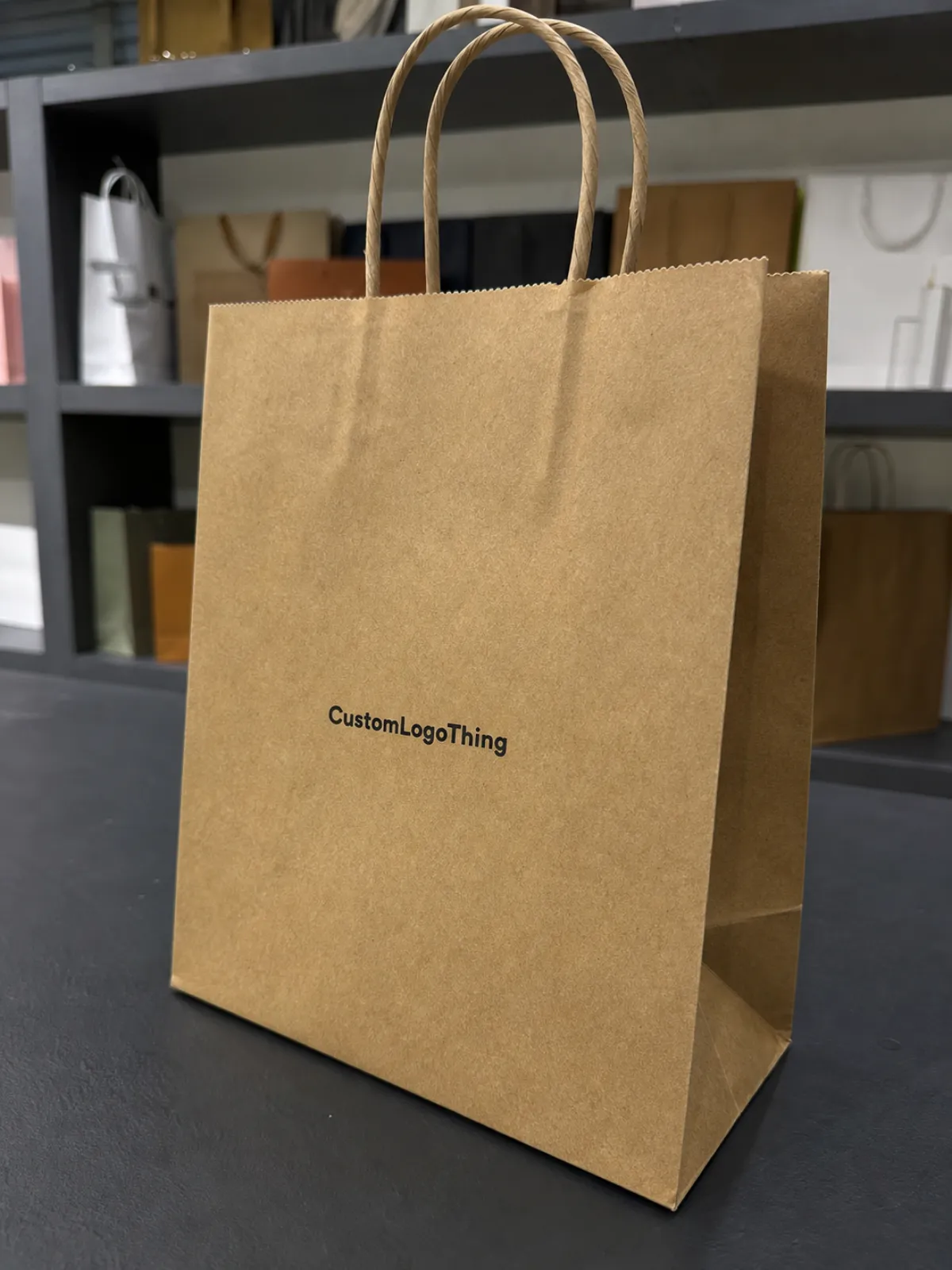
A boutique orders branded bags two weeks before a launch. The logo is ready. The date is circled. Everyone assumes production starts right away.
Usually, it does not.
The Small Retail Paper Bags production timeline usually starts after final specs, print-ready artwork, proof approval, and payment terms are confirmed. A quote request is not a production slot. A design discussion is not a machine booking. Annoying, yes. Also true.
A paper bag order is a chain of decisions and physical steps: size selection, material confirmation, artwork setup, proofing, paper procurement, printing, cutting, folding, gluing, handle attachment, reinforcement, packing, inspection, dispatch, and delivery. If the bag uses a stock size with a one-color logo, that chain can move quickly. If it uses custom dimensions, coated stock, rope handles, foil stamping, and a reinforced bottom, the chain gets longer.
That is because paper bags are not flat print pieces. A flyer can be printed, trimmed, and boxed. A retail bag has to hold weight, stand upright, tolerate friction, carry a handle load, and still look presentable after a customer walks out of the store with it.
Planning tip: Treat the schedule as risk control, not a calendar guess. One slow proof approval can steal time from inspection, freight, store merchandising, or launch-day packing.
The safest planning method is to work backward from the real need date: store opening, campaign launch, trade show, holiday delivery window, or inventory depletion point. Then add buffer for proof revisions, internal approvals, carrier delays, and receiving constraints. The schedule gets easier to manage once everyone agrees on what actually starts the clock.
How Paper Bag Production Steps Move From Quote to Delivery
A reliable supplier cannot price or schedule “small branded bags” with much accuracy. That phrase tells them almost nothing. They need width, gusset, height, paper weight, order quantity, handle style, print colors, finish, delivery location, and required arrival date.
Miss one detail, and the quote gets soft around the edges.
The usual order flow looks like this:
- Quote intake: The buyer provides quantity, size, use case, delivery location, and deadline.
- Specification confirmation: Paper type, handle, finish, print method, and tolerances are agreed.
- Artwork review: Vector logo files, Pantone references, dielines, copy, and placement instructions are checked.
- Proof approval: A digital proof or physical sample is reviewed before the production run begins.
- Material preparation: Paper, ink, handles, reinforcements, and cartons are staged.
- Printing and converting: Sheets or rolls are printed, cut, folded, glued, and formed into bags.
- Quality control and packing: Bags are inspected, counted, packed, labeled, and released for dispatch.
Digital proofs are fast and useful. They confirm logo position, scale, copy, print area, and general layout. They do not show everything. A PDF will not tell you how white ink behaves on brown kraft, whether matte lamination scuffs too easily, whether a rope handle feels cheap, or whether the bag wall has enough stiffness for the product.
Physical samples take longer, but they answer those questions. For premium retail, cosmetics, jewelry, and event packaging, that extra time can prevent a very expensive disappointment.
The hidden delays are usually small. A missing Pantone code. A screenshot instead of an AI or EPS file. A buyer approves the front logo but forgets the side gusset. A handle color looks “close enough” on screen, then clashes with store signage. Nobody panics at first. Then three business days disappear.
Think of the process less like printing flyers and more like making a tiny branded container. It has to survive load, movement, moisture exposure, hand oils, shelf stacking, and customer handling. Standards such as ISTA package testing guidance are more often used for shipping cartons, but the same mindset applies: packaging still has a job after it leaves the press.
Domestic, overseas, stock-based, and fully custom orders all use different calendar math. A domestic stock bag may avoid ocean freight and customs. An imported custom bag may offer a lower unit cost at 10,000 pieces, but the schedule must include freight booking, customs clearance, drayage or ground transfer, and final-mile delivery.
Lead Time Benchmarks for Small Retail Bag Orders
Lead time ranges help only when they are tied to order type. A 500-piece stock-size kraft bag with one-color printing is not the same animal as a 5,000-piece boutique bag with custom dimensions, foil, and cotton rope handles.
| Order Type | Typical Production Range | Best Fit | Common Watchout |
|---|---|---|---|
| Stock paper bags with simple logo print | Often 5-10 business days after proof approval | Pop-ups, small shops, short campaigns | Limited bag sizes, colors, and print areas |
| Semi-custom bags using existing sizes | Often 10-18 business days after approval | Boutiques, salons, gift shops, apparel | Handle and paper choices may still affect timing |
| Fully custom retail bags | Often 20-35 business days, longer with import freight | Premium retail, cosmetics, jewelry, events | Sampling, specialty finishes, and freight add calendar time |
Small quantity does not automatically mean fast. Machines still need setup. Plates, screens, or digital files may need preparation. Ink needs calibration. Glue lines have to be adjusted. Handles need consistent placement. Quality checks still happen whether the run is 500 bags or 50,000.
Rush orders can work under the right conditions: standard size, available paper, one-color artwork, clean vector file, open capacity, simple packing. That is the good version. Add edge-to-edge print, a custom-dyed handle, embossing, side-gusset artwork, or a physical sample, and the rush window narrows fast.
Production time and transit time are separate. A supplier may finish the bags in seven business days, then need another day or two for counting, carton packing, palletizing, label preparation, and carrier pickup. Ground transit may take several more days. Imported orders may sit longer because of customs, port congestion, missing paperwork, or inspection holds.
Ask for the dispatch date, not only the production estimate. Better yet, ask for four dates: proof due date, production completion date, ship date, and estimated delivery date.
Many missed deadlines start upstream. Approvals stall. Specs change. Artwork needs repair. A manager wants “one tiny logo adjustment” after proofing. The physical bag-making stage gets blamed, but the delay began before the paper reached the machine.
For event-driven orders, count business days and confirm whether proofing is inside or outside the quoted lead time. Trade shows, holiday launches, grand openings, influencer mailers, and seasonal retail peaks deserve a real buffer. Ten extra calendar days can be the difference between calm receiving and painful air freight.
Cost, MOQ, and Pricing Variables That Affect the Schedule
Price and time are connected. Lower unit costs often require larger runs, longer production queues, imported manufacturing, or less flexible shipping. Faster orders usually cost more per bag because they interrupt scheduling, use materials already on hand, or require premium freight.
MOQ means minimum order quantity. It exists because setup is not free. Even a short run may require material purchasing, print setup, machine calibration, labor staging, waste allowance, carton packing, and administration. That is why a 250-piece order can look expensive per unit while a 5,000-piece order drops sharply.
| Variable | Typical Cost Effect | Timeline Effect |
|---|---|---|
| Paper weight, such as 120gsm kraft versus 200gsm art paper | Heavier or coated stocks usually cost more | Special stocks may need sourcing time |
| Handle type: twisted paper, flat paper, ribbon, rope | Rope and ribbon handles add labor and material cost | Custom colors or manual attachment can add days |
| Print coverage and color count | More ink and tighter registration increase cost | Full coverage may need longer drying or extra checks |
| Foil, embossing, spot UV, lamination | Premium finishes add setup and process charges | Separate finishing stages may extend production |
| Freight method | Air freight costs more than ground or ocean | Faster shipping can rescue a late production schedule |
For small custom runs, a broad planning range might be $0.35-$1.20 per bag for basic Printed Paper Bags, depending on quantity, size, paper, and print coverage. Premium boutique bags with 200gsm paper, rope handles, foil, and lamination can move higher, especially below 1,000 pieces. Treat those as planning ranges, not universal pricing. Packaging quotes are annoyingly specific because the product is annoyingly specific.
Upgrades are not just decorative. Foil stamping may need a die. Embossing needs pressure control and registration. Soft-touch lamination can require curing time and scuff checks. FSC-certified paper may need chain-of-custody documentation; buyers can review the basics through the Forest Stewardship Council. Recycled content can affect availability, color consistency, stiffness, and print behavior.
Ask for good-better-best options. One quote hides too much. A speed-focused option might use a stock white kraft bag with one-color print. A brand-impact option might use custom sizing, foil, heavier paper, and rope handles. Seeing both makes the trade-off obvious: cost, finish, and schedule rarely improve at the same time.
Also ask what is included. Setup, proofing, plate charges, sample fees, packing, shipping, taxes, rush handling, and reprint policy should not be vague. The cheapest quote may come with longer transit, narrower quality tolerances, limited proofing, or slow revision support. Cheap can be fine. Blind cheap is the problem.
Key Factors That Can Shorten or Delay Turnaround
Artwork readiness is the fastest lever. Send a vector logo file, outlined fonts, correct color codes, approved dieline, and clear placement instructions. If the file arrives as a low-resolution PNG pulled from a website, prepress has to stop and ask questions. Nobody wins.
Material availability comes next. Standard brown kraft, white kraft, and common weights such as 120gsm, 150gsm, and 180gsm are usually easier to source than tinted papers, textured stocks, metallic paper, or certified substrates. Not always. Usually.
Print complexity changes the rhythm. A one-color logo on one side is straightforward. Full-coverage ink, gradients, tight registration, side-gusset printing, and edge-to-edge artwork require more control. Add spot UV over a fine logo and the tolerance window gets smaller.
Handles matter more than buyers expect. Twisted paper handles are common and efficient. Flat paper handles are practical for lighter retail use. Die-cut handles change the bag structure. Ribbon and rope handles create a more premium feel, but they can add sourcing time and manual labor. A standard kraft twisted handle is a very different scheduling problem from a 30cm custom-color rope handle.
Seasonality also matters. Retail packaging demand rises before holiday selling periods, trade show cycles, product launches, and promotional windows. A supplier quoting 12 business days in a quiet month may quote 18 or more during peak demand. That is not necessarily padding. Sometimes the queue is simply full.
Logistics can undo a clean production run. Domestic ground freight, air freight, ocean freight, customs clearance, residential delivery limits, liftgate needs, split shipments, and warehouse receiving hours all affect the real arrival date. A carton handed to a carrier is not the same as a carton received by the store.
Useful question: Instead of accepting “three to four weeks,” ask which stage is the bottleneck right now: artwork, material, production queue, finishing, packing, or freight.
That one question often reveals whether the schedule is firm, padded, or quietly dependent on a missing decision.
Step-by-Step Planning Checklist Before You Order
Start with the use case. What will the bag carry? A candle, folded sweatshirt, cosmetics set, boxed necklace, paperback stack, or three glass jars? Weight, shape, and sharp edges matter. So does the customer experience.
A luxury gift shop may care about structure, handle feel, print finish, and how the bag photographs. A farmers market stall may care more about strength, cost, and speed at checkout. Both are valid. They are not the same bag.
Choose dimensions from product fit, not guesswork. Confirm width, gusset, height, and handle drop. If tissue paper, gift boxes, or rigid product cartons sit inside, allow enough space without making the bag so large that it collapses around the item.
- For jewelry: Small bags around 5 x 3 x 7 inches may work, depending on box size.
- For apparel: Medium bags with wider gussets are often needed for folded garments.
- For candles or jars: Reinforced bottoms and heavier paper can reduce failure risk.
- For cosmetics: Print finish and scuff resistance may matter as much as strength.
Select paper by balancing appearance, strength, sustainability claims, and budget. Heavier is not automatically better. A poorly structured oversized 250gsm bag can still feel awkward, while a well-sized 150gsm kraft bag may perform perfectly for light retail products.
Prepare artwork before asking for a final quote. Send AI, EPS, or print-ready PDF files, brand colors, logo placement, finish notes, and recycling or legal marks if needed. If color accuracy matters, provide Pantone references rather than “make it beige.” Beige is not a production instruction.
Request milestone dates: artwork deadline, proof date, approval cutoff, production start, estimated completion, dispatch date, and delivery window. For first-time premium orders, ask whether a pre-production sample is recommended. Cosmetics, jewelry, gifts, apparel, and event retail often benefit from seeing structure and finish before the full run.
Document approvals in writing. One owner. One final artwork file. One confirmed delivery address. One set of receiving instructions. Simple discipline protects the schedule from the most common internal delays.
Common Mistakes That Make Paper Bag Orders Run Late
The first mistake is assuming the quote date is the production start date. It usually is not. Most suppliers begin after payment, finalized specs, artwork approval, and proof sign-off. A friendly email thread does not reserve a machine forever.
The second mistake is sending low-resolution logos or screenshots. These slow prepress and can create blurry print, rough edges, or color mismatch. A clean vector file can save days because it removes interpretation.
The third mistake is changing bag size after proofing. Even a small dimension change can affect dielines, print placement, material estimates, carton packing, and handle positioning. It may also require a new proof. That “tiny change” is rarely tiny in production.
The fourth mistake is ignoring freight timing. A finished order sitting in a carrier network is still late from the retailer's perspective. If bags must arrive before a Friday store opening, a Thursday dispatch is not a plan. It is a dare.
The fifth mistake is ordering exactly the number needed. Retail bags get damaged, used for staff packing tests, handed out during soft openings, or consumed faster than expected during launch weeks. A 5%-10% overage is often cheaper than a rushed reorder, though storage space and cash flow still matter.
The sixth mistake is choosing premium finishes without understanding sequence. Foil, embossing, lamination, and spot UV can require extra curing, registration checks, die setup, or subcontracted steps. Each added stage is another place where a delay can appear.
The fix is not glamorous. Assign one approval owner, lock one final artwork file, write one must-arrive date, and confirm one delivery address with receiving hours. It works because it removes the usual confusion before the order reaches the queue.
Practical Next Steps for a Faster, Cleaner Order
Before contacting suppliers, build a one-page order brief. Include bag size, quantity, paper preference, print method, logo files, handle style, finish, delivery location, and target arrival date. A clear brief can turn a two-day quote exchange into one focused response.
Ask three schedule questions early:
- When does production officially begin?
- What approvals are required before that date?
- What event could move the delivery window?
Then request two quote versions. One should be optimized for speed using available materials and simple print. The other can be optimized for brand impact with custom finishes, upgraded paper, or premium handles. This comparison prevents accidental overengineering.
Rank your priorities before negotiating. Arrival date, unit cost, sustainability, premium feel, print accuracy, and low MOQ cannot all be first. If the bags are for a store opening, date may beat foil. If the bags are for luxury gifting, finish may beat the lowest unit price.
For event-driven retail packaging, add margin for proof revisions, freight disruption, and internal decision delays. Planning to the last available day is fragile. A better rule is to set your internal deadline at least one week before the true need date for domestic orders, and longer for imported or fully custom production.
Confirm cartons, shipping labels, receiving hours, and delivery type if bags are going straight to a store, warehouse, pop-up, or trade show venue. Commercial addresses behave differently from residential addresses. Venues may reject freight without the correct label, booth number, delivery window, or contact name.
The Small Retail Paper Bags production timeline becomes easier to control when specifications, artwork, budget, and delivery expectations are locked before the order enters the queue. That is the difference between hoping the bags arrive and managing the path that gets them there.
FAQ
How long does a small retail paper bag production schedule usually take?
Simple stock-size bags with basic logo printing may take around 5-10 business days after proof approval. Semi-custom or fully custom bags can take 10-35 business days or more. Timing depends on artwork readiness, material availability, order quantity, finish, production capacity, and freight method. Ask for separate dates for proof approval, production completion, dispatch, and estimated delivery.
What starts the production timeline for custom small retail bags?
The timeline typically starts after the supplier has final specifications, print-ready artwork, approved proof, confirmed payment terms, and any required material decisions. An inquiry, rough quote, or design conversation usually does not count as the production start.
Can I rush small paper bags for a store opening or event?
Rush orders may be possible when the bag size is standard, artwork is clean, print is simple, material is available, and the factory has open capacity. Speed usually limits options, so complex finishes, custom paper, unusual handles, or physical samples can make rush timing harder.
Why does a low MOQ paper bag order still take time?
Even a low MOQ order can require setup, artwork review, plate or file preparation, machine scheduling, printing, folding, gluing, packing, and quality control. Small runs use fewer units, but they do not skip the core production steps.
What information should I send to get an accurate paper bag timeline quote?
Send bag dimensions, quantity, paper type or desired feel, handle style, print colors, logo files, finish requirements, delivery address, and must-arrive-by date. Include whether you need a digital proof, physical sample, split shipment, or rush handling because each one can change the schedule.

