Coffee Roaster Paper Shopping Bags MOQ: Order With Clarity
If you are buying coffee roaster Paper Shopping Bags MOQ for the first time, the numbers can look stranger than they should. A roaster might need branded bags for bean sales, tasting kits, and gift bundles by Friday, not a mountain of packaging sitting in a back room for six months. That is exactly why Coffee Roaster Paper Shopping Bags MOQ is usually lower than people expect once the spec is kept sane.
The real trick is not finding the cheapest quote. It is figuring out which coffee roaster Paper Shopping Bags MOQ matches your products, your print method, and your cash flow without forcing a reorder in two weeks because the handles gave up or the bag was too small for a bundled order. In practice, the bag is doing more than carrying coffee. It is carrying the brand impression, the retail experience, and part of the perceived value. I have watched a roaster lose a whole afternoon of sales because the handle glue line was too narrow and customers started carrying their purchases like they were balancing takeout soup. That kind of thing sticks with you.
Custom Logo Things works with buyers who want practical answers, not packaging poetry. So the pages below focus on the numbers that matter: MOQ, unit cost, setup charges, tooling fees, lead times, and the boring but important details like handle attachment and paper weight. If you want the short version on common order questions, the FAQ at the end covers the basics.
Why coffee roaster paper shopping bags MOQ is lower than you expect
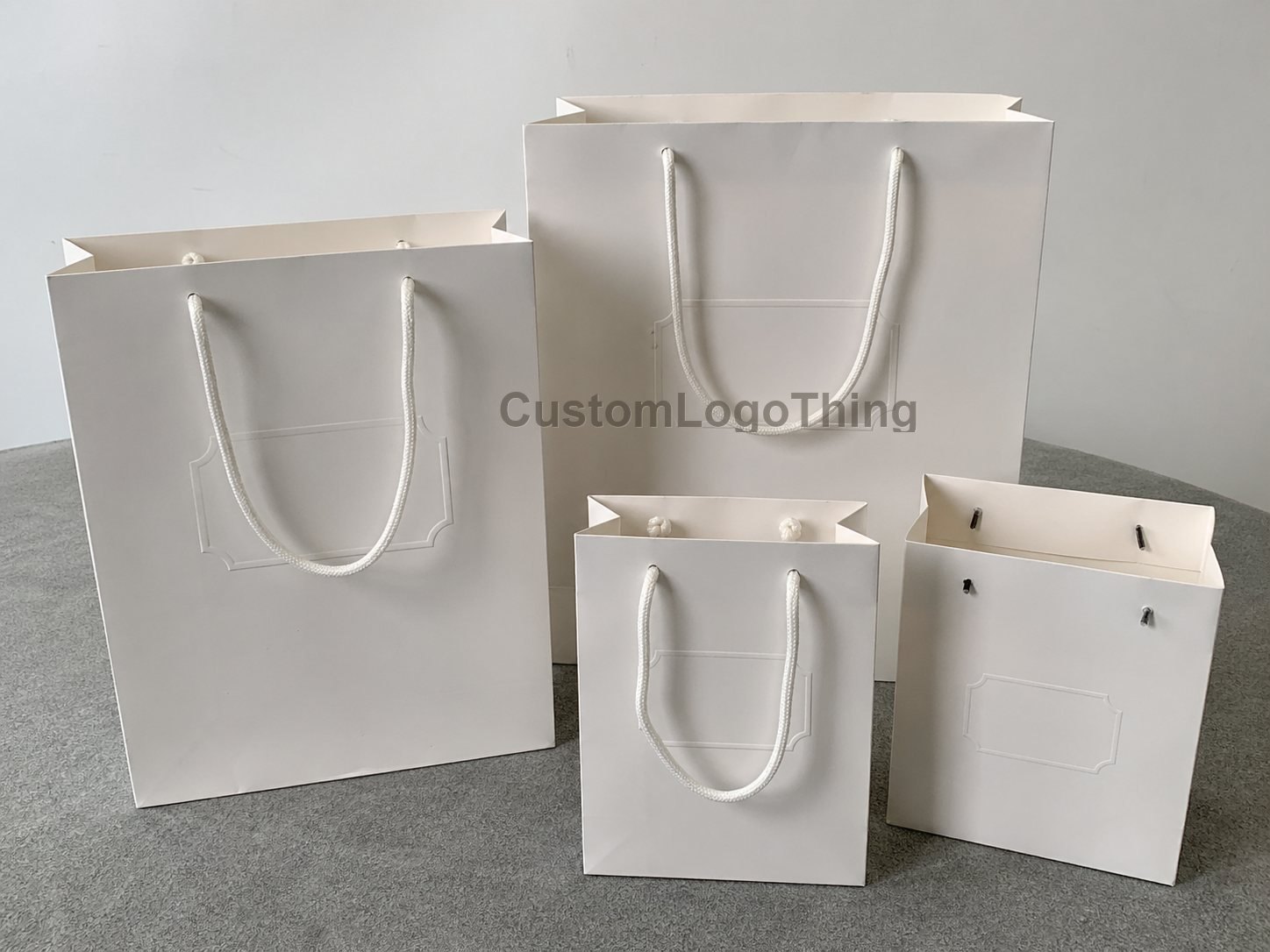
coffee roaster Paper Shopping Bags MOQ is often lower than buyers fear because the bag is a straightforward paper construction, not a complicated rigid box with inserts, magnets, and custom hardware that chew through setup time. A simple kraft shopping bag with one-color print and standard twisted handles can start surprisingly low, especially if the size is common and the artwork is clean. That is good news for roasters that want to test a seasonal look before committing to a giant run.
Most buyers assume the coffee category forces a high MOQ. It does not. coffee roaster paper shopping bags MOQ is usually driven by print method, size, handle style, and whether the bag needs extra reinforcement. A plain white kraft bag with one-color flexo printing is far easier to make in smaller batches than a full-coverage laminated bag with heavy ink coverage and die-cut handles.
There is also a practical retail reason to order sooner rather than later. A shopping bag is the first physical handshake your customer gets after the roast profile and the shelf talker have done their job. A well-sized bag keeps branding consistent across wholesale counters, market stalls, and direct-to-consumer orders. It can also reduce the need for extra stickers, belly bands, or loose inserts because the package already does part of the selling.
From a buyer's point of view, the smartest comparison is not quote A versus quote B. It is the total landed cost of coffee roaster paper shopping bags MOQ versus the cost of a weak bag that fails early. If the paper is too light, the handles pull loose, or the width is wrong for a 1 lb coffee bag plus a sampler tin, you pay again in reorders and customer complaints. Cheap is only cheap if it survives checkout.
One more practical detail: the same MOQ can behave differently depending on how the vendor groups production. If your spec uses standard materials and standard sizes, the supplier can often combine your run with other paper bag jobs and keep setup charges in check. If you ask for odd dimensions, special varnish, or a handle style they do not stock regularly, coffee roaster paper shopping bags MOQ can jump fast. The quote line item will not scream at you. It will simply show up as a higher unit cost.
That is why the first conversation should be about use, not artwork. A roaster selling 250g retail pouches at a weekend market has a very different bag problem than a café moving 2 lb sampler bundles to office clients. Same product family, different stress on the bag. A supplier who understands that difference will usually steer you toward a lower-risk spec instead of padding the order with unnecessary extras.
A roaster does not need a dramatic packaging story. It needs a bag that opens fast at the counter, carries weight without sulking, and still looks intentional when a customer walks out the door.
Product details that make coffee roaster paper shopping bags work at retail
Retail bags live or die on fit. For coffee roaster paper shopping bags MOQ, the bag format matters as much as the price because the wrong structure wastes money even if the print looks fine. Flat shopping bags work for small counters and lighter gifts. Gusseted paper bags give more room for multiple items and are better when the customer is buying beans plus a mug or tasting card. Twisted-handle bags are the most common for walkout retail because they feel familiar and carry better than bare paper cutouts.
If your order mix includes 250g retail coffee, 1 lb coffee bags, sampler sets, or branded mugs, you need to think in terms of dimensions and load shape, not just artwork. A narrow bag might hold one retail pouch neatly, then collapse the moment a second item is added. A wider gusset can solve that, but it also changes the print layout and sometimes the MOQ. That is why coffee roaster paper shopping bags MOQ should be discussed alongside the product list, not in a vacuum.
The front panel is obvious branding space. The back panel is usually wasted by people who get scared of empty space. Side gussets can carry origin notes, roast level icons, or a QR code for subscriptions. The bottom panel is not the place for a marketing essay, but it can be used for batch or store information if the design is kept clean. With coffee roaster paper shopping bags MOQ, every printable area should earn its keep. Crowding the artwork just makes the bag look like a flyer with handles.
There is a trade-off between full coverage and a cleaner kraft look. Full coverage on white kraft gives you louder shelf presence and better color accuracy. A natural kraft bag gives a warmer, more artisanal feel and often keeps MOQ and cost down because the print can stay simple. Buyers who want coffee roaster paper shopping bags MOQ as low as possible usually get there by choosing one or two print colors, standard sizing, and an uncoated or lightly finished paper surface.
At retail, the bag also has to behave like a working object. It should stand open long enough for a barista to pack it without wrestling it. It should not topple over at the register every time a second item is added. And it should survive the walk from counter to car. If it cannot do those things, the design is wrong, no matter how good it looks in a mockup. That is the part most people ignore until the first busy Saturday.
For buyers comparing vendors, one useful question is whether the bag structure has been tested for actual carry weight, not just assumed. If a supplier says a bag is fine for 5 kg or 10 kg, ask what that means in real use: one coffee pouch, two pouches, a ceramic mug, or a bundled gift set. coffee roaster paper shopping bags MOQ should be based on the same realistic load case you expect in-store.
On one site visit, I saw a roaster pack a small seasonal bundle into a bag that looked perfect on the counter but pinched the top seam so tightly that the customer had to tug it open twice. Nobody complained out loud. They just looked mildly annoyed, which is usually worse. A bag that saves three cents and costs one awkward customer moment is not a bargain.
Paper, handle, and print specs that protect the brand
Paper choice is where a lot of buyers either overpay or under-spec. For coffee roaster paper shopping bags MOQ, the most common options are brown kraft, white kraft, recycled paper, and FSC-certified stock. Brown kraft signals natural, earthy, and low-fuss. White kraft gives cleaner print reproduction and a more premium retail feel. Recycled paper can support sustainability messaging, but it needs to be selected carefully so the surface is still strong enough for the load. FSC-certified paper is useful when your brand wants a documented responsible sourcing claim, not a vague green vibe. If that claim is part of your product page or bag copy, back it with proof from the source, such as the FSC system at fsc.org.
Paper weight is not a decoration. It determines how the bag folds, holds, and resists tearing. Lighter stocks can work for small bean purchases or giveaways, often in the range of about 120gsm to 150gsm depending on the bag size and construction. Thicker paper, around 170gsm to 250gsm, is better for heavier merch or repeated carry use. In coffee roaster paper shopping bags MOQ, the right stock often saves money because it lowers the chance of damage, returns, or awkward handoff failures at the counter.
Finish matters too. Matte surfaces generally look calmer and photograph better under soft store lighting. Gloss finishes make color pop but can show scuffs more easily. Water-based coatings can add a little protection against handling and mild moisture without turning the bag into a plastic-looking object. If your roaster sells in wet markets, near a coffee bar sink, or in winter weather, this is not a cosmetic detail. It is a functional one. A lot of coffee roaster paper shopping bags MOQ problems are really finish problems dressed up as cost problems.
Print method changes the economics fast. One-color flexo is usually the most cost-friendly for simple logos and repeat patterns. Multi-color flexo and offset printing let you do more detailed artwork, but setup charges and tooling fees rise with each added color, plate, or complexity step. If you want a cleaner number on coffee roaster paper shopping bags MOQ, keep the artwork honest. Small type, fine lines, and tiny QR codes can disappear on kraft paper if the ink spread is not managed well.
Handle style is another place where cheap can turn expensive. Twisted paper handles are popular because they are inexpensive and sturdy enough for everyday retail. Flat paper handles can work for lighter loads and a cleaner look. Die-cut handles look tidy and can reduce material cost in some builds, but they are not ideal for heavier carry weight unless the top is reinforced. Reinforced tops, glued patches, and well-placed handle attachment points matter more than people think. The bag can have great print and still fail if the handle is lazy.
If your packaging mix includes mixed gift orders, do not ignore the bag opening and gusset depth. A coffee pouch plus a mug plus a card set needs more internal room than a single 250g pack. This is where coffee roaster paper shopping bags MOQ should be reviewed with real sample products in hand. Guessing is how people end up with a bag that looks great on screen and useless at the register.
One more technical wrinkle: ink coverage and paper texture do not always behave the way a mockup suggests. On rough kraft, a pale brand color can sink into the surface and look muted. On white stock, the same ink can look brighter but also show smudges faster. That is why proofing on the actual stock matters. A screen is a polite liar.
Coffee roaster paper shopping bags MOQ and pricing: what changes cost
Here is the part most buyers want first: the money. coffee roaster paper shopping bags MOQ usually starts lower than people expect for simple builds, but the exact range depends on the format. For a clean kraft shopping bag with one-color branding and standard handles, small custom runs may start around 500 to 1,000 pieces. Once you move into special handles, extra colors, or premium finishes, the minimum can climb. That is not the supplier being dramatic. That is production reality.
The main cost drivers are easy to list and annoying to ignore. Bag size, paper weight, handle type, print colors, coating, carton pack-out, and whether the design uses one panel or several all affect the final price. The more custom the build, the more likely you will see tooling fees and setup charges on the first order. If you are comparing coffee roaster paper shopping bags MOQ quotes, make sure the specs match line for line. Otherwise the cheapest quote is just the one that quietly removed half the bag.
Setup charges are not a scam. They are the cost of preparing plates, dies, proofs, and press time so your artwork comes out correctly. First orders usually carry those charges, while repeat orders are often easier on the budget because the tooling already exists. That is why the unit cost can look higher on a first run and much better on a reorder. Buyers who want lower coffee roaster paper shopping bags MOQ often benefit from standardizing the spec so those setup charges do more work across future runs.
Bulk pricing works the same way it does on most custom packaging: the bigger the run, the lower the cost per piece after setup is spread across more units. But volume only helps if the specification stays stable. If you move from 1-color kraft to 3-color white paper with laminated finish, the unit cost can rise even at a higher order quantity. That is why you should compare the same coffee roaster paper shopping bags MOQ spec at 500, 1,000, and 3,000 pieces before you decide where the breakpoints actually are.
To make the math less annoying, use a spec sheet and ask every vendor to quote the same version. Same dimensions. Same paper. Same handle. Same print count. Same delivery address. Then compare cost per piece, setup charges, and lead time side by side. This is the difference between real pricing and packaging astrology.
| Spec level | Typical MOQ | Estimated unit cost | Common setup charges | Best use case |
|---|---|---|---|---|
| Simple kraft, one-color print, twisted handle | 500 to 1,000 pieces | $0.22 to $0.42 | $60 to $180 | Market days, tasting kits, small retail orders |
| White kraft, two-color print, reinforced top | 1,000 to 2,000 pieces | $0.30 to $0.60 | $100 to $250 | Gift bundles, boutique retail, wholesale handoff |
| Recycled kraft, one to two colors, standard handle | 1,000 to 3,000 pieces | $0.28 to $0.58 | $90 to $220 | Brands with sustainability claims and steady volume |
| Premium finish, full coverage print, special handles | 2,000 pieces and up | $0.55 to $1.20 | $150 to $400 | High-visibility retail, seasonal launches, premium gifting |
Those ranges are not a promise. They are the sort of numbers that usually show up when the spec is clear and the order is not fighting itself. Shipping, duty, and freight are separate. So are any last-minute artwork changes, rush production requests, or unusually strict proof requirements. If your coffee roaster paper shopping bags MOQ quote looks too low to be true, check whether the supplier quietly trimmed the paper weight or replaced the handle spec with something weaker.
There is also a difference between the cheapest piece price and the best buying decision. A roaster that pays a little more for a bag that stacks better, prints cleaner, and survives handling often spends less overall. That is not theory. That is what happens when a bag fails less often and needs fewer emergency reorders. coffee roaster paper shopping bags MOQ should be measured against the cost of operating the store, not only against the printer's invoice.
For sustainability claims and transit testing, it helps to keep standards in view. If your packaging needs to support environmental messaging, review the EPA's guidance on materials management at epa.gov. If the bag is part of a larger shipping kit rather than a simple counter handoff, ask whether your carton or mailer should be checked against ISTA methods. None of that makes the bag prettier. It does make the order less likely to fail in the real world.
Process and timeline: from quote to delivered bags
The ordering process should be boring. If it is not, somebody is missing a step. For coffee roaster paper shopping bags MOQ, the usual flow is request brief, confirm dieline, submit artwork, review digital proof, approve sample if needed, run production, inspect quality, and ship. That is the whole game. When a supplier skips one of those stages, the budget usually pays for it later.
Quotes can come back quickly once the specification is complete. Proofing usually takes a few days if the artwork is ready and the bag size has already been chosen. Production commonly runs 10 to 20 business days depending on quantity, print complexity, and whether special handles or coatings are part of the build. coffee roaster paper shopping bags MOQ is only half the timeline story. Freight can be the piece that moves a launch date from safe to ridiculous.
What slows things down? Missing vector artwork, color changes after proofing starts, indecision about handle style, and sustainability claims that need documentation before approval. If the vendor has to chase you for a logo file or wait for a decision between kraft and white kraft, the clock is not your friend. A clean brief makes coffee roaster paper shopping bags MOQ orders much easier to move through production without drama.
There are a few easy ways to shorten the timeline without cutting corners. Use a standard bag size when possible. Send vector files, not a screenshot from a social post. Approve one proof path instead of ten rounds of “maybe this looks better.” Lock in the delivery address and the in-hands date before the job starts. When buyers do those things, coffee roaster paper shopping bags MOQ becomes a practical purchase instead of a project that consumes your week.
Shipping is where many good plans get sloppy. Cartons, palletization, and freight method matter just as much as the manufacturing window when you have a market date or store opening locked in. A small order can usually move by courier. Larger bulk pricing jobs may need freight or pallet service. If the bags are going into multiple stores or a pop-up event, confirm how they are packed. A slightly lower unit cost means nothing if the cartons arrive crushed or the bags are packed in a way that slows down store staff.
One more point that saves headaches: ask for a sample or a pre-production proof if the artwork is dense, the logo is pale, or the bag is a new size. A paper bag can look fine on screen and still have a handle placement issue or a print alignment problem in production. coffee roaster paper shopping bags MOQ is not just a number on a quote. It is a process that needs a clean checkpoint before full production starts.
If you are coordinating a seasonal launch, build in a buffer. Coffee buyers are usually fast, but freight is not sentimental. A three-day delay can happen for a dozen boring reasons, and most of them do not care that your grand opening is on the calendar. Give yourself a little breathing room. It is not glamorous, but it is smart.
Why choose us for coffee roaster paper shopping bags
We keep the conversation practical. For coffee roaster paper shopping bags MOQ, that means helping you choose a spec that fits real retail use instead of dressing up a weak bag with nice rendering. Low MOQ is useful, but only if the finished bag still behaves like packaging and not a compromise you notice every time a customer leaves the shop.
We pay attention to spec matching. That means paper weight, handle style, print method, and finish are selected for the actual job: retail, events, wholesale carry, or gift sets. A bag for a counter sale does not need the same build as a premium launch bundle. If your coffee roaster paper shopping bags MOQ is small, the goal is to keep the structure smart so the order stays affordable without looking flimsy.
Print on kraft paper deserves special care. Light colors can disappear. Tiny QR codes can become useless if the contrast is poor. Fine type can blur if the artwork is not reviewed for the specific paper surface. That is why the proof matters more than most buyers want to admit. A good proof keeps coffee roaster paper shopping bags MOQ from becoming a correction job after the order lands.
Sustainability claims need to be handled like facts, not marketing fluff. Recycled and FSC-certified options are genuinely useful, but the claim has to match the paper and the documentation. If the bag is printed with inks or coatings that affect recyclability, the message on the bag should reflect that reality. That is how you stay credible. No one needs a green slogan that falls apart under a basic material question.
We also keep pricing direct. You should see transparent unit cost ranges, real setup charges, and clear notes on what drives bulk pricing up or down. No one benefits from vague answers that hide tooling fees behind a shiny mockup. The best coffee roaster paper shopping bags MOQ quote is the one that tells you exactly where the cost is coming from and what you can change if you need to bring it down.
For buyers who want a second set of eyes, we can help compare options across standard kraft, recycled paper, and premium retail builds. If you already know the size and print count, great. If not, we can still work from your products and figure out the right dimensions. That is usually the smartest way to keep coffee roaster paper shopping bags MOQ low without underbuilding the bag.
We also try to keep the advice grounded in what actually happens on a busy counter. A bag that looks elegant in a PDF can still be irritating if the opening is too tight or the handles sit awkwardly close to the top seam. Those are the details that separate a decent first order from a repeatable packaging system.
What to send for a fast quote and next steps
If you want a quick, useful quote, send the basics first: bag size, quantity, handle type, paper stock, print colors, finish, delivery location, and target in-hands date. Those seven items are enough to get real pricing on coffee roaster paper shopping bags MOQ without a week of back-and-forth. If you leave out the dimensions, the supplier will guess. Guessing is expensive.
Ask for pricing at two or three volumes so you can see the breakpoints clearly. That shows where unit cost drops and whether the setup charges are being spread efficiently. It also helps you decide whether to buy for a single event or for a quarter of steady sales. For many roasters, coffee roaster paper shopping bags MOQ is less about “Can I afford the order?” and more about “How many bags do I actually need before the next refresh?”
Send a vector logo if you have one. Include any sample bag photos if you already like a format. If you have a dieline, send that too. The more complete the brief, the faster the proofing. If your order includes coffee, mugs, or bundled gift sets, approve the dieline with the actual product inside the bag. That one step prevents the classic mistake of a beautiful bag that fits nothing well.
Keep the comparison honest. Compare coffee roaster paper shopping bags MOQ using the same spec sheet across vendors, not a bag with thicker paper on one side and a lighter build on the other. Compare cost per piece, setup charges, lead time, and shipping together. A lower quote that arrives late or tears early is not a win. It is an invoice with extra steps.
From there, choose the option that balances cost, timing, and brand presentation. Some roasters need the lowest possible MOQ because they are testing a new roast line or seasonal artwork. Others should order more because the unit cost drops enough to justify the run. The right answer depends on your sell-through speed, your storage space, and how often you change graphics. coffee roaster paper shopping bags MOQ is a tool, not a rule.
If you are ready to move, send the spec, ask for bulk pricing at a few breakpoints, and review the proof with the products in mind. That is how you buy coffee roaster paper shopping bags MOQ with clarity instead of hope. And hope, as usual, is a terrible sourcing strategy.
What is the usual coffee roaster paper shopping bags MOQ?
Most simple custom runs start around 500 to 1,000 pieces for standard sizes and single-color branding. Special handles, multiple print colors, or premium finishes usually push the MOQ higher. Stock sizes with light customization often sit at the lowest entry point for coffee roaster paper shopping bags MOQ.
How much do coffee roaster paper shopping bags cost per unit?
Unit cost depends on size, paper weight, handle style, print colors, and total order quantity. Expect setup charges or plate charges on the first run, then lower pricing on repeat orders. Bigger runs usually reduce cost per piece, but only if the spec stays the same.
Can I order recycled or FSC coffee roaster paper shopping bags?
Yes, recycled kraft and FSC-certified paper are common options. Ask whether inks, coatings, and finishes affect recyclability or compostability claims. If sustainability messaging appears on the bag or product page, request documentation before approval.
How long is the lead time after proof approval?
Proofing often takes 1 to 3 days if the artwork is ready. Production commonly runs 10 to 20 business days, depending on quantity and complexity. Shipping time is separate, so confirm the in-hands date before approving the order.
What artwork do you need to quote coffee roaster paper shopping bags MOQ?
Send the bag size, quantity, print colors, handle type, paper preference, and delivery destination. A vector logo and any reference bag image help speed up proofing. If you already have a dieline, quoting gets faster and more accurate.
Takeaway: keep the spec simple, match the bag to the real carry load, and compare quotes on the same exact build. That is the fastest way to get a sensible coffee roaster paper shopping bags MOQ without paying for avoidable mistakes.

