Why a soap brand paper shopping bags print proof checklist matters
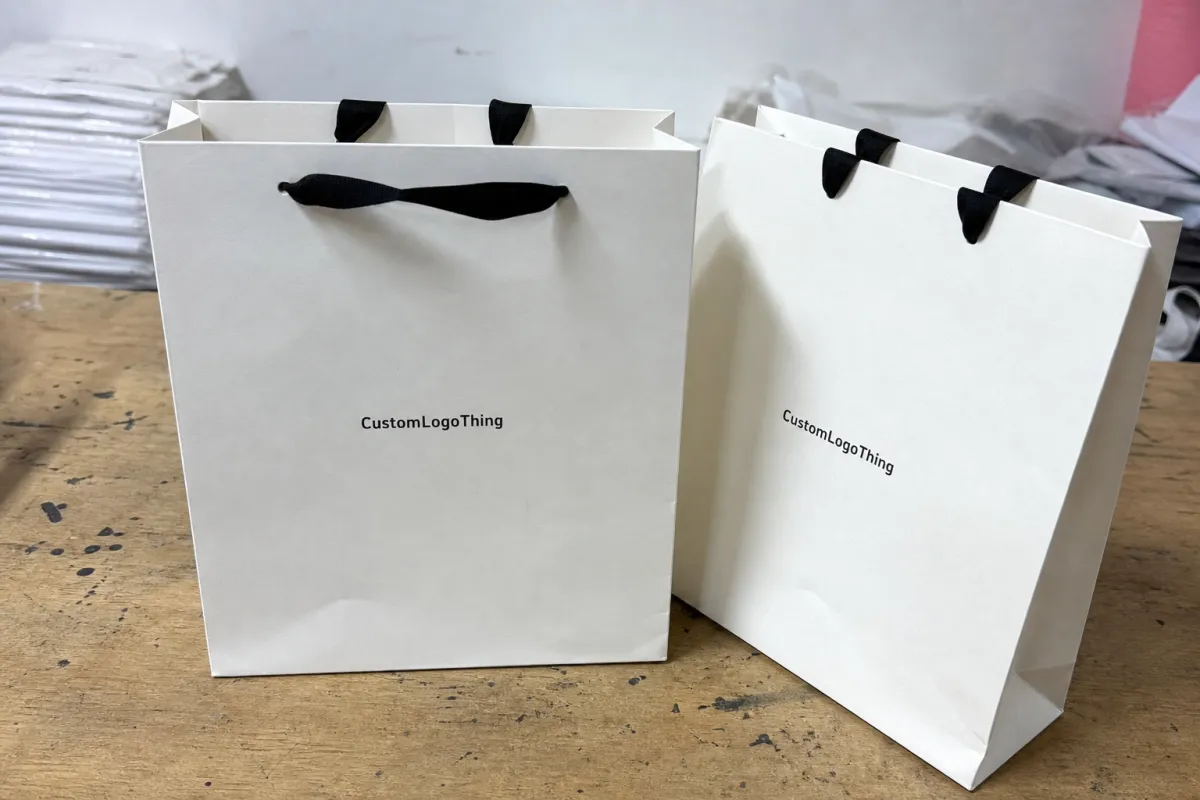
A Soap Brand Paper Shopping Bags Print Proof Checklist sounds more tedious than it is until the first sample comes back looking almost right. Almost right is where budgets go to die. The screen render is bright, the paper absorbs ink differently, the white space shifts, and the logo that felt balanced on a monitor suddenly sits too close to a fold. The bag is not ruined. It is just expensive now.
Soap packaging has a small margin for error. A shopping bag may only give you a narrow printable area once handle holes, gussets, glue flaps, and top folds are accounted for. That means 3-5 mm of drift can move a key element into a crease or make a tagline disappear at the edge. Buyers often catch that only after approval, which is the worst time to discover it.
The checklist is not about making the process slower. It is about preventing avoidable problems: wrong dimensions, color shifts, fuzzy text, missing legal copy, handle placement errors, and finish choices that change the entire feel of the bag. For soap brands, those details affect shelf presence, giftability, and the way the product feels in hand.
In practice, the safest approvals come from treating the proof like a production document, not a marketing visual. That simple shift catches the mistakes that most often trigger reprints.
Proof process and turnaround from file upload to approval
The proof flow is usually straightforward. Artwork is uploaded, the factory checks it against the dieline, a digital proof is issued, and you review, annotate, revise, and approve before printing starts. Straightforward does not mean harmless. Most issues happen because people assume the proof is already final.
Turnaround depends on file quality and how many production variables are still open. A clean digital proof often returns in 1-3 business days. One revision round can add another day or two. If fonts are missing, the dieline is outdated, or the artwork has to be resized to fit the actual bag structure, the process can stretch past a week. A hard proof or sample bag usually adds 3-7 business days, sometimes longer if the paper or handle style is custom.
Ask the questions that affect print output, not just design. Confirm whether the paper stock changed, whether the bag height or gusset changed, and whether the print method stayed the same. Digital printing, offset printing, and flexographic printing do not behave identically. A white kraft base and a natural kraft base will not reproduce the same color, even if the PDF is unchanged.
The most useful proof questions are direct: Is this the final dieline? Are the handles in the right place? Is the barcode still scannable after the artwork shift? Is the inside fold affecting the logo edge? That language prevents rework. Fancy phrasing does not.
Paper, ink, and finish choices that change the final look
Paper choice shapes the final result as much as the design itself. Natural kraft gives the bag warmth and texture, but it mutes bright colors and can make white type disappear unless the printer uses a white underprint or a darker outline. White kraft gives more predictable color and sharper contrast. Coated paper is the most controlled option for detailed artwork or small text, though it can push the bag toward a more polished, less rustic look.
For most soap shopping bags, the common paper weight ranges are practical rather than decorative. Light kraft bags often sit around 120-180 gsm. Printed coated stock usually falls in the 157-210 gsm range. Heavier premium bags or gift-set bags may use 210-250 gsm. If the bag must carry boxed soap, glass packaging, or a bundle of product, the structure needs to be sturdy enough to stay upright and resist corner collapse. A handsome bag that caves in under weight is not premium; it is a complaint waiting to happen.
Ink selection matters just as much. CMYK works for most full-color artwork, but it can vary across paper types. A spot color gives better consistency when the brand depends on one signature shade. If a soap line uses a specific green, blue, or clay tone across cartons, labels, and carrier bags, spot color is often the safer route. Metallic ink, foil stamping, and embossing can add depth, but each one increases setup cost and usually adds another round of proofing.
Finish changes the read of the whole bag. Matte lamination softens contrast and gives a quieter, more tactile feel. Gloss makes color pop, but it also exposes print flaws and can feel louder than intended. Water-based coating, varnish, or aqueous coating can improve scuff resistance during packing and transit. The right finish depends on where the bag will be used: a holiday gift set can justify a richer treatment, while a market bag may be better left simple so the paper texture does the talking.
If sustainability is part of the brand story, ask for FSC-certified paper and keep the certification records with the order file. The standard itself is described at FSC. Claims without documentation tend to age badly, especially when a buyer asks for proof on the next reorder.
Soap brand paper shopping bags pricing, MOQ, and unit cost
Pricing for custom soap bags is never just the bag price. Paper grade, print count, finish, handle style, die cutting, and packing format all move the number. A one-color kraft bag with a simple handle is a different job from a laminated retail bag with multiple inks and ribbon handles. The quote should reflect the production steps, not just the finished object.
Typical cost bands often look like this:
| Option | Typical MOQ | Typical Unit Cost | Best For | Tradeoff |
|---|---|---|---|---|
| Digital proof only | Any order size | $0.00-$0.10 proof fee | Simple layouts and early checks | Color is approximate unless the stock is matched |
| Hard proof / sample bag | Usually 300-1,000+ bags | $80-$180 proof cost | Color-sensitive launches and first runs | Slower, and often not free |
| Small production run | 500-2,000 bags | $0.55-$1.20 per bag | Seasonal drops and local retail tests | Setup costs are spread across fewer units |
| Mid-volume run | 3,000-10,000 bags | $0.18-$0.45 per bag | Regular soap SKUs and wholesale orders | Better pricing, but less room for late changes |
These ranges move with size, structure, and finish. A 5,000-piece order with one-color printing on kraft may sit near the lower end. A laminated multi-color bag with reinforced handles can climb fast. The biggest surprise for first-time buyers is usually setup: plates, cutting dies, handle assembly, and carton packing all show up in the cost structure.
MOQ affects unit cost because the factory’s fixed expenses do not shrink just because the order is smaller. Lower runs carry a heavier share of proofing and setup. That is why a smaller order can cost more per bag even when the design is simple. If the bag is for a short seasonal release, a more modest run may be the smarter choice than forcing a lower-quality compromise into a larger quantity.
Pay for a hard proof when the bag’s color, texture, or finish is part of the buying decision. A digital proof is usually enough when the artwork is straightforward and the structure is already approved. If you are torn, compare the proof cost to the cost of one rejected run. In most cases, the math makes the decision for you.
Step-by-step proof checklist before you approve production
Use the proof checklist in the same order the factory will build the bag. That keeps the review focused on the things that can ruin a production run, not just the details that are easiest to spot on screen.
- Confirm the dimensions. Check width, gusset, and height against the actual bag style, not the mockup scale.
- Check the dieline. Verify the folds, glue zones, and handle placement against the intended construction.
- Review safe margins. Keep logos, borders, and small type away from cuts and fold lines.
- Inspect artwork placement. Centering mistakes become obvious on narrow bags with long logos or multiple text lines.
- Verify every word. Ingredient copy, URLs, QR codes, legal text, and product names should be exact.
- Check color calls. Confirm CMYK or spot color references and make sure they match the brand file.
- Confirm stock and finish. Paper type, gsm, coating, and handle material should all be named clearly.
- Review the pack-out method. Ask whether the bags ship flat, nested, or boxed, since that affects storage and handling.
A good buyer also checks how the bag feels as a branded object, not just as a print job. Does the logo still read at arm’s length? Is there enough contrast on kraft stock? Does the overall look still match the soap line, or does the bag feel disconnected from the rest of the packaging system? If the answer is uncertain, the proof needs another pass.
“If the proof still needs interpretation, do not approve it yet. The factory will interpret it for you, and you may not like the result.”
The checklist is most useful when it lives beside the brand guide and the latest approved file, not in an inbox thread that no one can find two weeks later. One approver, one annotated proof, one final PDF. That structure saves time in a way meetings rarely do.
Common proof mistakes that trigger reprints and delays
The most common mistake is assuming a screen mockup predicts the printed result. It does not. Kraft darkens white areas, coated stock sharpens detail, and uncoated board softens fine type. That is not a defect in the printer; it is the material doing exactly what material does.
Another problem is ignoring the dieline. People zoom in on the logo and miss the fold line cutting through a tagline. Or they approve a handle position that looks centered on screen but sits too close to the top seal once the bag is built. A 5 mm shift sounds small until it changes the whole face of the bag.
Version control causes its own damage. One person updates the barcode, another tweaks the product name, and the factory prints the older PDF because the final file was never clearly labeled. The fix is blunt and effective: one filename, one approval chain, one final email. That is boring. It also works.
Color is another trap. A bright brand green can come back deeper and warmer on natural kraft than the proof suggested. White areas can disappear into the paper if the design relies too heavily on a light base. If the goal is stronger color consistency, a white stock or printed underlayer usually performs better than hoping kraft will behave like coated paper.
The last mistake is forgetting the bag’s real job. A soap bag has to travel, carry weight, and survive handling long enough to reach the customer in decent shape. If the design looks delicate, shoppers feel that fragility even before they open it.
Expert tips for cleaner approvals and better-looking bags
Ask for a proof on the same stock whenever color or finish matters. A generic PDF is useful for layout, but it cannot tell you how the ink will sit on kraft texture or how the coating will change the depth of the logo. Matched-stock proofing catches those issues early.
Use brand swatches, not memory. Memory is how teams approve “the right blue” and then argue over a run because nobody is looking at the same reference. Attach a short spec sheet with Pantone, CMYK, or spot color callouts. Keep the instructions tight. Factories read tight instructions more reliably than long explanations.
Give one person final approval authority. If marketing, operations, sales, and ownership all comment independently, the proof can drift for days. The file becomes a compromise instead of a decision. Most print problems are not design problems; they are approval problems.
Check the proof under real lighting. Store lights, warehouse lights, and daylight all shift how the bag reads. A matte finish that looks restrained in a studio can look flat under low retail lighting. Gloss can do the opposite and feel brighter than the brand intended. The bag should be judged where the customer sees it, not only on a monitor.
For e-commerce inserts or subscription boxes, ask how the bags will hold up in transit. If the order will spend time in cartons, the shipping standard from ISTA is worth reviewing. The bag may be the visible piece, but the shipping format decides whether it arrives clean, flat, and usable.
Not every order needs the most elaborate version. A market test bag can be acceptable even if it is not the final flagship package. The useful question is whether the proof supports the actual sales channel. That is a buying decision, not a moral one.
What to do next before you sign off the order
Before approval, export the final artwork as a clean PDF, mark every correction directly on the proof, and confirm the factory is using the latest file. Save the approved proof, paper spec, finish notes, and color references in one folder. Reorders move much faster when the next person can find the exact version without digging through email threads.
It also helps to keep a short internal checklist for future runs. That turns the Soap Brand Paper Shopping Bags print proof checklist into a repeatable process instead of a one-time scramble. Repeats get cheaper when the same mistakes do not keep coming back.
The payoff is simple: fewer surprises, fewer reprints, and a bag that does its job without fighting the product. If the proof is disciplined, the print usually follows. If it is rushed, the factory will print the assumptions just as neatly as the artwork.
What should I check first on a soap brand paper shopping bags print proof?
Start with the dimensions, logo placement, and fold lines. Those are the hardest mistakes to correct after approval. Then verify the paper stock, finish, and color reference so the proof matches the actual bag rather than the screen version.
How do I know if kraft paper will change my logo colors?
Kraft usually warms whites and mutes bright colors, so artwork often prints softer than expected. If color matters, ask for a stock-matched sample or a proof on the exact paper before you approve production.
What file format works best for custom soap bag proofs?
A vector PDF is usually the safest choice because it keeps text sharp and preserves dieline placement. Fonts should be outlined, images should be high resolution, and any spot colors should be labeled clearly.
How many proof rounds are normal before approval?
One to two rounds is normal when the bag spec is already locked and the files are complete. More rounds usually mean the artwork, measurements, or color expectations were not settled early enough.
Can a lower MOQ raise the unit cost on paper shopping bags?
Yes. Smaller quantities spread setup, printing, and proofing costs across fewer bags, which pushes the unit price up. If you need a lower MOQ, compare the quote against the value of extra inventory and keep the proof checklist in place so the smaller run still prints cleanly.


