Most expensive mailer mistakes are not made on press. They happen when somebody waves through a proof because the mockup looked nice and the brand team was tired. A solid soap brand poly mailers Print Proof Checklist keeps that from turning into a customer service mess, a barcode failure, or a pallet of bags that looks “close enough” in the warehouse and wrong everywhere else.
Soap brands have a few extra landmines. A wrong return address, a scent note that disappears under glare, a claim that becomes unreadable once the bag folds, or a logo shoved into the seal area can all turn into avoidable noise. Buyers do not need prettier art. They need a proof that tells the truth about layout, legibility, color, and the actual bag structure.
“A pretty mockup sells the idea. A production proof prevents regret.”
Soap Brand Poly Mailers Print Proof Checklist: What to Catch First
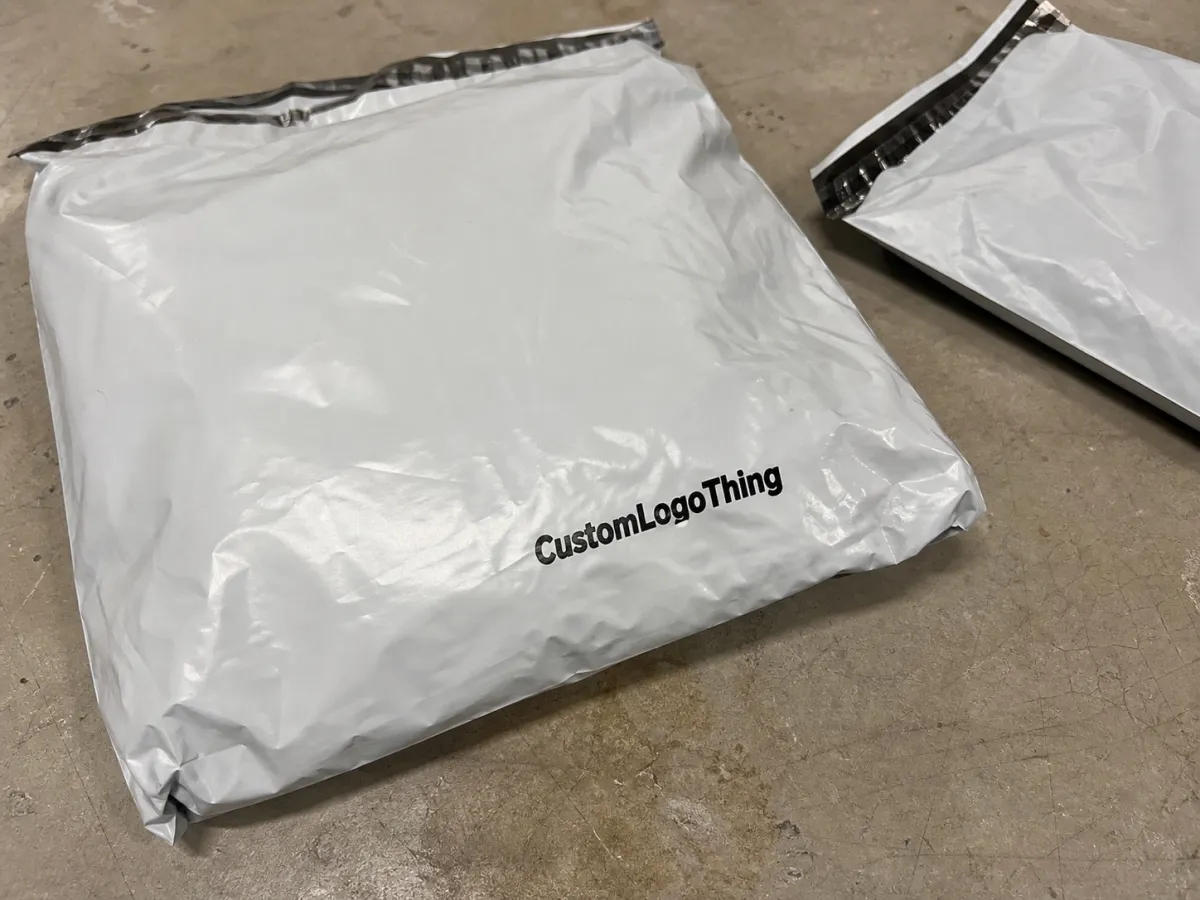
Start with the uncomfortable part: the most expensive errors are usually obvious if you slow down for ten seconds. The proof should show the full layout, the panel placement, the seal area, the flap or zipper area if your mailer uses one, and every line of shipping copy that has to stay readable after the bag is folded, stacked, and handled by a carrier who does not care about your launch calendar.
A buyer should review the proof like a buyer, not like a designer chasing vibes. That means measuring the art against the dieline, checking where the logo lands relative to edges and seams, and confirming that the return address, website, product claims, and any handling instructions still read cleanly at a glance. If the proof is only a handsome render, it is not enough.
For soap shipping, the practical stakes are simple. A mailer with a misprinted scent name can confuse repeat buyers. A faint barcode slows receiving. A tiny warning line can vanish on a glossy surface and create a pointless support ticket. That is why the soap brand Poly Mailers Print Proof Checklist should be built around legibility, placement, and production reality, not brand mood boards.
One more thing buyers get wrong: they treat the proof like a final ad. It is not. It is a manufacturing document with just enough visuals to verify what will be printed, where it will sit, and how it will survive folding, sealing, shipping, and handling. If the proof does not show those things, ask for a revision before anyone approves it.
Artwork Setup That Survives Print Proof Review
If the files are messy, the proof will be messy. Before proofing, the supplier should have editable artwork, outlined fonts, linked images, the dieline, and a clear version history. That sounds basic because it is basic. Yet this is exactly where projects slip when someone sends a compressed JPEG and hopes the printer “fixes it.” That is not a strategy. That is a gamble.
Bleed and safe zones matter more on poly mailers than people expect. Seams, folds, adhesive strips, and dead zones can eat into art very quickly. Keep important text away from edges, and do not place a barcode or small claim where the seal, edge weld, or gusset can distort it. On many mailers, 3 mm to 5 mm of bleed is a reasonable starting point, but the actual dieline should always win.
Color handling deserves a blunt reminder: screens lie. A brand can love a pale sage on a laptop and end up with something washed out once it hits film. Ask the proof to specify whether the job is being handled with CMYK, spot color, or a mix. For mailers, flexographic printing is common on larger runs, while digital printing is often used for smaller quantities or faster testing. If a companion insert uses offset printing, keep that palette aligned too.
Soap packaging also has a few common traps:
- Thin type that breaks up on reflective film.
- Low-contrast copy that disappears when viewed in warehouse light.
- Reversed logos that look crisp on a screen and muddy in production.
- Tiny claims or ingredient notes that nobody can read once the bag is moving.
- Barcodes or QR codes placed too close to folds or edges.
And yes, test the scan data before you approve it. A QR code that opens the right page in a mockup file and fails on a real print run is just an expensive rectangle. If the supplier cannot confirm scanability, ask for a revised proof or a physical sample.
For broader print and packaging references, the trade resources at the Packaging Industry Association are useful when you want to sanity-check material or print conversations without getting lost in marketing copy.
Material, Finish, and Barrier Choices That Change the Proof
Material changes the proof. It sounds obvious until someone approves a bright white design on a cloudy opaque film and wonders why the final bag looks softer than the render. Poly mailers typically come in a range of film thicknesses, often around 2.5 mil to 4 mil for consumer shipping use, and that thickness affects both feel and print appearance. Thicker film can look flatter, feel sturdier, and hide the artwork a little differently than a lighter bag.
Finish matters just as much. Matte film usually lowers glare and can make text easier to read. Gloss makes color feel richer, but it can also deepen dark artwork and make small type harder to read under store lights or at a packing bench. Frosted or semi-transparent films create a different look entirely, and they demand stronger contrast because soft-toned graphics tend to disappear.
Then there is the base color. White, opaque, and clear bases each behave differently. White usually gives better color pop. Clear or translucent film can make the artwork feel lighter but may expose what is inside, which is not always the brand image you want for soap orders. If the design relies on pale pastel tones, ask for a proof that shows how those tones sit on the actual film, not just on a white screen.
Functional details deserve proof review too:
- Tamper evidence: confirm where the closure strip or tear line sits.
- Tear resistance: verify the film will survive handling without splitting early.
- Seal room: make sure the artwork stays clear of the adhesive edge.
- Gusset or expansion area: confirm extra volume does not distort the print.
- Barrier choice: check whether the bag is only for shipping or also needs moisture protection.
For sustainability claims, be careful and specific. Do not print recycled-content percentages, compostability claims, or FSC language unless the supplier can support them with documentation. If the job uses paper-based components or inserts, FSC certification may be relevant; if not, do not force the claim because it sounds nice. Buyers who handle packaging daily know the difference between a legitimate attribute and a marketing fog machine.
For transit durability questions, it helps to know whether the package has been tested against recognized distribution methods. The methods described by ISTA are a good reference point when you want to ask smarter questions about shipping abuse, vibration, drop testing, and compression. Not every mailer needs formal testing, but every mailer should be chosen with shipping reality in mind.
Pricing, MOQ, and Unit Cost Tradeoffs
Pricing for Custom Poly Mailers is mostly a conversation about setup, film choice, print coverage, and quantity. If your artwork uses multiple colors, a full-coverage design, or a specialty finish, expect the quote to rise. If the mailer is custom-sized, the quote usually rises again. That is not a conspiracy. It is what happens when production has to do more work for fewer units.
MOQ changes the math fast. A small test order of 500 to 1,000 pieces can land in a much higher unit-cost range than a 5,000-piece run because setup costs are spread over fewer bags. In practice, a simple branded mailer might land around $0.40 to $0.90 per unit at lower quantities, while larger orders in the 5,000 to 10,000 range can often fall closer to $0.18 to $0.35 per unit, depending on film, print coverage, and whether the supplier is using digital printing or flexographic printing.
Proof-related costs should be separated clearly. A digital proof may be free or included. A printed sample might add $35 to $120. A full physical pre-production sample can run $75 to $250 or more, especially if there is custom sizing, specialty color matching, or extra shipping. If the quote blends all of that into one line item, ask for a breakdown. Buyers need to know what they are paying for and what they are gambling on.
| Proof Option | Typical Cost | Turnaround | Best Use | Main Risk |
|---|---|---|---|---|
| Digital PDF proof | $0 to $25 | 1 to 3 business days | Fast layout review and copy checking | Color and finish do not match the final bag exactly |
| Printed sample | $35 to $120 | 3 to 7 business days | Checking readability, finish, and general look | May still differ from production settings |
| Physical pre-production sample | $75 to $250+ | 5 to 10 business days | Final approval for new art or new bag size | Adds time before the production slot opens |
Do not ignore shipping, tax, and rush charges. A quote that looks cheap on paper can become expensive at the dock once freight gets added. That is especially true if you are comparing suppliers with different minimums or different fulfillment locations. If you are also buying other packaging items, it can make sense to bundle through Custom Packaging Products instead of splitting the order across too many vendors.
Process and Lead Time: From Mockup to Approved Sample
A clean proof process usually follows the same sequence: brief, art submission, preflight review, first proof, revision round, sample approval, and then production slot booking. When that sequence gets compressed, mistakes multiply. When it is followed with discipline, the order moves much faster than people expect.
Typical lead times vary by method. A digital proof might come back in 1 to 3 business days. A printed sample can take 3 to 7 business days. A production run often needs 12 to 15 business days after final approval, though that can stretch if the line is busy, the print is complex, or the packaging needs a special film. None of those variables care that your launch is next Friday.
The right proof method depends on what you need to verify. Digital proofing works when the artwork is already clean and the main concern is layout or text accuracy. A physical sample is worth the time when you need to judge gloss, opacity, tactile feel, or how the bag behaves once it is sealed. If the mailer has a special closure or a tricky panel layout, a sample can save a lot of second-guessing.
Approval delays are sneaky. One extra revision round may seem harmless, but it can push the job into the next production batch and add several calendar days. Then shipping adds more time. Then the launch team asks why the inventory is not ready. You know the rest.
Lock these details early:
- Final copy and product claims.
- Exact packaging dimensions.
- Shipping address and return address.
- Approval deadline and who has sign-off authority.
- Whether the run needs digital printing, flexographic printing, or a different print method for companion materials.
If you want examples of how teams handle this without drama, the project pages in Case Studies are useful because they show how packaging approvals usually move once the file setup is clean and everyone stops improvising.
One more practical check: if your soap brand has a launch date tied to retail, subscription shipping, or a seasonal drop, build at least a small buffer into the schedule. A proof that arrives late is still late, even if the artwork is beautiful.
Step-by-Step Proof Review Before You Approve
Here is the order I recommend for a real review. Not a hopeful glance. A real one.
- Read every line of text first.
- Check the dieline, measurements, and safe zones.
- Confirm the logo, brand name, and scent name sit in the right place.
- Review color notes, print method, and finish callouts.
- Verify the barcode, QR code, and any tracking information.
- Check the seal area, adhesive strip, flap, or zipper footprint.
- Confirm the return address, website, and customer-facing claims.
- Look at the bag as a shipped product, not just a flat artwork file.
A good trick is to print the proof at 100 percent and tape it onto a box or flat surface that roughly matches the mailer size. That gives you a much better sense of how the artwork behaves when the package is folded or handled. If the type feels too close to the edge on paper, it will feel worse on the real bag. If the contrast looks weak on a printer, it will not magically improve on film.
Barcode and QR testing should happen before approval, not after production. Scan them on a phone and confirm where they land. Check whether the code still reads when the bag is slightly curved, and make sure the contrast is strong enough for a moving hand-held scan. Small codes can fail because they are too tiny, too low contrast, or too close to a seam.
Write every change request in one place. One PDF. One email. One clear approval note. Scattered comments from three people create confusion fast, and printers are not mind readers. If something matters, spell it out once and make it easy to follow.
Also, compare the proof against the actual soap box, label, or sleeve if you already have the rest of the line approved. Brand identity falls apart when the mailer feels like it belongs to a different company. The unboxing experience gets better when every surface speaks the same visual language.
Common Mistakes Soap Brands Make on Poly Mailers
The biggest mistake is approving color from a monitor. Monitors are useful, but they are not press checks. Glossy films make dark artwork look deeper. Matte films mute contrast. Opaque white can brighten color. Clear film can lower impact. If the proof does not mention finish, you are not reviewing the final visual accurately.
Another common miss is sizing. A design can look clean on a flat mockup and still fail once the seam, flap, perforation, or gusset cuts into the layout. That is why the dieline matters so much. A graphic that is centered in a software file is not automatically centered on the real bag.
Small type is the quiet killer. Promotional copy, care instructions, and short claims often get set too small because they look elegant on screen. Then the mailer arrives, the bag reflects light, and suddenly nobody can read the line that was supposed to do the selling. For shipping packaging, smaller is not better. Readable is better.
Brand inconsistency is another easy way to make a custom mailer feel off. If the proof does not match the soap box, label, or web palette, the whole presentation feels stitched together. Not in a charming handmade way. In a “who approved this?” way.
Finally, weak internal review causes chaos. If no one signs off on copy, claims, and dimensions before sending the proof back, the printer gets a pile of conflicting comments and the order stalls. A clean proof workflow only works when one person owns the final yes or no.
Next Steps for a Clean Reprint or First Order
If you are reordering, gather the final artwork, dieline, and shipping specs before asking for the next proof. Better inputs mean fewer revision loops. If you are starting fresh, ask for a side-by-side quote at two or three quantity tiers so you can see where the unit cost actually settles. That is often the fastest way to figure out whether a test order or a full run makes more sense for cash flow.
Create a one-page approval sheet with these items: color, size, barcode, finish, quantity, and production method. It reduces back-and-forth and gives everyone the same reference. If the supplier offers different options for a new run, compare the proof against the final bag and not against the prettier mockup file. The real mailer is the only thing that matters.
For brands expanding beyond one SKU, it helps to keep your packaging decisions tied together. One soap line, one color system, one proof file logic. That makes reorders easier and keeps the brand identity from wandering every time someone in the office changes a font size.
Ask for the production window, sample method, and shipping date in writing. Do not rely on a nice phone call and a vague promise. Then review the proof, mark corrections once, and approve only when the layout matches the real mailer. Keep the Soap Brand Poly Mailers print proof checklist beside every reorder, because the cheapest mistake is the one you catch before the press starts moving.
What should a soap brand check on a poly mailers print proof first?
Check the copy, barcode, and return address before anything decorative. Then confirm the dieline, seal area, and safe zone so no important art gets cut off. Finish by checking whether the background and finish still support readable text under normal lighting.
How many proof rounds do soap brand poly mailers usually need?
Most simple jobs need one or two rounds if the artwork is already clean. New sizing, QR codes, or claim-heavy layouts can add another revision cycle. Each extra round adds time, so consolidate feedback before sending it back.
Does finish affect the print proof on soap poly mailers?
Yes. Matte, gloss, and frosted films all change contrast and color depth. Dark artwork can feel richer on gloss and flatter on matte or opaque films. The proof should state the finish clearly so you are not guessing at the final look.
Why is unit cost higher on small soap mailer orders?
Setup work gets spread across fewer bags, so the per-piece price climbs. Special colors, thick film, custom sizing, and extra proofing also raise the quote. Larger quantities usually improve pricing, but only if you can actually use the inventory.
What if the proof color does not match my soap packaging?
Ask for a revised proof with color notes or request a physical sample if needed. Compare the mailer proof against the soap box or label under the same light. Do not approve a mismatch hoping it will magically fix itself in production.
How do I avoid approving the wrong mailer layout?
Use the Soap Brand Poly Mailers print proof checklist, compare the proof against the dieline, and make sure every comment is resolved in one clean approval round. That is the easiest way to avoid a reprint you will hate paying for.

