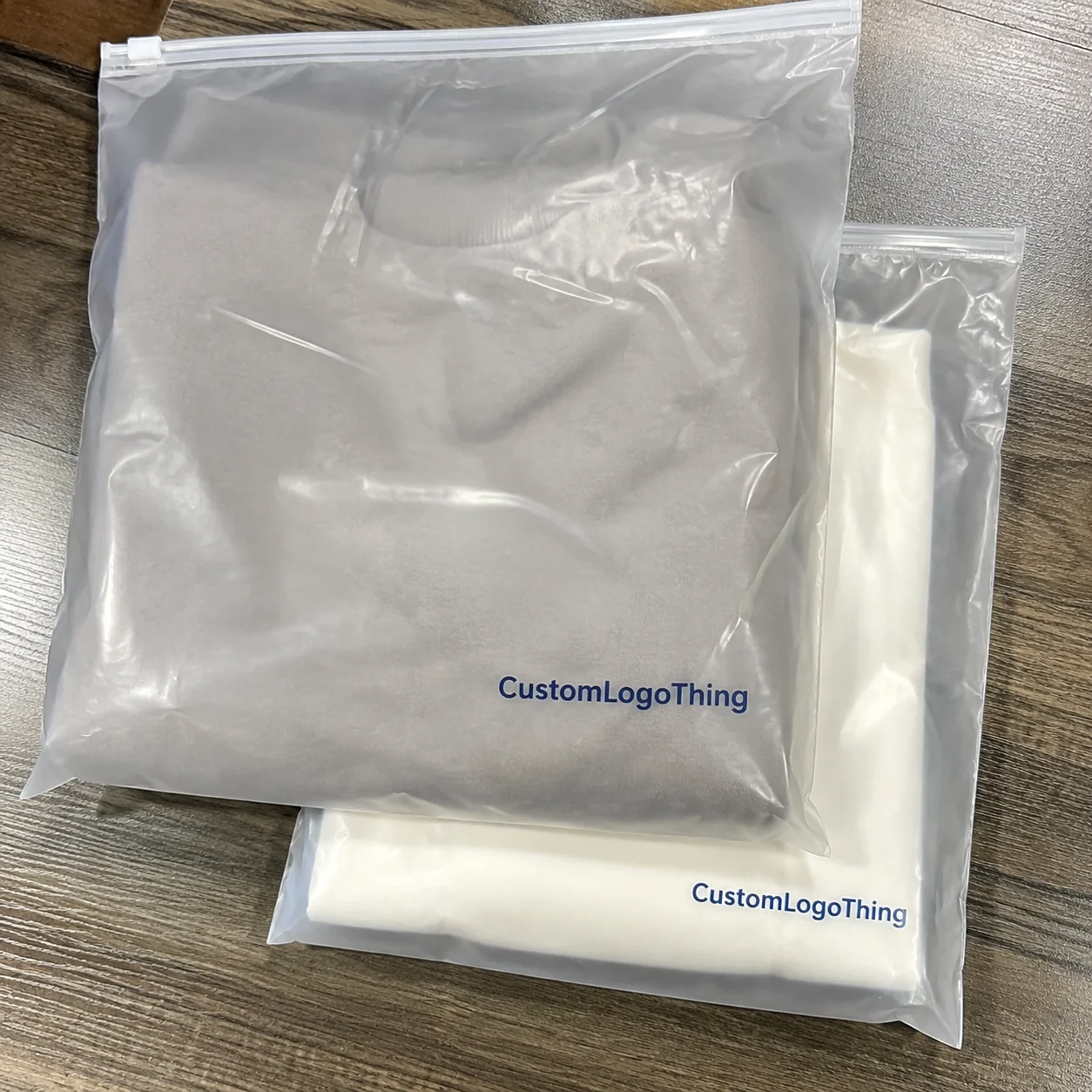
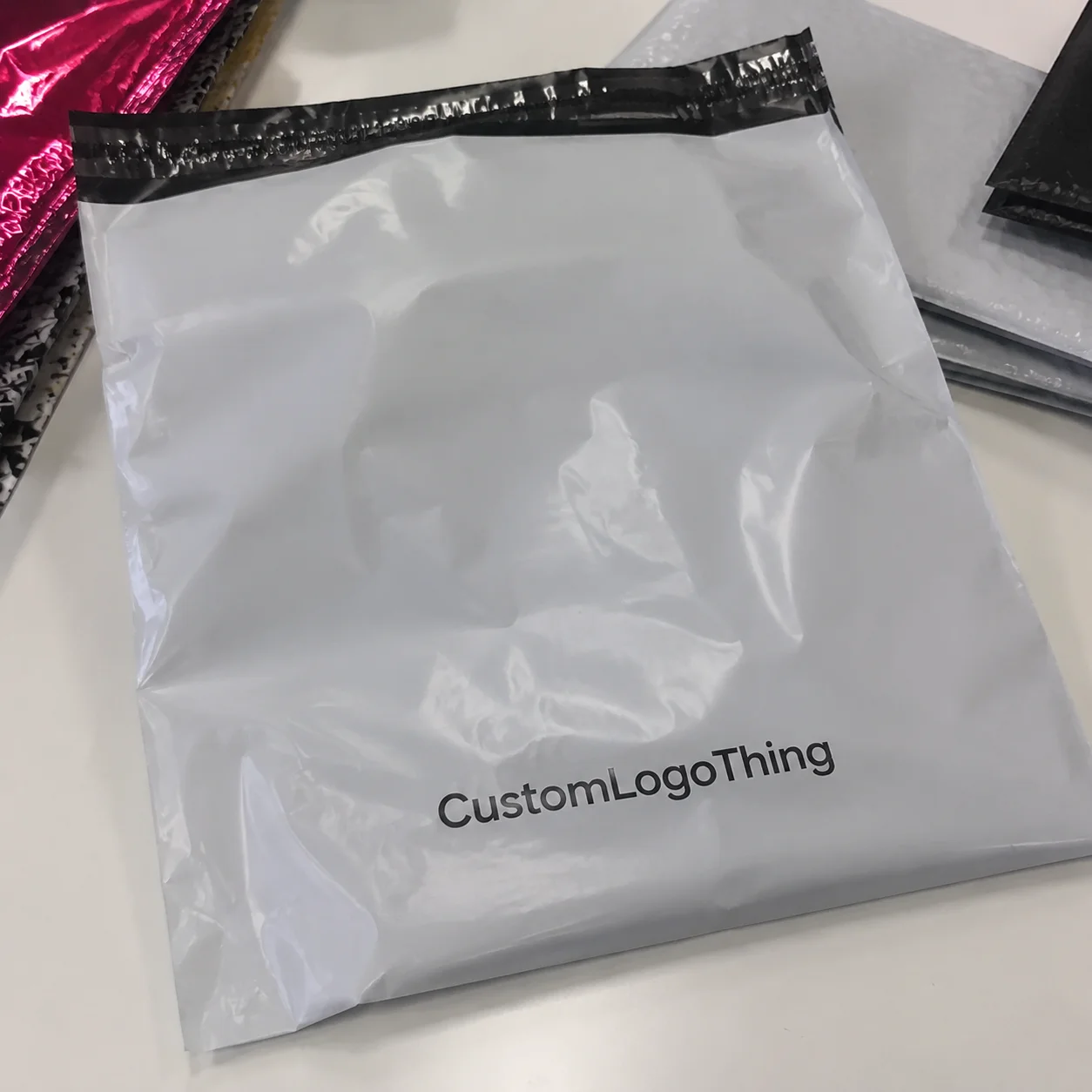
Pet Treat Poly Mailers Print Proof Checklist for Buyers matters because packaging failures rarely start with a dramatic mistake. They usually begin with something small: a barcode that sits too close to a seam, a warning line that drops into the trim area, a brand color that looked right on a monitor but prints flatter on film. A careful pet treat poly mailers Print Proof Checklist keeps the review grounded in the details that affect the finished mailer, not just the look of the artwork file.
Pet treat packaging has a narrow margin for error. The front panel has to read quickly on a shelf or in an e-commerce photo, the back panel has to carry ingredient and handling copy clearly, and the whole structure still has to hold up to filling, sealing, shipping, and retail handling. That combination makes proofing more than a design step. It is the point where the artwork, the material, and the production plan either line up or expose a problem that would cost more to fix later.
What a proof actually catches before pet treats hit shelves
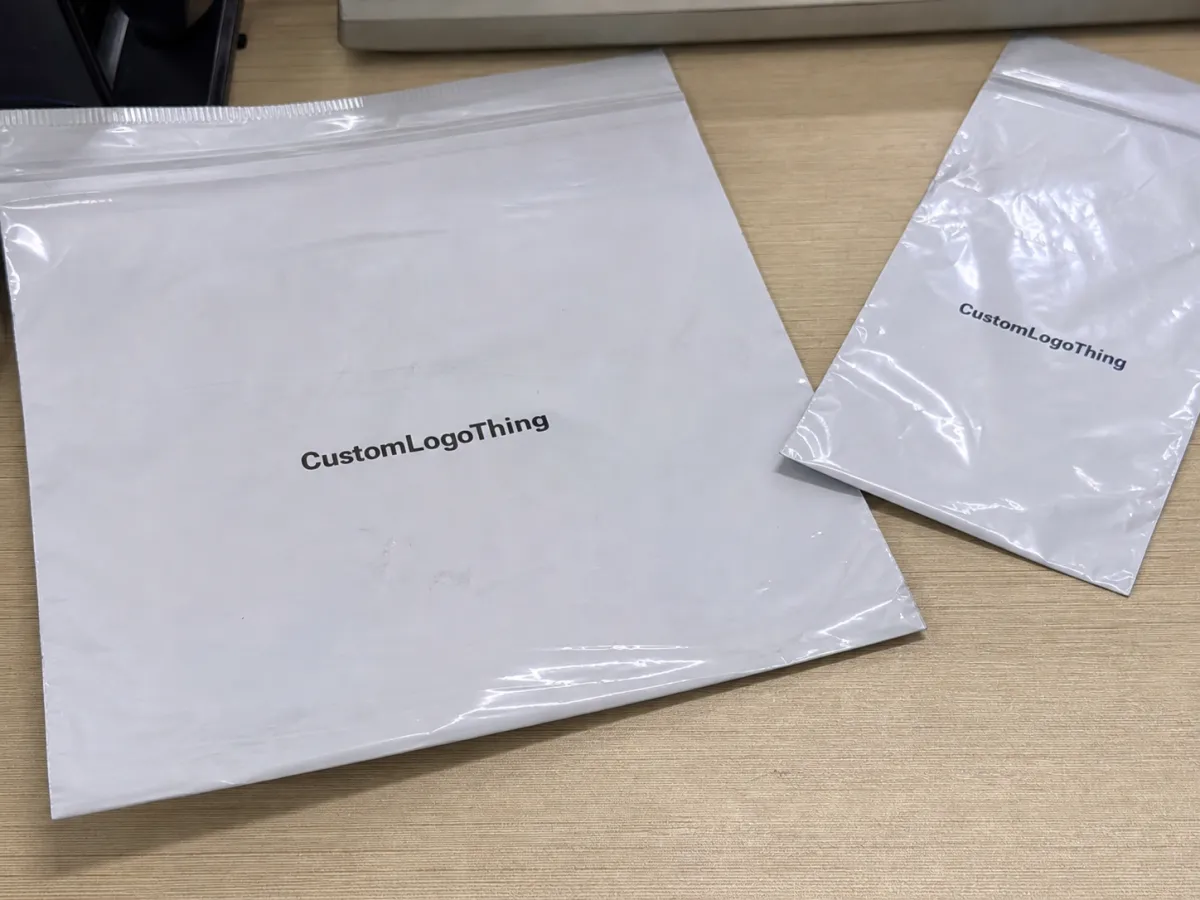
A proof catches the issues that are easy to miss in layout software and expensive to correct once the run starts. A seam allowance can swallow a line of copy. A zipper panel or tear notch can push the live image area inward. A footer of legal text can sit perfectly on screen and still become hard to read once it lands on printed film. That is where a Pet Treat Poly Mailers print proof checklist pays for itself: it forces the team to compare the artwork against the real structure, not against a polished mockup.
For pet treats, the pressure is even tighter because the packaging usually has to do several jobs at once. It needs appetite appeal, clear product naming, ingredients, weight statements, handling instructions, and shelf impact, all inside a compact format. Buyers often spend time refining the main graphic and then discover the real risk is a small compliance line that sat too low or a barcode that was never given enough quiet space. The artwork may be attractive. The layout still may not work.
The least expensive proof is the one that catches a seam mistake before ink ever touches film.
The proof is also the first honest look at how the package will read from a normal viewing distance. On a screen, weak contrast can hide in plain sight. On printed film, it shows up fast. If the product name disappears into the background, if a warning line is too thin, or if the back panel feels crowded, the proof gives the buyer a chance to fix it before press time is booked and materials are allocated.
That is why a disciplined pet treat Poly Mailers Print Proof Checklist is more than an internal form. It is a practical tool for aligning marketing, compliance, and production around the same file, the same size, and the same expectations.
Print proof process and turnaround for pet treat poly mailers
The proof sequence is usually straightforward. Artwork is submitted, prepress checks the file against the dieline, a digital proof or press-ready proof is issued, comments come back, revisions are made if needed, and final approval is recorded. Once that approval is locked, the job moves toward material allocation, printing, sealing, inspection, and packing. It sounds simple on paper. In practice, the speed depends on how clean the file is and how quickly the buyer responds with specific corrections.
Turnaround varies by proof type. A digital proof can often be turned around in one to two business days if the file is organized and no major cleanup is needed. A press-ready PDF may take a little longer if the prepress team has to verify panel spacing, barcode placement, overprint settings, and bleeds. A physical sample takes the most time because it has to be produced, packed, shipped, and reviewed in hand. For short-run work or SKUs that change often, digital printing can shorten the approval path. For larger volumes, flexographic printing can be more efficient once the artwork is stable and the plates are approved.
| Proof type | Best use | Typical turnaround | Typical cost range |
|---|---|---|---|
| Digital proof file | Copy, layout, panel placement, barcode review | 1-2 business days | Often included, or $0-$25 |
| Press-ready PDF proof | Final prepress sign-off before plates or print output | 1-3 business days | Usually bundled with prepress work |
| Physical sample | Color feel, material feel, shelf review | Several business days plus freight | Commonly $50-$200 before shipping |
Those ranges are broad because proof pricing depends on art complexity, the number of revisions, and whether the file needs cleanup before it can be reviewed. A simple single-color layout is easier to proof than a full-coverage design with tight copy, multiple spot elements, or several SKUs that must stay visually consistent. A useful Pet Treat Poly Mailers print proof checklist makes the proof type clear before anyone assumes the wrong turnaround or cost.
That same checklist should also define where proofing ends and production begins. Once a file is approved, changes can affect lead time, setup costs, and the production queue. If the buyer is still comparing structures, the details on Custom Poly Mailers can help clarify the build, while Custom Packaging Products gives a wider view of related packaging formats.
Pet treat poly mailers print proof checklist: cost, MOQ, and quote factors
Pricing starts with the basics, but the quote usually moves once the practical details are counted. Bag size matters. So do print coverage, number of colors, film structure, finish, and whether the design needs extra prepress work. A small one-color mailer is a different job from a full-coverage design with fine type, rich black backgrounds, and a second artwork version for a different flavor or formula.
Material choice influences both the quote and the proof conversation. Many printed poly mailers use coex polyethylene film in the 2.5 to 4 mil range, although the exact gauge depends on the package size and shipping weight. A thicker film can improve puncture resistance, but it also changes the feel and sometimes the print behavior. White film gives the most predictable color base. Clear or tinted film can make brand colors drift unless the artwork and ink build are planned for that substrate from the beginning.
MOQ changes the math as well. Smaller orders tend to carry a higher unit cost because setup, proofing, and production prep are spread across fewer pieces. Digital printing can make sense for shorter runs, frequent artwork changes, or product launches that still need flexibility. Flexographic printing usually becomes more attractive once volume rises and the design is stable. A good pet treat poly mailers print proof checklist should confirm whether the quoted price includes one proof round, whether revision time is covered, and whether sample freight is included or billed separately.
Before approving any quote, I would want these questions answered plainly:
- How many proof rounds are included before additional charges begin?
- Is artwork cleanup or dieline correction included as part of prepress work?
- Does the price assume CMYK only, or are spot colors and white ink involved?
- Will the chosen finish, film, or print method change the unit cost?
- Are freight, sample shipping, and packing for the proof already included?
That last point causes more confusion than it should. A low unit price can look attractive until freight, a second proof, or a file correction is added. The better comparison is the cost of an approved, production-ready bag, not just the printed bag on a quote sheet. That is where a practical pet treat poly mailers print proof checklist helps buyers compare offers on equal terms.
If the design needs white ink underlay, heavy ink coverage, or a special closure detail, those assumptions should be stated up front. They change yield, ink usage, setup time, and sometimes the number of meters or rolls needed to complete the run. A quote that tells the truth is more useful than one that hides the cost drivers until the proof stage is already finished.
Artwork, dieline, and seal-panel checks before approval
Start with the dieline and the actual bag dimensions. Confirm width, height, bleed, safe zones, seal areas, and any non-print zones tied to the closure or bottom seal. If an important element sits near a seam, fold, zipper, or tear notch, move it before approval. The front panel should carry the product story cleanly, and the back panel should hold the practical information without feeling crowded. That is the first pass in any strong pet treat poly mailers print proof checklist.
After the structure is confirmed, read the copy the way a compliance reviewer would. Check spelling, ingredient statements, warning language, contact details, net weight, and any claims that need support. Small type is where problems hide. A font that looks crisp in a PDF can become hard to read once it is printed on film, especially if the background is busy or the ink density is lighter than expected.
Then check color against the substrate, not just against the monitor. A proof on white film will behave differently from a proof on clear, metallized, or tinted material. If the brand uses cartons, inserts, or labels printed in another process, compare the mailer to that broader system so the packaging does not drift away from the rest of the shelf set. If the file is built in CMYK only, be realistic about how close it can get to a strong brand red or a deep blue without a spot color build.
Machine-readable elements deserve their own pass. Barcodes need quiet zones. QR codes need clear contrast and enough space around them. Lot-code and expiration-date areas need to be placed where the filling or packing line can print or stamp them without colliding with graphics. For shipping-heavy products, review the package against transit stress as well; standards such as ISTA testing standards are useful when distribution risk is part of the packaging decision. For broader flexible packaging terminology, packaging.org is a useful reference.
Common proof mistakes that trigger reprints or delays
The most common mistake is approving a proof without checking the actual bag measurements. It sounds basic, but it happens often. A logo that looks centered on a screen can sit too close to a seal on the real mailer, or a legal line can land below the usable print window. Once that approval is locked, the fix is no longer a small edit. It becomes a schedule and cost conversation.
Color expectations create the next round of trouble. Buyers sometimes expect a screen render to match finished film exactly, but printed packaging does not work that way. Substrate, ink, and finish all change the result. A gloss finish will read differently from matte. White film will hold color differently from clear film. Digital proofing and flexographic production also have their own color behavior. A useful pet treat poly mailers print proof checklist should push the review toward the real output method, not toward guesswork.
Version control is another source of avoidable delays. A prior logo file, an outdated ingredient panel, or the wrong SKU number can slip into a proof if the file naming is loose and several people are editing at once. The practical fix is boring but effective: name files clearly, track revisions, and assign one person to own the final approval. Missing notes from earlier review rounds can also cause confusion later, especially if marketing wants a copy change after prepress has already moved on.
If more than one person is reviewing the proof, somebody has to own the final yes.
Rushed reviews tend to miss barcode readability, finish choice, and special handling notes. Those details are not glamorous, but they matter on the production floor. If the proof is approved while legal is still debating wording, or while operations is still checking fill-line compatibility, the production team inherits the confusion. A slower, cleaner approval process usually saves time once the order reaches the floor.
Expert tips for tighter color control on flexible packaging
If color matters, give the printer a real target. Pantone references help. Approved samples help more. A previous production run is often the best reference because it came off actual equipment, on actual film, under actual production limits. That is one of the most reliable ways to sharpen a pet treat poly mailers print proof checklist before the job moves forward.
Film and finish should be set early. Gloss, matte, and soft-touch effects all change the way color reads, even before print is considered. The substrate is part of the color system. If the mailer uses a white base, say so. If the design includes a white underlay, a heavy black field, or a spot color that needs to stay vivid, note that early. A design built for offset cartons may need a different expectation on flexible packaging, even if the brand family is supposed to feel consistent across every SKU.
Proof review works best when the right people are in the room at the same time. Marketing sees the shelf story. Compliance sees the wording. Operations sees whether the package can actually run on the line. Reviewing in parallel avoids a chain of approvals that later has to be unwound. If shelf color, transparency, or tactile feel is critical, ask for a physical sample instead of relying on a screen alone. Digital proofs are efficient, but they cannot fully show how a finish or film behaves in hand.
A few production-floor habits make color control easier. Request a color bar if the print method supports it. Check proofs under neutral lighting rather than warm office lighting. Keep one approved master sample on file. And do not expect a film package to match a paper carton perfectly; the materials behave differently, which means the color target has to be adjusted with some realism. The cleanest runs usually come from files that are simple, well-labeled, and approved against the right standard, not from files that try to solve every visual problem at once.
Next steps after proof approval and before production starts
Once the proof is approved, save the final file, record the date, and keep a clean revision trail. That record matters if anyone later needs to confirm what changed, when it changed, and who approved it. A solid pet treat poly mailers print proof checklist does not stop at the approval line; it carries through to production control.
Then confirm the commercial basics. Final quantity, ship-to address, launch timing, payment status, and compliance wording should all be locked before the job starts moving. This is also the moment to make sure production has the final artwork, not a draft that still lives in someone’s inbox. If a pre-production call is available, use it to confirm whether material allocation, sealing windows, inspection steps, or batch coding will affect the schedule.
The receiving plan should be just as organized. The first cartons or master bags should be checked against the approved proof as soon as they arrive. A mismatch caught on day one is much easier to handle than one discovered after the packaging has already reached the filling line. For teams comparing structure options or planning a larger rollout, it helps to review the selected format against the broader line of Custom Poly Mailers and, if needed, the full range of Custom Packaging Products.
The cleanest launches usually come from simple habits: review the proof slowly, confirm every panel, lock the file, and keep the handoff organized. That is how a pet treat poly mailers print proof checklist protects margin, shortens troubleshooting, and keeps production from stalling on a mistake that should have been visible long before the first run.
What should a pet treat poly mailers proof checklist include?
It should cover artwork placement, panel orientation, bleed, safe zones, seal clearance, ingredient copy, warnings, barcodes, QR codes, and any area reserved for lot coding or expiration dates. Color references, film type, finish, and proof type should also be confirmed before approval.
How long does the proof process usually take for custom pet treat mailers?
A clean digital proof is often ready in one to two business days. Revisions, artwork cleanup, or dieline correction can extend that timeline. Physical samples take longer because they need separate production and freight time, so they are better reserved for color-sensitive launches or shelf-critical packaging.
What affects pricing when reviewing a proof for pet treat poly mailers?
Price is usually driven by size, number of colors, print coverage, film structure, finish, MOQ, and the amount of prepress work required. Extra proof rounds, sample freight, white ink, or special setup details can also move the total. The most useful number is the cost of an approved, production-ready package.
Should I request a digital proof or a physical sample for pet treat packaging?
Use a digital proof for copy review, layout checks, and fast approval cycles. Choose a physical sample if color accuracy, material feel, or finish is central to the decision. Many buyers use both because one answers the file questions and the other shows how the package behaves in hand.
What happens if I approve the proof and later spot an artwork mistake?
Once approval is recorded, changes can trigger delays, added setup work, or extra cost. The safest path is to pause, document the issue, and confirm whether the file can be corrected before production begins. A tight internal review process is the best protection against avoidable rework.