Soap Brand Poly Mailers unit cost looks simple on a quote, but the real spend depends on fit, postage, freight, labor, and damage risk. A cheap bag can become expensive if it is too large, too thin, or awkward to pack. For soap brands, the right comparison is not just the piece price. It is the finished size, thickness, print build, closure type, and how well the mailer supports fast, reliable fulfillment.
“The lowest unit price is not always the lowest total cost. A poor fit can raise postage, slow packing, and create returns that erase the savings.”
When a Mailer Costs Less Than a Return
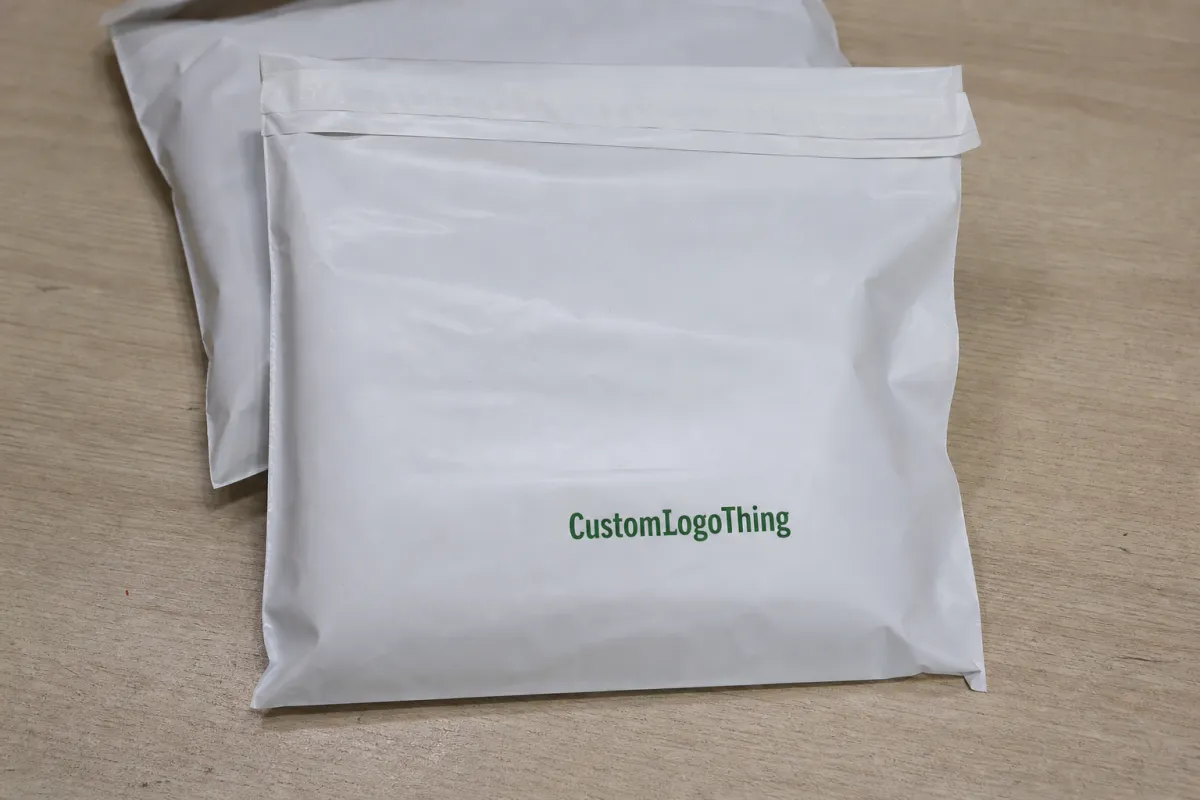
Soap is compact, but it is not always a flat, easy ship. A single wrapped bar is straightforward. Two-bar bundles, sample sets, seasonal kits, and inserts change the package shape and make the mailer part of the product decision, not just the shipping decision.
Oversizing is the most common mistake. A bag that is too large can increase postage, waste storage space, and let the product shift during transit. Undersizing causes split seams, weak seals, and damaged orders that cost more to replace than the original savings were worth.
In practice, soap brands usually need one of three approaches:
- Single bars: compact mailers that stay flat and seal quickly.
- Two-bar bundles: more width and stronger film to protect edges.
- Gift sets: better puncture resistance and cleaner print for presentation.
The key is to quote the actual packed product, not the bare soap. Add tissue, labels, sleeves, or inserts before requesting pricing. That is the only way to compare quotes accurately.
Poly Mailer Materials, Seal Types, and Brand Fit
Most soap mailers use LDPE or a co-extruded film. LDPE bends easily, weighs little, and seals reliably. Co-ex film often gives a better print surface and a bit more structure, which can help when the mailer needs to protect a bundle or hold a cleaner shape.
Film choice changes how the package feels and ships
Opaque white film usually looks the cleanest and photographs well. Tinted or frosted film can soften the look or add privacy. Recycled-content options are worth asking about if the brand story supports them, but they do not automatically improve strength or print quality.
If the package includes paper inserts or cartons, FSC documentation may matter on the paper side. The certification framework is described by FSC. That kind of documentation is more useful than vague “eco” claims because it gives the buyer something specific to review.
Seal type affects labor and failure rate
For soap shipments, a pressure-sensitive self-seal is usually the best closure. It speeds up pack-out and reduces manual steps. The adhesive strength matters more than the marketing language on the sample sheet. A weak seal creates support issues and replacement costs.
The best mailer balances puncture resistance, a clean print surface, and a closure workers can use without slowing the line. Matte finishes hide scuffs better; glossy finishes can look sharper in photos. Choose based on the shipping environment, not just the render.
For broader sourcing and packaging comparisons, our Custom Poly Mailers page shows the common formats many soap brands start with, and the Custom Packaging Products catalog helps if you are matching mailers to inserts, cartons, or labels.
Size, Thickness, Print, and Finish Specs That Matter
Poly mailer cost changes with size, thickness, print coverage, and finish. Width and length control fit. Thickness, usually measured in mil, controls puncture resistance and stiffness. Print and finish affect both setup cost and the customer-facing look.
For a single wrapped bar, a compact mailer often lands around 6 x 9 to 7.5 x 11 inches. Two-bar bundles usually move closer to 8.5 x 13 or 9 x 12. Gift sets and subscription packs often need 10 x 13 or 12 x 15. Those are starting points; the final size depends on the wrap, sleeve, and how much space the product needs to seal cleanly.
Thickness should match the product shape. Light mailers around 1.8 to 2.2 mil can work for low-profile soap. Once the order includes hard edges, layered wrapping, or multiple items, 2.5 to 3.0 mil is safer. For mixed bundles or more abrasive transit, 3.0 to 4.0 mil can reduce split bags and replacements.
Print complexity has a direct impact on cost. One-color spot print on white film is usually the most efficient option. Full-bleed art, white ink underlays, and multiple print stations raise the price. A premium finish may improve shelf and photo appeal, but it should not slow packing or weaken the bag.
- Lower complexity: white or tinted film, one-color print, standard self-seal.
- Mid-level complexity: two-color print, thicker film, stronger puncture resistance.
- Higher presentation: fuller artwork coverage, custom dimensions, upgraded finish.
If the shipment needs additional validation, ask how the bag is tested. For heavier or more fragile orders, some brands use distribution testing methods aligned with ISTA. Testing helps catch weak seams and poor fit before the order goes live.
Soap Brand Poly Mailers Unit Cost, MOQ, and Quote Factors
Soap Brand Poly Mailers unit cost is driven mainly by quantity, size, film thickness, and print complexity. A fifth factor is whether the supplier is quoting stock material with custom print or a fully custom build. Once those variables are clear, the pricing usually makes sense.
For a typical custom run, smaller quantities often fall around $0.18 to $0.35 per unit for a standard-size soap mailer with one- or two-color print. Larger or more complex orders can run higher, especially with full-bleed graphics, thicker film, or oversized formats for bundles and gift sets. In stronger film grades with heavier print coverage, $0.28 to $0.55 per unit is common enough to be realistic. The important question is whether the quotes are built on the same spec.
MOQ often starts in the low thousands for printed mailers, commonly around 3,000 to 5,000 pieces depending on size and print method. Larger quantities usually lower unit cost, but they also increase inventory risk. A steady brand can support a bigger run more easily than a seasonal line or a company still changing artwork often.
| Use case | Typical spec | Estimated unit cost | MOQ range | Buyer takeaway |
|---|---|---|---|---|
| Single-bar shipment | 6 x 9 to 7.5 x 11, 2.0 to 2.2 mil, one-color print | $0.18 to $0.24 | 3,000 to 5,000 | Compact fit and low labor, but limited room for inserts |
| Two-bar bundle | 8.5 x 13 to 9 x 12, 2.5 to 3.0 mil, two-color print | $0.24 to $0.34 | 5,000 to 8,000 | Better protection and fewer transit splits |
| Gift set or subscription kit | 10 x 13 to 12 x 15, 3.0 to 4.0 mil, fuller coverage | $0.32 to $0.55 | 5,000 to 10,000 | Stronger presentation, but higher freight exposure and more material |
The common mistake is comparing only the bag price. Setup charges, freight, and rush fees can change the final landed cost. A quote is only a good deal if the spec matches the product and the total cost stays under control.
Ask for bag price, setup, freight, lead time, print count, and closure type as separate line items. Then compare size, thickness, print coverage, and sealing method side by side. If one quote uses thinner film or a lower MOQ, it is not an equal comparison.
Production Steps, Lead Time, and Approval Milestones
Most custom mailer orders follow the same path: artwork review, digital proof, sample approval if needed, production, packing, and shipment. Problems usually start when dimensions change after proof approval or artwork is reopened after the order is locked.
For standard custom runs, a realistic lead time is often 10 to 15 business days after proof approval. Larger orders, heavier print coverage, or seasonal demand can stretch that to 18 to 25 business days. If a supplier promises a very fast turnaround, ask what has already been approved and whether the clock starts after deposit, proof sign-off, or final file lock.
The approvals that matter most are dimensions, film thickness, print file, and seal style. If color matters, request a printed sample or a digital proof with the understanding that final color can vary by film batch and press setup. Reliable suppliers say that plainly instead of promising exact color matching on every run.
For launches, the safest plan is to build schedule buffer and keep one point of contact for artwork changes. A single late edit can push production by days. Several late edits can affect the launch date. Final dimensions, final artwork, final quantity: that keeps the order moving.
Why Soap Brands Stick With a Repeatable Mailer Spec
Most brands do not need a new mailer for every scent. They need a spec that ships well, reorders cleanly, and works across product updates without reopening the packaging decision.
A repeatable spec helps the warehouse, the finance team, and the customer experience. The warehouse team knows what fits. Finance can forecast unit cost with less uncertainty. Customers see the same clean package every time, which makes the brand feel more consistent and established.
The best packaging programs are usually not the most elaborate. They are the ones that close correctly, keep the product from shifting, and arrive without obvious wear. That consistency is often worth more than saving a cent on the first order.
What to Send for an Accurate Quote and Next Step
For an accurate quote, send the finished product dimensions, order quantity, number of print colors, shipping destination, and target in-hands date. If the line includes multiple SKUs, start with the largest pack. The quote should be based on the real package, not the smallest item in the range.
Photos help too. A picture of the wrapped soap, the current shipping pack, and any inserts or labels that add thickness can reveal fit issues quickly. Side-by-side spec sheets are even better if you are comparing suppliers. Check the practical details first: film thickness, closure type, print coverage, freight inclusion, and whether setup is included.
For a new soap line, a smaller pilot run can make sense if it is used to verify fit, print quality, and pack-out speed. A pilot should answer specific questions, not become a habit. If the product is already selling steadily, the better move is to lock the spec and reorder on the same terms.
Soap brand Poly Mailers Unit cost only becomes useful once the quote reflects the right size, the right film, and the right print build. After that, the decision is simpler: choose the package that ships cleanly, protects the product, and keeps landed cost in check.
What drives soap brand poly mailers unit cost the most?
Quantity usually has the biggest impact because larger runs spread setup and print charges across more pieces. Size, film thickness, and print complexity matter just as much once the order is defined. Freight and setup fees can change the final landed number, so the full quote matters more than the bag price alone.
What MOQ should I expect for custom soap poly mailers?
Many printed mailers start around 3,000 to 5,000 pieces, although the exact MOQ depends on size, material, and print method. A larger MOQ usually improves unit cost, but only if the inventory will move. Brands still testing a line should ask whether a smaller pilot run is possible before committing.
Which size works best for single bars of soap?
Start with the wrapped product rather than the bare soap. A single bar often fits in a compact mailer around 6 x 9 to 7.5 x 11 inches, but tissue, sleeves, labels, and inserts can push the package larger. If you ship bundles or gift sets too, choose a size that handles the largest repeatable pack without wasting too much space.
How long does production usually take for printed poly mailers?
Standard custom runs often take 10 to 15 business days after proof approval, while larger or more detailed orders can take 18 to 25 business days. Delays usually come from artwork changes or incomplete specs rather than the press itself. If timing matters, lock the proof and shipment schedule before final approval.
How do I compare two quotes without getting fooled by the lowest number?
Match the specs first: size, thickness, print colors, and closure type. Then check whether freight, plates, setup, and rush charges are included. A lower quote can become the more expensive choice if the film is thinner, the MOQ forces overbuying, or the mailer does not fit the product properly.


