Soap Brand Poly Mailers Material Guide for Smart Buyers
If you ship soap, the mailer is not just a shipping bag. It has to block moisture, protect the finish, support the brand, and survive handling without making the product look rough. The right choice depends on film structure, seal strength, print behavior, and landed cost.
Soap is harder on packaging than many buyers expect. Bars can scuff wrappers, bottle sets can press into seams, and fragrance residue can make weak film look tired fast. That is why a buyer should compare performance, cost, and Minimum Order Quantity together instead of chasing the lowest quote.
Sustainability belongs in the decision too, but only when it is documented. Recycled-content claims, recyclability, and paper-based components matter when they are tied to a real spec and a real shipping path. A good packaging decision balances protection, presentation, and fulfillment efficiency.
Soap Brand Poly Mailers Material Guide: What Actually Matters
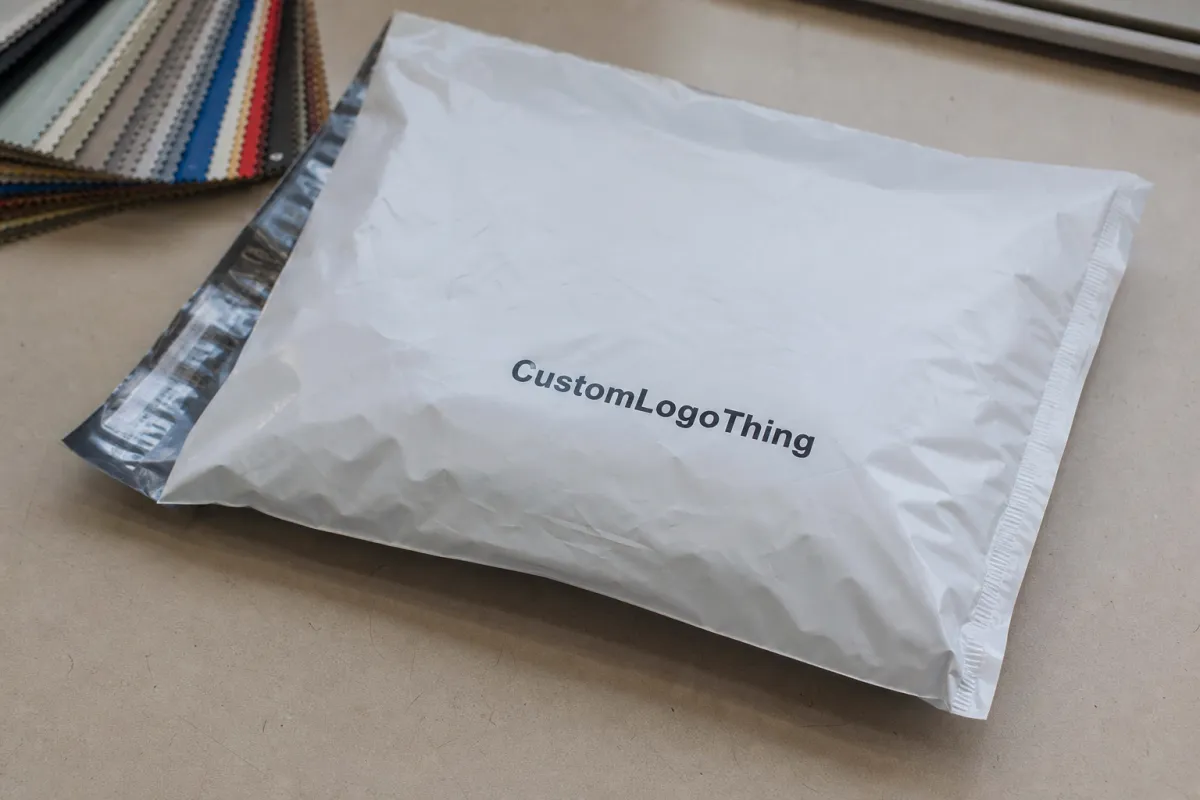
Start with the product. A wrapped bar, a bottle refill, and a mixed gift kit all create different risks. A mailer that looks fine flat can fail once the order is filled, stacked, and pushed through a parcel network. Route length, warehouse handling, and product weight matter as much as the outer size.
Do not assume the thickest option is the safest. A thinner multilayer film with a better structure can outperform a heavier bag that stretches at the seams or prints poorly. For soap, the goal is to arrive clean, sealed, and visually intact, not simply to feel substantial in hand.
Mailers also have to fit the product correctly. Too much empty space lets items shift and makes the package look wasteful. Too little creates seal stress and can distort the print area. The right size keeps the closure in range and helps the bag sit flat after packing.
What most buyers get wrong: they compare unit price before they compare failure rate. One damaged order, one reprint, or one return often costs more than stepping up to a better film.
How Film Structure Protects Bars, Bottles, and Labels
Most poly mailers are polyethylene, but that says little about how they perform. Layer count, gauge, seal design, and surface finish all change the result. For light soap bars, a 2.5 to 3 mil mailer may be enough. Heavier refill kits usually need stronger gauges, reinforced seams, or a more rigid feel.
Seal strength matters just as much as thickness. A weak closure can split during sorting or open slightly and let in dust and moisture. That may not sound dramatic, but a small failure can ruin the presentation of a premium label or gift-ready wrap. Basic checks like a hand peel test, a drop test, and a rub test catch more problems than a polished proof.
Finish affects both branding and durability. Glossy film usually gives sharper color and stronger contrast. Matte film hides fingerprints and scuffs better. Recycled-content film can have a softer look or slight tint variation, which may suit natural or ingredient-led brands. The right finish depends on whether the outer pack should shine, disappear, or feel more tactile.
Mixed bundles create more stress points. A bottle can press against one side, a bar can sit on a seam, and inserts can bend the film. For those packs, the material choice should be based on the full filled package, not the empty bag. That is the only way to judge whether the mailer will hold shape after handling and delivery.
A good sample proves only that the material survived one moment. Real shipping proves whether it survives the full route.
For brands that package inserts, labels, or secondary cartons alongside the outer mailer, Custom Packaging Products can help keep the whole pack consistent without forcing every component to do the same job.
Material Specs to Compare Before You Order
When you request quotes, make sure every supplier is quoting the same spec. Ask for thickness, opacity, recycled content, seal finish, print method, and opening style. Those details matter far more than a polished mockup, especially when one quote is stock-style and another is a custom run.
Thickness is important, but it is not the whole story. A 3 mil bag with better structure can outperform a thicker one that was designed poorly. Opacity is another key choice. Clear film works well when the inner wrap is attractive and meant to be seen. Opaque film is better for privacy, scuff control, or premium launches where the mailer should do more of the brand work.
Separate sustainability language from measurable claims. Recycled materials can be a strong choice if the supplier states the post-consumer content clearly and backs it up. Recyclability depends on local systems, so do not assume every recycled-content mailer enters the same stream everywhere. For a basic reference, the EPA recycled content guidance is more useful than broad green claims.
Print method also affects the result. Flexographic printing is common for larger runs and usually gives strong consistency once plates are tuned. Digital printing can work well for shorter runs, variable art, or early testing, but the look may shift on matte or recycled film. If a supplier only talks about price and skips print behavior, the quote is incomplete.
Sizing belongs in the material decision because fit affects both appearance and performance. A bag that is too large looks loose and wastes material. A bag that is too tight can stress the seal and warp the artwork. If the product format changes from a single bar to a bundle, the packaging spec should change too.
- Thickness: match to product weight, edges, and shipping distance.
- Opacity: choose clear for display, opaque for protection and privacy.
- Recycled content: verify post-consumer claims in writing.
- Seal finish: prioritize closure integrity over cosmetic shine.
- Print method: confirm how the artwork behaves on matte or recycled film.
Process and Timeline: From Spec Sheet to Delivery
The buying flow is usually simple: quote, sample, proof, production, freight. The delays usually happen in the middle. If the artwork is ready and the dieline is correct, a standard custom run often takes about 12 to 15 business days after proof approval. Specialty films, larger quantities, and heavy print coverage can add time, and freight can add another week or more.
Most schedule problems come from avoidable gaps. Low-resolution art slows color matching. Missing dieline details create proof revisions. Late sign-off on samples pushes the launch date back without any improvement in quality. In practice, the supplier is often waiting on the buyer, not the other way around.
Quality control should be part of the timeline, not an afterthought. Before approval, check seam consistency, film gauge, print registration, barcode readability if needed, and fit with the actual soap unit. On bigger orders, compare the approved sample with the first production cartons so the color and finish match closely enough for a clean launch.
Planning backward from the launch date prevents expensive rushes. If inventory lands before packaging, the schedule is upside down. For brands comparing formats before deciding on the outer pack, Custom Poly Mailers are a practical way to test film and print combinations.
Rule of thumb: lock the mailer spec before the fulfillment schedule is final. That keeps the rest of the packaging timeline from turning reactive.
Cost, MOQ, and Unit Pricing by Material
Price should be read as a stack, not a single number. Base film, print setup, finishing, and freight all affect landed cost. Two quotes can look close and still finish very differently once the cartons are packed and shipped. Freight zone, carton count, and oversize packing can move the real unit cost more than buyers expect.
MOQ is another place where surprises happen. Simpler stock-style mailers can sometimes start at lower quantities. Custom-printed runs with multiple colors, opaque film, or specialty finishes often need a higher minimum because setup costs are spread across fewer units. If the order is for a launch, that difference can matter a lot.
| Material option | Best use case | Typical thickness | Unit price at 5,000 pcs | Notes |
|---|---|---|---|---|
| Clear virgin PE | Retail-ready soap bars with strong inner wraps | 2.5-3 mil | $0.18-$0.28 | Good print clarity, strong product visibility |
| Opaque recycled-content PE | Private-label launches and scuff-sensitive orders | 2.75-3.5 mil | $0.22-$0.34 | Better for privacy and sustainability messaging |
| Matte premium printed PE | Artisanal soap with a softer, tactile brand feel | 3-4 mil | $0.26-$0.42 | Hides fingerprints and minor transit marks well |
| Heavy-duty multi-layer PE | Refill kits, bottle sets, mixed bundles | 4 mil+ | $0.30-$0.48 | Higher puncture resistance, usually stronger seam profile |
These are planning ranges, not fixed quotes. Print coverage, quantity, and freight route can shift them quickly. Still, they help frame what a reasonable offer looks like. Paying a little more for a stronger seal is usually cheaper than handling returns or reprints later.
For buyers comparing multiple pack components, think in landed cost per ship-ready unit, not just the printed mailer price. That is where a strong quote from Case Studies can be useful, because it shows how similar programs handled cost without flattening quality.
Common Mistakes That Cause Reprints or Damage
The biggest mistake is choosing the cheapest film and assuming it will behave like the sample. It often does not. Low-grade mailers can crease badly under print, stretch around the seal, or split when compressed in transit. If the film varies from batch to batch, the print can shift too, which creates a second failure: the package looks off even when it is technically intact.
Route and climate matter more than many buyers expect. Heat can soften weak film. Humidity can affect labels. Long sorting chains can expose seam problems that would never show up in a local delivery test. If your soap ships across several states or through a busy fulfillment center, test the worst route, not the easiest one.
Artwork can also cause trouble. Oversized graphics, crowded copy, and too many colors can make a mailer look busy or cheap even when the material is fine. Cleaner layouts usually print better and age better, especially on matte or recycled film where tiny registration issues are easier to see.
The other common miss is skipping the full sample test. An empty bag tells you very little. The sample should be filled, sealed, handled, and shipped if possible, because the real question is how the package performs under load and after friction.
- Do not choose by price alone.
- Do not approve art before testing the actual fill weight.
- Do not ignore route conditions or warehouse handling.
- Do not treat a visual proof as proof of performance.
Expert Tips for Better Branding and Safer Shipments
Match the finish to the brand position. Clean and clinical works well for skincare-style soap. Softer textures suit artisanal bars and scent-led collections. That decision affects film choice, ink density, and whether the bag should read matte or gloss.
Test two or three sample options with the real product weight before committing. A mailer that looks good empty can behave very differently with a dense bar or a bottle set inside. If the supplier cannot send samples quickly, that is useful information about how the rest of the order may feel.
Standardizing sizes also pays off. Fewer SKUs mean easier reordering, cleaner inventory, and simpler freight planning. It also makes QC easier because the team can check one size against one approved sample instead of juggling several close variations.
Ask for material data and proof standards before you sign. If a supplier can explain film structure, seal profile, and recycled content clearly, you are more likely to get a straight answer when something needs adjustment. For paper-based inserts or cartons, the chain-of-custody framework from FSC certification resources is a useful reference.
Biodegradable packaging has a place in some categories, but soap shipping is not the place to let marketing outrun performance. If the package fails before the product is used, the environmental claim stops mattering very quickly.
Next Steps: Build a Shortlist and Request Quotes
Before you ask for bids, write down the product dimensions, shipping weight, artwork needs, and expected monthly volume. That keeps the conversation specific and prevents broad quotes that are hard to compare. It also helps the supplier recommend the right film gauge instead of guessing from a product name alone.
- Measure the soap pack, not just the soap itself.
- Ask for at least two material samples.
- Compare them under bright light and by touch.
- Run a short transit test with a full pack.
- Score each quote on cost, lead time, seal quality, and print clarity.
Then compare the options side by side. The best choice is usually the one that protects the product, supports the brand identity, and stays efficient in fulfillment. It is rarely the cheapest line on the spreadsheet and rarely the fanciest sample.
That is the practical lesson in any soap brand Poly Mailers Material guide: choose the film that fits the product, the route, and the brand story, not the one that merely looks cheapest on a quote sheet.
What is the best mailer material for soap brands?
For most soap brands, a medium-gauge polyethylene mailer with a strong seal is the safest starting point. Clear film works when the inner wrap is meant to show through, while opaque or recycled-content film is better when scuffs, privacy, or sustainability messaging matter more.
Are recycled poly mailers strong enough for handmade soap?
Yes, if the recycled film still meets the right thickness and seal-strength specs for the product weight. Recycled content alone does not tell you whether the bag will hold up in transit, so test it with a full pack before you approve a larger run.
How thick should soap shipping mailers be?
Thickness should match the product weight, shape, and shipping path rather than follow a one-size-fits-all rule. Heavier or bottle-based kits usually need a stronger gauge than light bar-soap orders, and the lightest film that passes handling tests is often the best target.
How long does custom poly mailer production usually take?
Custom orders often move through proofing, sampling, production, and freight before they arrive. A typical run can finish in about 12 to 15 business days after proof approval, although specialty films, large quantities, or complex printing can extend that.
How can I lower unit cost without lowering quality?
Standardize sizes, reduce unnecessary print complexity, and compare landed cost instead of only quoted unit price. Ordering closer to true monthly volume usually prevents rushed reorders and avoids paying premium freight later.
What should I do before placing a custom order?
Build a short list, request samples, and compare each option under the same conditions. If you keep the Soap Brand Poly Mailers material guide criteria in view, you will choose faster, protect the product better, and avoid paying for packaging that looks good on paper but does not hold up in shipment.

