Soap Makers Poly Mailers Material Guide: What It Actually Means
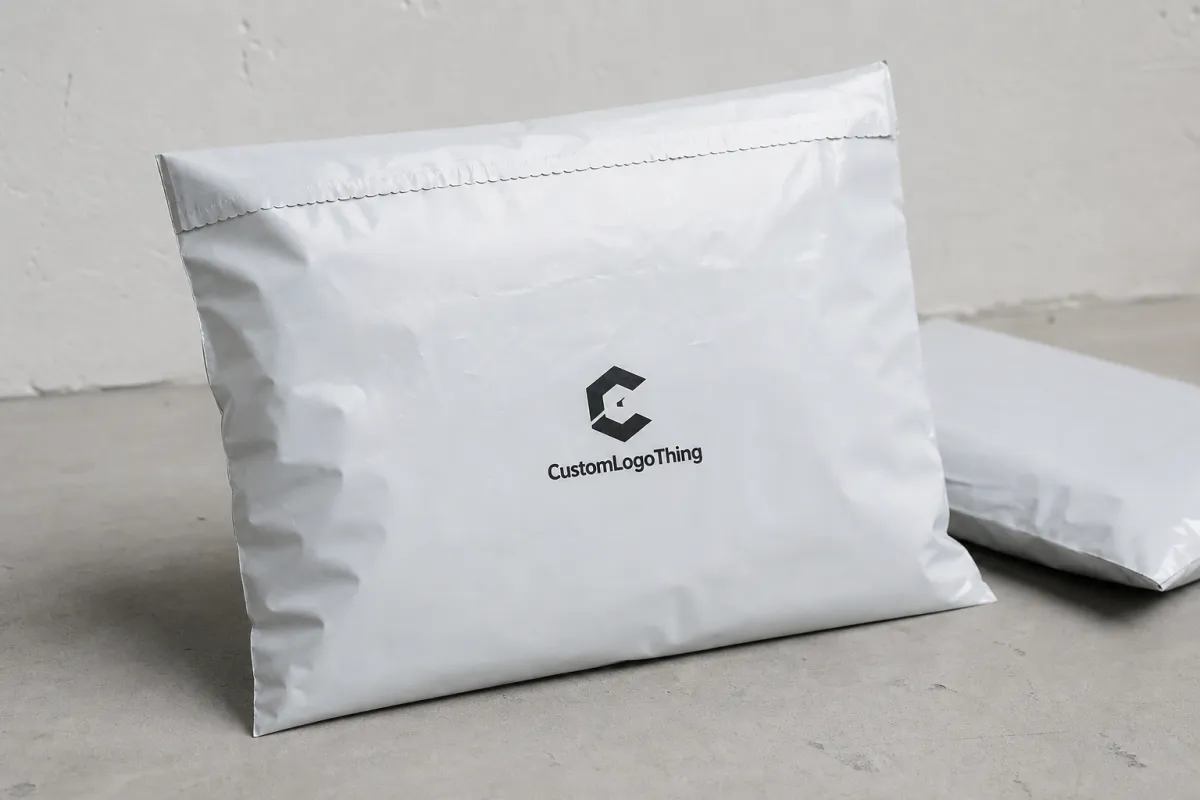
A soap bar can make it to the customer intact and still arrive looking tired. Fragrance can seep through a weak pouch, a paper wrap can scuff at the folds, and a clean label can wrinkle before the parcel even leaves the carrier's hands. I've seen that happen with hand-poured bars that looked gorgeous on a workbench and a little sad by the time they hit a doorstep. That is why the soap makers Poly Mailers Material guide matters. It is not only about buying a bag. It is about matching film, thickness, seal strength, print finish, and sustainability claims so the soap, the brand, and the shipping budget stay aligned.
Most buyers hear "poly mailer" and picture a thin shipping envelope. That description hides more than it reveals. A serious soap Makers Poly Mailers material guide asks what the mailer must actually do. Does it protect wrapped bars from dirt during transit? Does it hold scent-sensitive soap without adding odor? Does it present a handmade product in a way that feels deliberate rather than disposable? Each job points to a different material choice, and if you miss that part, you're gonna spend twice.
Soap is not a flat, predictable product. Cure time changes the surface. Natural oils can migrate. Moisture shifts during storage. Paper wraps, kraft sleeves, printed belly bands, and box inserts all alter how a bar behaves inside the mailer. A soap Makers Poly Mailers material guide needs to treat those variables as part of the specification, not decoration around it. Pick only by unit price and the bill usually arrives later, in complaints, replacements, or dead inventory that no one wants to move.
The frame is simple: the right mailer balances protection, brand feel, and shipping cost. Not the thickest film on the market. Not the vaguest eco claim with the nicest label. Not the cheapest option that gives up under compression in a parcel hub. A practical soap makers poly mailers material guide weighs the tradeoffs, then lands on the material that does the job without turning every shipment into a packaging experiment.
- Film type affects puncture resistance, print appearance, and recyclability claims.
- Thickness changes tear strength, hand feel, and how much abuse the mailer can take.
- Seal quality decides whether the closure holds or peels open in transit.
- Print method affects branding sharpness, color coverage, and unit price.
- Sustainability claims only matter when they match real disposal paths and local collection systems.
A good starting point is to compare the mailer spec against the soap spec. A paper-wrapped bar with light fragrance behaves differently from a glycerin-rich bar packed in a gift set. That is why a soap makers poly mailers material guide should begin with the product, not the packaging catalog. The product defines the problem. The mailer solves it.
How Poly Mailers Protect Soap in Shipping
The structure looks simple. The details do not. Most poly mailers use an outer film, an inner layer, and a pressure-sensitive adhesive strip. In a careful soap makers poly mailers material guide, each of those pieces gets its own performance check. The outer film handles abrasion. The inner surface affects how the soap pack slides or grips. The adhesive strip decides whether the seal survives temperature swings, stacking, and rough handling.
Standard PE mailers, recycled PE mailers, and compostable films behave differently once they leave the warehouse. Standard polyethylene usually offers the most forgiving mix of seal strength, print quality, and cost. Recycled PE can be a strong choice if you want recycled content without giving up too much performance. Compostable films can work, but they often need more testing because some versions feel stiffer, seal differently, or tolerate edge stress less well. A solid soap makers poly mailers material guide does not pretend those options are equal. They are not.
Opacity plays a larger role than many brands expect. A glossy white mailer can make a handmade soap line feel brighter and more polished. A matte finish can look quieter and more natural. Clear or semi-transparent films can create problems if the inner wrap is not attractive, because the customer sees everything inside. When presentation matters, the finish becomes part of protection. Scuff marks, label wrinkles, and oil shadows can make a parcel look tired before the customer opens it.
Poly mailers work well for lightweight shipping, compact storage, and tamper-evident closure. They are not a replacement for a box. Heavy bundles, soap sets with jars, or bars with sharp accessory items need help from internal wraps or a second outer shipper. That might mean a kraft paper sleeve, a rigid insert, or a corrugated cardboard carton inside the mailer. A realistic soap makers poly mailers material guide says the mailer should handle sealing, dust control, and surface protection. It should not be asked to absorb impact like a padded carton.
Shipping conditions matter too. Parcel networks are rough on light packages because they move quickly and get compressed. If the soap shifts too much, corners rub, edges dent, and the outer film starts to look worn. A tighter fit, a better adhesive strip, or a slightly thicker film can pay for itself here. The real question in a soap makers poly mailers material guide is not "Can it ship?" It is "Can it ship repeatedly without embarrassing the brand?"
A soap mailer that looks clean on a desk but fails in transit is not a bargain. It is just future replacement cost with better branding.
Brands comparing material structures before placing an order usually need to look beyond the outer pack first. Our Custom Packaging Products page is a useful place to compare mailers against inserts, sleeves, and cartons. If the outer shipper is the main focus, the options on our Custom Poly Mailers page can be matched against soap size and wrap style. The best soap makers poly mailers material guide decision tends to come from comparing real samples, not from reading labels in isolation.
For sustainability claims, check the disposal path instead of trusting a polished badge. The EPA offers useful guidance on recycling and packaging disposal behavior at epa.gov, and the transit-testing mindset used in packaging work is covered well by the ISTA community at ista.org. A soap makers poly mailers material guide should always include performance and end-of-life logic. Otherwise, the claim is marketing dressed as information. Compostable film, for example, usually needs industrial composting to break down as intended, and that is not the same thing as curbside recycling.
Soap Makers Poly Mailers Material Guide: Cost, MOQ, and Unit Price
Cost is where enthusiasm usually runs into a wall. A sample that looks beautiful means very little if the reorder price crushes the margin. In a serious soap makers poly mailers material guide, film cost, print cost, minimum order quantity, and the hidden charges that appear after proof approval all belong in the same conversation. Many people skip that step, then act surprised when the quote lands higher than expected. Packaging rarely gets expensive by accident. Every detail carries a price.
The main cost drivers are easy to list and easy to underestimate: thickness, recycled content, custom printing, color count, closure style, and order volume. A plain stock mailer is usually the cheapest launch path, especially while soap sizes and wraps are still changing. Once the brand settles, custom runs start to make more sense because they bring consistent branding, tighter fit, and fewer awkward compromises. A useful soap makers poly mailers material guide should show where stock works and where custom earns its keep.
Minimum order quantity is not just a factory rule. It is a cash-flow decision. A lower MOQ reduces inventory risk, but the unit price usually rises. A larger MOQ improves the per-unit cost, yet it ties up money and storage space. Slow reorders can leave high-MOQ inventory sitting long after the scent line has moved on. Fast sellers with stable specs can absorb a larger order more easily. That is why a soap makers poly mailers material guide should be read alongside reorder cadence, not apart from it.
Below is a practical comparison for common soap shipping scenarios. These are typical ranges, not universal quotes, because print coverage, resin mix, supplier location, and seal style all shift the numbers.
| Option | Typical MOQ | Approx. Unit Price | Best Use | Main Tradeoff |
|---|---|---|---|---|
| Stock PE mailer | 100-500 units | $0.12-$0.25 | Early-stage brands, test launches, simple wraps | Limited branding and sizing flexibility |
| Custom PE mailer | 500-1,000 units | $0.18-$0.32 | Stable soap sizes, repeat orders, branded unboxing | Higher setup time and artwork dependency |
| Recycled PE custom mailer | 500-1,000 units | $0.20-$0.35 | Brands emphasizing recycled materials and lower waste | Texture and print sharpness can vary by resin blend |
| Compostable film mailer | 1,000+ units | $0.28-$0.55 | Specialty launches with strong sustainability messaging | Performance and disposal claims need careful validation |
Those ranges matter because they force a more honest budget. A cheap mailer is only cheap if it does not trigger replacements, service tickets, or return shipments. Add the real hidden costs and the picture changes quickly: oversized mailers raise dimensional weight, weak seals create resends, and poor fit wastes inserts. A soap makers poly mailers material guide that ignores those costs is not really a guide. It is a list of traps.
Thickness affects pricing, but thicker is not automatically better. A 2.5 mil film may be enough for a single wrapped bar. A 4 mil film may be the better choice for bundles or soap with sharper edges. Move beyond that only when the product needs it. More material costs more, and it can also create a stiffer feel that some customers read as less premium. The smartest soap makers poly mailers material guide answer is usually "enough material to protect the soap, not enough to waste money."
There is one more comparison worth making. If you are deciding between a poly mailer and a more rigid shipper, compare the full system. A mailer plus internal wrap may beat a box for shipping cost. A box may beat a mailer for premium sets, gift orders, or fragile add-ons. That comparison belongs in the same spreadsheet as the packaging budget. A soap makers poly mailers material guide should never be the only line item under review.
Process and Timeline: Sampling, Proofing, and Turnaround
The process stays manageable when the supplier gets clear information up front. Start with product dimensions, wrap style, soap weight, branding goals, and the target ship date. A clean spec sheet prevents the usual back-and-forth where everyone pretends a rough estimate is enough. In a working soap makers poly mailers material guide, the first rule is plain: measure the wrapped soap you actually sell, not the ideal version sitting in a sketch.
Sampling is where the honest answers show up. A digital mockup can make almost any structure look acceptable. A real sample tells you whether the seal closes cleanly, whether the film feels cheap or substantial, whether the print looks sharp, and whether the soap moves too much inside the bag. If the product uses a delicate paper wrap, test that exact wrap. If the soap carries a strong fragrance, test that exact formula. A soap makers poly mailers material guide earns trust only when the sample matches the product that will ship.
Proofing should cover artwork, final dimensions, material confirmation, and print placement. Check the logo size. Check the white space. Check the seal area so artwork does not disappear near the flap. Check color expectations if the design uses a dark background or full coverage. A supplier can correct a typo more easily than a production run. That may sound obvious, yet brands still miss it. The best soap makers poly mailers material guide habit is slow approval and fast shipping.
Timing is usually less forgiving than the quote sheet suggests. Sampling can take a few days to two weeks depending on artwork complexity and material choice. Production often runs about two to four weeks after proof approval. Transit adds more time, and that is before any revision loop or customs delay. If launch timing matters, build in a buffer. Ten days is decent. Two weeks is safer. Seasonal drops and subscription batches usually need more. A good soap makers poly mailers material guide is not just about material. It also prevents a decent order from turning into a frantic one.
Transit testing is worth the effort once volume gets real. The ISTA testing framework is built around a simple idea: packaging should survive realistic handling, not just a quiet shelf. A lab is not required for every order, but the mindset is useful. Try a small drop test, a rub test, and a seal test using your actual packed soap. If the package will sit in hot delivery trucks or warm storage rooms, expose a few samples to heat before committing. A soap makers poly mailers material guide should include one blunt truth: shipping conditions are not polite.
Key Factors That Decide the Right Mailer Material
The soap format comes first. A single 4 oz bar, a two-bar bundle, a gift set with paper filler, and a subscription kit all need different answers. Size changes the mailer dimensions. Weight changes the film requirement. Internal edges change puncture risk. A soap makers poly mailers material guide that treats every soap as the same product misses the part that actually drives the decision.
Barrier needs matter next. Soap may not be as moisture-sensitive as food, yet it still benefits from dust protection, odor control, and a surface that does not scuff easily. If the product uses essential oils, fragrance retention can matter as well. The mailer does not need to be airtight like a vacuum pouch, but it should create a stable outer layer that keeps the presentation clean. A solid soap makers poly mailers material guide should treat the barrier as practical protection, not as a theoretical feature list.
Branding goals shift the conversation quickly. A premium matte surface can feel calm and modern. A glossy white mailer can feel brighter and more retail-ready. Recycled content can support a cleaner brand story if the texture and print quality still look good. Some brands want the pouch to fade into the background so the label or wrap does the speaking. Others want the mailer itself to carry identity. That is why a soap makers poly mailers material guide should never stop at "what is cheapest?" It should ask what the customer thinks the brand is saying.
Fulfillment reality is where a lot of elegant ideas fall apart. If your team packs by hand, a mailer that opens too stiffly or seals too aggressively can slow the line. If labels are applied by machine, the surface has to behave consistently. If storage is tight, bulkier films can crowd valuable shelf space. If a third-party warehouse handles the order, the pack spec must be easy to explain and easy to repeat. A useful soap makers poly mailers material guide should reflect the packing line, not just the artwork file.
Customer experience matters more than buyers often admit. A mailer that feels tough and opens in one clean tear is excellent. A mailer that feels tough and then fights the customer like a bad produce bag is not. Some materials look premium but feel flimsy when squeezed. Others are practical but look too industrial for a boutique soap line. The right choice is the one that feels intentional in the hand. That is the difference between "I ordered soap" and "I ordered a brand." A careful soap makers poly mailers material guide should chase that feeling without overpaying for it.
If the outer pack is doing its job, nobody should have to think about it twice. If they do, something in the material choice is off.
One useful way to sort the options is to compare them against the rest of the packaging stack. If you already use kraft paper wraps, FSC certified inserts, or recyclable labels, the outer mailer can reinforce that story without pretending to solve everything. If the product ships inside a corrugated cardboard box, the mailer may only need to control dust and abrasion. If the brand uses biodegradable packaging in the inner layers, the outer mailer still needs to be judged on seal reliability and shipping cost. A soap makers poly mailers material guide works best when it views the whole package system, not one material in isolation.
That system view helps with sustainability claims too. Recycled PE, post-consumer waste content, and compostable films all sound appealing, but the material must fit the actual logistics. If customers mostly dispose of packaging through local mixed recycling, a recycled PE mailer may be more practical than a compostable one they cannot process correctly. If the outer mailer is paired with kraft paper and simple labeling, the story can stay clean without turning into a pile of tangled claims. In short, a soap makers poly mailers material guide should favor honest fit over fashionable language.
Common Mistakes Soap Brands Make With Poly Mailers
The first mistake is buying by thickness alone. Thick film sounds safe. It is not automatically safe. Heavier mailers with weak seals can split open while lighter, better-built mailers hold just fine. Seal width, adhesive quality, and film consistency matter as much as raw thickness. A sloppy soap makers poly mailers material guide that worships mils and ignores closure performance will create exactly the failures it was supposed to prevent.
Oversizing is another familiar error. Too much empty space lets soap bars shift, and shifting creates scuffs, crushed corners, and a tired-looking package. It also increases shipping cost because the outer dimensions get larger than necessary. The fix is direct: match the mailer to the wrapped product, not to the biggest item you might someday sell. A disciplined soap makers poly mailers material guide uses actual fit as a deciding factor, not a hopeful guess.
Skipping real-world testing is a mistake that leaks money quietly. A wrapped soap can look perfect on a desk and behave badly after a warm day in transit. Fragrance-heavy formulas can interact with films differently than unscented bars. Paper wraps can increase friction, which sounds minor until the mailer starts rubbing the print or distorting the flap. Test the exact soap, the exact wrap, and the exact closure. That is the only way a soap makers poly mailers material guide becomes useful rather than decorative.
Vague sustainability claims cause their own trouble. A mailer labeled "eco-friendly" is not enough. Eco how? Recycled content? Post-consumer waste? Compostable under industrial conditions only? Recyclable in curbside bins or only in special drop-off programs? The distinction matters because customers notice when claims and reality do not line up. The EPA is clear that packaging disposal depends on local systems, not slogans. A strong soap makers poly mailers material guide should help you say less, but say it more accurately.
Another mistake is treating the mailer as the only protective layer. For some soap lines, that is fine. For others, it is a poor bet. If the product has a brittle topping, delicate paper wrap, or accessory insert, the outer mailer may need support from an inner sleeve or a more rigid shipper. That is why many brands pair poly mailers with kraft paper wraps, slim cartons, or a small corrugated cardboard insert. A realistic soap makers poly mailers material guide does not chase minimalism for its own sake. It protects the order first.
Returns and damage claims deserve attention too. If the outer pack is the only thing standing between the product and a refund request, the material spec should be conservative enough for real abuse. A few cents saved on each mailer can disappear quickly if breakage or presentation issues raise the return rate. That is the part many buyers miss. A soap makers poly mailers material guide is not just a procurement decision. It is a risk-management decision dressed as packaging.
Soap Makers Poly Mailers Material Guide: Expert Tips and Next Steps
If I were narrowing this down for a buyer, I would ask for two or three sample structures and compare them side by side. Not one sample. Not the cheapest option the rep likes best. Ask for a standard PE version, a recycled PE version, and, if the brand truly needs it, a compostable film version. A proper soap makers poly mailers material guide should be based on comparison, because comparison exposes the tradeoffs that one sample hides.
Then test quickly in-house. A giant lab budget is not required to learn a lot. Drop the packed soap from a realistic shipping height. Rub the printed surface with a cloth to see whether scuffing shows. Check the seal after pressing the flap and letting the pack sit for a day. If soaps ship through warm climates, place samples in a hot room or warm vehicle for a short period and see how the adhesive behaves. A practical soap makers poly mailers material guide is built on those small tests, because they predict the problems that cost the most later.
Match the spec to reorder cadence. If you reorder every month, consistency and availability matter more than squeezing out a tiny unit saving. If you launch seasonally, lower MOQ may be safer because the design or scent lineup may change. If the soap line is stable and sales are predictable, a larger order can lower price and reduce packaging churn. A sharp soap makers poly mailers material guide does not give one answer for every brand. It gives the right answer for your sales rhythm.
Use a simple decision order: product fit, seal performance, print quality, then sustainability claim. That order keeps the decision grounded. A pretty recyclable mailer that fails the seal test is still a fail. A thicker mailer that ships well but looks wrong for the brand may still be a poor fit. A balanced soap makers poly mailers material guide keeps the priorities in order so you do not end up paying for packaging that solves the wrong problem.
Here is a clean next-step sequence:
- Audit the wrapped soap size, weight, and surface finish.
- Request samples in two or three material structures.
- Compare sealing, print, feel, and scuff resistance side by side.
- Check quote differences at your realistic MOQ.
- Order a small test batch before committing to a large run.
That sequence keeps the decision practical. It also keeps the conversation honest with your supplier. If the quote rests on bad assumptions, fix the assumptions Before You Buy. If the sample fails one part of the test, do not talk yourself out of it because the print looked nice. A useful soap makers poly mailers material guide should make the choice easier, not more dramatic.
For brands planning a broader packaging refresh, this is the moment to review the rest of the system. Maybe the mailer should coordinate with the wrap, the label, the insert, and the outer box. Maybe the print should be simpler so the film can be recycled more easily. Maybe the brand can shift weight from a box to a lighter shipper and save money without making the unboxing feel thin. These are the packaging choices that separate a thoughtful soap line from a random one. The best soap makers poly mailers material guide turns "What should we buy?" into "What actually works for this product and this customer?"
Keep the decision grounded. Pick the film that protects the soap, fits the packing line, supports the brand look, and stays within budget. Check recycled materials claims, test for real handling, and do not let fancy words outrun performance. If you need one final rule, make it this: choose the mailer after the wrapped soap passes a drop test, a rub test, and a seal test. That is the point of the soap makers poly mailers material guide: help soap makers choose a mailer that ships cleanly, looks right, and avoids the avoidable mistakes that cost money later.
Which material is best for soap makers poly mailers with paper-wrapped bars?
Recycled PE or standard PE is usually the safest balance of seal strength, print quality, and cost. Choose compostable film only if your fulfillment process and customer education can support it. Test the mailer with the exact wrap you use, because paper changes friction and fit. For this kind of setup, a soap makers poly mailers material guide should put seal reliability first and claims second.
How thick should soap makers poly mailers be for handmade bars?
A practical starting range is 2.5 to 4 mil for lightweight bars. Go thicker if you pack bundles, heavier sets, or items with sharp internal edges. Do not chase thickness before checking seal quality and actual shipping abuse. A smart soap makers poly mailers material guide treats thickness as one variable, not the whole answer.
What MOQ should I expect for custom soap mailers?
Stock mailers can start low; custom printed runs often become efficient around 500 to 1,000 units and up. Higher MOQ usually lowers unit price but increases cash tied up in inventory. Ask whether the supplier can mix sizes or offer a starter run before you commit. A realistic soap makers poly mailers material guide always checks MOQ against reorder pace.
How long does production take for custom soap makers poly mailers?
Sampling can take a few days to two weeks, depending on artwork and material choices. Production often takes about two to four weeks after proof approval. Add transit time and a buffer for revisions if the launch date matters. A practical soap makers poly mailers material guide should include timing so your release schedule does not get wrecked by packaging delays.
Are compostable poly mailers worth it for soap brands?
Only if the disposal path is realistic for your customers and the claim is not just marketing fluff. If performance drops too much, recycled PE may be the more practical sustainability win. Always test the mailer against your soap's weight, scent, and shipping distance before deciding. A good soap makers poly mailers material guide weighs performance and disposal truth together, not separately.

