Soap unstructured dad hats material sample guide
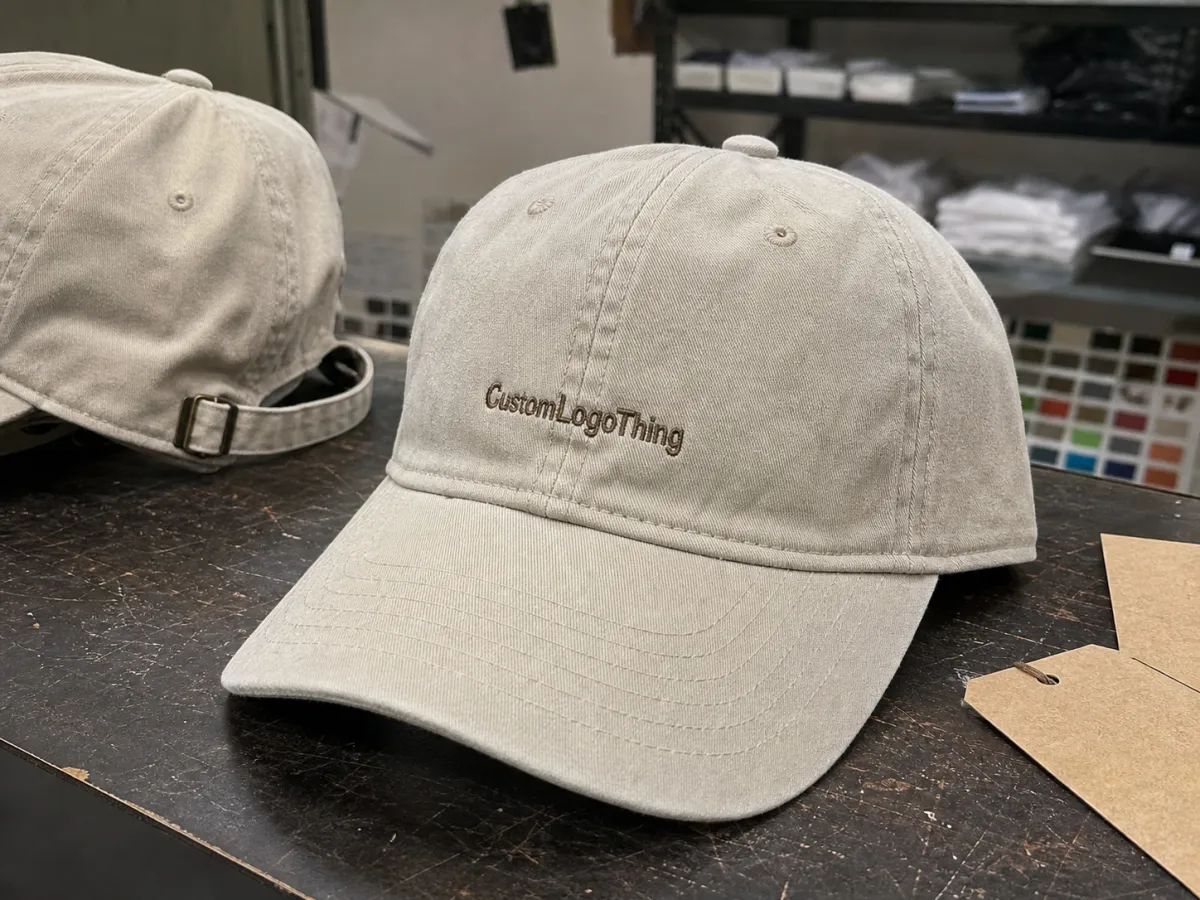
The easiest way to waste a cap budget is to sign off on artwork before a physical sample exists. A render can hide a soft crown that collapses too much, a brim that feels flimsy, or a sweatband that turns scratchy after an hour. The soap Unstructured Dad Hats material sample guide matters because those failures are usually material and construction issues, not design issues.
A useful sample shows more than color. It should include the shell fabric, visor board, sweatband, closure hardware, thread, labels, and any seam tape or interior finish that affects comfort. If a supplier only sends a loose swatch, that is a fabric reference, not a cap approval tool. You cannot judge drape, balance, or crown depth from a square of cloth alone.
Unstructured Dad Hats are supposed to feel relaxed, but relaxed is not the same as shapeless. Buyers are usually trying to balance three things at once: a soft front panel, enough recovery to hold its shape in transit, and a hand feel that does not read cheap. The right sample makes that balance visible. The wrong one hides the problem until the order is already in motion.
The intended use case should shape the spec. A retail program can justify a cleaner finish, better recovery, and a more consistent crown line. A promo run can tolerate a simpler build if price pressure is high. A merchandise drop aimed at warm-weather wear may need lighter fabric and a softer inner finish than a winter streetwear release. The sample should answer that question early, not after the quote lands.
"A buyer can forgive a plain logo. A buyer is far less forgiving when the hat sits awkwardly, feels hot, or looks tired after one wear."
That is why the sample review needs practical checkpoints: crown depth, visor curve, sweatband feel, closure comfort, and how the hat behaves after being packed flat. A cap can look polished on a table and still fail once it is folded into a carton, shipped, and worn for real. The physical sample is the only place where those contradictions show up quickly.
How fabric, crown shape, and trim affect wear
Fabric choice changes the personality of an unstructured hat more than many buyers expect. Cotton twill is the baseline for a reason: it is familiar, easy to embroider, and usually lands in a comfortable middle ground between soft and stable. Brushed cotton feels softer from the first touch. Canvas is denser and usually holds a cleaner line. Washed finishes create a broken-in look that can be exactly right for streetwear, but too casual for a corporate gift that needs a more polished appearance.
The weight matters just as much as the fiber. A lighter twill around 220-260 gsm can feel breathable and easy to wear in heat. A heavier canvas or dense brushed cotton closer to 300-380 gsm will usually feel more substantial, but it can trap more heat and sit stiffer on the head. Neither is universally better. The useful question is how the cap should feel after ten minutes, not just out of the bag.
Hand feel reveals more than visual inspection
“Hand” is a vague word until the sample is in front of you. If the fabric feels scratchy before decoration, embroidery will not solve that. If it feels too limp, the front panel may collapse in a way that reads underbuilt instead of relaxed. A slightly firmer weave with a soft wash often performs better than an ultra-plush fabric that loses structure too quickly.
Trim changes comfort faster than color does
Check the sweatband, seam tape, buckle, eyelets, and visor board before you focus on artwork placement. A cotton sweatband feels different from a polyester blend during wear, and that difference shows up fast. Metal hardware can look premium, but it adds weight and can scratch if the finish is poor. A fabric strap with a tuck-in closure is lighter and packs flatter, which helps when shipping volume matters. Even the visor board deserves scrutiny: too stiff and the hat starts to behave like a structured cap; too soft and the brim loses its shape after repeated bending.
Crown shape and panel count affect fit
Most buyers think in terms of color, yet crown depth often drives satisfaction more than color ever will. A shallow crown can feel cramped on larger heads. A deep crown can sit awkwardly and create excess fabric above the brow. Six-panel unstructured builds usually read familiar and easy to wear, while five-panel or lower-crown variations create a different profile altogether. If the shape is off, the logo becomes irrelevant very quickly.
A practical comparison helps here. A washed cotton cap can look more premium than a plain twill sample in a photo, but if the wash is too aggressive, the hat may arrive with uneven tone or weak recovery. A denser canvas sample may look less exciting on a desk and perform better after shipping. Buyers who compare only the first impression often choose the wrong side of that tradeoff.
Cost, pricing, and MOQ signals to compare
Price is a stack of decisions, not a single number. Fabric grade, wash process, panel count, embroidery complexity, label construction, and whether the sample is pulled from stock or sewn from scratch all change the quote. A simple stock-material sample can be inexpensive. A custom prototype with dyed fabric, custom tape, and multiple revision rounds can cost several times more before bulk production even starts.
The usual mistake is reading a cheap sample price as a sign of cheap production. That is not always true. Some of the cost is hidden in custom dye lots, branded inner labels, specialty hardware, or a wash process that only makes sense at scale. If the sample discussion does not break those items out, the bulk quote can feel unexpectedly high later.
| Option | Typical sample cost | Bulk price signal | Best fit |
|---|---|---|---|
| Stock cotton twill | $20-$35 | $4.20-$6.00 per unit at moderate volume | Promo giveaways, simple merch runs |
| Washed brushed cotton | $30-$55 | $5.50-$7.50 per unit | Streetwear, retail basics, softer hand feel |
| Heavy canvas or denser weave | $35-$70 | $6.50-$8.75 per unit | Premium feel, stronger shape recovery |
| Recycled material blend | $40-$85 | $7.00-$9.50 per unit | Eco-positioned programs, brand storytelling |
MOQ shapes the spec as much as price does. Smaller minimums reduce risk, but they also limit color flexibility, decoration options, and packaging choices. At 100 pieces, a supplier may not want to open a custom wash process or order a special buckle finish. At 500 or 1,000 pieces, the range usually opens up and the unit price often improves enough to justify better fabric or cleaner finishing.
Compare quotes with the same checklist: sample fee, whether that fee is credited back after bulk approval, unit price, setup charges, and repeat-order pricing. If two suppliers land in the same range on unit cost, the difference may sit in tooling, embroidery digitizing, or the cost of reorders. Those hidden line items matter more than a low headline number.
Packaging can also move the total landed cost. Hats packed loosely in bulk cartons take less setup than retail-ready cartons, but they may arrive crushed or need more repacking at destination. Corrugated cartons, kraft inserts, and paper-based packaging add cost, yet they can protect shape and reduce damage claims. If the program depends on sustainability claims, ask whether the board is FSC certified and whether any paper components use recycled or post-consumer waste content. Those details do not change the cap itself, but they do change the full budget.
For transit-sensitive programs, shipping standards are worth a quick check. ISTA testing is commonly used to think through compression, vibration, and impact risk before hats leave the warehouse. That matters more than it sounds. A brim that looks fine in production can flatten in transit, and embroidery can scuff if cartons are packed too tightly. Apparel is not delicate in the same way glass is, but it still loses quality when packaging is underspecified.
Process and lead time from sample request to approval
A clean sample process saves time later. Start with a brief that covers fabric target, crown style, closure type, logo method, and any fit notes that cannot change. Then ask the supplier what they can sample from stock and what must be sourced. That distinction is critical. A pull from inventory, a sewn prototype, and a pre-production sample all solve different problems.
The sequence usually runs in three stages. First comes the material swatch or fabric reference. That confirms color, weight, weave, and surface feel. Next comes the sewn sample, which shows drape, stitching, crown depth, and decoration placement. Last is the pre-production sample, which should match the bulk build as closely as possible. If the pre-production version is off, that is the moment to stop and fix it.
Lead times vary by fabric and decoration
Stock-material samples can move in roughly 5-10 business days if the supplier already has the parts on hand. Custom sewn prototypes usually take 12-20 business days, and longer if the fabric must be dyed or the trim must be made to order. Bulk production then adds its own clock. A simple run may be ready in a few weeks, while a custom build with multiple approvals can stretch well past a month.
Most delays come from a few predictable points
The usual bottlenecks are PMS color matching, embroidery digitizing, trim sourcing, and revision cycles. A blank cap is fast. A fully branded cap with matched thread, revised labels, and special hardware is not. If a supplier promises a one-week sample, ask whether that includes decoration and whether revisions reset the clock. One vague answer can cost more time than three precise questions.
There is a useful rule here: ask what can be approved immediately, what can be swapped later, and what must be frozen before production begins. That question surfaces the real schedule. It also reveals whether the supplier is selling a realistic plan or a hopeful one. Realistic usually wins, because the fabric mill, embroidery queue, and packaging line all have their own pace.
If the cap is part of a larger merchandise order, align the hat timeline with the labels, sleeves, hangtags, and retail cartons. Separate approvals create separate delays. A change to the crown or closure should not force a second round of corrections on the packaging artwork. Treat the hat and its packaging as one system and the approval process gets shorter, not longer.
Picking materials and finishes without overspecifying
The best material choice usually comes from use case, not from trying to spec the most premium version of everything. Heavier is not automatically better. For warm-weather wear, a medium-weight cotton twill or brushed cotton often works better than a dense canvas because it breathes more easily and feels less rigid over the course of a day. For a retail display, a slightly firmer weave can keep the cap looking intentional without making it uncomfortable.
Climate and wear frequency should drive the spec
A hat worn every day by a field team ages differently from one sold as a weekend accessory. Daily use favors comfort, easy recovery, and durable stitching. A fashion drop can tolerate a softer or more washed-in finish if the visual story depends on it. The useful spec is the one that matches the real wear pattern, not the one that sounds most premium in a quote.
Wash treatments change the final read fast
Garment wash softens the cap and cuts the fresh-from-the-factory look. Enzyme wash can create a broken-in hand without making the piece look sloppy. Pigment wash adds character, but it can also create piece-to-piece variation that matters in a corporate program. A retail line may welcome that variation. A large branded rollout usually cannot.
Fit testing should sit next to fabric testing. Check crown depth, visor curve, closure adjustability, and the feel of the sweatband during a real wear test. A cap can be correct on paper and still feel shallow on a larger head. Another can fit comfortably but sit too high because the panel geometry is off. Those problems are common, and they are expensive once production starts.
One smart move is simplifying the build when the order is broad. Fewer variables usually mean fewer defects and cleaner repeat orders. A standard cotton twill, a consistent buckle, neutral thread color, and a clean interior finish often outperform a heavily customized version with three trim upgrades that only a small share of buyers notice. The fewer parts that can drift, the easier it is to keep the run consistent.
Packaging and finish should also agree. A retail-ready cap shipped in biodegradable packaging or paper-based mailers may look better with a calm interior build than with overworked trim details. Too many surface cues can make a product feel busy, especially once it is paired with other branded items. The strongest programs usually have one clear idea and let the material and packaging support it instead of competing with it.
Common sample mistakes that skew approvals
The first mistake is judging the sample under bad lighting. Fabric sheen, color depth, and thread contrast all shift under warm indoor light versus daylight. A cap that looks rich in one setting can look flat or slightly off in another. If marketing, merch, and brand teams are all involved, they need to review the sample under the same light conditions or the feedback will drift.
The second mistake is staring at color while ignoring structure. A cap can hit the target shade and still fail because the stitching is uneven, the crown rebounds poorly after compression, or the visor feels too stiff. Those issues usually appear after packing and shipping, which is why a table-side inspection is not enough.
Wear testing catches what a visual check misses
Try the sample on, wear it for a while, then fold it and pack it again. Ask whether it feels too deep, too shallow, too hot, or too floppy after that cycle. A hat that looks correct on a desk may behave differently on a head. That is not a rare defect. It is the normal reason sample approvals go wrong.
Specific feedback saves a revision round
Vague notes slow everything down. “Make it better” does not tell production anything useful. “Crown depth is 5 mm too shallow,” “thread reads too bright in daylight,” or “seam tape feels rough at the back panel” gives the supplier something actionable. Specific notes are the difference between one revision and three.
It also helps to compare the sample against the rest of the collection. A cap does not live in isolation once it becomes part of a line. If the finish is too glossy, too stiff, or too washed compared with the rest of the assortment, the mismatch shows even when the hat itself is technically correct. Buyers notice that kind of imbalance quickly, even if they cannot always name the reason.
Next steps before you request quotes
Build a one-page spec sheet before asking for pricing. Include target fabric, crown style, closure type, logo method, color notes, and any acceptable substitutions. If brushed cotton is acceptable but crown depth is fixed, say so. Suppliers quote more accurately when they know which variables are flexible and which are not.
Then request two or three material options and compare them under the same lighting, the same wear test, and the same pricing assumptions. One sample creates a reaction. Three samples create a comparison. Comparison is where the useful decision lives.
Ask for sample timing, bulk timing, and repeat-order timing in writing. A supplier may move quickly on the sample and still need a longer production window for the full run. If the launch depends on freight, also ask how the hats will be packed, what carton style is used, and whether any paper components are recycled or FSC certified. Those details are small until the ship date starts to slip.
The cleanest approach is to use the Soap Unstructured Dad Hats material sample guide as a filter for the whole program. Once the sample proves drape, comfort, recovery, and finish, the logo becomes the easy part. That is usually where margin is protected and revisions stop multiplying.
What should a soap unstructured dad hats material sample include?
It should include the shell fabric, visor board, sweatband, closure hardware, stitching, labels, and any interior finish that affects comfort or durability. A sewn sample is far more useful than a loose swatch because it shows drape, crown depth, and how the soft front panel behaves.
How many samples should I compare before a bulk order?
Two or three is usually enough to expose meaningful differences in hand feel, crown shape, and recovery. Keep the comparison controlled by using the same logo placement, lighting, and wear test for each option.
What drives the price of unstructured dad hat samples most?
Fabric choice, wash treatment, trim complexity, and whether the sample is stock-based or custom-made are the biggest drivers. Embroidery setup and revision rounds can also add cost before production starts.
How long does a dad hat sample usually take?
Stock-material samples may be ready in 5-10 business days. Custom prototypes with dyed fabric, special trim, or multiple decoration steps often take 12-20 business days or longer, depending on sourcing speed.
What defects should I check during approval?
Check stitching consistency, crown depth, visor shape, sweatband comfort, closure function, and how the hat sits after wear. Also inspect for loose threads, rough seams, uneven color, and any sign that compression will damage the final shape.


