Streetwear drop custom Poly Mailer Bags wholesale order planning starts before artwork is finalized, because the mailer is doing three jobs at once: shipping protection, brand surface, and first unboxing moment. If a carton never enters the process, the mailer becomes the package identity. That makes the decision more operational than decorative.
Poly mailers fit streetwear because they are light, compact, and fast to stage in volume. Soft goods like tees, hoodies, socks, and caps do not need the rigidity of a box for every order, and every extra layer slows the packing table. For a drop that needs speed and a clean branded presentation, the right bag keeps the fulfillment line moving without adding avoidable handling. If you are comparing formats, our Custom Poly Mailers and broader Wholesale Programs are useful starting points.
The buyer’s real job is not simply choosing a logo print. It is matching the mailer to the product mix, the print coverage, the quantity tier, and the ship date without forcing last-minute compromises. That is the same logic behind strong retail packaging and disciplined packaging design: decide the practical constraints first, then shape the look around them.
Streetwear drop custom poly mailer bags wholesale order planning
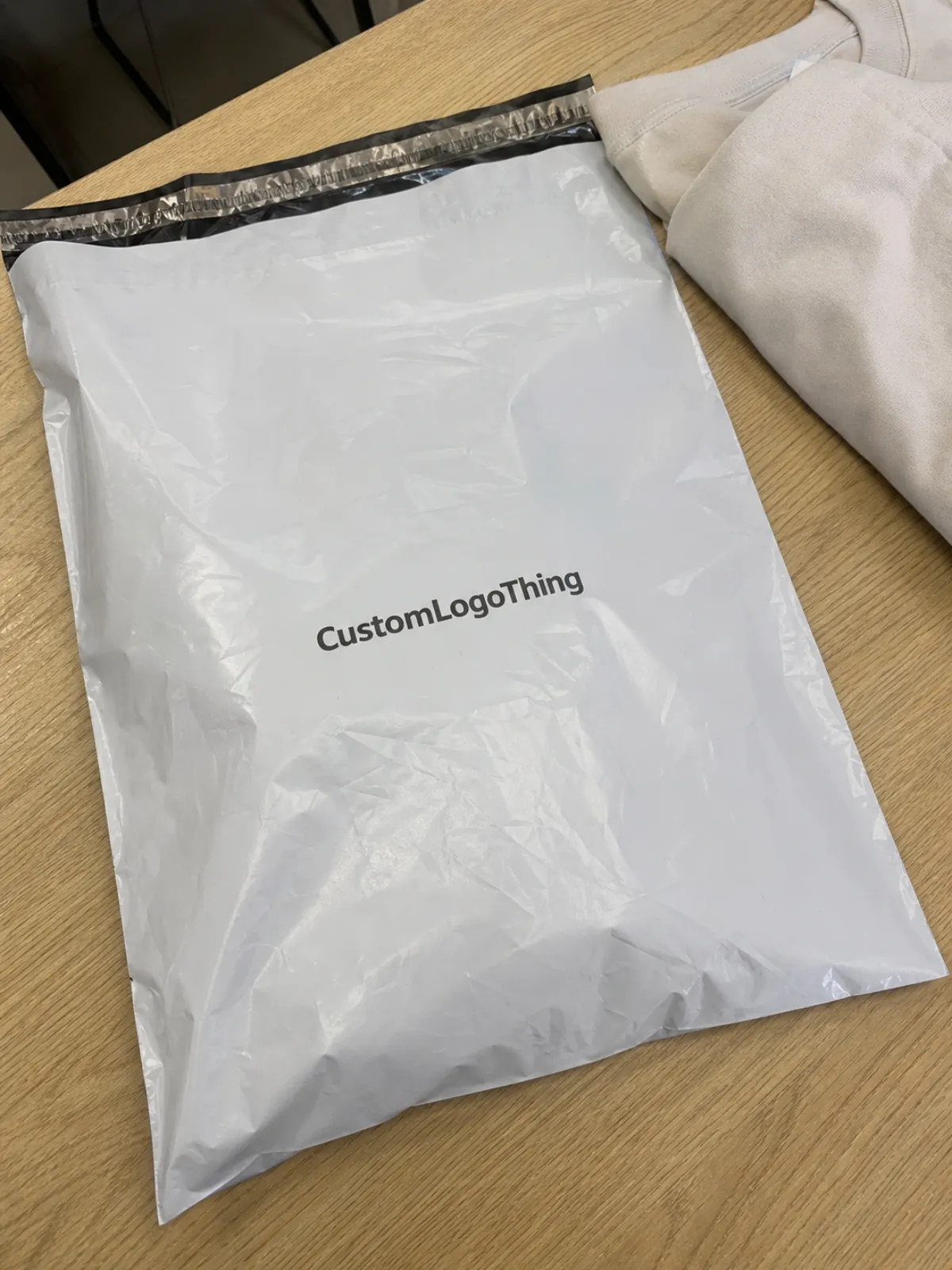
The best packaging plans are built around how the warehouse actually packs orders, not around a mockup that looks good in a presentation deck. A mailer that supports quick insertion, simple sealing, and straightforward barcode placement saves more time than a clever design that makes the packer pause on every order. That matters when a lean team is trying to clear a launch batch in a narrow shipping window.
Streetwear brands also expect the mailer to carry the release visually. The print should feel like part of the collection, not a random shipping accessory. Some drops call for a stripped-back bag with a small logo and a matte finish. Others need louder color, full coverage, or a graphic treatment that matches the energy of the apparel line. If the product mix also uses custom printed boxes for higher-ticket pieces, the mailer should still feel like it belongs to the same family.
Before asking for pricing, prepare four details: product mix, size target, print coverage, and delivery date. Those inputs drive the construction, the quote, and the production calendar. A single tee release may fit one bag size, while a mixed cart with fleece, accessories, and inserts may need two or three sizes. A stronger brief usually produces a better quote and fewer revisions.
The most reliable sequence is simple. Define the garments, estimate the folded thickness, decide how much of the bag should carry print, then choose the quantity tier that fits the drop. That order keeps the discussion tied to production variables instead of vague “standard bag” language, which usually creates confusion later.
A clean brief saves more money than a rushed design file ever will. In wholesale packaging, the buyer who locks size, artwork, and in-hand date first usually gets the fastest and most accurate result.
It also helps to compare the mailer against the rest of the packaging system. A release that includes stickers, inserts, hang tags, or a subscription-style refill may need a different internal pack-out than a one-item tee drop. The cheapest order is not always the one with the lowest unit price; it is the one that packs cleanly, ships on time, and arrives with the brand presentation intact.
For streetwear teams, the order plan should also account for reorders. A design that changes every collection may not justify a large inventory hold, while a core logo bag can often carry into a second season or restock. That timing question is just as important as the visual one.
Material, print, and finish options that match streetwear branding
Streetwear buyers usually start with the visual direction, but the construction matters just as much. The main choices are opaque versus semi-opaque film, thickness, seal strength, and whether recycled content belongs in the material spec. Opaque film gives better privacy and a cleaner presentation for apparel. Semi-opaque film can work for lighter products or lower-risk internal shipping, but it rarely reads as premium.
Recycled-content film can support a sustainability story if the rest of the packaging line backs it up. Used in isolation, it can feel like a claim rather than a system. The substrate, print inks, and any recovery guidance should all match the actual material, especially if the brand intends to make environmental claims. For a neutral reference point, the EPA recycling guidance is a useful reminder that local recovery rules vary and not every “recyclable” package enters the same stream.
Thickness should be chosen by product weight and handling risk, not instinct. A 2.5 mil mailer can work well for lighter tees and socks. A 3 mil or 3.5 mil construction is more common for heavier fleece, multi-piece bundles, and orders that may take more abuse in transit. The goal is puncture resistance and seal integrity without paying for film weight that does not improve performance.
Print setup changes both appearance and cost. One-color logo printing on a colored bag is usually the most efficient option. Multi-color artwork adds press setup and can push the price upward quickly. Full-bleed coverage often suits bold streetwear releases, but it brings more sensitivity to color consistency across the run. Interior printing can be effective for a message or hidden graphic, though it usually adds lead time and cost. That tradeoff should be priced early, not discovered after proof approval.
Finish details matter more than many first-time buyers expect. Matte film reads more muted and fashion-forward, while gloss looks louder and more retail-facing. A tear strip can make returns easier. A second seal is helpful if the customer may reuse the bag for a return. These choices do not just change style; they change how the package performs after it leaves the warehouse.
Artwork placement and readability
Logos, taglines, QR codes, and size labels need generous safety margins once seams, folds, and trim tolerances are factored in. A centered mark in the mockup can shift slightly in production, especially on long runs or wider webs. QR codes need strong contrast and enough quiet space to scan cleanly after the bag has been folded, stacked, and handled.
That is why artwork should be reviewed as a production file, not only as a brand asset. Small type, metallic ink, dark-on-dark art, and very fine lines all need extra scrutiny. Good packaging design protects legibility first and style second. That rule holds for mailers as much as it does for labels and retail cartons.
Size, gauge, and sealing specs for folded apparel
Size should be based on the actual folded garment, not on a flat mockup. A folded tee has a very different profile from a heavyweight hoodie or a bundle with multiple items and inserts. That thickness changes the usable bag dimensions fast. A bag that works for a single tee can feel cramped the moment fleece enters the mix.
The cleanest sizing method starts with one real sample from the production run. Fold the garment the way the packing table will fold it, add any insert or sticker, then measure length, width, and thickness. From there, choose a mailer that leaves enough room for the adhesive strip and any return-friendly seal. The bag should close without tension. If it needs to be stretched shut, it is the wrong size.
Gauge selection follows the same logic. Thinner film saves material, but it can scuff, split at the corners, or wrinkle more in transit. Heavier film improves puncture resistance and seal reliability, but it adds cost and can feel overbuilt for lighter items. For many streetwear drops, the sweet spot is a construction strong enough to survive parcel handling without creating waste that does not change performance.
Pack-out flow matters just as much as the bag spec. If the mailer resists the fold, the packing table slows down. A good size allows the folder to place the apparel in one motion, position the barcode where the scanner can read it, and seal the bag without reworking the contents. On busy days, that small efficiency gain can be the difference between a clean shift and a table that keeps backing up.
- Single tee: compact mailer, lighter gauge, minimal empty space.
- Heavy hoodie: larger bag, stronger seal, thicker film.
- Multi-piece bundle: extra width and depth for inserts and stacked folds.
- Launch kit: higher-strength bag if the order includes cards, stickers, or layered packaging.
Shipping and storage belong in the sizing decision too. A mailer that is too large increases carton waste and can push parcel dimensions higher than needed. That affects palletizing, shelf space, and carrier charges. The right size keeps the internal pack neat, the outbound carton efficient, and the shipment easier to manage at scale. If the line may expand later, map the current size against the next two planned drops so the spec does not need to change every time the assortment shifts.
Cost, pricing, MOQ, and quote planning for wholesale buyers
Price is driven by the same variables every time: bag size, film thickness, print coverage, number of ink colors, recycled content, and total quantity ordered. A simple one-color logo on a standard opaque mailer will almost always cost less than a full-bleed design with interior printing and a second seal. Special finishes and more complex substrates should be built into the quote from the start, not after the proof stage.
MOQ is tied to construction and print method, so it helps to think in volume tiers instead of a single magic number. Lower volumes carry a higher unit cost because setup is spread over fewer pieces. Larger runs reduce the piece price, but only if the buyer can use the quantity without sitting on aging inventory. That is why streetwear drop Custom Poly Mailer bags wholesale order planning should include at least two or three quantity scenarios before the final decision.
| Mailer option | Typical MOQ | Ballpark unit price at 5,000 pieces | Best fit |
|---|---|---|---|
| Standard opaque bag, one-color logo | 3,000-5,000 | $0.12-$0.20 | Core tee drops and recurring merch orders |
| Recycled-content bag, one-color logo | 5,000-10,000 | $0.15-$0.24 | Brands with a documented material standard |
| Full-bleed print with color coverage | 10,000+ | $0.20-$0.38 | Bold streetwear releases and launch collections |
| Interior print plus return strip | 10,000+ | $0.24-$0.42 | Premium unboxing and repeat-use shipping |
Those ranges are only a planning guide. Freight, setup, proof charges, and any sample fees can move landed cost enough to change the recommendation. Buyers should compare landed cost, not only the quoted unit rate. A slightly higher unit price can still win if freight is lower, the lead time is shorter, or the bag packs more efficiently into master cartons.
For a fast and accurate quote, send dimensions, product list, print files, quantity tiers, delivery address, and the date the mailers must be in hand. If the order is part of a larger release, include the ship schedule for the inventory so the mailers and garments arrive in the right sequence. That kind of brief removes a lot of back-and-forth and helps align the quote with the right material, not just the most obvious size.
It also helps to compare the mailer order against other Custom Packaging Products. Sometimes a streetwear release needs a pouch, insert card, or box for specific SKUs, and the packaging mix should be quoted together so the brand sees the real total before approving spend.
Process, timeline, lead time, and production steps from proof to ship
The production path is straightforward, but each stage has a place where the schedule can slip. A typical order moves through spec review and estimate, artwork check, digital proof or sample approval, production, quality inspection, carton packing, and freight booking. If the artwork is clean and the spec is locked, the process moves quickly. If the size changes after proofing, the schedule slows immediately.
Lead time is usually won or lost at approval. Color changes, missing bleed, raster artwork instead of vector files, or a late logo revision can push the job back before the press or converting line even starts. The fastest orders usually have one decision-maker, one file set, and one clear in-hand date. That is especially true for a streetwear launch, where even a short delay can collide with a release window.
For simple repeat runs, many buyers plan on roughly 12-15 business days after proof approval. More complex print setups, recycled constructions, or heavier seasonal volume can stretch that to 15-25 business days or more, depending on the schedule. If the drop sits near a holiday shipping period or a split fulfillment plan, the buyer should add cushion. That buffer is not waste; it is part of the order plan.
Quality control should be built into the schedule, not treated as an afterthought. The factory should confirm print location, seal integrity, bag dimensions, and pack count before cartons are released. If the order will face rough transit, some brands ask for a packaging test reference. The ISTA test standards are a useful benchmark when the product is likely to move through demanding shipping lanes or when the brand wants a more formal validation path.
The strongest schedule is the one with no surprises. If the size, file, and quantity are locked before production starts, quoting, proofing, packing, and freight all get easier.
Sampling is useful, but only if the sample is judged against the actual fold style and contents. A sample with a lighter tee does not prove the same result for a fleece hoodie. The production spec should reflect the heaviest or bulkiest item in the drop, not the easiest one. That one choice prevents a lot of packing-room surprises.
It is also worth asking how the final bags will be packed into cartons. A mailer that ships neatly in master packs can reduce labor at receiving and make counts easier to verify. Small details like carton quantity, bundle orientation, and sleeve protection rarely get mentioned in early conversations, yet they matter once the shipment reaches the warehouse floor.
Next steps to place a streetwear mailer order without delays
The cleanest way to move forward is with a short order brief that includes product types, fold style, target bag size, print area, color count, quantity by tier, and every shipping destination involved. If the drop has separate fulfillment points, note them early. If there is a preferred seal style or recycled-content requirement, put that in writing too. Specific briefs create fewer assumptions.
Ask for pricing at multiple quantities so the buyer can see where the best unit cost sits and decide whether it is worth stepping up to the next volume break. In many streetwear programs, the mid-tier run gives the best balance between inventory risk and price, but not always. Sometimes a larger run makes sense because the same mailer will carry into a second collection or a restock. Sometimes a tighter quantity is smarter because the artwork changes too often to justify extra inventory.
Proofing should be confirmed up front. Decide who reviews the art, who signs off, and whether a pre-production sample is required before the full run begins. That single point of approval keeps the schedule tight and cuts down on avoidable email loops. If the order is part of a larger packaging refresh, review the rest of the line too, especially any inserts, labels, or bag-and-box combinations that affect the overall presentation.
If you are comparing structures, our FAQ can help with basic ordering questions, and the rest of our Custom Packaging Products catalog can show how the mailer fits alongside the broader line. For buyers who want a practical route instead of guesswork, that is usually the fastest way to keep the release on schedule.
Done well, streetwear drop Custom Poly Mailer Bags wholesale order planning gives the brand a cleaner packout, a stronger first impression, and a schedule that can survive real production pressure. The best orders are not the flashiest ones; they are the ones that fit the garment, the budget, and the release date without forcing the team to improvise on ship week.
How do I size streetwear drop custom poly mailer bags for tees, hoodies, and sets?
Measure the folded thickness of the actual product, not just the garment width, because bulky fleece and multi-item bundles need more room than a flat tee. Choose a bag size that allows a clean insert without forcing the seal or stressing the corners, and leave enough allowance for labels, inserts, and any return-friendly strip so the packed mailer closes cleanly.
What affects MOQ and unit cost on custom poly mailer wholesale orders?
Quantity, bag dimensions, film thickness, and print complexity are the biggest drivers of unit cost. MOQ can change based on print method and how many colors or coverage areas the design needs, and larger runs usually lower the per-piece price. Buyers should compare the full landed cost, not only the quoted unit rate.
Can I print inside and outside my custom streetwear mailers?
Yes, many constructions allow both exterior and interior printing, but the final setup depends on the material and print method. Inside printing is useful for a surprise brand moment or a short message that appears when the customer opens the bag. Full-coverage or multi-surface printing usually adds cost and may extend lead time, so it should be priced in early.
How far in advance should I place an order before a streetwear drop?
Place the order after artwork is close to final, because proof changes can push the schedule more than buyers expect. Build extra time for approvals, sampling, and freight so the mailers arrive before inventory starts shipping. If the drop is tied to a seasonal launch or a major release window, add more buffer to avoid rush production charges.
What do you need from me to quote custom poly mailers quickly?
Send the bag size target, product type, quantity tiers, print colors, and a clear delivery destination. Include vector artwork or the cleanest available logo file, plus any notes on matte, gloss, recycled material, or return-strip needs. Share the target in-hand date so the quote can include a realistic production schedule and freight timing.

