Subscription Embroidered Baseball Caps Sample Buying Guide
A cap can look clean in photos and still fail after a few wears. That is why this guide treats the sample as a working prototype, not a courtesy item. For subscription programs, the same flaw repeats every month, so buyers need to judge fit, stitch quality, fabric behavior, and packaging before they approve production.
Use the sample to answer practical questions. Does the crown hold shape? Does the visor feel firm? Does the embroidery stay flat? Does the sweatband feel comfortable? If the sample passes those checks, it is worth scaling. If it does not, the cost of a bad decision will show up in repeat complaints and reorders you should not have needed.
What a material sample really proves
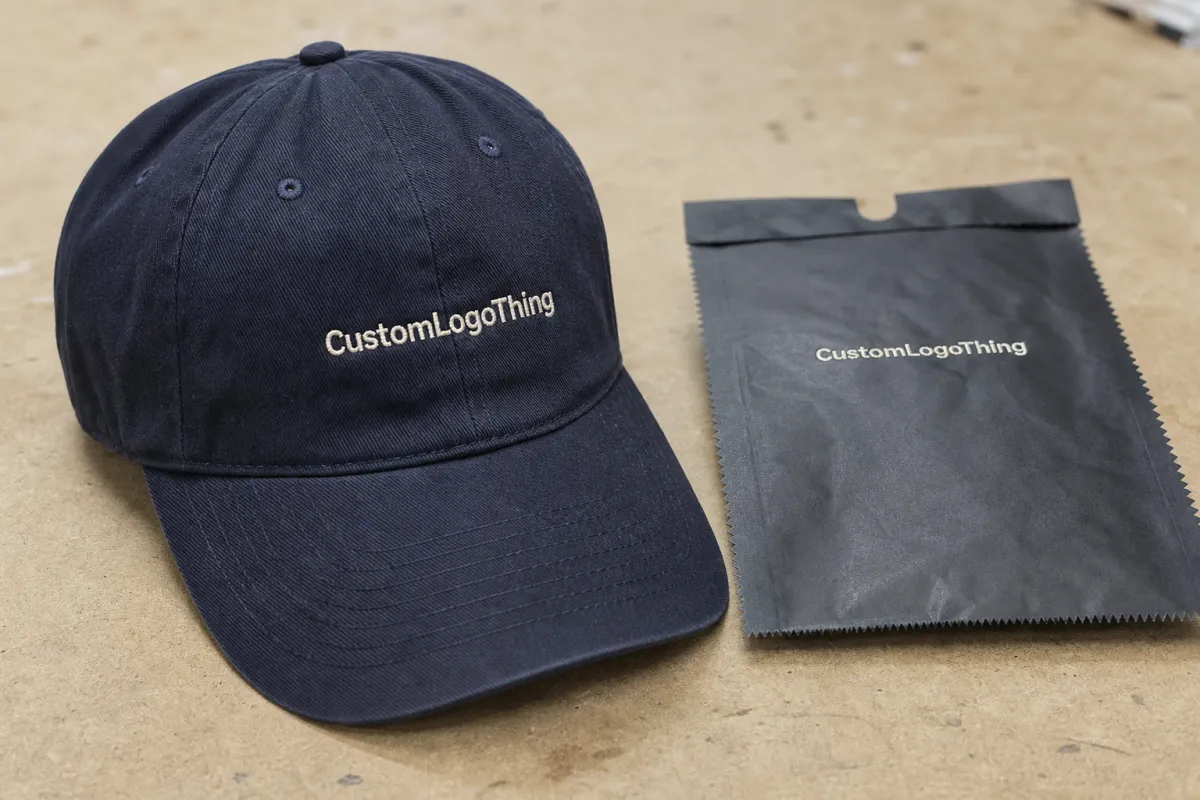
This guide starts with a simple truth: a polished cap in a mockup can still fail after a commute, a hot day, or a wash cycle. Buyers often focus on logo placement first, but a weak front panel or scratchy sweatband causes far more trouble over time. In a subscription model, small defects are multiplied across every shipment.
Look for repeatability. The cap should look the same in daylight, office lighting, and warehouse lighting. It should also survive the way real customers treat it: tossed in a tote, worn on a damp commute, or packed flat and worn again before washing. If it still looks and feels right, you have a usable baseline.
If the sample only looks good in a product photo, it is not approved. It is just well lit.
The package matters too. A cap shipped in a crushed mailer can arrive with bent visor edges or crease marks before anyone evaluates it. Corrugated cardboard, kraft paper, recycled fills, or FSC certified inserts do not make the cap better, but they do help you judge the product on its own terms.
How the subscription embroidered baseball caps material sample guide works
The process is straightforward: spec sheet, prototype, review, one revision if needed, then approval. The sample stage works best when the supplier knows exactly what to build and the buyer knows exactly what to judge.
Ask for the right sample set instead of a single almost-right cap. A useful package usually includes:
- Blank caps in the target fabric so you can feel structure and weight.
- Embroidered prototypes with the actual logo and stitch style.
- Fabric swatches for color and hand-feel comparison.
- Thread cards for matching logo colors under real light.
- Closure options if fit or adjustability matters.
- Sweatband or lining options if comfort is a priority.
Do not review with vibes alone. Check the sample under daylight and indoor light. Look at logo clarity, panel symmetry, stitch tension, thread sheen, and how the cap sits on a real head. A cap can be technically correct and still wear awkwardly, which is a bad fit for a recurring product.
Ask what changed between versions. If the supplier cannot explain why the second sample has a tighter front panel or a softer visor, that is a warning sign. For subscription programs, consistency usually matters more than clever design tweaks.
Review the sample in the same conditions your customer will experience. If the cap is meant for a boxed launch, inspect it after folding, packing, and unpacking. If it will ship in a premium mailer, check whether the presentation feels elevated or simply expensive. Small details matter when the product is recurring.
Sample process and lead time from request to approval
Map the process before you request quotes. Otherwise, missing details bounce between email threads and the sample cycle drags. A clean workflow usually runs like this:
- Request intake and product brief.
- Artwork review and stitch feasibility check.
- Material selection and closure selection.
- Sample construction.
- Shipment to you for review.
- Revision round, if needed.
- Final approval for production.
Simple blank samples often take 5 to 8 business days. Custom embroidered samples usually take 7 to 15 business days, assuming the artwork is clean and the fabric is already confirmed. If you need a revision, add another 3 to 7 business days. Rush work is possible, but it usually increases cost faster than it improves the result.
Shipping can stretch the calendar too. One sample sent to a designer, buyer, and brand owner in different cities can turn review into calendar soup. Pick one decision-maker, set one approval deadline, and make sure the artwork is final before the sample is cut. That avoids a week of “just one more tweak.”
For outside transit testing, some teams use standards from ISTA as a rough reference for how a packed product should handle vibration, drops, and rough handling. If the cap ships as part of a branded kit, the outer carton matters too. A neat corrugated cardboard shipper with strong tape and recyclable fills is much better than a loose bag stuffed with filler.
Cost, MOQ, and sample pricing realities
Separate sample cost from production cost. Sample pricing is higher per unit because setup time, embroidery programming, and pattern work are spread across only one or a few pieces. Production pricing drops once the fixed costs are absorbed across a larger order. That is normal manufacturing math.
MOQ changes the equation quickly. Many custom cap programs start around 100 to 300 pieces for a fully decorated run, though some suppliers go lower on stock bases or simpler decoration. Lower minimums usually mean fewer material choices, fewer trim options, or a higher unit price. If the supplier promises everything at a tiny MOQ and a low price, read the details carefully.
| Sample option | Typical price range | Typical lead time | Best for | Main tradeoff |
|---|---|---|---|---|
| Blank fit sample | $18-$35 | 5-8 business days | Checking crown shape, comfort, and basic structure | No logo behavior to evaluate |
| Embroidered prototype | $45-$120 | 7-15 business days | Testing stitch density, logo placement, and fabric response | Higher setup cost |
| Revision sample | $30-$80 | 3-10 business days | Confirming changes after artwork or fit adjustments | Adds calendar time |
| Sample kit with swatches and thread cards | $25-$65 | 3-7 business days | Color matching and material comparison | Useful, but not a full wear test |
Ask what drives the quote before you approve it. Fabric type, crown structure, stitch count, custom labels, closure style, and rush shipping are the usual price levers. If the sample ships as a branded package, ask whether the outer mailer uses FSC certified paper, recycled materials, or biodegradable packaging. Those details do not improve the cap, but they do affect the total presentation.
For brands that care about packaging optics, the supplier should be able to say whether the wrap is kraft paper, whether the carton is recyclable, and whether paper components are FSC certified. If they cannot answer cleanly, packaging is probably an afterthought.
How to compare fabric, structure, and embroidery quality
Fabric affects comfort, durability, color stability, and embroidery behavior. For Embroidered Baseball Caps, the usual choices are cotton twill, brushed cotton, polyester, and poly-cotton blends. If sustainability is part of the brief, you may also look at recycled materials or recycled polyester, but do not assume that “eco” automatically means better performance.
Here is the practical breakdown:
- Cotton twill usually feels soft and familiar, often around 260-300 gsm. It handles embroidery well, but it can wrinkle, fade, or shrink with heavy use.
- Polyester or polyester-heavy blends dry faster and hold color better. They are useful for higher-wear subscription programs, especially in hot or humid climates.
- Poly-cotton blends are the middle ground. They balance comfort and durability while holding shape reasonably well.
- Brushed cotton feels premium in hand, but the surface can make fine embroidery look less crisp if the backing is not handled well.
Structure matters just as much. A structured crown with proper buckram or support keeps the front panel stable, which helps the logo stay sharp. An unstructured crown feels softer and more relaxed, but thin fabric can distort the embroidery and make the cap collapse after repeated wear. For subscription products, moderate structure is often the safest choice.
Inspect the stitch work inside and out. Look for puckering around the logo, loose threads, weak backing, skipped stitches, or embroidery that sits too high on the panel. A good front logo often lands somewhere in the 4,000 to 7,000 stitch range depending on size and detail, but the stitch count alone is not the full story. Small text under 4 mm can disappear quickly if the digitizing is sloppy.
Do not ignore the boring parts, because that is where poor choices show first:
- Sweatband feel should be soft and absorbent, not scratchy or plasticky.
- Visor stiffness should feel controlled, not hollow or brittle.
- Seam finish should be clean with no rough edge biting into the head.
- Closure durability should survive repeated adjustment without loosening.
- Fit on a real head should stay comfortable after 15 to 20 minutes of wear, not just at first touch.
If the cap is supposed to feel premium, the packaging and product should agree. A good cap in a sloppy mailer feels off. A solid cap in a clean corrugated cardboard box with kraft paper and a simple insert feels intentional.
Common mistakes that waste sample rounds
The biggest mistake is approving from photos alone. Screen shots cannot show hand feel, stitch tension, or how the fabric behaves after flexing. They also do a poor job of showing whether the visor feels right. A cap can photograph beautifully and still feel wrong in person.
Another common error is reviewing samples without a scorecard. Once that happens, every opinion turns into a mood. One person likes the crown shape, another likes the thread sheen, someone else hates the closure, and nobody has a written standard. That is not a process.
Here are the mistakes I see most often:
- Choosing material because it looks premium instead of wearing well.
- Ignoring logo placement and scale on the actual crown.
- Skipping a short wear test and a quick steam or wash test.
- Forgetting to compare the sample against the final packaging plan.
- Failing to lock the approved stitch count, thread code, and trim details.
Packaging can also distort the review. If the sample arrives rattling around in poor packaging, the cap may pick up crease marks or bent visor edges before anyone evaluates it. A better shipper with corrugated cardboard, kraft paper, or other recycled materials gives you a fair read on the product. For brands that want the package story aligned, FSC certified paper components are worth asking for.
The other trap is assuming one good sample means every batch will match. It will not unless the spec is written down and the supplier follows it. That is why the sample stage is less about getting a pretty cap and more about building a repeatable standard.
What to do after the sample arrives
As soon as the sample lands, use a short approval checklist. Keep it short enough that people will actually complete it. If the checklist is too long, nobody reads it. If it is six or seven clear checks, you get useful answers.
- Fit: Does the cap sit correctly on a real head?
- Feel: Is the fabric comfortable after a short wear test?
- Embroidery: Are the edges sharp, flat, and readable?
- Color: Does the fabric and thread match the approved swatch?
- Structure: Does the crown and visor hold shape?
- Packaging: Does the presentation match the brand level?
- Durability: Do seams, closure, and sweatband look built to last?
Then compare the sample against real subscription use, not just unboxing day. Ask whether the cap still looks good after a few wears, a bag toss, and a commute. If the answer is yes, you have a candidate. If not, you have a nice-looking problem.
Lock one final spec sheet with the fabric name, weight, closure type, stitch count, thread codes, logo placement, and approved artwork files. If it is not written down, it is not real. Memory is not a control plan.
Once that spec is locked, use it for the production order, inspection rules, and reorder threshold. That is where the subscription Embroidered Baseball Caps Material Sample guide stops being a comparison exercise and becomes a repeatable buying system.
How many material samples do I need for a subscription cap order?
At minimum, request one sample in your intended fabric and one backup option if the first choice misses comfort or durability targets. If the embroidery is detailed, add a revision sample after artwork or stitch changes so you are not guessing at the final result. For larger subscriptions, test one alternate closure or crown structure too, because fit complaints are expensive.
What fabric usually works best for recurring embroidered baseball caps?
Poly-cotton and polyester blends usually hold shape and color better over repeated use, which matters in a subscription model. Cotton twill feels softer and more natural, but it can shrink, wrinkle, or fade faster if the cap gets heavy wear. The best choice depends on climate, wear frequency, and whether your customers care more about comfort or long-term structure.
How long should the sample process take before I approve production?
Simple blanks can move in about a week, while custom embroidered samples often take longer once artwork, materials, and closures are finalized. If you need multiple revisions, plan for extra calendar time because one correction round can add several days. A clear spec sheet and one decision-maker are the fastest way to keep the timeline from drifting.
What should be on my cap sample approval checklist?
Check fit, crown shape, embroidery clarity, thread color, sweatband comfort, and visor stiffness. Inspect both sides of the stitching for puckering, loose threads, or weak backing that could show up later in production. If the cap will be worn often, include a short wear test and a wash or steam test before you approve it.
Can I change fabric or details after approving a sample?
Yes, but any change in fabric, closure, thread, or trim can alter fit, cost, and lead time. The safe move is to approve a final written spec sheet so the production run matches the sample you actually liked. If you change anything major after approval, ask for a new confirmation sample instead of assuming the old one still applies.