Subscription embroidered beanies Supplier for Merch Brands
A subscription Embroidered Beanies Supplier does more than decorate headwear. The real job is keeping a recurring product consistent as it moves through sampling, bulk production, packing, and reorders. A batch with a slightly different cuff height, a softer knit, or a thread color that shifts a shade can make a subscription program feel uneven even when the logo never changes.
Beanies are sensitive to small production differences. They sit close to the face, they are seen in natural light and indoor light, and they often arrive as the first item a subscriber touches. That makes spec control more important than generic sales promises. The buyer is not just approving a style; they are locking a repeatable outcome that can survive future runs.
A recurring beanie program should get calmer after approval, not more chaotic: same fit, same thread, same carton count, same result.
For merch brands, the business question is simple: can the supplier make the first run look right and the later runs match it without re-litigating every detail? That means checking more than decoration. It means asking about blank availability, stitch tolerance, lead-time stability, packaging format, and how reorders are documented.
What a subscription embroidered beanies supplier actually handles
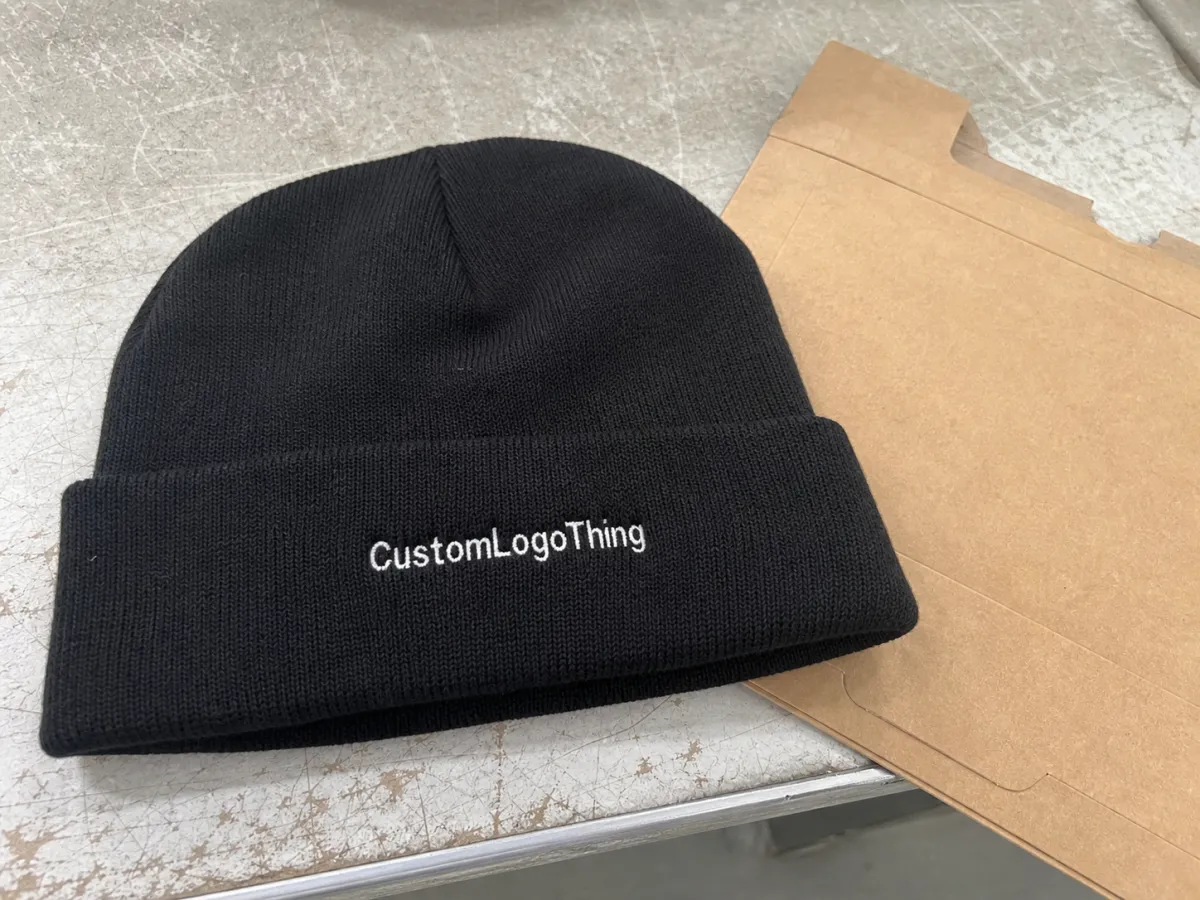
In practice, the supplier manages blank sourcing, digitizing, sampling, embroidery, packing, and reorder continuity. The work is part manufacturing and part inventory control. If any of those pieces are loose, the subscription program starts to drift.
Beanies seem simple, but the production variables add up quickly. A soft acrylic knit behaves differently from a wool blend. A shallow cuff changes where the logo lands. Thick yarn can make small letters disappear unless stitch density is adjusted. Even a few millimeters of placement shift can change the visual balance of the hat, especially on front-facing logos. That is why the supplier has to think in terms of spec control, not only decoration.
For recurring merch, the value comes from repeatability. A beanie can support a winter campaign, a membership tier, or a retail drop, but only if the approved version can be reproduced without guesswork. A clean sample is useful; a clean reorder process is what protects margin.
In practice: the best suppliers keep a permanent record of blank style, fiber content, thread codes, digitizing settings, pack format, and ship method. Without that paper trail, every reorder becomes a new project.
Process, timeline, and approval flow for recurring beanies
The approval flow should be short, but it cannot be vague. A typical sequence is design review, blank selection, digitizing, sample approval, bulk production, packing, and release for fulfillment. What matters is whether each step is documented well enough that the next run can follow it without reinterpretation.
- Design review: confirm logo size, placement, line thickness, and any text that may be too small to hold on knit fabric.
- Blank selection: lock the beanie style, fiber blend, cuff construction, and color availability.
- Digitizing: convert the artwork into a stitch file and tune density so the knit does not pucker.
- Sample approval: check fit, placement, thread sheen, and color in natural light, not only under shop lighting.
- Bulk run: stitch the approved spec, inspect for pull and fill consistency, then pack to the agreed count.
- Reorder planning: schedule the next production window before the current batch is fully exhausted.
Digitizing and sampling usually take the longest because knit fabric is less forgiving than a flat panel. Small logos can be harder than large ones because thin letters and fine details may need extra adjustment to stay readable on stretch knit. If the fabric is especially soft, the supplier may need to balance coverage against distortion, which adds time.
For stocked blanks, a common planning range is 3 to 7 business days for sampling and 10 to 15 business days for production after approval. Custom yarn dyeing, special labels, or unusual packaging can add a week or more. Those timelines are normal when the buyer wants the same result on every repeat order.
Recurring programs work best with a trigger point. Planning the next order when 60 to 70 percent of the current batch is already committed gives the buyer room for transit delays, holiday congestion, and launch changes. Waiting until the final carton leaves the warehouse usually creates unnecessary pressure.
The sample should be approved against the actual spec, not just accepted because it looks close enough. If cuff height, logo location, or thread color is not written clearly, the supplier may continue producing a version that does not match the intended result. That is how small deviations turn into repeated inventory issues.
Cost, pricing, MOQ, and unit economics
Price depends on more than the embroidery itself. The blank is a major driver: basic acrylic usually sits at the low end, while recycled blends, wool blends, and fleece-lined builds move the cost up. More thread colors, denser embroidery, woven labels, sewn-in tags, and custom packaging also push the unit price higher.
MOQ exists because setup work does not shrink much when the order gets smaller. Digitizing, thread setup, sample handling, and machine calibration take time whether the order is 50 pieces or 500. That is why larger runs usually price more efficiently. In many decorated beanie programs, a realistic MOQ sits around 48 to 144 pieces, though specialized styles can start higher.
| Beanie option | Typical MOQ | Typical unit price | Best use |
|---|---|---|---|
| Basic acrylic cuff beanie | 48-144 | $4.50-$7.00 | Entry subscription tiers, seasonal promo drops |
| Recycled acrylic blend | 72-144 | $5.25-$8.25 | Value-conscious programs with a sustainability angle |
| Wool blend beanie | 100-250 | $7.50-$11.50 | Premium memberships and colder-weather retail sets |
| Fleece-lined beanie | 100-250 | $8.50-$13.50 | High-perceived-value bundles and winter gifts |
Those are planning ranges, not universal quotes. A low unit price can hide setup fees, freight, or packing charges. A higher quote may already include digitizing, labels, inner bags, and a more reliable lead time. The only fair comparison is a quote built on the same product spec.
For budgeting, landed cost matters more than sticker cost. That includes the blank, decoration, packaging, freight, and any storage or replenishment charges if the supplier holds inventory between drops. A beanie that costs a little more but arrives with fewer defects and lower service noise can be the better commercial choice.
Another detail to check is split shipments. A recurring program rarely behaves like a one-time launch. Inventory may need to move in waves, and the financial model often works better if the supplier can stage replenishment by calendar. If that is not possible, the buyer should build the shipping calendar around production reality, not around a wish list.
Material and decoration choices that affect quality
The knit matters as much as the logo. Standard acrylic is common because it is affordable and consistent. Recycled acrylic blends offer a cleaner material story without moving into premium pricing. Wool blends feel richer and often wear better in colder weather, but they can be less forgiving if the embroidery file is too dense or the knit has too much stretch. Fleece-lined beanies add warmth and comfort, though the extra bulk affects packing and how the hat sits in the carton.
Decoration choice changes both durability and appearance. Flat embroidery is dependable, but the stitch file has to respect the fabric. Too much density can pull the knit inward, especially on softer yarns. Patches can work well on textured surfaces because they give the logo a stable base. Woven labels and sewn-on tags can add a retail finish without asking the knit to carry a heavy embroidery load.
Thread color and sheen deserve attention because they influence the final read of the product. A matte thread on a dark beanie can look understated and premium. A high-sheen thread reads louder and may suit a promotional drop better than a polished subscription box. Contrast is also easy to misjudge on screen; what looks balanced in a mockup can disappear once the beanie is stretched and seen in daylight.
Finish details matter too. Cuff height changes logo placement. Inside tags can make the item feel polished or cluttered. A custom belly band can improve presentation without forcing the supplier into expensive packaging. If the program uses printed inserts, FSC-certified stock is a sensible ask, and packaging validation should be based on actual transit testing rather than assumptions. For that, the ISTA test family is more useful than eyeballing a carton and hoping it holds up.
Knit structure also changes how the product ages. Some beanies relax after the first wear and then hold their shape better. Others look sharp out of the box but lose structure if the yarn is too soft or the ribbing is too loose. A good supplier should flag that trade-off before bulk production starts.
Packaging, fulfillment, and replenishment planning
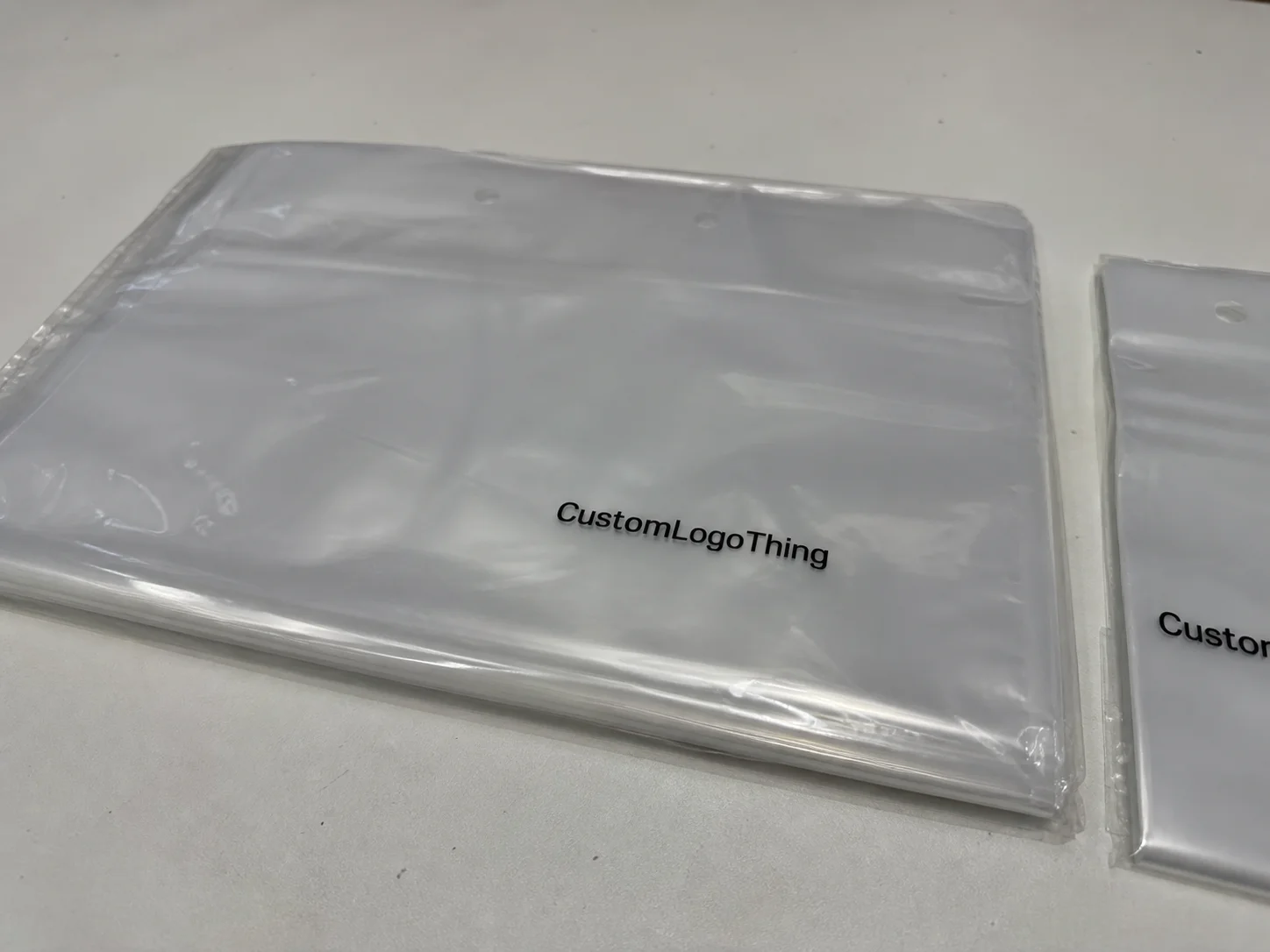
Packaging changes the perceived value before the beanie is even worn. A polybag is efficient and works for cost-sensitive programs. A branded belly band or insert card adds presentation value without much extra weight. A rigid box or folded presentation board can make sense for premium memberships or holiday kits, but those options need tighter carton planning and more careful labor handling.
Fulfillment details should be locked early: barcode labels, case pack counts, ship-to instructions, carton dimensions, and a repeatable packing method. If the supplier can only ship one large batch at a time, that may fit a launch, but it is not ideal for a subscription calendar that needs staged release. Buyers should ask whether partial shipments are manageable and whether stock can be held for a planned future wave.
Seasonality adds pressure. Demand rises when the weather turns cold, which compresses production, freight, and warehouse schedules all at once. A ship date that looks generous in August can become tight in October once everyone is trying to move fall and winter goods at the same time. For direct-to-consumer programs, carton durability matters too. A simple transit test, including an ISTA route profile, can reveal weak corners or poor closure methods before customers do.
Replenishment is easiest when the supplier keeps the same carton counts and pallet pattern on file. That sounds minor until the second or third shipment hits the warehouse. The less your team has to interpret, the fewer receiving errors happen. Subscription programs depend on repetition, and fulfillment mistakes tend to multiply when each reorder is packed a little differently.
Common mistakes buyers make with recurring beanie orders
The biggest mistake is approving too fast. A sample can look acceptable on a desk and still feel wrong on a head. Check the hat under natural light, on the actual size range your audience will wear, and with the packaging format you plan to use. If the cuff sits too high, the logo appears too low. If the fabric is tighter than expected, the beanie may be warm but uncomfortable.
Another problem is treating every reorder like a new project. A recurring program needs a source-of-truth spec. If the supplier swaps the blank, changes the thread, or shifts placement without a revised approval, consistency breaks down. The product may still be usable, but it is no longer the same item subscribers saw before.
Quote comparisons can also be misleading. One estimate may include digitizing, packaging, and freight; another may look lower because those costs are excluded or listed later. Ask for a landed picture. Otherwise, the “better” price can become the most expensive option once the missing charges appear.
Timelines get squeezed too often. Embroidery proofs, sample revisions, inbound material delays, and freight all take longer than a buyer hopes, especially during peak cold-season demand. If artwork approval waits until the end of the schedule, the launch stops being a plan and starts becoming a gamble.
There is one more mistake worth calling out: choosing a beanie that photographs well but wears poorly. Softness, stretch, and shape retention matter more than the mockup. A beautiful sample that feels sloppy after one wear will create more customer service work than it saves in marketing appeal.
Expert tips and next steps for your first recurring order
Start with a short but complete spec sheet. Include blank style, fiber blend, cuff height, logo placement, logo size, thread colors, embroidery method, packaging format, carton count, and expected reorder cadence. If those details are written clearly, the supplier has less room to interpret and less chance of drifting away from the approved version later.
Ask for a pre-production sample or a detailed photo proof before bulk approval, especially if the logo is small or the knit is textured. A one-inch emblem on soft rib knit is a different production problem than a bold three-inch mark on a smoother blank. The tighter the artwork and the stretchier the fabric, the more likely the stitch file will need adjustment.
A pilot run is usually worth the time. Even a modest test order can show whether the beanie feels right in wear, whether the embroidery reads cleanly in customer photos, and whether the packaging survives actual fulfillment handling. That feedback is much cheaper on 100 pieces than on 1,000.
If the goal is a dependable recurring program, choose a Subscription Embroidered Beanies supplier that treats the approved spec as fixed unless the buyer changes it on purpose. Compare quotes on the same basis, verify MOQ and lead time, look closely at packaging and replenishment options, and confirm how reorders are documented. A strong process does not make the product flashy. It makes the product reliable, which is what a subscription format needs.
Frequently Asked Questions
How does a subscription embroidered beanies supplier handle repeat orders?
They keep the approved spec on file so the same blank, thread colors, logo placement, and packing format can be repeated without rebuilding the job from scratch. Good suppliers also document reorder timing so the next run starts before inventory runs too low.
What MOQ should I expect from a recurring embroidered beanie supplier?
MOQ depends on the blank, embroidery complexity, and packaging requirements. Simple stocked beanies can start in the 48 to 144 piece range, while more specialized styles often need higher quantities to make setup costs work.
How long does production usually take for subscription beanies?
Sampling and proofing often take longer than bulk production, especially if the artwork is small or the knit is stretchy. Once the spec is approved, production is commonly 10 to 15 business days, though custom materials and freight can extend that.
What should I check in a quote from a beanie supplier?
Confirm whether the quote includes digitizing, samples, packaging, freight, and any storage or replenishment charges. Also verify the blank style, fiber content, and decoration method so every quote is based on the same product.
Which details most affect embroidery quality on beanies?
Thread density, logo size, stitch direction, and knit stretch all affect the finished look. A strong digitized file, plus the right backing or stabilizer, helps keep the design crisp without making the beanie feel stiff.