The Subscription Pom Pom Beanies sample checklist helps buyers decide whether a beanie is ready for production, not just whether it looks good in a photo. A sample can still fail on fit, handfeel, pom attachment, packaging, or repeatability even when the logo is correct.
For subscription brands, that gap is expensive. A weak approval can lead to returns, rework, and a disappointing unboxing moment across an entire drop. The best use of the checklist is simple: keep specs, cost, MOQ, lead time, decoration, and inspection aligned before bulk order release.
What the subscription pom pom beanies sample checklist really covers
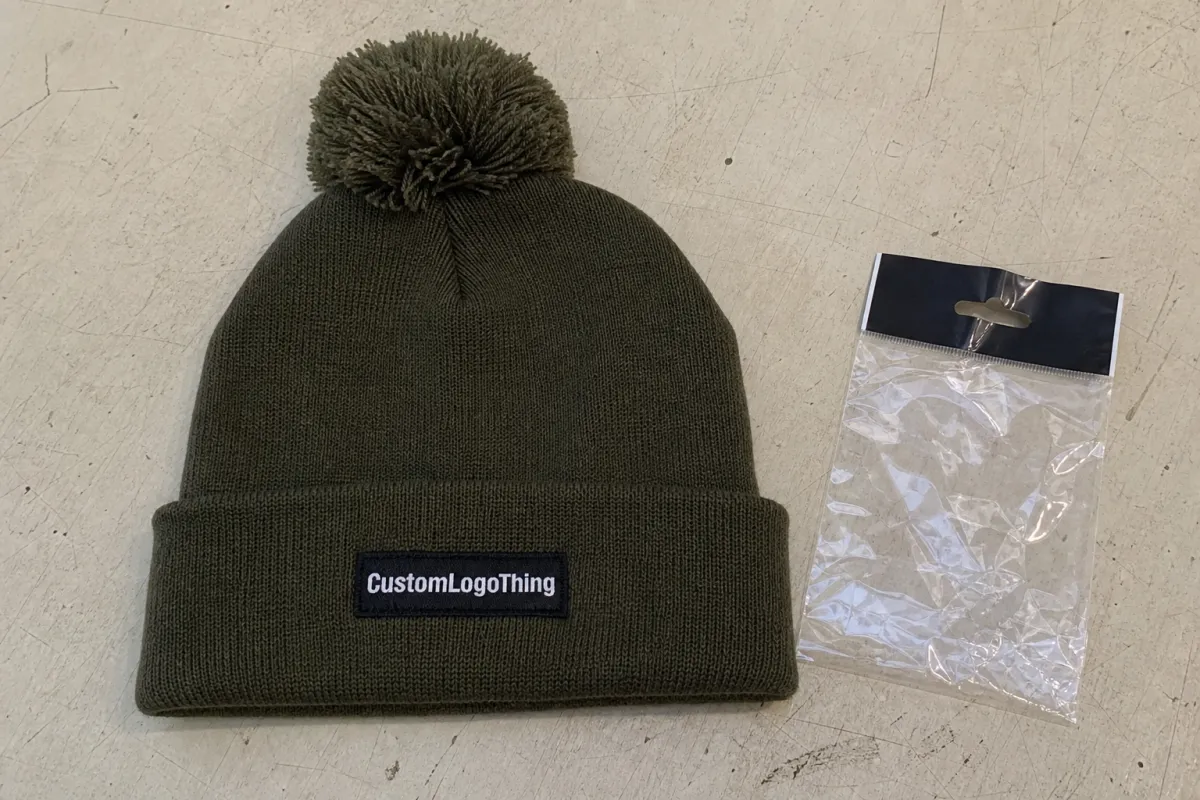
The checklist is a comparison tool. It tracks what changed between the first sample, the revised sample, and the final approved version so teams do not rely on memory. That matters when feedback touches multiple details at once, such as cuff depth, logo scale, pom size, or color tone.
Sample approval is about more than decoration. The product has to work on fit, comfort, color accuracy, construction, and presentation. If the beanie is part of a subscription program, buyers also need confidence that the factory can repeat the result at scale, not just make one good unit.
Small defects become costly when orders repeat monthly or seasonally. A slightly loose cuff or weak pom tie may not look serious on one sample, but on a full run it can create returns and negative reviews. The same is true for packaging that crushes the knit or looks unfinished in the box.
At minimum, the checklist should cover four buyer questions:
- Visual match - does the sample match the approved art and color reference?
- Wearability - does it feel comfortable after more than a quick try-on?
- Durability - do seams, trim, and pom attachment hold under handling?
- Brand presentation - does the packaging support the subscription experience?
Use the checklist as version history, not a one-time approval sheet. If the first sample is close but not right, the second should show measurable improvement rather than a new set of problems. That is what saves time before bulk production.
A sample should prove repeatability, not just possibility. If a factory can make one strong beanie twice, it is closer to production readiness than if it can make one perfect sample once.
How the sample process works from brief to approval
The process starts with a clear brief. The factory needs confirmed artwork, yarn direction, color references, label placement, pom preference, and packaging notes before it knits anything. If those inputs are vague, the sample stage turns into guesswork, and guesswork costs time.
The first sample is a proof of concept, not a final promise. It shows whether the knit structure, crown shape, cuff proportion, and decoration method are heading in the right direction. A first sample can still need changes; what matters is whether the issues are fixable without changing the entire spec.
Revisions usually come from a short list of problems: color mismatch, logo size, weak pom construction, or a crown that collapses after stretching. The faster the feedback becomes specific, the faster the next round moves. “Looks off” is not enough; “increase cuff height by 1 cm” is useful.
Approval should not sit with one person unless the order is tiny. Merchandising can judge style, operations can judge packaging and fulfillment, and customer experience can judge the unboxing. If the item ships in a subscription box, fulfillment should see the sample too, because a beautiful beanie that crushes in transit still fails.
Written approval matters more than most teams expect. Photos, measurements, and marked-up notes give the factory a clean record of what was accepted and what still needs work. That reduces later disputes about what the sample actually showed.
For buyers who want a practical benchmark for transit testing, ISTA test methods are a useful reference point: ISTA. If packaging includes paper inserts or hang tags, the Forest Stewardship Council is a good place to verify paper-based claims: FSC.
Spec choices that change fit, feel, and shelf appeal
The biggest spec decisions are not always the most visible ones. Yarn blend, knit gauge, cuff depth, crown height, pom diameter, and lining type shape the product more than many buyers expect. A tighter knit usually gives better structure and a cleaner silhouette. A softer yarn can improve comfort, but if the blend is too loose, the hat can look underbuilt.
Fit matters because subscription customers often try the item on immediately after unboxing. A beanie that feels fine on a mannequin but itchy on a real head will not earn repeat enthusiasm. Ask for feedback across different head sizes and hair types, because comfort changes with fit and hairstyle.
Trim details also affect the final read. Woven labels, care tags, patch placement, embroidery thread weight, and the method used to attach the pom can all change how premium the item feels. A dense woven label may feel refined; a bulky one can scratch. A stitched patch may look sharper than embroidery on a chunky knit, but it can also distort the fabric if the backing is too stiff.
Packaging belongs in the spec sheet too. Tissue paper, hang tags, inserts, and bag presentation influence whether the product feels giftable or generic. In a subscription box, the product is judged in a tight layout, so packaging often has to do more visual work than retail packaging.
Useful spec checkpoints:
- Yarn - acrylic, recycled polyester, wool blend, or mixed fiber, depending on handfeel and price point.
- Knit gauge - finer gauge for cleaner detail, heavier gauge for bulkier warmth.
- Pom build - sewn, tied, or snap-attached, each with different durability tradeoffs.
- Decoration - embroidery, patch, woven label, or knit-in branding.
- Packaging - polybag, belly band, insert card, or full retail-style presentation.
Packaging is often where apparel buyers lose time. They approve the beanie and then discover the subscriber sees the package first. If the presentation is messy, the product starts at a disadvantage before anyone touches the knit.
| Option | Typical sample signals | Common price impact | Best use case |
|---|---|---|---|
| Standard knit beanie | Straightforward yarn, basic embroidery, simple pom | Lower development cost; production often in the most efficient range | Volume subscriptions with tight margin targets |
| Custom color matching | Lab dip or yarn match needed before approval | Can add sample rounds and small setup fees | Brand-critical colors with strict identity requirements |
| Premium trim package | Woven label, custom patch, inserted care card, branded bag | Higher unit cost and more QC points | Giftable boxes and higher perceived value |
| Special pom construction | Dense, oversized, or detachable pom with stronger attachment | Often increases sample complexity and lead time | Fashion-forward subscription drops |
What sample cost, pricing, MOQ, and quote details to verify
Sample fees and production pricing are not the same thing. Some suppliers credit sample cost back against the bulk order later, while others treat sampling as separate development work. That difference can change the real cost of approval, especially if the first round needs revision.
MOQ matters because subscription brands often need more than one colorway or one decoration version. If each version has its own minimum, the math changes quickly. A fair unit price for 5,000 pieces may not work if you need three colors at smaller quantities.
Other quote variables hide in plain sight. Custom pom construction, embroidery stitch count, special dyeing, private packaging, and revision fees can all alter the final number. A low front-end quote can drift after sampling if the spec becomes more detailed, so the subscription Pom Pom Beanies sample checklist should sit beside the commercial quote.
Use this framework when comparing suppliers:
| Quote element | Ask the supplier | Why it matters |
|---|---|---|
| Sample fee | Is it credited back on production? | Changes development cost and buyer risk |
| MOQ | Is MOQ per color, per style, or per decoration method? | Determines how many variations the brand can launch |
| Packaging | Does the quote include bags, tags, inserts, and assembly? | Affects landed cost and box presentation |
| Shipping and duties | Is the quote FOB, EXW, or landed? | Prevents surprise costs later |
| Revisions | How many sample rounds are included? | Helps forecast timeline and budget |
Comparing unit price alone can mislead buyers. A slightly more expensive beanie may still be the better deal if it reduces returns, improves retention, or arrives in better packaging. Total landed value is the smarter lens: item cost, packaging, shipping, duties, and the cost of fixing avoidable mistakes.
Ask for written clarity on whether shipping, revisions, and inserts are included before you release the order. If the quote does not spell those pieces out, assume they are not included until proven otherwise.
Typical timeline and lead time risks for sample approval
The sample path usually follows a familiar sequence: brief submission, material sourcing, proto sample creation, feedback, revision sample, final approval, and pre-production confirmation. In practice, the process bends whenever a team changes direction, especially on color or trim. If the factory needs a specific yarn blend or pom material, even a clean brief can stretch out.
Lead time gets longer when the color must be custom matched. A yarn chart on screen is not enough if the shade has to feel exact in person. The supplier may need a lab dip, yarn swatch, or physical reference standard before knitting begins.
Vague feedback is the biggest timeline risk. A note like “make it nicer” does not help the maker. A note like “increase cuff height by 1 cm, tighten embroidery density by 15 percent, and use a denser pom wrap” does. Subjective comments usually create another round and another delay.
Build buffer time for internal review, photo circulation, stakeholder approval, and transit delays. That buffer matters even more for subscription launches, where the box schedule is often locked before the sample fully settles. If the sample arrives late, the packaging calendar can slip and compress the launch.
Seasonality also matters. Winter merchandising windows pull on mills and knitters at the same time, which slows both sampling and production. If the box depends on a cold-weather drop, ask early about capacity. A factory can be cooperative and still fully booked.
Common mistakes that create extra revisions
Color is the first trap. Many buyers approve from a screen, then are surprised when the yarn reads differently under office lighting, showroom lighting, or camera flash. Yarn, embroidery thread, and pom fiber all reflect light differently, which is why physical swatches matter.
Wear testing is the second trap. A sample can look excellent on a flat lay and still fail once someone wears it for ten minutes. The cuff can loosen, the crown can collapse, or the pom can droop. Those issues are minor in isolation, but in a subscription setting they change the first-touch impression.
Packaging review is the third trap. A well-made beanie can still underperform if the hang tag is crooked, the insert feels off-brand, or the bag wrinkles the knit in transit. If the unboxing is part of the value proposition, packaging needs the same attention as the garment.
Another common mistake is giving feedback without measurements, photos, or marked-up notes. Suppliers are not mind readers. If the cuff needs to be deeper by 8 mm, write that down. If the pom is too wide, circle it in the image. Every vague note usually costs a revision cycle.
Finally, teams often forget to test repeatability. One perfect sample does not prove the factory can make twenty more to the same standard, let alone twenty thousand. If possible, compare the next revision against the same checklist. Repeatability is the hidden metric that decides whether a product is ready.
The fastest way to waste time is to approve a sample that only looks right from one angle. Strong approval depends on fit, photos, measurements, and repeatable construction.
Expert next steps after the first sample arrives
Turn the first review into a decision grid. Record pass or fail notes for fit, yarn handfeel, pom symmetry, trim quality, branding placement, and packaging presentation. If the team wants a cleaner process, add a simple score from 1 to 5 for each area and attach the comments to the photos.
After that review, choose one of three outcomes: approve as is, revise with exact measurements, or resample with a changed spec. Those three paths keep the next round focused. Without that discipline, a supplier may make a dozen small guesses, and each guess creates another delay.
Send annotated photos and a short written recap to every stakeholder. Merchandising, sourcing, operations, and fulfillment should all be reading the same approval standard. If one team thinks the sample is approved and another thinks it is still in revision, the launch becomes messy quickly.
If the sample is close but not ready, ask for a costed revision path. That means getting a clearer picture of how the change affects unit cost, MOQ, and turnaround before you commit. Sometimes a better pom or stronger label adds only a little to the price. Other times it changes the production method.
The cleanest end state is simple: no bulk order, no final packaging print, and no subscriber promise until the sample is signed off. The subscription pom pom Beanies Sample Checklist works best when it acts like a launch gate, not a reminder sheet. If the sample passes, move. If it does not, fix the exact issue and test again.
What should be on a subscription pom pom beanies sample checklist?
Include fit, knit quality, yarn feel, pom construction, color match, branding placement, packaging, and wear or wash testing notes. Add space for measurements and photo comments so the supplier can fix exact issues instead of guessing.
How many sample rounds are normal before approval?
One to two revisions is common when the spec is clear and the factory has the right materials. More rounds usually mean the brief, color references, or decoration details need to be tightened before moving forward.
Are sample fees usually deducted from final beanie pricing?
Sometimes, but not always; it depends on the supplier's policy and whether the sample is treated as development work. Ask for this in writing so you can compare quote options without assuming the sample cost will be credited later.
How do I compare sample color to production color accurately?
Review yarn swatches and the sample under the same lighting conditions you will use for approval, then document the reference code. If exact color is critical, request a lab-dip or approved swatch standard before bulk knitting begins.
What is the smartest next move after the first sample passes?
Confirm measurements, materials, packaging, and approval notes in writing so the factory has a locked reference. Then ask for production timing, packing details, and any final cost changes before releasing the bulk order.

