For hotel buyers, hotel Pom Pom Beanies Unit Cost usually looks more complicated than it is. The real price driver is rarely a single material choice; it is the combination of knit construction, decoration method, color count, and how disciplined the spec is before sampling starts. A clean brief often saves more money than a last-minute negotiation over a few cents of yarn.
That matters because these beanies do more than cover heads. They can anchor winter uniforms, serve as welcome gifts, support retail displays, and carry an event logo without feeling like disposable promo merchandise. A good one reads as a proper garment first. The branding sits on top of that, not the other way around.
Hotels buy them for practical reasons. Guests use them on cold transfers and ski runs. Staff wear them during outdoor service. Retail teams like them because they are easy to display, easy to size, and far less fragile than many seasonal goods. The stronger the base product, the less the branding has to work to justify the purchase.
Why Hotel Pom Pom Beanies Make Sense for Seasonal Buying
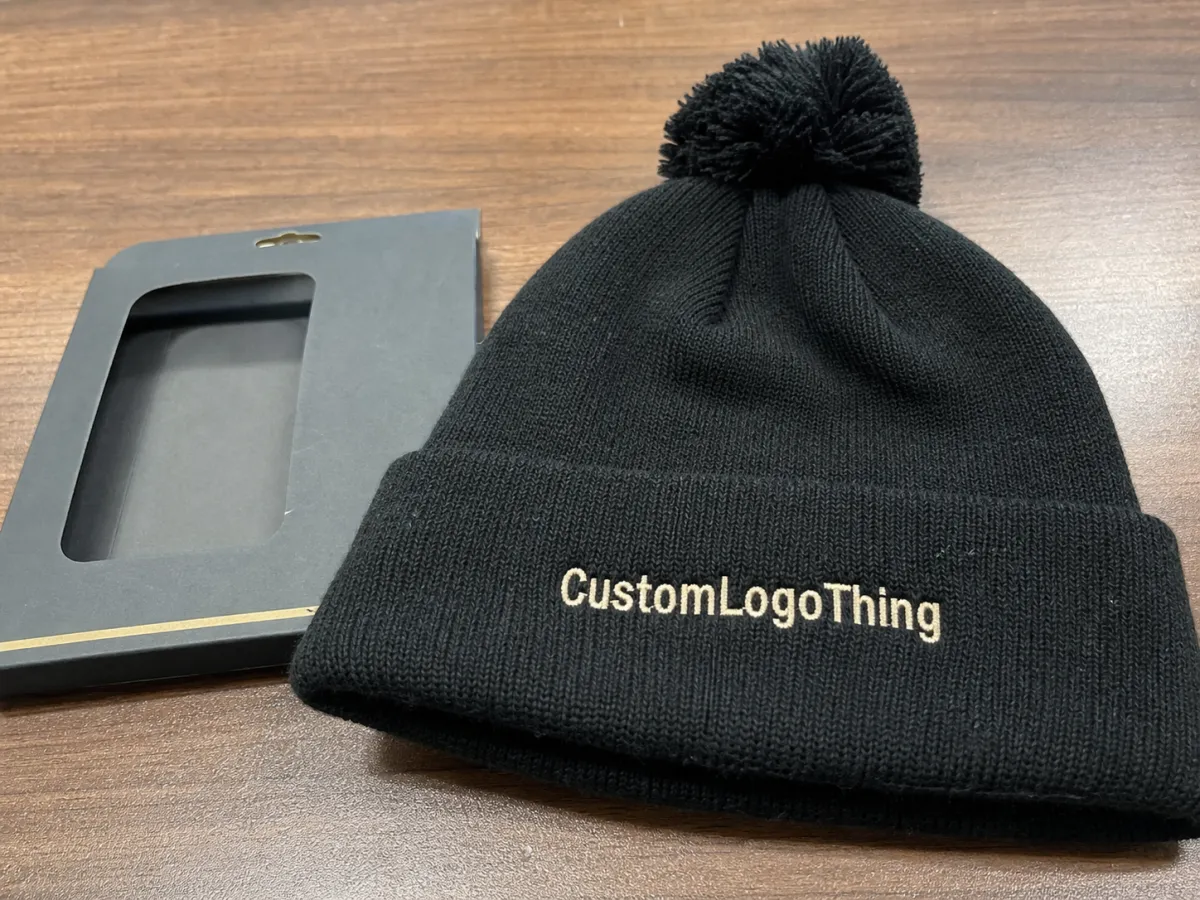
Seasonal buying rewards items that are visible, wearable, and easy to reorder. Pom Pom Beanies fit that brief unusually well. They travel across departments: housekeeping carts, front desk welcome baskets, ski shuttles, pro shops, holiday gifting tables. One product can support several uses without looking out of place in any of them.
The other reason they persist is simple economics. A beanie with a modest logo and a standard knit structure usually holds value better than a more decorative winter item with limited practical use. Buyers can justify the spend because the item is useful and because the imprint area is small enough that the product still feels like apparel. That balance is harder to achieve than it looks.
For most programs, the fastest route to better pricing is simplification. A single body color, one decoration method, and a fixed pom style tend to move hotel Pom Pom Beanies Unit Cost more than shaving the yarn weight by a small margin. The factory’s work is driven by setup, alignment, and repeatability. Reduce variation, and the quote becomes easier to control.
Common hotel uses fall into four buckets:
- Staff uniforms: suitable for outdoor service teams, ski hospitality, valet crews, and winter operations.
- Welcome gifts: useful in arrival kits, guest baskets, or seasonal room drops.
- Retail merchandise: practical for front desk or lodge shop displays where the item must look worth buying without packaging theatrics.
- Event giveaways: effective for holiday activations, destination partnerships, and winter promotions.
There is also a retention angle that buyers sometimes underestimate. Guests keep items that are comfortable and easy to wear. They discard objects that are novel but awkward. A soft cuffed beanie with balanced proportions is more likely to survive the first week of use, which is exactly what a branded hotel item needs to do.
That is why the brief matters so much. If the hotel wants the order to repeat cleanly, the spec should be stable from the start: one size target, one logo position, one approved shade range, one packaging plan. Every extra variable creates room for cost drift and approval delays.
Knitted Construction, Pom Styles, and Branding Details
Construction determines both feel and cost. Acrylic remains the most common base because it is warm, light, and predictable in production. Wool blends usually cost more but can improve handfeel and thermal performance. A buyer trying to hit a sharper budget often starts with acrylic and improves the perceived value through the trim, patch, or label instead of moving into a premium fiber from the beginning.
The knit structure matters too. Ribbed cuffs stretch well and tend to fit a broader range of heads, which is useful for staff programs and guest gifts. A tighter or more structured crown can look more polished on display, but it can also narrow the comfort window. For hotel use, that tradeoff should be deliberate rather than accidental. The best-looking beanie is not always the one people actually wear.
Poms add personality, but they also add labor. A soft yarn pom gives the classic winter look and is usually the least fussy option. A fuller multi-strand pom creates more visual volume and photographs well, though it can increase assembly time. Removable poms are helpful for retail packaging or mixed-use programs, yet the extra attachment hardware typically pushes the cost per piece upward. Uniform orders usually work best with a fixed pom because it is simpler to inspect and harder to misplace.
Branding should match the knit, not fight it. Embroidery works well for clean logos with strong shapes, especially on the cuff where the thread can read clearly. Woven labels are better for small details and thin strokes. Faux leather patches add a lodge or outdoor feel, while stitched badges feel more retail-forward. Each method changes the budget in a different way: embroidery tends to be efficient for simple art, while patches can lift the product visually but add cut-and-sew and attachment steps.
Useful specifications to lock before sampling include:
- Stitch gauge: influences texture, warmth, and logo clarity.
- Cuff height: affects fit and how much decoration space is available.
- Pom diameter: changes the silhouette and the amount of yarn required.
- Logo placement: determines visibility, balance, and repeatability across a run.
- Finishing method: affects comfort, seam appearance, and inspection time.
When these details are left vague, the quote becomes less reliable. The factory may need to revise the knit program, adjust decoration placement, or rework the sample. Those changes rarely look dramatic on paper, yet they are exactly where hotel Pom Pom Beanies unit cost starts to move.
Sizes, Color Matching, and Decoration Specifications
Most hotel programs use one-size adult fit, but that label hides meaningful variation. Some beanies are built with more stretch in the rib and crown, which makes them forgiving for mixed audiences. Others sit lower and tighter, which can look cleaner on a retail shelf. A guest giveaway benefits from flexibility. A premium ski or lodge piece often benefits from structure.
Color matching deserves more attention than it usually gets. Yarn behaves differently from print ink, and a color that looks close on a screen can shift once it is knitted into a textured surface. The safest approach is to provide Pantone references, a physical swatch, or an existing branded item for comparison. That extra step matters more in hospitality than in generic retail because the product is part of the property’s visual identity.
Decoration instructions should be specific enough to survive handoff from sales to sampling to production. State the logo location, the expected maximum stitch count if embroidery is used, and whether the final look should be tonal or high contrast. A tonal mark feels quieter and more premium. A contrast logo reads faster from a distance. Both can work; the wrong one is simply the one that does not fit the use case.
"The cheapest quote is often the one that ignores small details. The better quote is the one that survives sample approval without triggering a second round of fixes."
Sample approval is the point where many projects become more expensive than planned. The first proof should be checked for color accuracy, logo clarity, and overall proportion. If the cuff is too short, the pom is too small, or the decoration sits too close to the edge, the item may still be wearable but it will not match the intended standard. Buyers who approve from a realistic sample rather than from a screen image usually avoid the worst surprises.
There is a practical reason experienced buyers insist on this stage. Knit items do not present like flat artwork. Texture changes contrast, and curves affect the way logos sit on the surface. A logo that looks balanced on a file can feel crowded on the cuff if the gauge is too coarse. That is not a failure of the factory; it is a limitation of the medium. The sample reveals it early, which is exactly what it should do.
Hotel Pom Pom Beanies Unit Cost, Pricing, and MOQ
For most buyers, this is the part that decides whether the project moves forward. Hotel Pom Pom Beanies Unit cost is shaped by quantity, yarn type, knit complexity, pom construction, decoration method, and finishing. A simple acrylic cuffed beanie with a single embroidered mark sits at one end of the range. A heavier knit with a custom patch, fuller pom, and special labeling sits at the other. That difference is not cosmetic; it is operational.
Quantity matters because setup costs spread out over more pieces. The first 300 units are almost always more expensive per piece than the next 300 if the spec stays unchanged. That is the same logic behind most bulk pricing, but knit goods make it especially visible because machine setup and color alignment take time. Once the run is dialed in, the per-unit number becomes easier to defend.
MOQ is tied to that same reality. Knit production requires machine time, yarn allocation, and a certain amount of finishing labor before the order becomes efficient. Smaller orders are possible, but they usually carry a higher cost per piece. If the hotel is testing the concept, a limited-spec pilot can be smarter than forcing a premium build at a very low quantity. A clean first run often tells the buyer more than a fancy but overcomplicated sample order.
Below is a practical pricing frame. Exact numbers change by supplier, region, and season, but the structure is dependable.
| Spec approach | Typical MOQ | Typical unit cost | Setup and sample notes | Best fit |
|---|---|---|---|---|
| Acrylic cuffed knit + embroidered logo | 300-500 pcs | $3.20-$4.80 | Setup charges usually modest; sample often $40-$75 | Staff uniforms and welcome gifts |
| Wool blend + woven label + matching pom | 500-1,000 pcs | $4.50-$7.20 | More yarn control needed; sample may run $60-$100 | Premium guest gifts and retail |
| Heavier knit + faux leather patch + custom finishing | 250-500 pcs | $5.80-$8.50 | Higher labor and finishing cost; may add $0.35-$0.75 per unit | Upscale lodge or resort programs |
Those numbers are useful because they show where the budget pressure sits. The cost often rises faster from decoration changes than from a small change in yarn weight. Two logos, extra color changes, or a removable pom can each add complexity without improving the guest experience proportionally. Buyers who want value should compare the full build, not just the headline fabric.
Ask for the price in separate lines: unit cost, setup charges, sample charges, freight, and any rush or revision fees. A bundled quote can hide the actual driver of the expense. A clear line-by-line quote does the opposite. It shows whether the factory is charging for material, labor, or the extra handling that often appears when a spec is still changing.
For shipping-heavy programs, carton quality and packout method matter more than they first appear. Pom shapes flatten if the folding is sloppy or the cartons are overpacked. That can make a polished item look tired on arrival. If the product is moving through a distribution chain rather than directly to a property, packaging standards from ISTA are worth referencing. If hangtags or packaging components need paper sourcing standards, FSC can be relevant.
The short version: hotel pom pom beanies unit cost is controlled less by one magic lever than by a sequence of small decisions. Simpler artwork, fewer color changes, stable packaging, and fewer revisions usually beat aggressive bargaining on the base yarn alone.
Production Steps, Lead Time, and Sample Approval
A predictable production flow keeps the project from wandering. The sequence is usually inquiry, quote, artwork review, sample or proof approval, knit production, finishing, inspection, and packing. Each step is ordinary on paper. In practice, most delays happen where information is incomplete or changed midstream.
If the logo file is low resolution, if the Pantone reference is vague, or if the buyer changes the cuff height after the proof has already been prepared, the schedule stretches quickly. That is true for all custom apparel, but knit accessories are especially sensitive because construction and decoration are linked. A small alteration in one place can force changes in the rest of the run.
Lead time depends on yarn availability, decoration method, order quantity, and approval speed. A straightforward order using stock yarn and one embroidery location may finish in roughly 12-15 business days after proof approval. A more custom build with color matching, special label work, or a heavier finishing stage may need 3-5 weeks or more. Freight time sits outside that clock, and that distinction matters if the beanies are meant to land before a seasonal opening or a holiday program.
Typical delay points are easy to identify:
- Missing artwork: low-resolution files or incomplete placement notes slow quoting.
- Late color sign-off: yarn matching cannot move until the target shade is confirmed.
- Mid-sample changes: design edits after approval usually create extra labor.
- Poor freight planning: a finished order can still miss the event if shipping was not booked early enough.
Packaging is part of the schedule too. Clean folding, consistent carton counts, and basic moisture protection keep the beanies looking presentable when they arrive. A pom that is crushed in transit will often recover, but it may not recover enough to look premium on first handling. The difference is small in logistics and obvious at receiving.
For buyers, the safest sequence is clear: define the spec, approve the sample quickly, and confirm the delivery window before production begins. That is not about rushing the process. It is about removing ambiguity so the factory can run the order without interruption. The less the project changes after approval, the easier it is to keep both schedule and budget on track.
What Reliable Suppliers Deliver on Repeat Hotel Orders
Repeatability is the real test of a supplier. A decent first sample is useful. A second run that matches the first one is more valuable. That means the approved stitch density, yarn shade, logo placement, pom style, packaging, and measurement tolerances should all be documented so the next order does not have to be reconstructed from memory.
Hotels need that kind of consistency because seasonal programs return. A property may reorder months later and expect the same result, even if the internal buyer has changed. If the knit becomes looser, the color shifts, or the logo placement drifts by a few millimeters, the item can still be serviceable while feeling subtly off-brand. That kind of mismatch is expensive in a way that does not show up on the quote.
Good quality control covers more than appearance. Buyers should expect size checks, secure trim attachment, embroidery back inspection, pom stability, and carton packing that protects the shape in transit. If the beanie is headed for a guest room, a retail shelf, or a welcome basket, presentation starts before the item is even worn. Dust, wrinkling, and uneven folding all change the perception of value.
The best suppliers also explain pricing changes plainly. They should be able to say which elements move the quote up or down: extra yarn colors, denser embroidery, special labels, custom poms, or tighter packaging standards. If they can identify the cost driver before the buyer asks, the quote is usually grounded in production reality rather than sales language.
"A dependable reorder matters more than a perfect first quote, because the hotel needs a product that can be repeated without redesigning the whole item."
That is the standard worth applying to any seasonal knit program. Stable documentation, clear tolerances, honest pricing, and predictable packout protect both the product and the budget.
How to Request an Accurate Quote and Lock the Next Order
The fastest way to get a useful quote is to send a complete request the first time. Include quantity, required delivery date, logo files, brand colors, preferred decoration, sizing expectations, and packaging details. If the order needs hangtags, retail bags, or a special fold, say so up front. Missing information usually creates extra questions, and extra questions slow the estimate.
Ask for the quote to separate unit cost, sample charges, freight, and optional add-ons. That makes comparisons more reliable. One supplier may show a lower base price but add more through packing or revision costs. Another may quote slightly higher and include cleaner sampling or tighter carton handling. The true budget is the landed number, not the first line on the page.
Before artwork approval, confirm three things:
- MOQ: make sure the minimum fits the pilot run or hotel group plan.
- Sample timing: ask how long proof work and strike-off approval will take.
- Reorder documentation: save the approved spec so future runs can move faster.
If you are comparing two or three options, choose the version that keeps the build stable. One logo position is usually easier to live with than two. A proven yarn shade is usually safer than a custom tone that still needs multiple rounds of matching. The most attractive order on paper is not always the most practical one to repeat.
That practical discipline tends to protect hotel pom pom beanies unit cost better than almost any other single decision. Fewer revisions, fewer surprises, and fewer moving parts usually mean a cleaner landing.
For buyers who want an accurate quote, the best approach is still the simplest one: send a full spec, request line-by-line pricing, and approve the version that balances appearance, timing, and repeatability without adding unnecessary complexity.
What affects hotel pom pom beanies unit cost the most?
Quantity, yarn selection, decoration method, and the number of color changes usually have the biggest impact. Simple specs are easier to run, easier to sample, and usually cheaper per piece.
What is the minimum order for custom hotel pom pom beanies?
MOQ varies by construction and decoration because setup and sampling labor need to be spread across the run. Smaller pilot orders are possible, but they usually carry a higher cost per piece.
How long does a hotel pom pom beanie order usually take?
Simple orders with stock yarn and one decoration location can move in roughly 12-15 business days after proof approval. More custom builds with special yarn matching or added finishing often need 3-5 weeks or more, plus freight.
Can hotel pom pom beanies match our brand colors?
Yes, within the limits of yarn and knit texture. Provide Pantone references or a physical swatch so the supplier can match as closely as possible, then approve a sample before production.
What should I send to get an accurate hotel beanie quote?
Send quantity, artwork, color targets, decoration choice, sizing needs, packaging details, and your required delivery date. A complete spec makes the pricing more stable and reduces revision risk later.
For the clearest comparison, ask for separate line items for unit cost, setup charges, sampling, and freight. That keeps hotel pom pom beanies unit cost visible instead of hiding it inside a bundled number.


