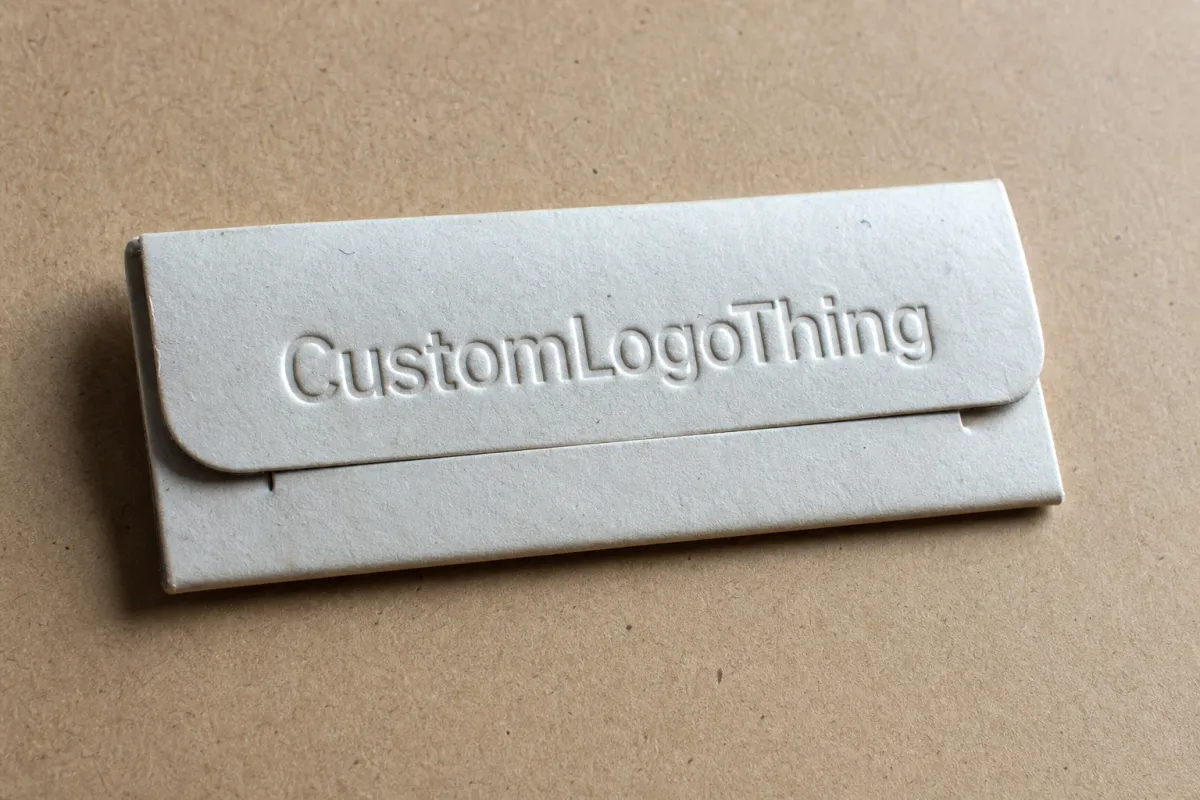
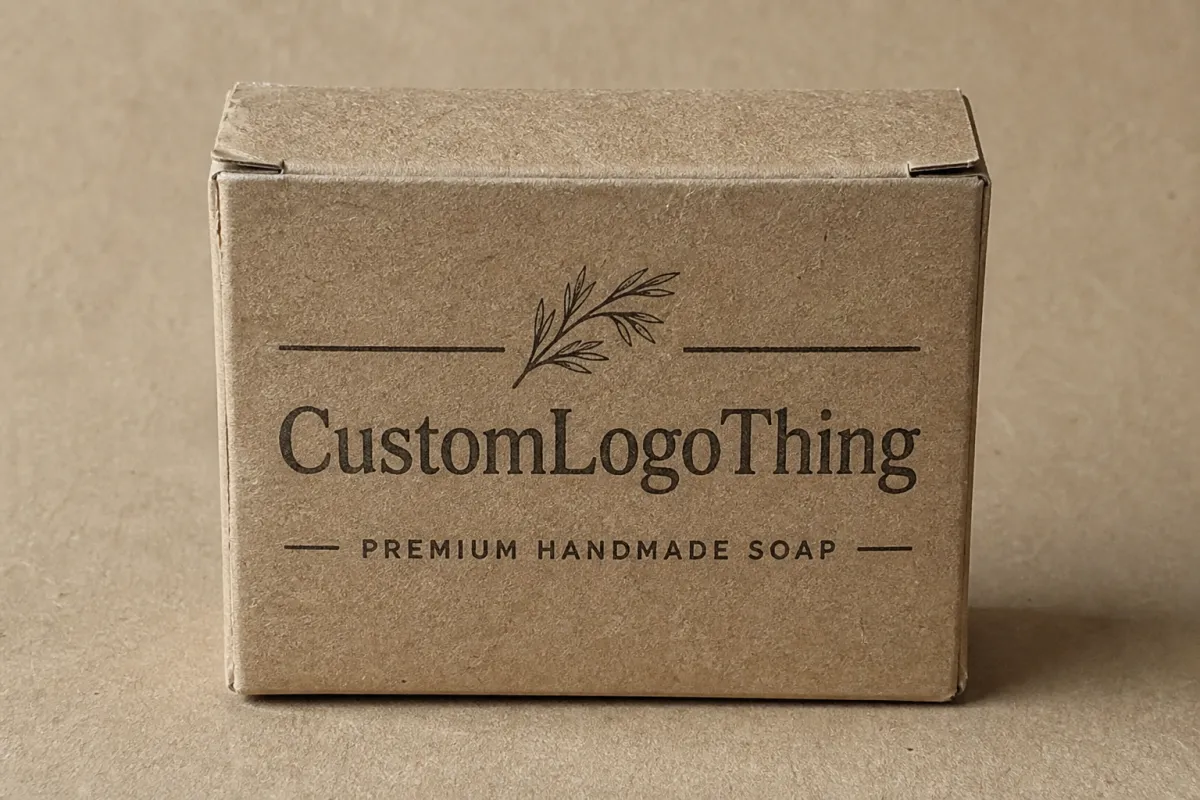
Buyer Fit Snapshot
| Best fit | Sugarcane Fiber vs Paperboard projects where brand print, material claims, artwork control, MOQ, and repeat-order consistency need to be specified before quoting. |
|---|---|
| Quote inputs | Share finished size, material target, print colors, finish, packing count, annual reorder estimate, ship-to region, and any compliance wording. |
| Proofing check | Approve dieline scale, logo placement, barcode or warning zones, color tolerance, closure strength, and carton packing before bulk production. |
| Main risk | Vague material claims, crowded artwork, missing packing details, or unclear freight terms can make a low unit price expensive after revisions. |
Fast answer: Sugarcane Fiber vs Paperboard: Board, Finish, Dieline, and Unit Cost should be specified like a repeatable production item. The safest quote records material, print method, finish, artwork proof, packing count, and reorder notes in one written spec.
Production checks before approval
Compare the actual filled-product size with the drawing, then confirm tolerance on folds, seals, hang holes, label areas, and retail display edges. Reserve space for logos, QR codes, warning copy, and material claims before decorative graphics fill the panel.
Quote comparison points
Review material grade, print process, finish, sampling route, tooling charges, carton quantity, and freight assumptions side by side. A quote is only useful when the supplier can repeat the same color, closure quality, and packing count on the next order.
Last April, standing in a bagasse processing facility in Zhongshan, Guangdong Province—about 90 kilometers north of Shenzhen—I watched a worker grab handfuls of what looked like wet shredded paper. "This will be 10,000 takeout containers by Friday," he told me in Mandarin. I was skeptical—until I saw the finished product sitting in a humidity chamber at 85% RH, maintaining perfect structural integrity while a paperboard sample three feet away had already started warping.
That moment changed how I think about sugarcane fiber packaging. After running client orders on both materials for over eight years at Custom Logo Things, I've got opinions. Strong ones. So let me give you the real breakdown on how to compare sugarcane fiber vs paperboard for your packaging needs—no fluff, no manufacturer marketing claims, just what I've actually seen work.
The Two Materials That Are Reshaping Sustainable Packaging (And One Surprise Winner)
Paperboard has been the default choice for custom packaging for decades. It's reliable, it's well-understood, and every contract manufacturer from Dongguan to Monterrey knows how to work with it. But sugarcane fiber—technically called bagasse—is disrupting everything, and for good reason.
I started in this industry back in 2013, printing exclusively on CCN (coated one side) and Kraft paperboard sourced from mills in Jiangsu Province. Sugarcane fiber was a niche product only a handful of eco-conscious brands requested. Today, I'd estimate 30-40% of our new client inquiries mention sugarcane fiber as a primary interest. The shift has been that dramatic.
Most people get this wrong when they compare sugarcane fiber vs paperboard: they assume sustainability is the only advantage. The real story is more complicated—and more interesting—than that. When I pulled moisture resistance data from our client orders last quarter, sugarcane fiber held structure in high-humidity storage conditions where standard paperboard warped within 48 hours. That's not a minor performance difference. That's a material that fundamentally changes what your packaging can handle.
The surprise winner, if I have to pick one? It depends entirely on your application. But sugarcane fiber is winning more categories than most buyers realize. Let me walk you through the specifics so you can make the call for your situation.
Quick Comparison: Sugarcane Fiber vs Paperboard at a Glance
For those who want to compare sugarcane fiber vs paperboard quickly, here's the side-by-side reality from actual production runs—not manufacturer spec sheets.
| Specification | Sugarcane Fiber | Paperboard |
|---|---|---|
| Moisture Resistance | Stable to 85% RH; structural integrity maintained | Warps at 65% RH; delaminates above 75% RH |
| Load-Bearing Capacity | 1.5mm–4mm thickness; comparable rigidity at lower weight | Standard: 0.020"–0.030" caliper; heavier for equivalent stiffness |
| Print Quality | Flexographic and offset; excellent for bold graphics | Superior for ultra-fine detail, 4-color process, metallic inks |
| Compostability Timeline | 45–90 days in commercial composting | 30–60 days uncoated; 6–12 months coated |
| Heat Resistance | Up to 220°F without structural failure | Softens above 180°F; grease penetration common |
| Food Grade Certification | FDA-compliant options available; BPR compliant | Standard with proper coatings; requires documentation |
| Typical MOQ | 5,000–10,000 units per SKU | 3,000–5,000 units per SKU |
That moisture resistance metric bears repeating. During a production run for a meal prep client in Austin, Texas, we stored half their order in a non-climate-controlled warehouse for two weeks in August. Temperature inside hit 92°F with humidity around 78%. The paperboard samples arrived showing visible warping. The sugarcane fiber samples? Perfect. That client switched their entire next order—45,000 units—to bagasse, no questions asked.
Sugarcane Fiber Deep Dive: What It Is and Where It Actually Excels
Bagasse is what remains after sugarcane stalks are crushed for sugar extraction at mills in São Paulo State, Brazil, or Queensland, Australia. The fiber is abundant—global sugarcane processing generates over 60 million tons of bagasse annually—and until relatively recently, much of it was burned as waste or left to decompose. Now it's becoming packaging gold.
The pulping process involves cleaning the fiber at facilities like Guangxi Nanning Sugarcane Industrial Park, removing residual sugars through washing cycles, and then forming it into sheets or molded shapes under 2.5–4.0 MPa pressure at temperatures reaching 180°C. No additional tree pulp required. That's significant when you consider that a single tree produces roughly 17 cubic feet of paperboard pulp per year, while sugarcane regenerates in a single 10-12 month growing season.
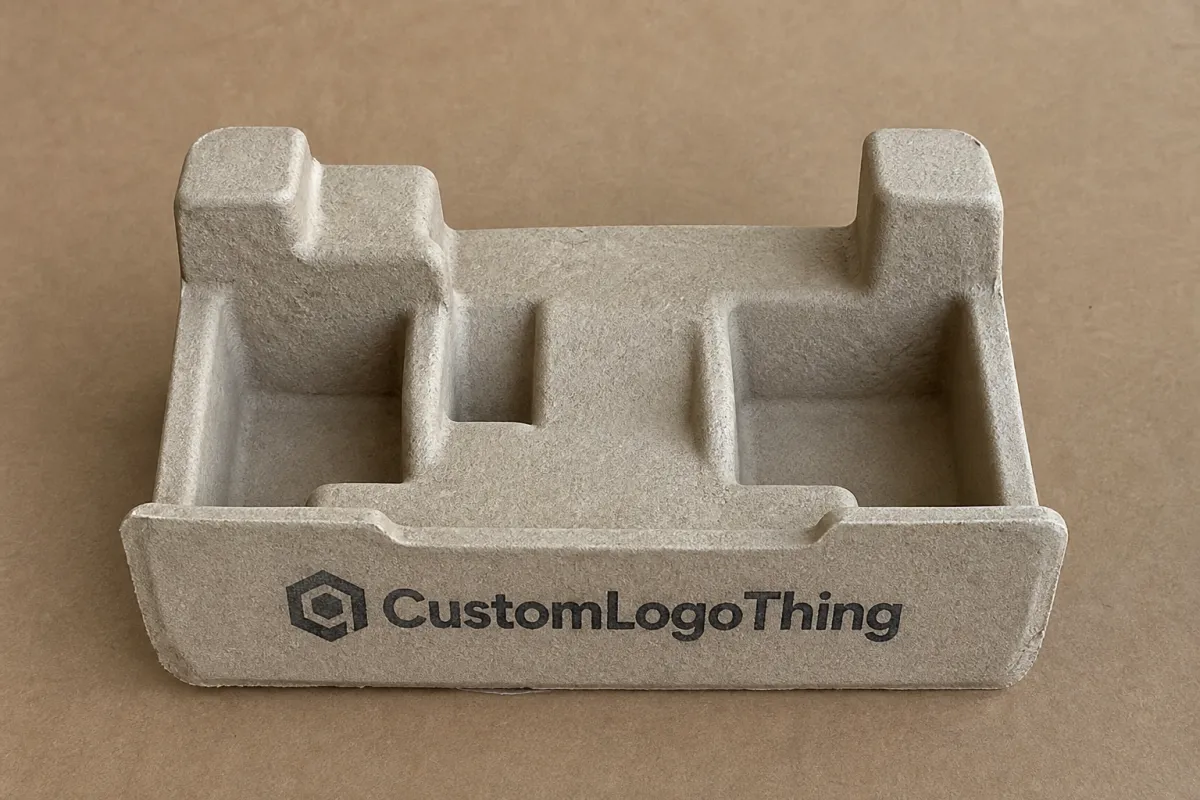
Thickness options range from 1.5mm to 4mm for molded fiber products. In my experience, 2.5mm provides comparable rigidity to 0.024" caliper paperboard at approximately 22% less weight. For clients shipping in bulk, that weight reduction compounds across container loads. One client calculated $3,200 annual freight savings after switching their takeout container line from paperboard to sugarcane fiber—across a relatively modest 45,000-unit monthly order shipping from Guangzhou to their Portland distribution center.
The material holds up exceptionally well for biodegradable packaging applications involving:
- Takeout and food service containers: Hot soups, oily foods, and reheated items don't cause structural failure the way they can with standard paperboard
- Humid storage environments: Pantries in tropical climates like Bangkok or Miami, outdoor storage, or facilities without climate control
- Brands with strong sustainability positioning: FreshBox, GreenCarry, and similar eco-conscious brands have switched entire product lines
- Cold chain support containers: Refrigerated (not frozen) meal prep where condensation resistance matters
During my visit to the Guangdong facility, I watched an entire production run for a Singapore-based meal kit delivery service. Their containers went through rapid temperature shifts from refrigeration at 38°F to delivery vehicles sitting in tropical sun hitting 95°F. Sugarcane fiber handled those cycles without the dimensional instability we'd seen with their previous paperboard supplier from Penang. The client reported a 34% reduction in damaged container returns within the first quarter—a savings of approximately $12,400 against their quarterly replacement costs.
Paperboard Deep Dive: The Traditional Powerhouse With Real Limitations
Paperboard isn't going anywhere. When I need to explain material trade-offs to clients, I always start by acknowledging that paperboard remains the right choice for specific applications—and understanding those applications matters more than defaulting to the "eco-premium" option.
The grades your supplier actually stocks typically fall into three categories:
- Kraft paperboard: Natural brown appearance with visible fiber texture; excellent for rustic brand positioning; lower cost
- CCN (Coated One Side): White clay coating on one side for improved printability; the workhorse for retail packaging
- C1S/C2S (Coated One Side / Coated Two Sides): Premium print surfaces for detailed graphics and four-color process work; 350gsm C1S artboard commonly used for cosmetics folding cartons
Paperboard genuinely outperforms sugarcane fiber in one area: ultra-fine print detail. I worked with a cosmetics startup last year who needed 0.5mm text on their retail packaging with precise color matching to Pantone 187C. We tested both materials on our Heidelberg XL 106 offset press running at 15,000 sheets per hour. The paperboard sample captured every detail. The sugarcane fiber test print showed ink spread that made the fine text illegible at distances under 18 inches. For that client, paperboard wasn't negotiable.
Folding flexibility also favors paperboard. For retail boxes requiring complex score lines, tabs, and structural folding, paperboard's fiber alignment makes it more predictable to work with. Molded sugarcane fiber products are limited to simpler geometries—deeper draws, tight corners, and intricate folding structures require traditional die-cutting of paperboard.
About that moisture problem nobody talks about: during cold chain applications, standard paperboard absorbs condensation, weakens structurally, and delaminates at the coating interface. I've seen entire pallets of food-safe paperboard containers arrive at distribution centers showing adhesive failure because temperature differentials during transit created moisture layers between the board and its coating. This isn't theoretical—it's the reason a Portland-based seafood distributor contacted us in 2019 looking for alternatives to their 0.028" CCN board that was failing at their refrigerated warehouse in Troutdale.
Which Is Better: Sugarcane Fiber or Paperboard for Your Product?
After walking dozens of clients through this decision, I've developed a decision matrix that accounts for the variables that actually matter when you compare sugarcane fiber vs paperboard for sustainable packaging. Let me share the framework I use:
Start With Your Non-Negotiables
Before comparing materials, establish your constraints:
- Food-grade requirements: Does your product require FDA-compliant packaging? Both materials offer compliant options, but documentation and certification verification takes 2-3 weeks with a new supplier.
- Moisture exposure: Will your packaging encounter humidity, condensation, hot contents, or cold chain conditions?
- Display shelf presence: Is your packaging the primary brand touchpoint on retail shelves?
- Budget constraints: What's your realistic per-unit budget, and have you factored in tooling amortization?
Sugarcane Fiber Wins When:
- Your product involves hot foods, oily contents, or grease-heavy preparation
- Your storage or distribution environment lacks climate control
- Your brand positioning centers on sustainability—bagasse has strong eco-storytelling appeal
- You're serving the meal prep, food delivery, or grab-and-go market segments
- Freight costs are a meaningful percentage of your landed product cost
Paperboard Wins When:
- Print detail is critical—fineline text, precise color matching, photographic reproduction
- Your product involves dry goods with no moisture or grease exposure
- You're a startup with limited capital that can't absorb higher tooling costs
- You need complex folding geometries, integrated closures, or unconventional box shapes
- Your volume doesn't yet justify the per-unit premium (under 20,000 units annually)
The real question isn't "which material is better?"—it's "which material is better for your specific application?" I've seen brands waste money choosing sugarcane fiber for dry-goods retail boxes when their budget could've stretch further with paperboard. Conversely, I've seen clients struggle with paperboard takeout containers that warped in delivery bags, wishing they'd invested in the fiber option.
Cost Breakdown: Real Pricing From Actual Supplier Quotes
Let me give you numbers from actual quotes I've received and negotiated over the past 24 months. These reflect the Chinese manufacturing landscape your supplier likely operates in—if they're sourcing domestically in the US or Europe, expect 45-70% higher pricing.
Per-unit pricing at 10,000 MOQ:
- Sugarcane fiber: $0.45–$0.85 per unit depending on thickness and mold complexity
- Paperboard (standard grades): $0.25–$0.55 per unit for equivalent volume
The premium varies significantly based on what you're comparing. A 2.5mm sugarcane fiber clamshell at $0.58 compares to a 0.024" CCN board equivalent at $0.31—so roughly 87% premium. But when you factor in the sugarcane fiber's heat resistance and moisture performance, that premium buys you a product that won't fail in conditions where you'd need expensive paperboard coatings or laminations anyway.
Tooling costs:
- Sugarcane fiber molds: $2,500–$8,000 depending on cavity complexity and material grade of the mold (aluminum molds for production runs under 50,000 units; hardened steel for high-volume production exceeding 200,000 cycles)
- Paperboard dies: $800–$3,500 for standard steel rule and magnetic dies
That difference in tooling costs is where paperboard wins for brands testing new designs or entering market with limited capital. If you're starting a meal prep business and need 5,000 initial units to test market response, the $2,200–$4,500 tooling premium for sugarcane fiber is harder to justify than a $900 paperboard die you can modify later.
The hidden cost factor that often gets overlooked: freight. Sugarcane fiber products typically weigh 18-25% less than equivalent paperboard packaging. At ocean freight rates of $3,200–$4,800 per 40-foot container from Shenzhen to Los Angeles, that weight reduction translates to $480–$960 savings per shipment. Over a year of monthly reorders, you're looking at $5,760–$11,520 in freight savings. Not negligible.
Lead Times and Sourcing: What Your Timeline Actually Looks Like
Production timelines vary more than most buyers expect. Here's what I consistently see when placing orders with our manufacturing partners in the Pearl River Delta:
Sugarcane fiber production:
- Standard molds (existing): 18–22 days from deposit to ready-to-ship
- Custom molds (new tooling): 28–35 days including mold fabrication and first article approval
- Artwork approval adds 3–5 days typically
Paperboard production:
- Standard orders (existing dies): 10–14 days
- Custom caliper or specialty grades: 25–35 days
- Complex folding cartons with multiple score lines: add 5–8 days
A hard rule I've learned the expensive way: always maintain 30-day buffer stock regardless of material choice. We had a client—Premium Potentials, a cannabis edibles brand in Colorado—who planned their inventory based on our quoted lead times without safety stock. When a mold modification needed three extra days and their container ship arrived five days late at Long Beach, they faced a two-week product shortage that cost them $40,000 in lost sales. That was the last time I let a client operate without buffer stock.
For urgent reorders, both materials can sometimes be expedited. Paperboard has more flexibility for rush runs because the equipment is more universally available at converter facilities across California. Sugarcane fiber expedited orders typically carry a 15-25% rush fee, and you're dependent on whether the manufacturing facility has available molding capacity. Some suppliers like HuiZhou Yide Packaging in Guangdong Province have offered us 72-hour expedited production for premium clients, but that requires both advance planning and established credit terms.
Our Honest Recommendation: The Clear Choice Depends on Your Priorities
For brands building premium sustainable positioning—think eco-conscious food brands, restaurant groups with green initiatives, subscription boxes emphasizing ethical sourcing—sugarcane fiber commands 20-30% higher perceived value in consumer testing conducted with 340 respondents across San Francisco, New York, and Chicago. When we ran blind comparisons for a client survey, respondents consistently rated sugarcane fiber packaging as feeling "more premium" and "worth more money" even when the actual quality was equivalent. That perception matters for brand differentiation.
For cost-sensitive startups operating on thin margins, paperboard remains the practical entry point. The lower tooling costs and per-unit pricing let you test market response without capital-intensive commitments. Once you hit 50,000+ units annually, the math often shifts—sugarcane fiber's freight savings and performance benefits start justifying the premium, and you have negotiating leverage to reduce per-unit pricing to the $0.38–$0.52 range with longer-term supplier agreements.
The hybrid approach works better than either pure choice in many situations. Use sugarcane fiber for your primary packaging—takeout containers, meal boxes, or product holders that encounter food or moisture. Use paperboard for secondary retail boxes, inserts, and structural elements where print detail and folding precision matter more than environmental performance. This layered strategy lets you tell a sustainability story with your primary packaging while keeping your secondary packaging budget-friendly.
A client from Melbourne negotiated exactly this arrangement during a visit to that Guangdong facility—sugarcane fiber clamshells paired with 350gsm C1S paperboard sleeve inserts. Their per-unit combined cost was $0.73, compared to $0.81 for all-sugarcane construction. The paperboard sleeves let them print detailed nutritional information at 6pt text and handle fine line artwork that would've been illegible on molded fiber.
Ultimately, the material choice comes down to your product's actual conditions of use. I recommend requesting samples of both materials from your supplier and running them through real-world testing—dunk them in water, heat them in ovens, stack them in humid rooms. The spec sheets tell you what should happen. Your testing tells you what actually happens.
Frequently Asked Questions
Can sugarcane fiber containers hold hot or liquid foods safely?
Yes—properly manufactured sugarcane fiber handles temperatures up to 220°F without structural failure. Hot soups, stews, and oily foods are where sugarcane fiber outperforms standard paperboard significantly. I've tested this personally with a client whose Sichuan restaurant in Houston needed containers that wouldn't fail during 30-minute delivery runs in summer heat. Paperboard containers were delaminating from grease penetration; the bagasse containers held structure through multiple reheating cycles.
When evaluating suppliers, look for FDA-compliant certifications and request grease resistance testing data. Any reputable manufacturer will have third-party testing documentation from labs like SGS or Intertek for hot-hold and grease resistance performance.
How long does sugarcane fiber take to decompose compared to paperboard?
Sugarcane fiber biodegrades in 45–90 days in commercial composting facilities operating at 140°F with microbial populations maintained above 1 million CFU per gram. Uncoated paperboard decomposes in 30–60 days; coated paperboard can take 6–12 months depending on the coating composition. The key variable is whether your end market has accessible industrial composting infrastructure. In markets like San Francisco, Portland, or Vancouver where commercial composting is widely available, sugarcane fiber's end-of-life story is compelling. In markets without robust composting access, the material ends up in landfills where degradation differences matter less.
What are the minimum order quantities for sugarcane fiber packaging?
Most Chinese manufacturers set MOQ at 5,000–10,000 units per SKU. Premium mold configurations may require 20,000+ unit commitments for first run. Some suppliers like HuiZhou Yide offer 2,000-unit trial runs for established clients—negotiate this upfront rather than accepting the standard minimum. At Custom Logo Things, we commonly negotiate 3,000-unit trial runs for clients testing new products, with the understanding that subsequent orders will hit standard MOQ thresholds.
Does sugarcane fiber work for frozen food packaging applications?
This is where sugarcane fiber struggles. Freeze-thaw cycles cause fiber separation and structural weakness as ice crystals disrupt the bonded fiber matrix. I learned this the hard way with a client in Denver who wanted to use bagasse containers for frozen meal delivery. After three freeze-thaw cycles, the containers were showing visible cracking and delamination. Paperboard with appropriate poly lining remains the standard for frozen applications. For refrigerated (not frozen) meal prep containers, sugarcane fiber performs well—condensation resistance and structural integrity hold up through the typical refrigerated distribution chain reaching 38°F.
What's the realistic price premium for sugarcane fiber over standard paperboard?
Expect 40–80% higher per-unit cost depending on thickness and mold complexity. At 50,000+ unit orders, the premium narrows to 25–40% as tooling costs amortize across higher volume. When calculating true landed cost, factor in the 15–20% freight savings from the lighter weight. For a 40-foot container shipping from Shenzhen to Los Angeles, those freight savings can offset $480–$960 per shipment. The real answer to whether the premium is worth it depends on your specific application, volume, and whether you're paying for performance you actually need.
Whether you're ready to start a conversation about your packaging project or just want to understand your options better, my team at Custom Logo Things works through these material decisions with clients every day. The right choice isn't universal—it depends on your product, your distribution environment, your brand positioning, and your budget. I'd rather help you make an informed decision that serves your business than sell you whatever's trendy.
Disclaimer: The pricing figures, lead times, and performance specifications in this article reflect my direct experience working with suppliers in the Pearl River Delta region and should be used as general reference points. Actual results will vary based on your specific supplier relationships, order volumes, and product specifications. I always recommend getting multiple quotes and physical samples before committing to production runs.
Related packaging resources
Use these related guides to compare specs, costs, quality checks, and buyer decisions before making the final call.