The supplement Logo Patch Beanies Material Sample guide helps buyers verify what a mockup cannot: how the knit feels, how the patch sits, and whether the finished beanie still looks intentional once decoration is attached. A screen render can make a logo look clean even when the actual patch is too thick, too stiff, or poorly scaled for the cuff. For supplement brands, gyms, club merch, and retail programs, that gap between image and object is where most approval mistakes happen.
A sample is not just a preview. It is the fastest way to confirm whether the fabric, patch construction, fit, and presentation all support the same product goal. If the order is meant to feel premium, promotional, or performance-driven, the sample should show that clearly. Used correctly, the supplement Logo Patch Beanies material sample guide becomes a buying tool that reduces rework, prevents vague sign-off, and gives each stakeholder the same physical reference.
What the supplement logo patch beanies material sample guide reveals fast
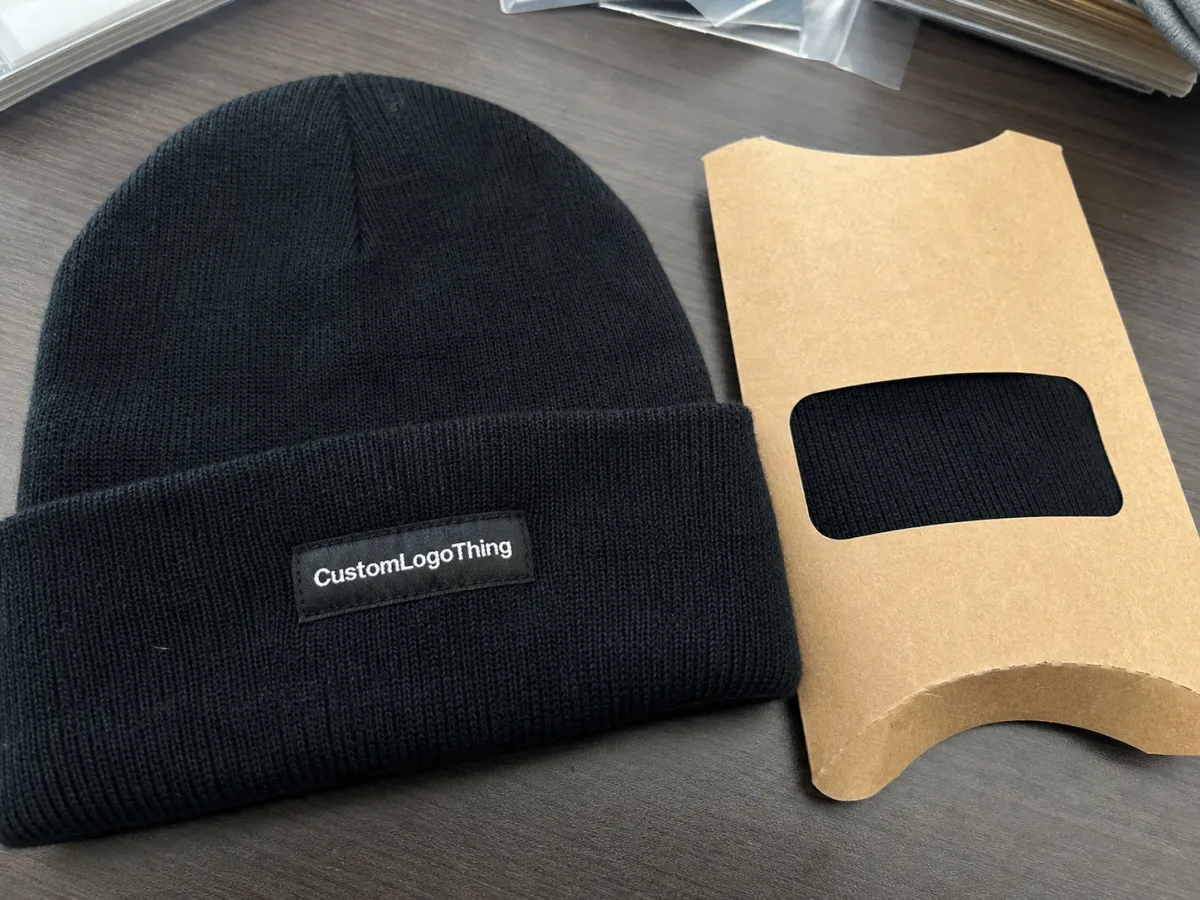
A physical sample exposes issues that a digital proof hides. The patch may sit too tall on the knit, the logo may lose clarity at beanie scale, or the stitching may pull the fabric slightly off-center. Those problems are easier to fix before bulk production than after approval, which is why buyers should treat the first sample as a decision checkpoint, not a formality.
The sample answers four practical questions quickly: does the logo remain legible, does the fabric feel right in hand, does the patch hold its shape, and does the fit still work once decoration is added? A supplement brand may also care about shelf impact or social-media presentation, so the sample should show whether the piece reads like real merch instead of a generic giveaway.
A sample should answer one question: if the full order looked exactly like this, would I approve it?
It also helps align different teams. Marketing may care about logo visibility. Operations may focus on repeatability. Finance may want to know whether the sample reveals an unexpected cost jump. One physical piece gives everyone the same object to judge, which reduces the risk of approving different versions in their heads.
Another advantage is that the sample makes weak assumptions obvious. Tiny text, hairline outlines, or a complex layered logo can look fine in artwork and fail when translated into patch form. Likewise, a soft knit that looks premium online can feel too casual in the hand. The sample is where those tradeoffs become visible.
How the sampling process works from artwork to stitch-out
The sampling process is usually straightforward, but each step depends on clear specifications. It starts with artwork review, followed by confirmation of patch size, placement, and the base beanie style. After that, the supplier selects the patch construction, prepares a proof or stitch-out, and produces a physical sample. Once the buyer approves it, the order can move into bulk production.
- Artwork review: confirm logo files, colors, and minimum line thickness before production starts.
- Spec lock: set patch diameter, placement from the cuff edge, and the exact beanie style.
- Material choice: choose acrylic, cotton blend, wool blend, or recycled yarn, then confirm patch type.
- Proof or stitch-out: review how the decoration will translate before the full sample is made.
- Physical sample: approve the actual beanie, not just a photo of it.
- Bulk release: start production only after the sample matches the agreed spec.
The strongest projects arrive with a tech pack or at least a clear spec sheet. A vague note like “make it premium” slows the process because it leaves room for guesswork. Better instructions include patch material, backing method, cuff height, placement from center front, and whether the logo should sit exactly centered or slightly above the fold line.
Most suppliers will provide a photo proof first when the design is simple, but more complex patches may require a finished sample before the buyer can judge accuracy. If the logo includes fine lettering, multiple colors, or dimensional effects, review one change at a time. That prevents a debate over too many variables at once and makes revision notes easier to act on.
Material, patch, and fit variables that change the final look
Material is the first variable that changes how a beanie reads in person. Acrylic is common because it is flexible, cost-effective, and easy to knit at scale. Cotton blends feel softer but may have less stretch recovery. Wool blends create a warmer, more elevated handfeel, though they often raise the unit price. Recycled yarns are a useful option when the brand needs a sustainability story tied to the product.
Patch style matters just as much. Embroidered patches feel classic and tactile, but dense logos can make them bulky. Woven patches hold small text and tight detail better, which is useful when the logo is compact. PVC and TPU patches create a modern, dimensional look, though they can feel heavier and may need careful placement on soft knits. The right sample shows which patch style actually fits the brand, not just the artwork.
| Patch option | Visual effect | Typical sample cost impact | Best use case |
|---|---|---|---|
| Embroidered | Textured, traditional, high tactile appeal | $35-$60 | Bold logos, classic retail merch |
| Woven | Flat, sharp detail, cleaner small text | $40-$70 | Fine lettering, compact brand marks |
| PVC | Glossy, dimensional, modern | $50-$90 | Sports, streetwear, high-contrast logos |
| TPU | Sleek, flexible, slightly softer than PVC | $50-$90 | Minimal logos, contemporary finish |
Color matching is another place where samples earn their keep. Yarn shade, thread sheen, knit density, and light reflection on the patch surface can all change how the logo appears. A black mark on heather gray may look cleaner than the same black on charcoal. A glossy patch can also read darker than a matte one. The real question is not whether every tone is exact, but whether the contrast supports the intended brand look.
Fit is branding as much as comfort. A shallow cuff can force the patch too close to the forehead, while a deep crown can create a slouch that changes the logo’s visual balance. Stitch tension matters too. If a thick patch sits on a soft knit, the sample may reveal slight distortion around the logo or a ridge near the edge. That is the time to adjust placement, not after thousands of units are in motion.
Packaging for the sample can affect how it is judged. If the piece arrives folded into a thin mailer, wrinkles may make the fit look worse than it is. For sample kits, kraft paper wraps inside corrugated cardboard mailers usually protect the beanie better and keep the presentation tidy. When sustainability claims matter, ask whether packaging can use FSC certified board or recycled materials. For transit-heavy shipments, guidance from the International Safe Transit Association can help, and certification language can be verified through FSC.
Process, timeline, and turnaround for sample approval
A sample usually moves faster than bulk production, but it is not instant. Simple requests can take about 7-12 business days after artwork approval. More complex patch construction, specialty yarn sourcing, or a second revision can extend the timeline into the 2-3 week range. If tooling is involved, or if the buyer wants to compare multiple patch types side by side, the schedule stretches further.
The best way to manage timeline is to separate design approval time from production time. That makes it easier to see where the delay sits: artwork, placement, patch choice, or finish. Most late deliveries happen because one of those variables was still open when the order should have been locked.
Communication speed matters more than many teams expect. A factory can only move as quickly as it gets answers. If placement is unclear, the sample pauses. If the patch outline changes after proofing, the sample restarts. If the buyer wants two cuff heights, that becomes two separate approvals. The timeline is really a decision map.
For seasonal launches or event merch, build the sample into the launch calendar early. A 10-day delay on approval can turn into missed sales if the beanies are tied to winter drops, expo giveaways, or supplement campaign bundles. One revision cycle is usually enough if the initial brief is accurate.
If samples are being reviewed across multiple offices, standardize the unboxing. Use the same insert note, the same reference artwork, and, if possible, similar lighting conditions. That keeps the evaluation consistent and avoids the problem of different teams judging the same piece by different standards. For shipping inserts, biodegradable packaging can be a useful option if it still protects the beanie from creasing and abrasion.
Cost, MOQ, and quote drivers you should ask about
Pricing usually moves with five inputs: patch type, logo complexity, yarn choice, sample count, and setup fees. A basic embroidered sample is usually less expensive than a custom PVC or TPU patch, which may require tooling or a mold charge. Multiple colors, metallic thread, or special finishing can raise the quote quickly. The sample cost should be separated from the bulk unit cost so the buyer can compare development expense and production expense clearly.
MOQ changes the economics. A run of 100 to 300 beanies often carries a higher per-piece price because setup is spread over fewer units. At 1,000 pieces or more, the unit price generally comes down, but inventory risk rises. For supplement brands tied to campaigns or seasonal drops, that tradeoff matters. A transparent supplier should explain where the cost inflection point sits.
| Quote item | What to confirm | Why it matters |
|---|---|---|
| Sample fee | Whether it is credited back on bulk approval | Avoids paying twice for the same development work |
| Setup or mold fee | Whether it applies to each patch style | Can shift the first-order budget significantly |
| MOQ | Minimum per color, style, or patch type | Changes real unit cost and inventory exposure |
| Revision rounds | How many changes are included | Prevents surprise charges if the first sample needs adjustment |
| Packaging spec | Whether custom wraps, labels, or inserts are included | Affects presentation, freight, and sustainability claims |
Ask for line-item clarity so you can compare vendors fairly. One quote may look lower until patch setup, revised artwork, and packaging are added back in. Another may look higher but include sample credit, label application, and better finishing. The sample guide should therefore extend into quote review, because the cheapest estimate is not always the lowest total cost.
For brands that care about sustainability positioning, ask whether outer packaging can use corrugated cardboard and kraft paper, or whether it can include recycled materials and verified FSC certified components. These choices usually do not change the beanie itself, but they do affect how procurement, retail partners, and customers view the sample.
Common sampling mistakes that skew the result
The biggest mistake is approving from a vague brief. If artwork, placement, and size are not pinned down, the sample becomes a moving target. A second mistake is relying on photos alone. Screens flatten texture, hide thickness, and can make a woven patch look sharper than it will in hand. The physical sample is where density, scale, and stitch behavior become visible.
Overdesign is another common problem. Too many colors, tiny text, or thin outlines may work in a digital file but blur once translated into patch construction at beanie size. The smaller the patch, the more the design has to work within the garment’s scale. Logos that are simplified well usually outperform logos that try to preserve every detail.
Fit errors are equally costly. A patch placed too low can interfere with the cuff fold. A patch that is too wide can make the front panel stiff. A thick decoration on a soft knit can create an obvious ridge that shoppers notice right away. The sample is supposed to surface those issues before bulk locks them in.
Do not treat the first sample as the final answer. Use it to create a short punch list: shift the patch a few millimeters, soften the thread sheen, increase the cuff depth, or switch to a woven patch for finer detail. That is how the sample process saves money instead of merely consuming time.
Expert checks and next steps before bulk production
Before bulk approval, check logo legibility, patch alignment, seam placement, color accuracy, comfort, and consistency across front and side views. Then compare the sample against the approved artwork and any prior reference piece under the same lighting. Natural light is useful, but a consistent indoor source helps reduce the effect of shadows and glare.
A clean approval process usually looks like this:
- Approve if the sample matches the spec and only needs normal production tolerances.
- Revise if the issue is specific, measurable, and worth correcting across the run.
- Request a second sample if the patch construction, fit, or color still feels unresolved.
Write comments against exact points on the sample, not broad impressions. “Patch is too bulky at the lower edge” is actionable. “Feels off” is not. If the sample revealed a better placement, make sure the production spec is updated before release. Otherwise the final run can drift back to the original drawing.
The best teams use the sample to ask the last hard questions. Is the logo still readable after the patch is attached? Does the beanie feel like part of the brand’s merch line rather than a generic promo item? Does the packaging support the same level of care, whether the shipper uses biodegradable packaging, FSC certified inserts, or recycled materials? If the answers are yes, the order is ready.
Used properly, the supplement Logo Patch Beanies Material Sample guide is not paperwork. It is the shortest path to a tighter spec, a cleaner quote, and a production run that looks intentional on head, not just on screen.
Frequently Asked Questions
What should a supplement logo patch beanies material sample include?
It should show the actual beanie fabric, the final patch material, logo placement, and the approximate finished size. If the patch is sewn or heat-applied, ask for the thread, color, and backing method. If fit matters, request the intended cuff and crown style so the sample reflects the real product.
How long does a supplement logo patch beanies sample usually take?
Simple requests can move in about 7-12 business days after artwork approval, while custom patches, specialty yarns, or revisions can extend the lead time into the 2-3 week range. Fast feedback and a clear spec sheet usually shorten the turnaround more than anything else.
Can I compare different patch materials in one sample request?
Yes, and it is often the smartest way to choose between embroidered, woven, PVC, or TPU patches. Side-by-side samples make texture, thickness, and detail clarity much easier to judge. Ask the supplier to label each version clearly so the review stays organized.
What affects the sample cost and bulk quote the most?
Patch construction, design complexity, yarn choice, and any setup or mold fees usually drive the price. MOQ can lower unit cost on larger orders, while small runs often cost more per piece. Rush production, color matching, and revision rounds can also add to the final quote.
What if the sample color is close but not exact?
Compare the sample against the original reference under natural light and consistent indoor light. Ask whether the issue comes from yarn dye, thread sheen, or patch finish before requesting changes. If the difference matters, document the correction clearly so bulk production follows the updated standard.


