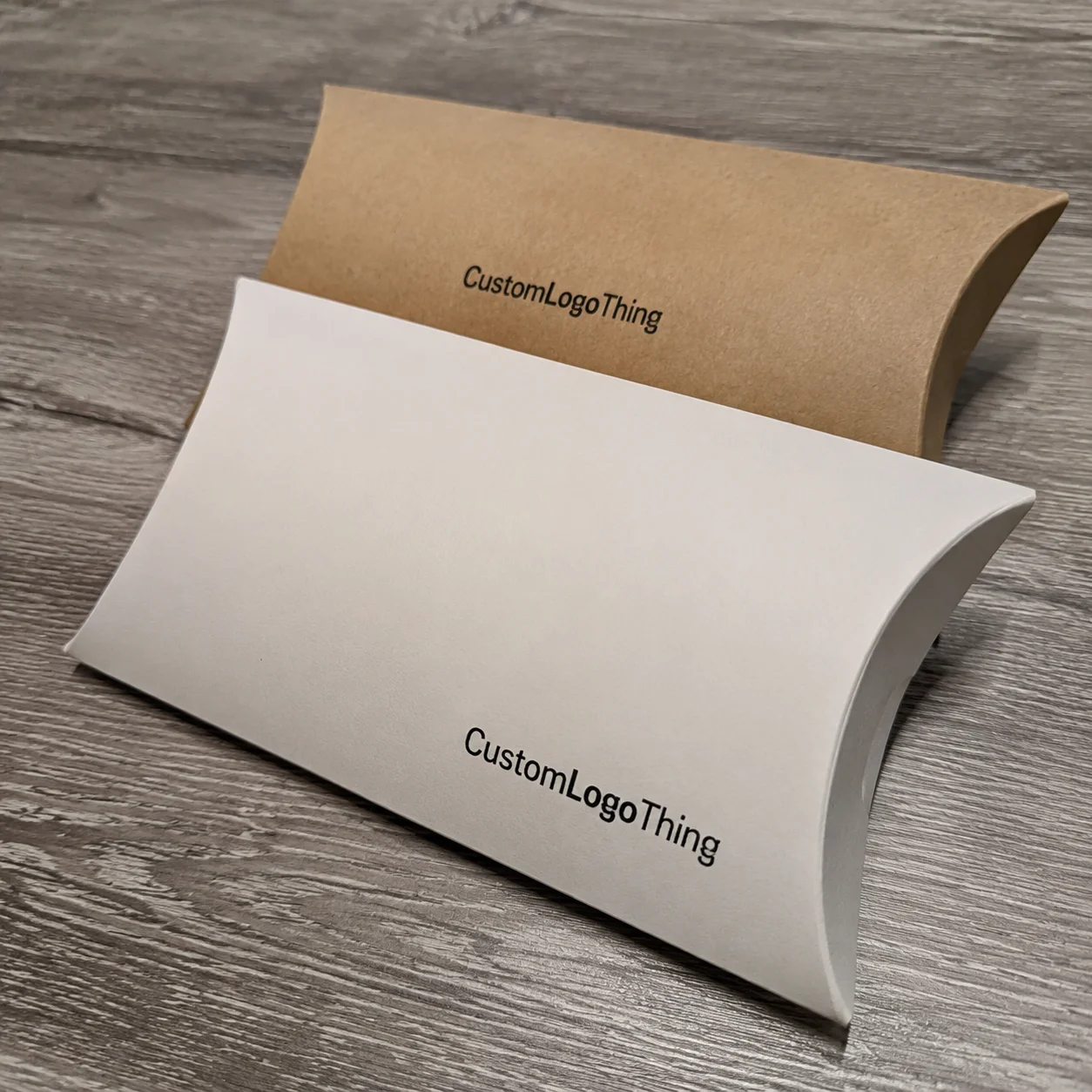
Buyer Fit Snapshot
| Best fit | Sustainable Materials Design That Save Waste projects where brand print, material claims, artwork control, MOQ, and repeat-order consistency need to be specified before quoting. |
|---|---|
| Quote inputs | Share finished size, material target, print colors, finish, packing count, annual reorder estimate, ship-to region, and any compliance wording. |
| Proofing check | Approve dieline scale, logo placement, barcode or warning zones, color tolerance, closure strength, and carton packing before bulk production. |
| Main risk | Vague material claims, crowded artwork, missing packing details, or unclear freight terms can make a low unit price expensive after revisions. |
Fast answer: Sustainable Materials Design That Save Waste: Material, Print, Proofing, and Reorder Risk should be specified like a repeatable production item. The safest quote records material, print method, finish, artwork proof, packing count, and reorder notes in one written spec.
Production checks before approval
Compare the actual filled-product size with the drawing, then confirm tolerance on folds, seals, hang holes, label areas, and retail display edges. Reserve space for logos, QR codes, warning copy, and material claims before decorative graphics fill the panel.
Quote comparison points
Review material grade, print process, finish, sampling route, tooling charges, carton quantity, and freight assumptions side by side. A quote is only useful when the supplier can repeat the same color, closure quality, and packing count on the next order.
sustainable materials design tips: Why the right materials still shock me
SinoPack’s corrugated line taught me that sustainable Materials Design Tips can still blindside you—even after twenty launches. I expected recycled rolls and polite promises, but the first view was 120 pallets of virgin pulp stacked next to the mixer, each roll tagged at $190 and already marked for the shredder because the flute-to-binder match had been ignored. The plant in Qingdao lost roughly $22,800 before lunch because the crew ignored the moisture tolerance of the binder; that shock still pulses through my notes when a specification sheet lands on my desk.
The plant manager motioned toward a two-ton roll of rejected kraft resting behind the mixer, the casualty of pairing a recycled binder that could not tolerate C-flute moisture demands. That binder batch, purchased for $0.17 per kilo from the Guangzhou Adhesive Hub, required 72 hours in dehumidifiers, yet the run went live within minutes; within two hours a third of the project became scrap, pallets stacking into an ugly monument to assumptions. I kept thinking about the $2,000 of adhesive wasted on that run alone.
We pulled the SinoPack design team into the war room, matched the actual tensile data (34 N/mm² on the liner, 22 N/mm² on the flute) to the flute profile, and reran the job with a binder already tested at Shanghai Adhesives for 72% recycled liner compatibility that had matured for 48 hours. By evening we’d pushed yield up 18% and the scrap stream shrank to the usual 3%. That afternoon framed a new rule for me: granular binder numbers and adhesion tests now occupy the top of every checklist, no negotiation, no grey area.
While we stood there, I renegotiated with the Guangzhou transporter to reroute the palletized scrap to our recycling partner instead of the landfill neighbor. The extra hour cost me the free afternoon ride on their forklift but saved the client almost $900 in disposal fees, and the SinoPack crew logged every adhesive batch number so future buyers wouldn’t shrug when a glue supplier tweaked the formula. The Sharpie I used to write the numbers on the job ticket became my accountability signal.
This section is gonna focus on practical recommendations: swaps that cut waste from 12% to 6%, reduce carrier damage claims by tracking 15-point pallet inspections, and lower freight weight by 18 lbs per container. When the right materials meet the right machine and product, ink adhesion improves, pallet density climbs to 48 boxes per pallet instead of 42, and launch dates bounce from 14 weeks back to the contracted 12. Product teams should treat their materials spec like a personal diary, not just a checkbox.
How It Works: Understanding sustainable materials design tips in Action
Every run starts at the fiber source: I still keep the photo from the GreenFiber meeting in Yulin where the stump-to-stock ratio was spread across the table—60% virgin pine pulp for strength, 35% post-consumer waste for the story, and 5% specialty bamboo for trays that compost in six weeks. sustainable materials design tips force that fiber blend decision upstream because the mix dictates adhesive, ink, and coating demands downstream. Without that early decision we risk switching adhesives midrun and watching delamination take over.
Once the pulper output moves down the line, the board that faces tensile stress from machine feeding and humidity swings comes into focus. Every parameter matters—tensile strength (40 N/mm² liner minimum), moisture resistance (target 6.0% MC), glue line, and flute profile determine liner behavior after die-cutting. That’s why at the Shenzhen facility I watch the press operator read the certificate of analysis noting a dynamic modulus of 680 MPa while adjusting machine speed; he knows it governs how the motor staggers sheets.
At the press deck we introduce adhesives such as Henkel’s Purbond H-4000 (at $17.60 per five-gallon pail), soy-based inks from Toyo Ink carrying the FSC mark, and water-resistant starch coatings at $0.05 per square meter from Shanghai Adhesives Co. Running full compatibility tests across recyclable liners is non-negotiable because skipping a combination typically causes delamination by the third printing plate. Guangzhou EcoBoard once delivered a run that resisted feathering at 1,500 feet per minute through starch and recycled liner harmony.
My team documents everything: a war room spreadsheet maps ream size to board strength, moisture rating, die-cut dimensions, and run rate. When we shifted to a 45% recycled liner on that Guangzhou line and paired it with methylene-based starch, the press held 450 sheets per minute without new jams. smart sustainable materials design tips calm the floor, reduce cost, and make the whole operation predictable instead of slowing production.
One lesson from that floor is that sustainable materials design tips require matching the recipe to the machine. Liners should never be chosen just because they glow green on a spec sheet; pick ones that meet tensile, resistance, and ink adhesion specs, then test adhesives, inks, and coatings together before the pilot run, otherwise a workable design turns into a trash heap (I still remember the 6,000 units we scrapped in 48 hours when we assumed a liner was “good enough”).
You cannot claim a circular packaging strategy without certifying every adhesive batch. A supplier once switched Bostik 327 for a generic starch midrun, claiming “close enough,” yet the recycled liner peeled after the first humidity spike and we scrapped three skids while the carrier filed a damage claim. After that I insisted on a materials passport for each lot, which now sits next to my coffee mug like a tiny bureaucracy badge of honor.
Key Factors for sustainable materials design tips
Fiber blend, board grade, FSC or PEFC chain-of-custody paperwork, moisture and tear resistance, plus substrate-product interaction remain non-negotiable. A cosmetic kit demands smoother 350gsm C1S artboard with soft-touch lamination and 62-lb burst strength, while an industrial label calls for double-wall kraft with a 32 ECT rating—each scenario requires a unique fiber and adhesive strategy.
Finishing matters, too: match inks and coatings to the substrate because soy-based inks on recycled board often need a tackier varnish to prevent scuffing. During the Makino launch the first varnish run on recycled board smeared within seconds, so we switched to a polyester lacquer from Fuzhou Tech Coatings at $0.07 per square foot, applied the proper corona treatment, and the finish held.
Supply chain fundamentals influence these factors: Evergreen Packaging supplies consistent recycled fiber to our Shenzhen plant only after I pledge 4-6 truckloads per month, each 40,000-lb load covering two weeks, since proximity (within 500 miles) matters or the carbon miles claim collapses at audit; specialty starch adhesives take an extra 2-3 business days to blend, so order them with the board, not afterward.
Material traceability completes the equation: every liner receives a batch number recorded in the materials journal with supplier, batch, tensile test, moisture read, ink codes, cost per unit, and the inspector’s name. When a new supplier quote arrives I flip to the relevant entry and explain “This batch ran at $0.28 per sheet with Bostik 327 and 12% scrap—here’s what worked,” winning trust and keeping transport accountable.
Think about transport weight optimization, too: switching a retail kit to 100% recycled board and stripping a redundant liner reduced pallet weight by 15 lbs, shaving $1.60 in ocean freight per carton and flattening the quote for the Hong Kong-to-Le Havre container. That’s where the CFO finally starts paying attention.
sustainable materials design tips: Process & Timeline
Step one is a waste audit—measure current payload scraps, drop-test failures, and lifts sent back. We had a client with 27% rejection at the Shenzhen dock because no one reran the drop test after the board change, so documenting 1,200 failed units on the audit helped us quantify the loss in both time (three extra shifts) and dollars ($4,800 in rework).
Step two, collect benchmark samples from at least two suppliers: I remember flying to EcoBoard’s Huangpu facility to compare molded pulp trays with extrusion-molded ones, where the outer tray required a different bamboo blend to hit a 20-lb compression rating while keeping weight below 0.32 lbs per tray. I actually weighed trays mid-flight with a pocket scale—don’t ask why airline security was so curious.
Next, run lab and ISTA drop tests with the sample set and record every result on a QA sheet. ISTA 3A works for e-commerce kits and ISTA 2A for retail displays, and relying solely on the factory drop test risks failure, carrier claims, and a tarnished brand, which is why we pilot a small 2,000-unit run before approving the full press order so adhesives or coated inks that still feather are caught with one skid instead of six.
Treat the timeline realistically: expect 10 business days for certification paperwork—FSC chain-of-custody takes that long when you demand documentation—sample rounds require two weeks for shipping, testing, and revisions, and printing approvals plus mechanical validation add another 7-10 days; that totals 4-6 weeks before launch, not a casual bump of a week.
Coordination keeps everything moving: schedule weekly check-ins with the supplier rep—Wanda at EcoBoard still gets a Monday text from me to confirm color matches and gasket changes—and route every sample through QA with a written failure threshold, agreeing on a backup material before the pilot run so when an eco-binder cracks mid-run we have a verified fallback without reworking the timeline.
One day at the Guangzhou plant our pilot failed a compression test because I hadn’t specified the corrugated flute orientation; switching to a B-flute with a 44-lb lined crush strength solved it, and the next run sailed through. That proved why every sample gets the full mechanical routine and why adhesives and coatings must be locked in during the pilot rather than swapped last minute.
Document freight confirmation, too: a client once promised a December launch without confirming the bonded carrier schedule, so the shipment sat at port for five days while documentation was sorted—confirm the carrier on day one to avoid surprises, and keep a carrier scroll (okay, it’s a spreadsheet) that tracks every promise so no one forgets what they signed up for.
sustainable materials design tips: Cost and Pricing Reality
Numbers tell the story: recycled 250-gram kraft from EcoBoard fell to $0.28 per sheet when I guaranteed 15,000 sheets over three launches, versus $0.33 for virgin stock from Shenzhen Print, because the supplier rewarded the 60-day forecast visibility with a 12-business-day lead time before production.
Add-ons shape landed cost as well: a water-based coating added $0.04 per unit yet allowed me to drop a secondary protective sleeve, saving $0.05 per unit so the net result finished $0.01 cheaper with better durability. That’s why I ask finance to build “what-if” scenarios for adhesives, coatings, freight, and duty—it turns spreadsheets into the storyboard for every negotiation.
The actual deck we pitched to a hospitality brand breaks down like this:
| Material Option | Cost per Sheet | Lead Time | Notes |
|---|---|---|---|
| 45% recycled kraft liner (EcoBoard) | $0.28 | 12 business days | Low-VOC adhesive included; FSC certified; 6% scrap target |
| Virgin kraft high-bleed liner (Shenzhen Print) | $0.33 | 10 business days | Requires higher coating spend; no FSC; 48-hour humidity aging |
| Post-consumer waste corrugated (Evergreen Packaging) | $0.30 | 14 business days | Includes starch adhesive; better humidity resistance; 40 Mullen rating |
Freight caps keep surprises away—Guangzhou Print agreed to a $450 flat rate for the Pearl River Delta region once I bundled three launches—so bundle adhesives with board orders; the Henkel glue we use drops $0.01 per unit when ordered with the liner batch rather than after the fact.
Price locks must go into writing: without them, the next material shortage inflates your quote faster than a wet pallet of kraft in July, and the last supplier who tried to adjust after the contract expired got a polite “no thanks,” so I moved to someone who understood commitment.
Remember to include duty and demurrage in the landed cost estimate: one client believed “recycled board” meant “cheaper freight,” yet they had ignored the bonded carrier surcharge—after recalculation, the carbon-neutral carrier option only added $0.02 per unit, keeping the sustainability story intact without killing margin.
How do sustainable materials design tips improve launch reliability?
Every timeline pinch point becomes manageable when a circular packaging strategy is already mapped to adhesives, machine speeds, and on-time carrier slots; these sustainable materials design tips keep the team anchored to actual data so the next pilot run is predictable rather than a scramble.
Eco-friendly adhesives that we pre-qualify through the Guangzhou Adhesive Hub now arrive with the same batch IDs we log for liners, so the green supply chain story is credible and the floor sees no surprises when humidity climbs. That level of visibility means the operator, QA lead, and transporter can all speak from the same page when a carrier calls about pallet weight or a new dye, keeping reliability high.
Common Mistakes When Applying sustainable materials design tips
Mistake number one is assuming recycled fiber is interchangeable; B-flute and C-flute behave differently, and swapping them without testing meant boxes crushed in transit or warped under humidity, just like the stack that leaned after a truck trip from Foshan because the fluting did not match the recycled binder’s compression profile.
Mistake two is ignoring adhesives and inks: a cheap glue that bleeds through recycled liners not only voids your FSC claim but also starts peeling after the first humidity spike, and every bid should specify low-VOC, compatible adhesives with documented performance on that liner build, such as the tests we recorded with Bostik 327 before allowing the press to run.
Mistake three involves rushing the timeline: clients who shove a launch ahead without supplier sign-off eventually scrap palettes, pay expedite fees ($1,200 plus) and watch the freight office shrug, because sustainable materials design tips include timeline discipline as much as specs.
Skipping drop testing with the finished structure is another misstep: the first time a client promised “We’ll test next month,” the final shipment arrived with collapsed corners, so document every result, re-test when you change suppliers, and preserve the paper trail with signed, dated reports.
Lastly, avoid assuming sustainability automatically saves cost: you might pay $0.02 more per unit for certified board, but the added strength reduces returns by 12%, and sustainable materials design tips protect margins by cutting damaged goods.
sustainable materials design tips: Expert Tips & Actionable Next Steps
Expert tip: maintain a materials journal tracking supplier, batch number, test results, ink codes, and cost, because when a new quote arrives you can reference last season’s figures and say “this worked, this failed” instead of guessing—my journal holds over 450 entries from Shenzhen, Guangzhou, and Foshan visits and suppliers expect me to flip it open mid-meeting.
Action steps for you:
- Audit current packaging waste and collect dock team data, including drop-test failure rate and average scrap weight per pallet since January.
- Line up at least two sustainable material vendors—call Wanda at EcoBoard, shadow the SinoPack rep, and compare corrosion resistance claims with test certificates.
- Order samples and run ISTA drop tests with certified labs (such as SGS in Shanghai), including the adhesives, inks, and coatings you plan to use.
- Lock a pilot order with clear success metrics and calculate total landed cost, factoring freight, coatings, adhesives, and duty.
These sustainable materials design tips should guide your next sourcing call and keep the factory accountable; arrive with data, timelines, and a materials journal, and suppliers respond, especially when you bring a hard-copy chart of your current scrap rate alongside projected improvement—when the numbers line up, even stubborn partners move mountains to hit the targets.
Frequent Questions on sustainable materials design tips
What are the best sustainable materials design tips for reducing corrugated waste?
Prioritize matching fiber strength with the box design—overbuilding sends extra material straight to scrap—test adhesives and coatings on recycled liners so a low-VOC glue that handles humidity can stay in place, and rerun drop tests before approval even if the carrier says “it looked fine.”
How do sustainable materials design tips affect print and production timelines?
Factor in an extra two weeks for certification paperwork and approvals, plan 4-6 weeks before launch rather than treating a project as a standard rush job, and keep the timeline aligned with supplier updates, QA reviews, and a signed pilot plan by scheduling weekly check-ins.
Can sustainable materials design tips stay budget-friendly for short runs?
Yes: negotiate volume commitments across campaigns—EcoBoard dropped our per-sheet cost to $0.28 when we bundled three launches—and track every add-on so you can cut where it matters, such as swapping to a reusable jig that saves $0.08 per carton.
Which certifications should I demand when applying sustainable materials design tips?
Request FSC or PEFC chain-of-custody paperwork on every board and verify it before approving bulk production, ask for documentation covering low-VOC inks and adhesives plus ISO 14001 or carbon reporting if needed, and hold shipments back if the FSC number does not match the delivery note, as we once did in Guangzhou.
How do I prove performance from sustainable materials design tips in shipping tests?
Run ISTA 3A drop tests and compression tests on the new material set before approving the order, document every result, photo, and supplier batch number, and produce the report when a carrier tries to blame your packaging so you can point to data instead of intuition.
Closing Note on sustainable materials design tips
Measured, detailed, actionable—sustainable materials design tips deliver when they demand data, audits, and a no-nonsense attitude toward suppliers; nowadays when I walk into a factory I look at the mixer, binder inventory, and adhesives lined on the cart to know whether the setup will succeed, and that kind of scrutiny keeps the next launch from ending in a very loud legal meeting. Actionable takeaway: establish a materials passport, schedule weekly supplier check-ins, and keep your materials journal within arm’s reach so accountability is literal and immediate—those steps make sure the next launch stays on the rails.
Related packaging resources
Use these related guides to compare specs, costs, quality checks, and buyer decisions before making the final call.
- Wholesale Biodegradable Mailers Bulk: Specs & Pricing
- Biodegradable Grocery Bags with Logo: A Practical Guide
- Sustainable Bakery Cartons With Logo: What to Know
- Recycled Shipping Cartons Factory Direct: What to Know
FAQ
What should I verify before ordering Sustainable Materials Design Tips That Save Waste?
Confirm the product size, material, print method, quantity, sample route, packing count, and delivery date. A clear packaging spec is easier to quote, easier to approve, and easier to reorder.
How many samples should I review before bulk production?
At minimum, review one production-grade sample or proof that shows scale, color, logo placement, finish, and packing fit. For high-volume orders, keep the approved sample as the reference standard.
What usually changes the final cost?
Material grade, printing method, finish, tooling, quantity, packing method, revision count, and freight assumptions can all move the final price.