Buyer Fit Snapshot
| Best fit | Sustainable Paper Bags Supplier projects where brand print, material claims, artwork control, MOQ, and repeat-order consistency need to be specified before quoting. |
|---|---|
| Quote inputs | Share finished size, material target, print colors, finish, packing count, annual reorder estimate, ship-to region, and any compliance wording. |
| Proofing check | Approve dieline scale, logo placement, barcode or warning zones, color tolerance, closure strength, and carton packing before bulk production. |
| Main risk | Vague material claims, crowded artwork, missing packing details, or unclear freight terms can make a low unit price expensive after revisions. |
Fast answer: Sustainable Paper Bags Supplier: Film, Print, MOQ, and Carton Packing should be specified like a repeatable production item. The safest quote records material, print method, finish, artwork proof, packing count, and reorder notes in one written spec.
Production checks before approval
Compare the actual filled-product size with the drawing, then confirm tolerance on folds, seals, hang holes, label areas, and retail display edges. Reserve space for logos, QR codes, warning copy, and material claims before decorative graphics fill the panel.
Quote comparison points
Review material grade, print process, finish, sampling route, tooling charges, carton quantity, and freight assumptions side by side. A quote is only useful when the supplier can repeat the same color, closure quality, and packing count on the next order.
Sustainable Paper Bags Supplier: What to Look For Today
A sustainable paper bags supplier can make a brand look careful and current, but the label alone does not guarantee a cleaner outcome. I have seen paper bags that looked wonderfully responsible on a spec sheet and then wasted fiber, ink, and freight space because they were built too large for the product they carried. From a packaging buyer's point of view, the real test is not whether the bag looks eco-conscious; it is whether the sustainable paper bags supplier can turn a brief into a structure that uses less material, performs in transit, and still leaves a credible end-of-life path.
That is why the better sustainable paper bags supplier behaves like more than a converter. It acts like a sourcing partner, a materials translator, and, once in a while, a blunt reality check. A strong supplier will tell you when a lighter kraft grade is enough, when a coated finish gets in the way of recycling, and when a custom bag is adding cost without changing the customer experience in any meaningful way. That kind of honesty is not flashy, but it saves a lot of headaches.
In my own review work, the most reliable vendors were rarely the ones with the most polished marketing. They were the ones that could show the fiber source, explain the print process, and tell you why a design would or would not survive a rainy delivery route. That is the difference between a nice-looking claim and an actual sustainable paper bags supplier.
What a sustainable paper bags supplier really means
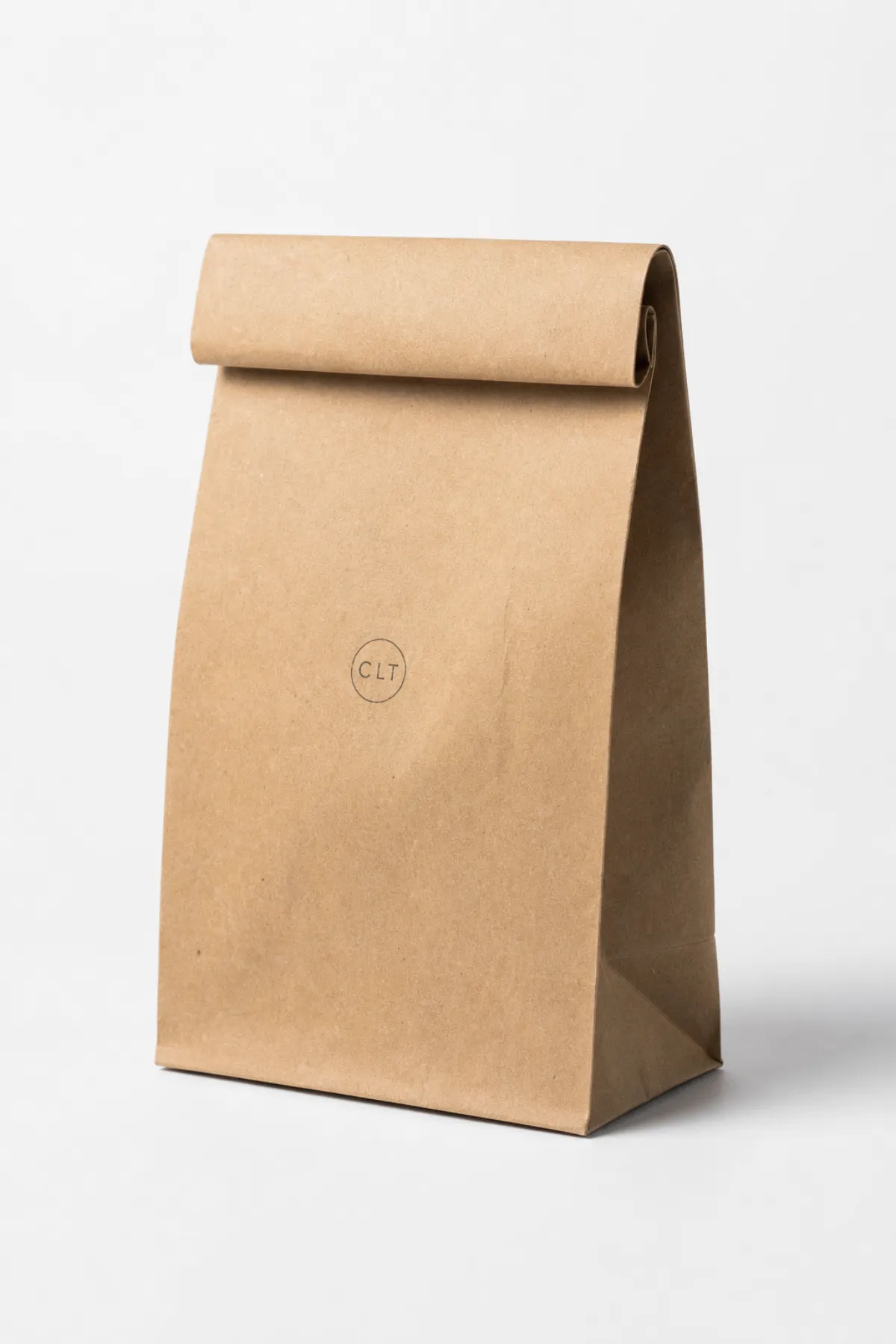
The phrase sounds straightforward, yet a sustainable paper bags supplier can mean very different things depending on the market, bag type, and brand claim. In practice, the term usually points to a supplier that sources paper responsibly, converts it efficiently, prints with safer inks or coatings where possible, and provides documentation that supports the claim. A sustainable paper bags supplier may also reduce waste by nesting bag sizes efficiently, lowering board caliper where the application allows it, and minimizing excess packing in the shipping carton.
Buyers often get tripped up by the word "sustainable" because they treat it like a finish instead of a system. Recycled content helps, but if the bag is oversized for the product, the extra surface area still means more fiber, more ink, and more freight volume. A sustainable paper bags supplier should be able to explain that tradeoff without wrapping it in jargon. If the answer is only "eco-friendly" and nothing else, the claim deserves skepticism. That kind of answer is usually a clue, not a reassurance.
Usually, the sustainability claim in this category comes from one or more of these elements:
- Recycled content, often post-consumer or post-industrial fiber blended into kraft or white paper.
- Responsibly sourced virgin fiber, often supported by chain-of-custody documentation.
- Lower-material design, such as a smaller footprint, thinner but adequately strong paper, or fewer reinforcement layers.
- Recyclable structure, meaning the bag avoids unnecessary mixed materials that complicate recovery.
- Safer inks and adhesives, especially when the bag is used for food service or retail packaging.
Claims should be measurable, not decorative. "Made with recycled fiber" is specific. "Green packaging" is not. "FSC-certified material available" is useful because it points to a verifiable chain-of-custody system. The FSC framework is public and clear, which helps buyers ask better questions before placing an order. You can review it at fsc.org.
End-of-life behavior matters just as much. A paper bag may be recyclable in one curbside program and rejected in another because of coatings, wet-strength additives, or laminated surfaces. A sustainable paper bags supplier should not overpromise here. The right answer is often, "This depends on local recycling rules and how the bag is built." That is a more useful answer than a glossy promise, even if it sounds less exciting.
If a paper bag claims to be sustainable but the design uses more material than the application needs, the environmental gain can disappear quickly. The quiet cost is not only fiber. It is also freight, storage, and the disposal burden created when the bag fails before the product does.
The real meaning of a sustainable paper bags supplier extends well beyond recycled paper. Material choice, manufacturing efficiency, performance, and end-of-life behavior all sit in the same frame. That combination is where serious suppliers separate themselves from the merely polished ones.
How a sustainable paper bags supplier works
A sustainable paper bags supplier usually begins with an inquiry, but the useful work starts when the supplier turns a brand brief into a buildable spec. Dimensions, paper weight, handle style, reinforcement choices, print method, and packing format all need to be defined before production starts. The stronger suppliers do not wait until the end to mention a problem. They call it out early, because waste is usually prevented at the planning stage.
The workflow is more mechanical than most buyers realize. First comes the request for quote, then spec review, artwork preparation, proof approval, production scheduling, quality checks, packing, and delivery. A sustainable paper bags supplier may also recommend a sample or prototype before mass production, especially if the bag carries bottles, takeaway containers, or premium retail goods. That early sample can reveal whether the bottom gusset stands correctly, whether the handle attachment feels comfortable, and whether the print lands cleanly on the paper surface.
In practical terms, a good supplier behaves partly like an engineer and partly like a translator. The brand says, "We want a premium look with less waste." The supplier has to answer with actual paper types, basis weights, and construction choices. That might mean switching from a 170 gsm uncoated white sheet to a 140 gsm kraft with a reinforced top fold, or replacing a heavy lamination with a water-based varnish. A sustainable paper bags supplier earns trust by explaining those tradeoffs plainly, not hiding them behind pretty language.
Pre-press is where many packaging mistakes are caught. Print placement, bleed, color matching, and handle attachment all need review before the order runs. If a logo sits too close to the fold, the print can distort. If the artwork uses large flood coverage, the bag may lose some of its recyclable appeal and pick up extra cost. If the handles are under-specified, the bag may pass visual approval and fail under load. A sustainable paper bags supplier should be comfortable saying, "We can do that, but here is the cost in material or performance."
Sampling matters even more when the bag has a real job to do. A pretty mockup can hide weak board selection, sloppy glue lines, or a handle that cuts into the hand after 30 seconds. A responsible sustainable paper bags supplier will test the bag the way a buyer and customer will use it: filled, stacked, carried, and sometimes exposed to moisture or rough handling. That is not overcautious. It is how rework gets avoided later. I have watched more than one "perfect" concept fall apart once it met a wet loading dock.
The best suppliers also think about shipping efficiency. A bag designed with tight nesting can save carton space and lower freight per unit. A bag that needs excessive plastic wrap or oversized cartons chips away at the sustainability story. A sustainable paper bags supplier should be able to show how the structure fits into the shipping plan, not just the retail shelf.
One way to judge the supplier's maturity is to ask about transport testing and carton performance. For larger or more fragile runs, shipping standards such as those published by ISTA can be relevant, especially if the bags are bundled into cartons that must survive long routes, moisture swings, or repeated handling. ISTA's test methods are available at ista.org. That matters because a bag that looks acceptable in a sample room can still arrive crushed, scuffed, or split if the outer pack is poor.
A sustainable paper bags supplier should therefore be able to handle three jobs at once: convert the product, protect the brand, and preserve the environmental claim. That is a demanding balance, but it is also the standard buyers should expect.
Key factors in choosing a sustainable paper bags supplier
Choosing a sustainable paper bags supplier starts with fiber source, but it should not stop there. Recycled content, FSC-certified virgin fiber, and mixed-fiber blends all have their place. The right choice depends on the bag's job. If the bag carries light apparel, a high recycled content kraft may be enough. If it carries glass bottles or heavier takeaway items, a stronger virgin or blended fiber may be safer. The point is not to pick the most "eco" material by instinct. The point is to match the material to the use case.
Construction deserves just as much attention. Basis weight, fold design, side gussets, bottom reinforcement, and handle attachment determine whether the bag works or fails. A 120 gsm kraft tote and a 200 gsm boutique carrier are not interchangeable. If the bag will be used for hospitality or food takeaway, moisture exposure changes the picture again. A sustainable paper bags supplier should be able to explain how the bag will perform with a few kilograms of product, not just how it looks empty.
Print and finish choices are where sustainability claims often get fuzzy. Water-based inks are generally easier to defend than heavy solvent systems, but the whole structure still matters. Aqueous coatings can improve surface protection while staying relatively friendly to recycling. Lamination and metallic foil can create a premium look, yet they may complicate end-of-life recovery. Foil, spot UV, and full-surface varnish are not automatically bad, but they are not neutral either. A sustainable paper bags supplier should tell you what each choice does to recyclability, cost, and tactile finish.
Documentation is the next filter. Ask for chain-of-custody records, material declarations, and any test reports that support performance or environmental claims. If a supplier says the paper is FSC-certified, ask whether the specific production run is covered under certification or whether the material can be sourced to spec. That difference matters. A logo on a website is not the same thing as documents tied to your order.
It helps to think in terms of tradeoffs. A low-ink kraft bag can be attractive for sustainability and cost. A richly printed boutique bag can strengthen brand value but add process steps, drying time, and more waste if the artwork changes often. A heavy coated bag may feel more durable, yet it can also be harder to recycle locally. A skilled sustainable paper bags supplier should say all of that out loud.
Here is a practical way to compare common paper bag choices:
| Bag type | Typical MOQ | Unit cost at 5,000 units | Best use | Sustainability notes |
|---|---|---|---|---|
| Simple kraft carrier with twisted handles | 1,000-3,000 | $0.18-$0.32 | Retail, takeaway, events | Good lower-material option, especially with recycled content and limited print |
| Custom printed retail bag with reinforced top fold | 3,000-5,000 | $0.28-$0.55 | Apparel, cosmetics, gift packaging | Works well if print coverage stays controlled and coatings are kept simple |
| Heavy-duty luxury carrier with rope handles and specialty finish | 5,000-10,000 | $0.65-$1.20 | Premium retail, brand launches | Strong presentation value, but finish choices can reduce recyclability |
The table helps, but the buyer still has to line up specs exactly. Two quotes for what looks like the same bag can differ by 30% or more if one includes thicker paper, stronger handles, or a different print process. A sustainable paper bags supplier should be willing to compare apples to apples, not hide behind broad descriptions.
One more filter: ask how the supplier handles moisture, heat, and storage. Paper is not always the problem; the logistics environment is. If the bags are stored in a humid warehouse or shipped through a wet season, paper selection and carton protection become part of the sustainability conversation. A bag that survives longer is usually the more sustainable bag, even if it is not the lightest option on paper.
From a buyer's point of view, the best sustainable paper bags supplier is the one that can defend the spec with data, not just adjectives. That is the line between a packaging program and a slogan.
Sustainable paper bags supplier cost, pricing, and MOQ
Cost is where many sourcing decisions get distorted. A sustainable paper bags supplier might quote a tempting unit price, but that number only tells part of the story. Material grade, bag size, print colors, handle type, coatings, packaging format, and whether the order ships domestically or imports from overseas all affect the final landed cost. The real question is not "What is the price per bag?" It is "What will it cost me to receive a bag that performs, meets the brief, and arrives on time?"
MOQ, or minimum order quantity, exists because setup work is real. Plates, die lines, make-ready time, color matching, and machine adjustment all take labor and materials. A sustainable paper bags supplier with a lower MOQ may charge a higher unit price because the setup is spread across fewer pieces. That is not necessarily a bad deal. If you are testing a new retail concept, a pilot run of 1,000 or 2,000 bags can save far more than it costs because you can refine the structure before scaling.
Here is where buyers often make a false economy choice. They see a low unit price and forget sampling, freight, customs, and rework. A quote that looks inexpensive can become expensive if the bags arrive flat-packed in a way that slows packing, or if the handle style tears under load and a second run is needed. A sustainable paper bags supplier should help you budget for total cost, not just the print line on the quote. That conversation is less glamorous, sure, but it keeps the whole order honest.
Ask each supplier to price the same details:
- Exact dimensions, including gussets and handle drop
- Paper grade and basis weight
- Print coverage and number of colors
- Handle style and reinforcement
- Surface finish or coating
- Packing method and carton count
- Shipping terms and destination
If one supplier includes a water-based varnish and another does not, the price difference may be entirely valid. If one quote assumes 3,000 units and another assumes 10,000, the comparison is useless. A disciplined sustainable paper bags supplier will help clean up those variables before you sign anything.
It also helps to break pricing into common decision paths:
- Lowest unit cost: usually a plain kraft bag with minimal print and simpler handles.
- Balanced value: a custom retail bag that looks branded but still uses sane material and finish choices.
- Premium presentation: heavier board, rope handles, and specialty finishing for luxury packaging.
None of those is automatically better. The best choice depends on product value, customer expectation, and damage risk. A cosmetic bag that costs $0.20 may be perfect for a subscription box. A $1.00 luxury carrier may be justified for jewelry or premium gifting, because the packaging itself is part of the sale. A sustainable paper bags supplier should be able to show you where the extra money goes.
There is also a hidden cost in waste. If the bag is oversized by 15%, you may pay for paper you do not need and freight space you cannot recover. If the handles are stronger than necessary, you may be paying for over-engineering. If the print layout uses huge color fields and frequent plate changes, you may carry more setup and scrap cost than expected. A smart sustainable paper bags supplier can often save money by simplifying the structure without harming the brand.
One useful benchmark: for custom orders around 5,000 pieces, many buyers see simple Branded Kraft Bags in the range of $0.18-$0.32 per unit, mid-range retail bags around $0.28-$0.55, and more elaborate luxury carriers from roughly $0.65 upward, depending on finish and origin. Those numbers move with paper markets, freight rates, and order size, so treat them as a planning range, not a promise. A sustainable paper bags supplier should still quote your exact spec.
That is the heart of MOQ and price comparison: same size, same material, same print coverage, same delivery terms. Without that discipline, even the cleanest quote is just noise.
Sustainable paper bags supplier process, timeline, and lead time
Lead time is where production reality shows up. A sustainable paper bags supplier can only move as fast as the sequence allows. Most orders follow the same basic path: quote, spec lock, artwork proof, sample or prototype, production scheduling, manufacturing, inspection, packing, and shipment. Any one of those steps can delay the next. That is why first-time orders often take longer than repeat runs, even when the factory is fully capable.
Typical timing checkpoints are fairly consistent. Spec approval might take a day or two if the buyer has a clear brief. Artwork proofing can take several rounds if colors, dielines, or logo placement need correction. Sampling may add another few days, especially if the buyer wants to feel the handle strength or test print clarity. A sustainable paper bags supplier with a strong process will tell you where the clock starts and where it stops, because "lead time" is not one number in real life.
For a straightforward custom run, production often falls into a 10-20 business day window after proof approval, though more complex bags can take longer. That range changes with paper availability, coating requirements, and machine scheduling. If the order includes specialty handles, foil, window patches, or unusual dimensions, the calendar stretches. A sustainable paper bags supplier should be honest about that from the start. Short promises help nobody if the bags miss a campaign launch by a week.
There is also a difference between standard production and development work. Standard production is faster because the structure already exists and the supplier knows the run conditions. New development takes longer because the supplier must test whether the new size nests efficiently, whether the handle attachment holds, and whether the print stays clean across the paper. A sustainable paper bags supplier may need one or two prototype rounds before the first full run. That is normal, and it is usually cheaper than fixing a bad design after mass production.
Moisture, drying, and curing can add time, especially with certain inks or coatings. Aqueous finishes may dry more cleanly than heavier protective coatings, but both need room in the production schedule. If you need a rush order, ask whether the factory can actually shorten the line without cutting corners on inspection. Sometimes the answer is yes. Sometimes the honest answer is no. I would rather hear no early than regret yes later.
Build buffer time into your launch plan. A store opening, seasonal campaign, or event rollout can turn a packaging delay into a much bigger problem than it looks on paper. If the bags arrive after the product launch, the marketing team may scramble to substitute whatever is available, which often means more waste and weaker presentation. A sustainable paper bags supplier can only protect you so far if the brief arrives late.
For shipping performance, it can help to think about test discipline. If the bags will travel long distances, stack in humid warehouses, or move through multiple distribution points, ask the supplier whether carton testing or transit validation is available. Packing that survives the route is part of sustainability, because damage in transit is pure waste. In that sense, a sustainable paper bags supplier is also a logistics partner.
Common mistakes when sourcing from a sustainable paper bags supplier
The biggest mistake is assuming every paper bag is automatically sustainable just because it is not plastic. That shortcut can be expensive. A bag can use mixed materials, heavy coatings, oversized dimensions, and high ink coverage while still wearing a green label. A sustainable paper bags supplier should be able to explain where the environmental benefit really comes from. If the explanation is vague, the claim probably is too.
Another common error is chasing the lowest price without checking strength, freight, and minimum order requirements. A bag that is cheap per unit but tears under real load is not cheap. It is a replacement cost, a customer complaint, and possibly a brand problem. A sustainable paper bags supplier should be able to show you the loading logic behind the spec. For a takeaway bag, that might mean reinforcing the bottom panel. For a retail bag, it might mean improving the handle fold instead of simply increasing paper thickness.
Mismatched specs create waste faster than almost anything else. A lightweight apparel bag is not the same thing as a bag for bottled drinks or bakery items. If the bag is too small, the product gets damaged or doubled up in extra packaging. If the bag is too large, you pay for excess material and freight. A sustainable paper bags supplier should ask what goes inside the bag, how often it will be reused, and how far it will travel before deciding the final structure.
Skipping sample testing is another mistake that looks small until it becomes visible. Handle comfort, ink rub-off, moisture resistance, and load capacity are easiest to check before the order ships. Fill the bag with the real product. Carry it. Stack it. Leave it in a warmer room. Wipe the surface if it will be handled in retail. A sustainable paper bags supplier should encourage that kind of testing, not discourage it. If they push back hard on samples, that is usually a red flag.
Vague sustainability claims are also a red flag. A buyer should not have to guess whether the paper is recycled, FSC-certified, or simply brown. Brown paper is not the same thing as responsibly sourced paper. Nor is a matte surface the same as a recyclable structure. A sustainable paper bags supplier should be specific about fiber origin, coating type, adhesive use, and any limits on end-of-life claims.
Here are a few practical mistakes I see often enough to mention plainly:
- Approving artwork before the bag size is locked.
- Comparing quotes without matching paper weight and handle type.
- Ignoring freight and customs when the order ships internationally.
- Over-printing the bag and then claiming sustainability without qualification.
- Ordering too late and forcing a rush production path that raises scrap risk.
Packaging buyers sometimes focus on the visible part of the bag and forget the invisible part. Glue coverage, fold quality, and nesting efficiency do not show up in a rendered mockup, but they shape the real outcome. That is why a sustainable paper bags supplier should be asked to explain not only what the bag is made from, but how it is made and packed.
There is a simple rule here: if the answer feels too polished to be true, ask for the spec sheet. A good sustainable paper bags supplier will welcome that request because the facts usually improve the sale.
Expert tips and next steps with a sustainable paper bags supplier
The fastest way to improve sourcing quality is to create a one-page spec sheet before you request quotes. A sustainable paper bags supplier can price much more accurately when the brief includes dimensions, paper weight, handle type, print colors, finish, carton count, and delivery location. That one page cuts back-and-forth, reduces quote drift, and makes supplier comparisons much cleaner. It also exposes weak assumptions quickly, which is better than discovering them during production.
If the design is new, order a small pilot run first. That is usually the smartest way to work with a sustainable paper bags supplier because the first batch tells you whether the bag feels right in the hand, stacks well, and survives actual use. After a pilot, you can refine the structure, simplify the print, or adjust the reinforcement. A smaller test run may cost a little more per unit, but it often saves far more in avoided rework.
Request samples under realistic conditions. Put the bag through the kind of use your customers will actually create: fill it to weight, carry it for a few minutes, place it on the floor, stack it with other bags, and check how it behaves if it gets slightly damp. A sustainable paper bags supplier that is serious about performance will not object to that. In fact, it should encourage it.
When comparing suppliers, do not rank them on sustainability claims alone. Compare four things together: documented materials, unit Cost, Lead Time, and responsiveness. A supplier that is excellent on paper but slow to answer questions can create more risk than a slightly pricier supplier that communicates clearly and ships on time. Packaging supply chains reward clarity. They punish guesswork.
It also helps to ask a few blunt questions before you commit:
- What paper grade and basis weight will you actually use?
- Is the material recycled, FSC-certified, or both?
- What finish, if any, affects recyclability?
- What is the realistic lead time after proof approval?
- What extra charges apply for sampling, freight, or tooling?
Those questions sound simple, but they reveal a lot. A good sustainable paper bags supplier answers quickly and specifically. A weak one buys time with generalities. The difference matters, because packaging is rarely judged by the quote alone. It is judged by what arrives, how it performs, and how well it fits the brand promise.
My practical advice is to shortlist two or three suppliers, compare the same spec line by line, verify the documents, and choose the sustainable paper bags supplier that can meet your performance, budget, and timeline targets without overcomplicating the design. That is usually the best balance of cost and control, and it keeps the sustainability story grounded in evidence rather than slogans.
The one move that changes outcomes most often is this: compare like with like. Keep the dimensions, paper grade, handle type, coating, print coverage, and delivery terms identical across quotes, then test the sample under real use. That simple discipline separates a good sustainable paper bags supplier from a merely persuasive one.
How do I know if a sustainable paper bags supplier is truly sustainable?
Ask for proof of fiber sourcing, certifications, and clear material descriptions instead of relying on broad eco claims. Check whether the supplier can explain recyclability, coatings, inks, and end-of-life behavior in plain language. Compare documentation across suppliers; the best one should be specific, not vague, and should be able to show how its claims match the exact bag you are buying.
What affects sustainable paper bag pricing the most?
Material grade, bag size, handle type, print coverage, coatings, and order volume usually have the biggest impact. Freight, sampling, tooling, and customs can change the total landed cost more than the base quote suggests. A lower unit price can still cost more overall if the bags are oversized, over-finished, or need rework after approval.
What is a normal MOQ for custom paper bags?
MOQ varies by supplier, country of production, and print complexity, so there is no single universal number. Simple stock-style bags usually allow lower minimums than fully custom shapes or multi-color printed bags. If your volume is small, ask about pilot runs, shared setups, or simplified specs so the order stays practical.
How long does a custom order take from a sustainable paper bags supplier?
Lead time depends on sampling, artwork approval, production scheduling, and shipping method. Straightforward orders can move faster than new designs with custom dimensions or specialty finishes. Build extra time for first orders because proofing and testing often uncover changes, and a sustainable paper bags supplier should tell you that early rather than after the schedule slips.
Are paper bags always recyclable?
Not always, because coatings, laminations, heavy inks, or mixed materials can affect recyclability. Local recycling rules also matter, so a bag that is recyclable in one market may not be accepted in another. Ask the supplier how the bag is built, what end-of-life stream it is designed for, and what limits apply before you commit to the order. That is the level of clarity I expect from a sustainable paper bags supplier.

