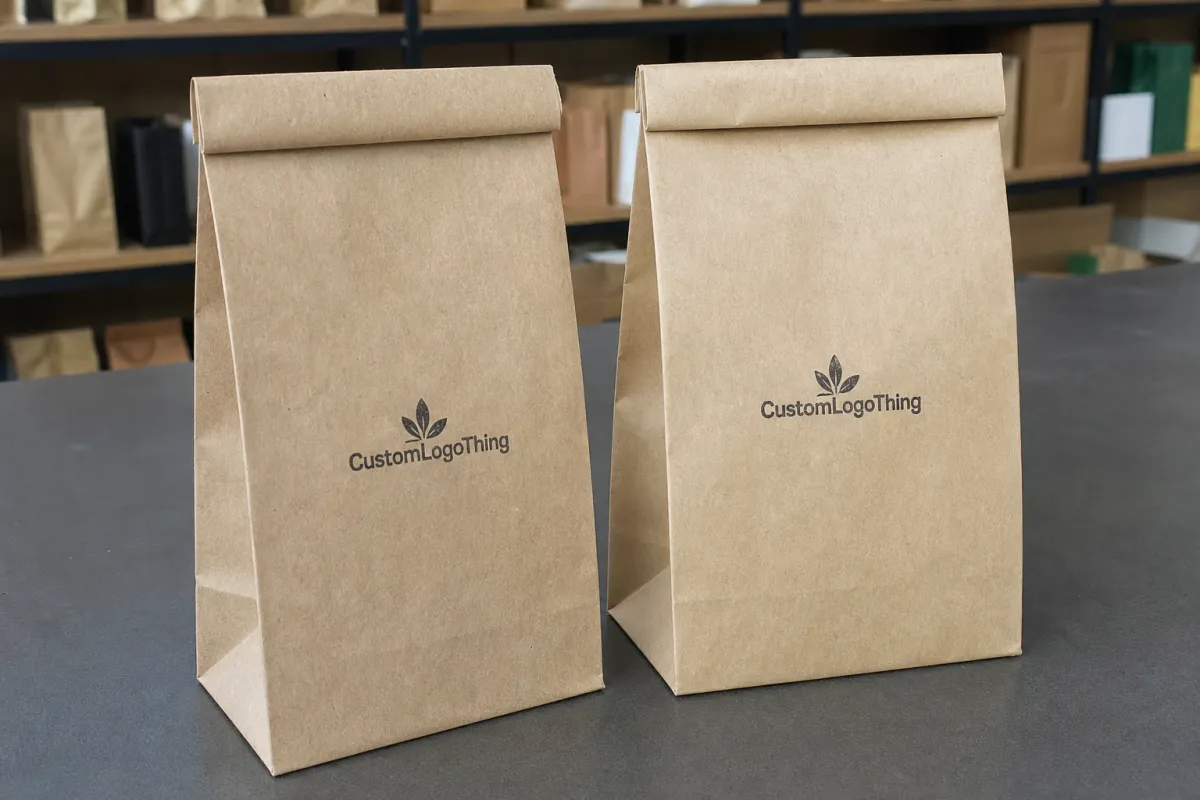
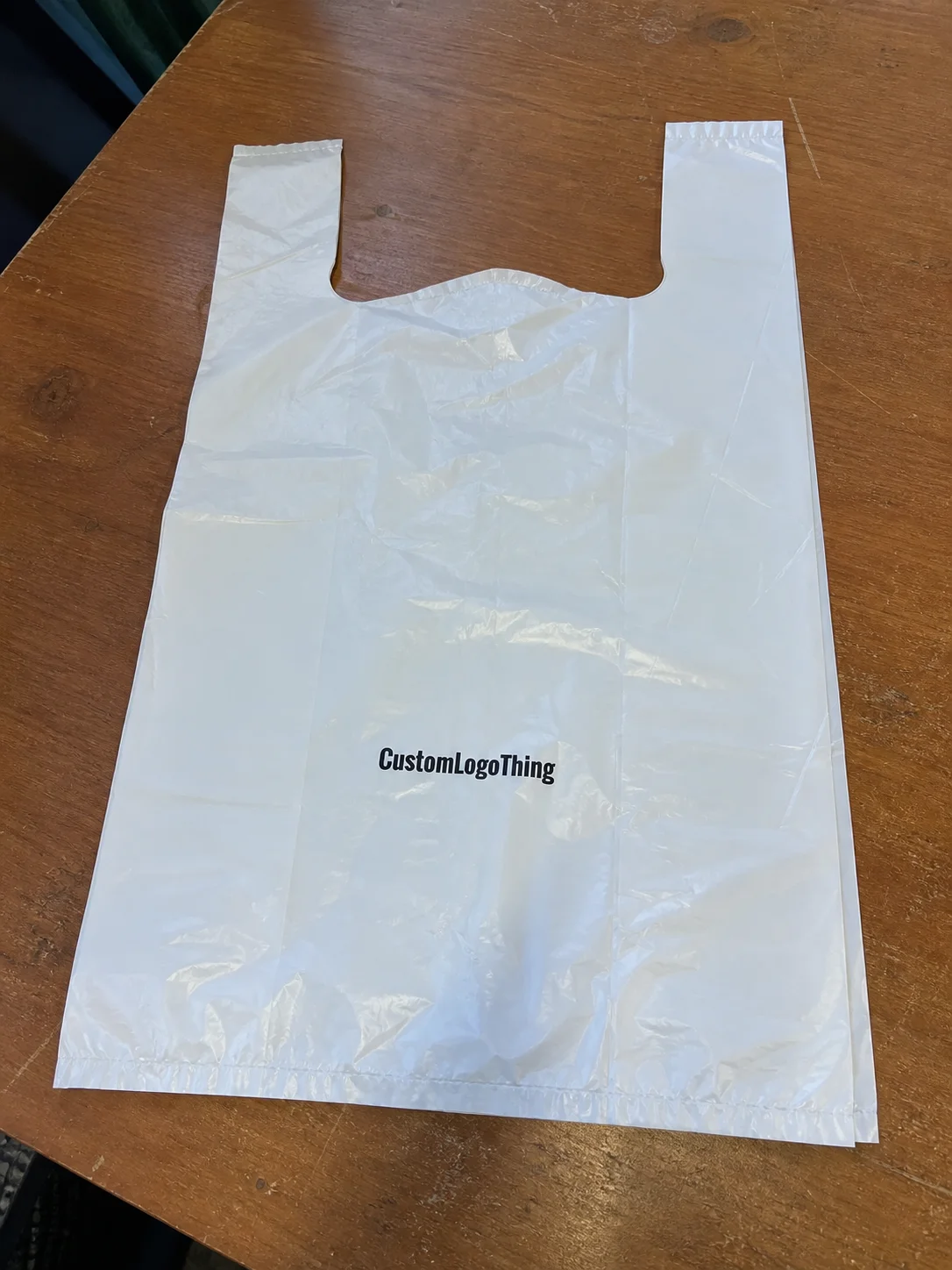
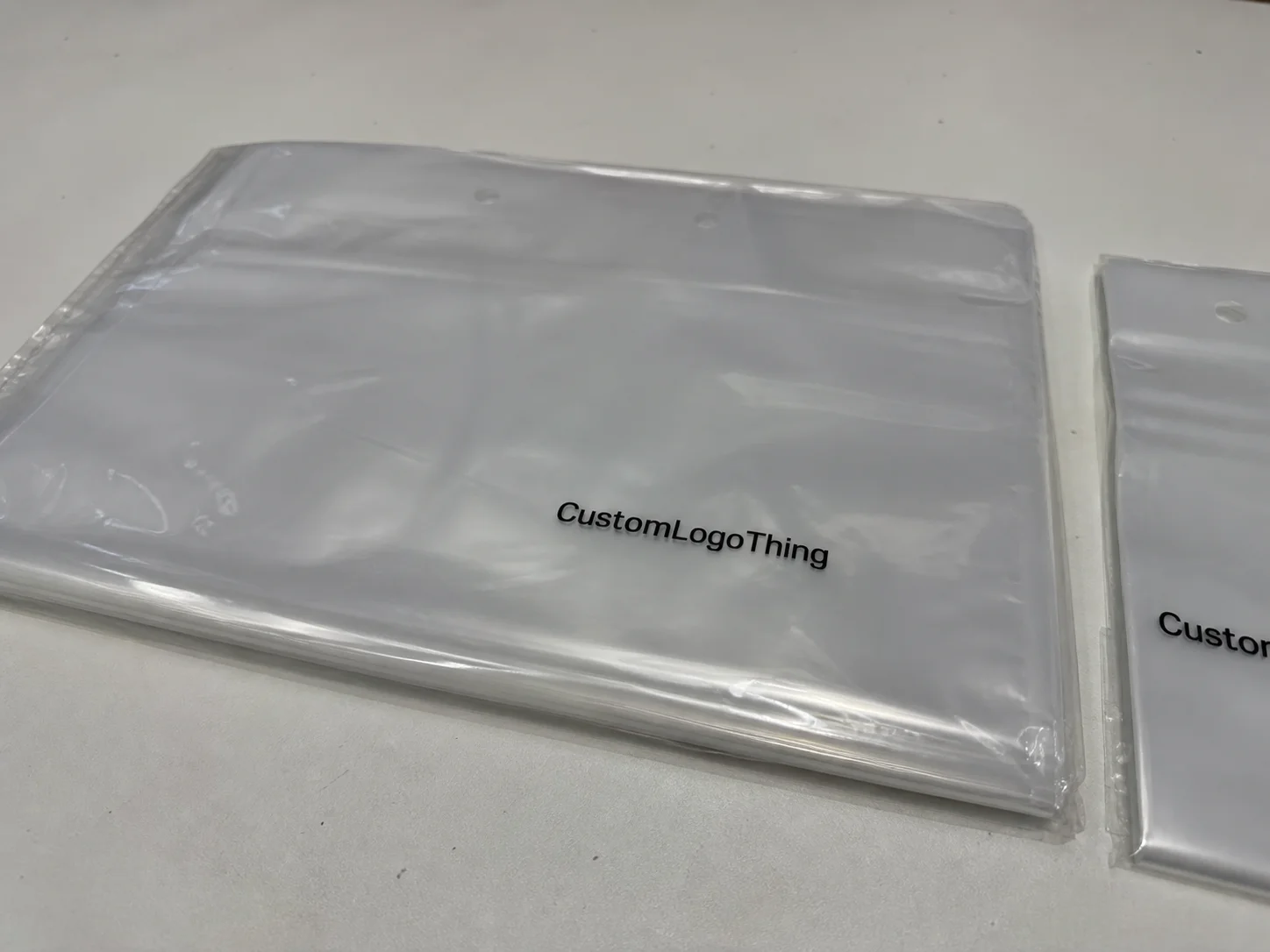
Buyer Fit Snapshot
| Best fit | Sustainable Void Fill Paper Supplier projects where brand print, material claims, artwork control, MOQ, and repeat-order consistency need to be specified before quoting. |
|---|---|
| Quote inputs | Share finished size, material target, print colors, finish, packing count, annual reorder estimate, ship-to region, and any compliance wording. |
| Proofing check | Approve dieline scale, logo placement, barcode or warning zones, color tolerance, closure strength, and carton packing before bulk production. |
| Main risk | Vague material claims, crowded artwork, missing packing details, or unclear freight terms can make a low unit price expensive after revisions. |
Fast answer: Sustainable Void Fill Paper Supplier: Material, Print, Proofing, and Reorder Risk should be specified like a repeatable production item. The safest quote records material, print method, finish, artwork proof, packing count, and reorder notes in one written spec.
Production checks before approval
Compare the actual filled-product size with the drawing, then confirm tolerance on folds, seals, hang holes, label areas, and retail display edges. Reserve space for logos, QR codes, warning copy, and material claims before decorative graphics fill the panel.
Quote comparison points
Review material grade, print process, finish, sampling route, tooling charges, carton quantity, and freight assumptions side by side. A quote is only useful when the supplier can repeat the same color, closure quality, and packing count on the next order.
Empty space in a carton looks harmless right up until the first damage claim lands on your desk. A product that slides in transit can crush a corner, scuff a finish, or turn a clean shipment into a return. The freight bill gets ugly too. Dimensional weight charges and replacement costs have a way of showing up together, which is rude but predictable. That is why a Sustainable Void Fill paper supplier is not just moving paper. The right partner helps control product movement, pack speed, and waste at the same time.
Most buyers start by comparing roll prices. Fair enough. Then the real question shows up: which system fits the cartons, which paper grade actually holds shape, and which supplier can keep the line fed when volume spikes? A sustainable Void Fill Paper supplier should handle consumables, equipment, training, and replenishment without turning every order into a small drama.
Paper Void Fill also makes sense for brands replacing plastic air pillows. It still reads as protective packaging, and shoppers generally understand what it is. That said, paper can still be a bad fit if the grade is too weak, too dense, or wrong for the carton mix. You end up spending more paper and more labor just to get back to square one. A good sustainable void fill paper supplier keeps you out of that mess.
I have seen teams switch to paper void fill because the sustainability box on the slide deck looked neat, then discover the actual packing line was doing backflips to make it work. Not ideal. Sustainability only counts if the system runs in the real world, under actual volume, with actual people packing real orders. That is the bar. Anything lower is just a brochure.
What a sustainable void fill paper supplier Actually Delivers
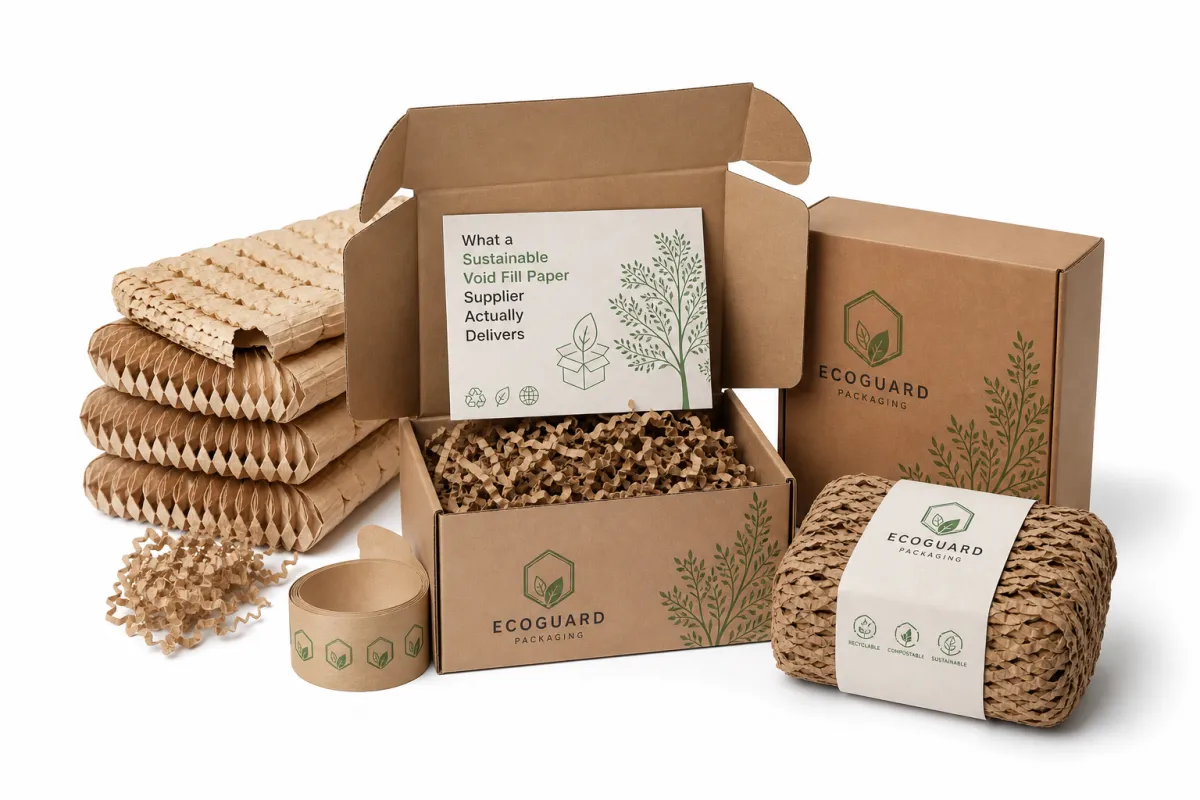
At the basic level, a sustainable void fill paper supplier provides paper-based dunnage that fills the open space around a product so it does not bang into the box wall or build momentum inside the carton. The better suppliers sell a system, not just a roll. That usually means paper, a dispenser or conversion unit, setup support, and guidance on how to place the fill so each box closes with steady compression. In practice, that also means helping you avoid overpacking, because overstuffed cartons waste material and make packers grumpy.
That matters because empty space creates several kinds of pain at once. Damage risk is the obvious one. Inconsistency is the quieter one. A carton with two inches of slack behaves very differently from one that is stabilized properly. One box may look fine on the packing bench and fail halfway through the route. The other is more predictable from the start. A sustainable void fill paper supplier is really helping you manage that variability instead of pretending every carton is identical. Spoiler: they are not.
From a packaging buyer's point of view, the appeal is not limited to sustainability branding. Paper void fill is easier to explain to customers and easier to fit into internal packaging policies than plastic alternatives. A sustainable void fill paper supplier should support that switch with recycled-content paper, recyclable fiber claims, and documentation procurement teams can actually use. Vague claims are great for marketing decks. They are not much help in a buying review. Or an audit. Or a slightly annoyed email from legal.
"A carton with movement is a damage claim waiting to happen."
That sounds blunt because it is. Packing audits say the same thing in calmer language. A carton can be technically full and still fail if the product has room to accelerate. Apparel, accessories, home goods, cosmetics, and plenty of consumer products are often damaged by repeated contact more than by a single hard hit. A sustainable void fill paper supplier should understand that difference and recommend a paper grade and feed method that match the real shipping risk.
There is a brand side too. For a shop like Custom Logo Things, the outer package is part of the experience even if the customer never sees the void fill itself. A crushed box tells the story before the product does. A sustainable void fill paper supplier helps protect that story with a material that signals care without adding unnecessary plastic. Customers may not comment on the void fill, but they absolutely notice when the box arrives mangled. Funny how that works.
There is also a compliance angle that gets ignored more often than it should. If a company wants to support environmental claims, the supplier needs to back them up with traceable material data, not just friendly language and a recycled symbol slapped on a PDF. I am not saying every buyer needs a lab coat and a microscope. I am saying the paperwork should stand up when somebody asks a reasonable question.
How Sustainable Void Fill Paper Systems Work on the Packing Line
A paper void fill system usually follows a short sequence. The operator pulls the paper, the machine or dispenser shapes it into a cushion or folded bundle, and that material goes into the carton where movement needs to stop. The best setups keep the motion simple: pick product, inspect damage risk, add protection, fill the gaps, close the carton, and verify the fit. That is the kind of workflow a sustainable void fill paper supplier should design for, because the line does not care how pretty the sales demo looked.
Manual stations
Manual dispensers work well for smaller lines, custom gift packaging, and low-volume operations where labor is available and speed is not the main constraint. The operator tears or pulls paper by hand, then shapes it into a cushion. Start-up cost stays low, which is nice. The catch is consistency. A sustainable void fill paper supplier that only ships paper and ignores ergonomics is missing half the problem. If the packer has to wrestle the material every time, the system will drift toward whatever is fastest, not whatever is best.
Semi-automatic stations
Semi-automatic units are common in ecommerce and light manufacturing because they strike a better balance between speed and control. The paper feeds through a machine that crumples, folds, or pads it on demand. That cuts down on repetitive stuffing and helps the station keep pace during busy shifts. A sustainable void fill paper supplier should be able to talk through throughput, paper format, and jam risk for the exact model you run. If they cannot, they are guessing. And guessing is not a supply strategy.
Higher-throughput machine-fed setups
For larger distribution centers, machine-fed systems can make sense when carton volume stays steady and the SKU mix is broad. They deliver repeatable fill at a fast rate, but they also need tighter attention to maintenance, operator training, and paper spec. If the paper is too soft, it compresses too much. If it is too rigid, it may not form cleanly. A stronger sustainable void fill paper supplier will help test both the paper and the machine settings before you commit. That testing step is boring, sure. It is also where a lot of expensive mistakes get caught.
Paper performance also depends on the carton. A narrow carton with a heavy item needs different fill behavior than a large carton holding several light objects. Fragile products usually need enough loft to stop movement, not a token wad shoved into one corner. A sustainable void fill paper supplier should ask about box dimensions, average fill ratio, and the kinds of failures you are already seeing. If they do not ask, they are probably not listening.
Do the testing properly and the gains can be real. A tighter packing routine can reduce rework, cut down on overstuffed cartons, and improve ergonomics because packers are not hand-crumpling paper the same way every time. A line also tends to feel calmer. One person is not chasing dunnage, another is not overfilling boxes, and the station starts behaving like a system instead of a scramble. That is the kind of value a sustainable void fill paper supplier should bring. Not magic. Just fewer headaches.
In a lot of facilities, I have seen the pack bench become the unofficial place where everyone invents their own method. That works until it does not. A standardized paper system gives you repeatability, which is the whole point of equipment in the first place. Fancy notion, I know.
What to Evaluate in a sustainable void fill paper supplier
Start with the paper itself. Basis weight, tensile strength, loft, and rebound after compression all matter. For light ecommerce goods, a 50-70 gsm paper may be enough if the cartons are sized well. Heavier or sharper-edged products may need something closer to 80-110 gsm, depending on the machine and the amount of cushion required. A real sustainable void fill paper supplier should be willing to talk in those specifics instead of hiding behind generic "protective packaging" language.
Then check the sustainability proof. Recycled-content claims are common. Documentation is what separates marketing from procurement reality. Ask whether the paper carries FSC chain-of-custody support, whether recycled fiber claims are documented, and whether the supplier can provide recycling or disposal guidance for your region. If you need a baseline for materials language, the EPA sustainable materials guidance is a practical reference point. A sustainable void fill paper supplier that can hand over paperwork without hesitation usually understands enterprise buying. If they start stalling, that is a smell.
Operational fit matters just as much. Does the supplier support your machine model? Can they supply the widths you need for your most common cartons? Can they scale for 200 cartons a day, or 2,000? A sustainable void fill paper supplier should ask about average carton dimensions, SKU fragility, and the current pack sequence before recommending anything. The wrong width or feed style can quietly wreck efficiency, which is the kind of problem that shows up in labor reports three weeks later.
Service depth is easy to underestimate. Paper that arrives on time but does not run well is not a win. Look for sample support, onboarding help, a clear escalation path for jams or feed issues, and a replenishment process that holds up during seasonal spikes. If the supplier cannot answer basic technical questions about machine compatibility, that is a warning sign. A capable sustainable void fill paper supplier acts like a packaging partner, not a paper broker.
It also helps to compare the supplier's guidance against recognized transit testing practice. If your shipments are fragile, ask whether your packing test reflects the kind of distribution stress covered by ISTA procedures or relevant ASTM methods. You do not need a lab for every decision, but you do need a repeatable test. A sustainable void fill paper supplier that welcomes structured testing usually deserves more trust than one leaning on vague promises.
One more thing: ask how they handle substitutions. Paper supply can shift. Mills change. Freight gets weird. A trustworthy supplier tells you what stays fixed and what may vary, then explains how they control that variation. That is a lot more useful than a perfect pitch and a surprise later.
- Paper quality: Check basis weight, tear resistance, and how well the sheet rebounds after compression.
- Sustainability proof: Look for recycled content claims, FSC documentation, and recycling guidance.
- Machine fit: Confirm the paper works with your current dispenser or automated station.
- Service level: Ask about samples, troubleshooting, replacement parts, and lead-time reliability.
- Commercial terms: Review MOQ, freight structure, and how they handle peak demand.
Cost and Pricing for a sustainable void fill paper supplier
Pricing is never just the paper price. A sustainable void fill paper supplier may quote rolls, sheets, bundles, or machine-fed consumables, but the real cost includes equipment, freight, maintenance, line labor, waste, and the damage you avoid. That is why the cheapest quote often turns into the most expensive choice if the paper tears easily or slows the station. Cheap material plus frustrated packers is still expensive. Sometimes more expensive, actually.
For a rough planning frame, manual setups can have very low hardware cost, semi-automatic stations often sit in the low-thousands, and higher-throughput systems can move into the mid-five-figure range depending on controls and integration. Consumable spend varies widely, but many operations see paper-related packaging cost land somewhere around a few cents to a little over ten cents per carton once fill volume and freight are included. A sustainable void fill paper supplier should walk you through those assumptions instead of hiding behind a per-roll number.
| System type | Typical hardware cost | Best fit | Main tradeoff |
|---|---|---|---|
| Manual paper void fill | $0-$250 | Low-volume packing, custom orders, seasonal overflow | Lower capital cost, but more labor and more variation |
| Semi-automatic dispenser | $1,200-$3,500 | Ecommerce lines and mixed-SKU operations | Faster and more consistent, but needs operator training |
| Machine-fed automated station | $4,500-$15,000+ | Higher volume, repeatable carton sizes, tighter throughput targets | Best efficiency potential, but more maintenance and planning |
Order size changes the math fast. A small buyer may pay more per unit because freight is spread across fewer cases and the supplier has to handle shorter runs. A larger buyer can often negotiate better pricing on paper width, case count, or private-label packaging. A sustainable void fill paper supplier may also price custom formats differently if you need a special core size, a branded carton, or a nonstandard roll width.
Recycled content and sourcing requirements can push price upward, but that is not automatically a problem. The better question is whether the added cost is offset by lower damage, less plastic waste, and easier internal approval. One avoided return can absorb a surprising amount of monthly packaging spend. A sustainable void fill paper supplier that helps you quantify that tradeoff is worth more than a bargain quote with no follow-through.
Here is the simplest cost test: estimate your cost per shipped carton, then compare it against damage rate, packing time, and material waste. If the new system costs a little more but cuts returns by even a small percentage, it may still be the stronger business decision. That is the part many procurement teams miss when they only compare rolls. A sustainable void fill paper supplier should make that comparison easier, not harder.
And yes, sometimes the "cheaper" paper is the one that looks harmless on paper and then eats labor because everyone has to repack weird cartons by hand. Very exciting for no one. Probably not the savings your finance team had in mind.
A Step-by-Step Process for Choosing the Right Supplier
Start with a carton and product audit. Measure the average empty space, note product weights, and identify the SKUs most likely to arrive damaged. If you already have return data, use it. The best supplier conversations begin with facts, not guesses. A sustainable void fill paper supplier can only recommend the right setup if you know what problem you are trying to solve.
Next, request samples and run them on real orders. Not the easy boxes. The messy ones. The carton that is a little wider than ideal. The SKU with an awkward shape. The item that tends to shift in transit. A sustainable void fill paper supplier should be willing to test against your actual workflow because a lab demo is not the same thing as a live packing bench.
- Define the use case: list the fragile SKUs, carton sizes, and daily pack volume.
- Ask for sample paper: test the exact grade, width, and dispenser fit you would buy.
- Score the performance: compare fit, fill stability, operator comfort, and waste.
- Check the service model: confirm lead times, replenishment process, and support response.
- Pilot in stages: roll out by station or by SKU group before switching the whole operation.
A short scorecard keeps everyone honest. Rate paper quality, machine compatibility, sustainability documentation, pricing, service, and lead time on the same scale. Procurement, operations, and sustainability teams can compare notes without talking past each other. A sustainable void fill paper supplier becomes easier to evaluate when the criteria are written down.
Timeline matters too. Sample review may take a few days, a pilot can run one to two weeks, and full rollout usually follows after operators are trained and the fill volume is adjusted. If you need new hardware, custom widths, or formal procurement approval, give yourself extra time. A sustainable void fill paper supplier that promises same-day perfection is probably understating the work involved.
One practical tip: do not swap every station at once. Start with one line or one cluster of SKUs so you can spot issues without disrupting the whole building. That makes it easier to catch subtle problems such as paper nesting, awkward tear points, or a fill style that works on medium cartons but overfills small ones. A sustainable void fill paper supplier should encourage that controlled rollout. If they push you to flip everything at once, they are probably not the one.
From experience, the best pilots have one thing in common: someone is actually watching the line. Not hovering. Watching. The difference between "looks fine" and "runs fine" usually shows up in the first hour.
Common Mistakes Buyers Make When Sourcing Void Fill Paper
The most common mistake is buying on price alone. A low-cost roll that tears, jams, or forces packers to stuff the carton twice is not cheap. It is expensive with better branding. A sustainable void fill paper supplier should be judged on the complete result: line speed, damage reduction, and replenishment reliability.
Another miss is choosing paper that looks eco-friendly but lacks the documentation customers and internal teams expect. Recycled-content claims, FSC support, and disposal guidance matter because packaging decisions increasingly face scrutiny from procurement, sustainability, and customer service at the same time. A sustainable void fill paper supplier that cannot explain its materials story clearly may create problems later.
Buyers also underestimate carton mix. A paper system that works beautifully in one box size can underperform in another because the fill ratio changes. That is especially true for businesses shipping multiple product families. A sustainable void fill paper supplier should ask how many carton sizes you run, not just how many cartons you ship.
Then there is operator feedback. Packer discomfort shows up before the spreadsheet does. If a dispenser is awkward, the paper is hard to tear, or the fill pattern forces repeated hand motions, the team will find a workaround. Sometimes that workaround is overfilling. Sometimes it is ignoring the system. Either one defeats the point. A sustainable void fill paper supplier that listens to the people on the line usually delivers better outcomes.
Seasonality is the final trap. Many buyers size inventory to average demand, then get caught short during holiday spikes, promotional runs, or sudden account growth. That leads to rushed freight, stockouts, and mismatched paper lots. A sustainable void fill paper supplier should help you forecast reorder points and peak coverage instead of leaving you to guess.
There is also the old habit of treating void fill like an afterthought. It is not. It is part of the shipping design. If the filler fails, the package fails. That sounds obvious, but plenty of teams keep learning it the expensive way.
- Do not compare only roll price.
- Do not skip live testing on your worst-case SKUs.
- Do not ignore operator comfort or dispenser ergonomics.
- Do not assume one carton size tells the full story.
- Do not leave peak-season planning until the last minute.
Expert Tips and Next Steps for a Better Packaging Setup
Use a two-metric test before and after any change: damage rate and pack time per order. Those two numbers tell a cleaner story than a stack of opinions. If a sustainable void fill paper supplier can reduce damage while keeping pack speed steady, that is real value. If the setup only looks better on paper, the line will expose it quickly. Packaging has a nasty habit of telling the truth.
Ask for documentation you can share internally. That includes recycled-content claims, FSC paperwork if applicable, and any guidance about recyclability or disposal. Procurement teams appreciate clean files. Sustainability teams appreciate traceable data. A sustainable void fill paper supplier that makes documentation easy is usually easier to work with over time.
Match the system to the job. Lightweight ecommerce shipments may need fast dispensing and modest loft. Heavier industrial goods may need denser paper, more fill volume, and a stronger station. The wrong choice is usually not dramatic. It is just inefficient enough to be annoying every day. That is why a sustainable void fill paper supplier should think like an operations partner, not a commodity vendor.
Build a simple rollout checklist:
- Train operators on the new feed method and fill target.
- Set reorder points based on weekly consumption, not wishful thinking.
- Assign ownership for supplier contact and issue escalation.
- Review carton fit after the first week of live use.
- Track waste so you can see whether the paper is being overused.
If you are choosing among three finalists, give each one the same sample cartoning test, the same lead-time commitment, and the same documentation package. Then compare outcomes on your own line. That process is slower than clicking the lowest quote, but it usually prevents the expensive surprises that show up later in returns and labor drag. A sustainable void fill paper supplier should welcome that level of scrutiny.
For Custom Logo Things and other brands that care about presentation as much as protection, the packaging decision should support both. The right paper fill keeps the product stable, keeps the box looking intact, and keeps the brand from sending a hidden message of carelessness. Choose a sustainable void fill paper supplier that understands those tradeoffs, and the packaging line becomes easier to run, easier to explain, and easier to scale.
The practical next step is simple: pull one week of return data, one week of pack-time data, and your top three carton sizes, then test a paper system against those exact conditions. That gives you a real answer instead of a sales pitch. Everything else is noise.
FAQ
How do I compare a sustainable void fill paper supplier to another supplier?
Compare the full package, not just the paper price: machine fit, service, freight, and lead time matter. Test both suppliers on the same SKUs so you can compare damage rates and packing speed fairly. Ask for sustainability documentation and replenishment terms before making a decision. If one supplier avoids the hard questions, that answer is already telling you something.
Is paper void fill strong enough for fragile products?
Yes, if the paper grade, fill volume, and carton size match the product risk. Fragile items usually need enough loft to stop movement, not just a thin layer of paper dropped into the box. Run live tests with your most break-prone SKUs before approving a full switch. I would not skip this step, even if the sample looks fine in your hand.
What drives pricing from a sustainable void fill paper supplier?
Pricing is shaped by paper grade, recycled content, order size, freight distance, and whether you need equipment support. The lowest roll price can become expensive if the paper wastes time or causes rework. Ask for cost-per-carton estimates so the comparison is easier to use internally. That is the number that actually matters when someone has to approve the budget.
How long does it take to switch to a new paper void fill system?
Small pilots can start within days if samples and equipment are already available. A realistic rollout usually takes one to two weeks for testing, training, and adjustments. Plan extra time if you need new hardware, custom widths, or procurement approvals. Rushing the switch is how simple projects turn into avoidable messes.
Can a sustainable void fill paper supplier support automation?
Many suppliers can support semi-automatic or fully automated stations, but compatibility must be confirmed early. Ask about machine models, throughput limits, and maintenance requirements before buying. Automation only helps if the paper feed is reliable and the pack line is trained to use it consistently. Otherwise you have a fancy machine and the same old problem.
What should I do if my team does not trust the new paper fill system?
Let the packers test it on their worst cartons and ask for direct feedback. If the system is awkward, they will tell you fast. If it works, adoption usually follows because nobody enjoys doing extra work for no benefit. A sustainable void fill paper supplier that includes operators in the pilot tends to get better results and fewer surprises.
Choosing a sustainable void fill paper supplier is really a packaging systems decision. The paper matters, of course, but so do carton fit, machine compatibility, labor, service, and the ability to prove sustainability claims when someone asks. Treat the sustainable void fill paper supplier as a partner in line performance rather than a source of commodity paper, and the results are usually better. The packing station runs cleaner. The shipments travel better. The brand looks more put together, which is the whole point. If you want the shortest path to a better setup, start with your real cartons, your real damage data, and one supplier willing to test against both.