Tea Brand Magnetic Boxes Sample Approval Checklist
Tea brand magnetic Boxes Sample Approval is the moment where a polished concept has to stand up to cardboard, magnets, wraps, inserts, and the actual tea product sitting inside the box. A render can look elegant from every angle and still miss the mark once the lid lands a little crooked, the insert shifts during packing, or the magnet pull feels wrong in the hand. Tea packaging has a lot riding on it: brand identity, product protection, shelf presence, and the calm, premium unboxing experience people expect from a tea gift set. That balance is harder than it looks, and honestly, it’s where a lot of pretty packaging ideas get exposed.
Tea Brand Magnetic Boxes sample approval also protects brand consistency. Tea buyers notice subtle differences quickly, even if they would not describe the issue in technical terms. A foil that leans too yellow, a matte wrap that scuffs too easily, or a logo that drifts a few millimeters toward the fold can make the whole package feel off. None of those flaws are dramatic by themselves, but together they change customer perception and weaken trust. Sample approval is a control point, not a ceremonial signature, and it is a lot cheaper than explaining a costly reprint after production has already started.
What follows is the practical version of tea brand magnetic Boxes Sample Approval: what to inspect, how the process usually moves, what it costs, and where tea brands most often lose time or money by trusting a sample that has not been tested properly.
Tea brand magnetic boxes sample approval: why the sample can lie
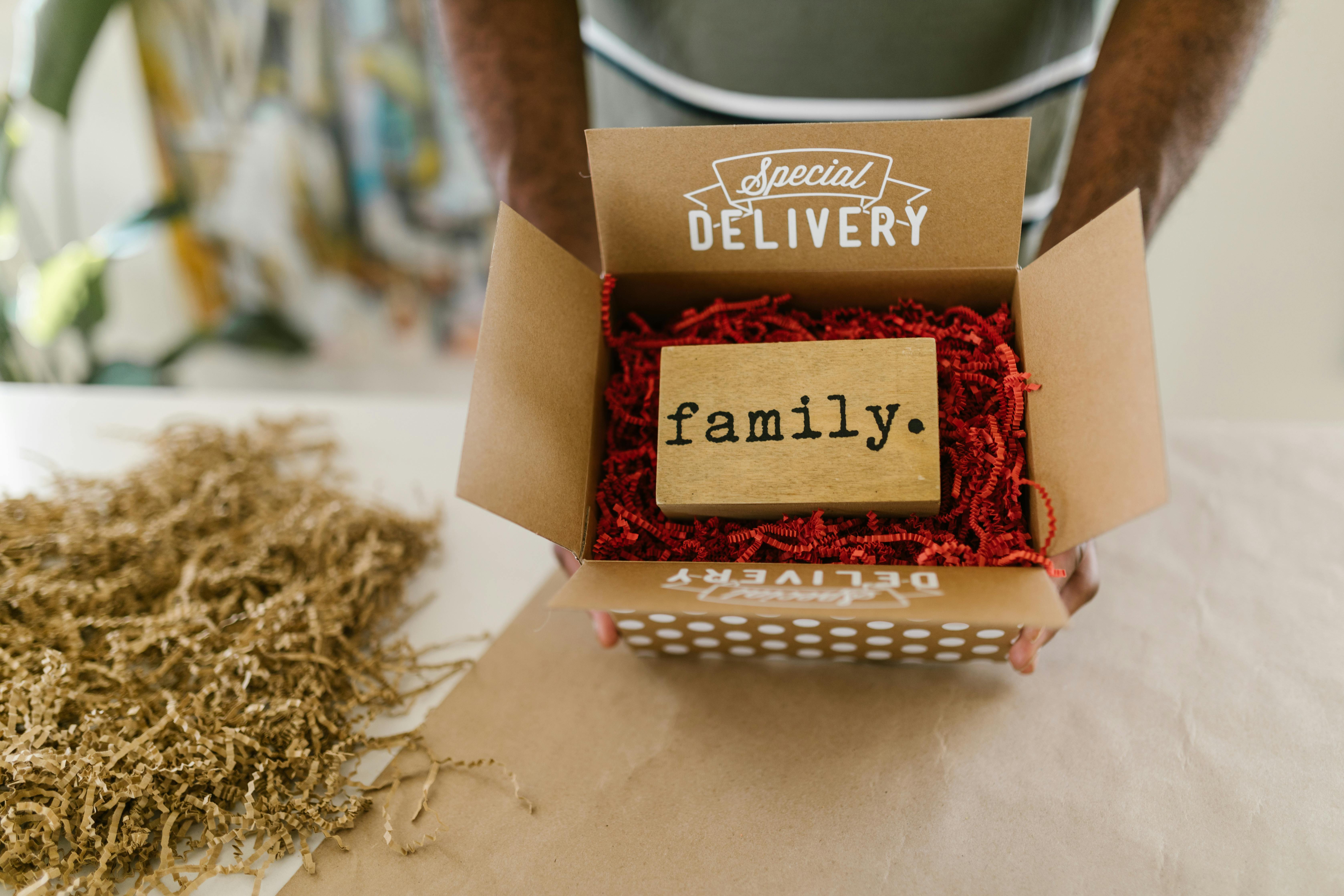
Tea Brand Magnetic Boxes sample approval starts with a simple fact that catches people off guard: the sample can lie by omission. A digital proof can make the artwork look perfect. A clean prototype can make the box feel more premium than the final run. Neither one tells you whether the closure feels secure, whether the lid self-aligns after repeated openings, or whether the insert is holding the tea the way it should instead of merely filling space.
That matters in tea packaging because the box often carries more than product. It carries a brand mood, a giftable feel, and a quiet promise that the contents inside are considered and carefully arranged. Tea boxes are frequently displayed on shelves, counters, and gift tables, so the structure has to look balanced and restrained rather than loud or overworked. Tea brand magnetic boxes sample approval is really a check on whether the package supports that story or works against it in small but visible ways.
I’ve seen teams get comfortable after approving a top-down photo, then the production run arrives with a color shift, magnets sitting slightly off-center, or a lid gap that reads wider than expected. Those issues do not need to be severe to change the feel of the box. They only need to be noticeable. Tea brand magnetic boxes sample approval exists to catch those problems before the full run turns them into a budget line.
Another reason the sample can mislead is that a magnetic rigid box behaves differently once it carries real product. An empty sample may pass every visual check and still fail once tea tins, sachets, sample packs, or a multi-piece gift set are loaded inside. The pressure on the lid changes, the insert starts working harder, and the closure can behave differently under weight. Tea brand magnetic boxes sample approval should always include the box in its loaded state, because that is the condition the customer will actually experience.
Tea brands also tend to use subtle color palettes, and that makes defects easier to see. Cream, beige, soft green, deep brown, and muted black do not forgive sloppy registration or uneven lamination. A slight flaw that might disappear on a brighter consumer package stands out immediately on a restrained tea box. That is why tea brand magnetic boxes sample approval needs to function as a quality gate instead of a design celebration.
Approve the sample you can hold. Not the one that looked good in a PDF, and not the one someone described loosely in an email thread.
How the approval process works for tea packaging
Tea brand magnetic boxes sample approval usually follows a familiar path, even if the project team makes it feel like a small committee hearing. The clean version starts with the brief, moves through the dieline and artwork, then proceeds to the structural sample, printed sample, revision notes, and final sign-off. Projects with more complexity add insert testing, shipping checks, and a second sample round. That is normal. Racing through it is what creates trouble.
- Brief - size, tea format, target retail channel, finish level, and whether the box will ship as a gift set or sit on shelf.
- Dieline review - panel sizes, magnet placement, insert positions, and fold lines.
- Artwork proof - logo position, typography, color values, barcode use, and legal copy.
- Sample build - blank or printed, depending on how far the project has progressed.
- Review and revision - notes from brand, operations, and fulfillment teams.
- Final approval - the approved sample becomes the production reference.
Tea brand magnetic boxes sample approval should not belong to one person alone. A brand lead can judge the visual story, but operations spots pack-out issues, fulfillment notices shipping friction, and marketing checks whether the package still matches the intended shelf presentation. If the tea line includes several SKUs, every insert size and product variation should be tested before approval. A box that works for one pack size can fail badly for another.
There is a meaningful difference between a visual sample and a production sample. A visual sample proves the design direction. A production sample proves the factory can reproduce that direction with the intended board, wrap paper, finish, magnet strength, and assembly method. Tea brand magnetic boxes sample approval gets messy when teams treat those two samples as interchangeable. They are not.
Keep every version documented. The dullness of version control is part of its value. Save the dieline number, artwork version, sample date, and any tolerances that were accepted. That record matters later if someone says the logo shifted, the finish changed, or the insert opening was revised after approval. Tea brand magnetic boxes sample approval is much easier to defend when the paper trail is precise.
For teams looking at broader packaging formats, our Custom Packaging Products page shows how magnetic rigid boxes, inserts, and related structures fit into premium tea packaging programs. If you want to see how different packaging specs performed in real work, the Case Studies page is a useful reference point.
On the technical side, a good sample review should include transport and durability thinking as well. The ISTA test framework is worth reviewing if the box has to survive shipping or retail handling. If your tea brand makes sustainability claims, FSC-certified paperboard may matter too. Tea brand magnetic boxes sample approval should line up with those claims instead of guessing at them after the fact.
Tea brand magnetic boxes sample approval also comes down to a blunt physical test: does the box still feel premium after repeated opening and closing? Magnetic boxes are judged by touch as much as by appearance. A lid that snaps shut too hard can feel cheap and abrupt. A lid that barely catches feels loose and underbuilt. The best feel sits between those extremes, with enough closure strength to reassure the buyer and enough ease to avoid annoying them every time they reopen the box.
Tea brand magnetic boxes sample approval: key factors to inspect
Tea brand magnetic boxes sample approval becomes much easier when the inspection follows the same order every time. Start with structure, then move to print, then materials, then handling. A fixed sequence keeps the review from drifting into random opinions and emotional reactions. A beautiful logo cannot rescue a crooked opening, and a flawless corner cannot rescue a color mismatch that weakens brand consistency.
Structure first
Check the panel dimensions against the dieline. Measure the lid depth, wall height, base depth, and the location of the magnet pockets. Tea brand magnetic boxes sample approval should confirm that the lid closes flush or nearly flush, without a visible twist. If the box opens with a springy rebound, the magnets are likely misaligned, too weak, or embedded too shallow.
Fold accuracy matters just as much. A tiny bow in one panel can make the whole box read as loose work. Tea brands are especially sensitive to that problem because their visual language is often restrained and quiet. A cream rigid box leaves nowhere to hide a crooked line or uneven edge.
Print and decoration
Inspect logo sharpness, foil registration, emboss depth, and spot UV placement if those finishes are part of the design. Tea brand magnetic boxes sample approval should check against the approved physical reference or the exact Pantone target, not a memory of what the team thinks the screen showed last week. Screens shift the way color feels. Paper does not care.
If the design uses foil, look closely at small text and fine strokes. That is where weak tooling or a poor press setup usually shows up first. If the box uses matte lamination, inspect under direct light for streaking, drag marks, or a dull patch that catches the eye too quickly. These are the details buyers notice even when they cannot explain why the box feels less refined.
Materials and finish
Paper wrap texture matters. Soft-touch lamination can hide fingerprints and give the box a calm, expensive feel, but it can also show scuffs if the box is handled roughly during packing or shipping. Gloss lamination creates stronger color depth and a brighter surface, though it may feel less restrained for tea packaging. Tea brand magnetic boxes sample approval should compare the finish to the brand position rather than to a competitor’s box pulled from a retail shelf.
Board thickness matters too. A 2.0 mm or 2.5 mm rigid board is common for premium tea gift boxes, yet the right choice depends on the box size, the product weight, and the shipping profile. Heavier tea assortments may need a stiffer board or a better insert to prevent crushing and movement. If the box is intended for retail display, the edge finish needs to stay crisp enough to preserve the visual impression from across the shelf.
Real product test
Load the actual tea product. Not a paper block. Not a guessed substitute. Tea tins, sachets, sampler packs, and accessories behave differently in the real world. Shake the box lightly. Turn it on its side. Carry it by hand. Stack two or three units and watch whether the top box presses the lid down or scuffs the finish. Tea brand magnetic boxes sample approval only matters if the box performs under the same conditions the customer will use.
| Sample type | Best for | Typical cost | Typical turnaround | What it proves |
|---|---|---|---|---|
| Blank structural mockup | Size, fold, insert fit, magnet alignment | $35-$90 per unit | 3-6 business days | Structure and handling only |
| Digital proof | Artwork layout and text placement | $0-$25 or included | 1-2 business days | Visual direction, not physical feel |
| Printed sample | Color, foil, lamination, visual branding | $80-$180 per unit | 5-10 business days | Print quality and finish behavior |
| Pre-production sample | Final sign-off before full run | $120-$250+ per unit | 7-15 business days | Repeatability with production materials |
Tea brand magnetic boxes sample approval should include at least one basic shipping check if the box will travel as part of a gift set. A sample that looks polished on a desk can still chip at the corners if it is stacked with heavier cartons or handled roughly during transit. For practical shipping validation, many teams borrow ideas from ISTA-style drop and vibration testing even when they do not run a formal lab program.
If the box includes a loose insert, test whether it holds the tea securely without making pack-out awkward. Too tight, and workers damage the product while loading. Too loose, and the tea shifts during transit. The insert should behave like a tool that helps the process, not a piece that creates complaints during fulfillment.
Tea brand magnetic boxes sample approval is often the moment when a brand learns whether its premium packaging concept is truly premium, or simply expensive-looking. There is a difference. A box that feels consistent, closes correctly, and supports the tea products without drama earns trust. That trust carries forward into repeat purchase and stronger brand recognition.
Process and timeline: lead time from sample to sign-off
Tea brand magnetic boxes sample approval usually takes longer than the first estimate. That is less a factory issue than a coordination issue. Artwork feedback lands late. Someone realizes the insert needs a revision. The marketing team wants one more color adjustment. The sample ships, and the review group needs extra time to compare what they see with the original spec. The schedule stretches. It usually does.
A realistic timeline often looks like this:
- Day 1-2 - artwork cleanup, dieline confirmation, and material selection.
- Day 3-7 - structural or printed sample production.
- Day 5-10 - shipping, depending on location and service level.
- Day 8-14 - internal review, comments, and comparison against product packs.
- Day 12-18 - revised sample if changes are substantial.
- Final step - tea brand magnetic boxes sample approval in writing.
That range is normal. A plain blank mockup can move faster, sometimes within a few business days. A fully printed sample with foil, embossing, or soft-touch lamination usually takes longer because every added finish introduces another setup and verification step. If someone promises the whole process in 48 hours, they are either being optimistic or skipping over the details that actually matter.
The delay points are usually predictable. Unclear artwork notes slow the first round. Measurement changes after the sample is built create another round entirely. Color disputes happen when a physical sample is compared against a backlit screen instead of a printed reference. Late decisions on inserts or closures also stretch the schedule. Each of those can push tea brand magnetic boxes sample approval back by several days.
Build buffer time around retail deadlines, holiday packaging windows, and launch content. If the box is part of a seasonal tea gift set, a small delay in tea brand magnetic boxes sample approval can turn into a missed launch, and missed launches tend to cost more than the packaging line item ever reveals.
Be clear about what the sample stage is supposed to prove. If the team wants to approve a seasonal color, a new structure, a new insert, and a new bundle pack in a single round, the schedule will wobble. Split the decisions if the project needs it. That keeps tea brand magnetic boxes sample approval cleaner and usually lowers the cost of revision.
One more practical point on lead time: the closer a sample gets to production-grade materials, the more valuable it becomes and the less convenient it can be to revise. That is normal. It is also why some teams use a fast structural mockup first, then a printed sample, then final tea brand magnetic boxes sample approval. Three steps, fewer surprises.
Cost, pricing, MOQ, and quote drivers
Tea brand magnetic boxes sample approval has a cost, and pretending otherwise usually leads to frustration later. Sample fees typically cover setup, material waste, labor, finishing work, and shipping. Depending on the spec, a sample can be inexpensive enough to feel minor or expensive enough to make everyone recheck the quote. Both outcomes are common.
Here is the practical range most tea buyers encounter for rigid magnetic boxes:
- Simple structural sample - often $35-$90 per unit.
- Printed sample with standard finish - often $80-$180 per unit.
- Sample with foil, embossing, or special coating - often $120-$250+ per unit.
- Custom insert sample - add $20-$80 depending on board, EVA, or molded pulp.
MOQ matters too. For tea boxes, a common production minimum is 300-1,000 units, though premium structures and heavy customization often land closer to 500-1,000. Larger boxes, multiple inserts, unusual magnet specifications, or uncommon wrap papers can push the minimum higher. Tea brand magnetic boxes sample approval does not change those economics; it tells you whether those economics are worth accepting for the design you want.
There is a simple reason MOQ exists. Setup takes time. A factory has to cut board, print sheets, wrap surfaces, place magnets, and train workers on the exact fold sequence. None of that happens for free. The machine does not care that the brand “only needs a small test run.” It still needs material, labor, and time.
Read the quote like a production document, not a puzzle. Compare more than the unit price. Look at the tooling charge, sample fee, insert fee, shipping cost, and any finish surcharge. A low unit price with a large setup fee can cost more than a slightly higher unit price that includes the real work. Tea brand magnetic boxes sample approval helps here because it shows whether the quoted spec is actually buildable and repeatable without hidden compromises.
| Quote item | Why it changes cost | What to ask |
|---|---|---|
| Box size | More board, larger print sheets, more waste | Is the size the smallest practical fit for the tea set? |
| Board grade | Stiffer board costs more but improves structure | Will the tea load require 2.0 mm or 2.5 mm rigid board? |
| Wrap paper and coating | Premium textures and coatings add labor and material cost | Does the finish support the intended premium look? |
| Foil, emboss, spot UV | Extra tooling and press setup | Which finish adds the most value, and which is just decoration? |
| Insert type | EVA, board, molded pulp, and foam all price differently | Is the insert protecting product or just filling empty space? |
| Magnet count | More magnets increase material and assembly cost | Is one magnet pair enough for the box size and weight? |
One thing tea brands get wrong is fixating on the sample fee while ignoring the fact that tea brand magnetic boxes sample approval can save a full production run from being scrapped. A paid sample that catches a magnet alignment issue, a color mismatch, or an insert failure is inexpensive insurance. A bad production run is not. The difference feels obvious after the fact and painfully real before it.
If the supplier offers to credit the sample fee back on the production order, that can lower the effective cost. Ask how the credit works, whether it applies to all sample types, and whether the final order minimum must be met first. Small detail, large effect on the real pricing picture.
Common mistakes that derail approval
Tea brand magnetic boxes sample approval usually goes sideways for boring reasons. Not dramatic ones. Boring ones. Someone approves from images only. Someone says “make it feel more premium” instead of marking a correction. Someone changes artwork after the sample is already built. Someone forgets the box has to survive shipping. That is how a neat project turns into a rewrite.
The first mistake is approving based on photos instead of handling the physical box. Photos hide texture, stiffness, magnet feel, and small registration errors. They also flatten the difference between a warm neutral and a muddy one. Tea brand magnetic boxes sample approval should never depend on camera compression or a screen that is doing its own version of color correction.
The second mistake is vague feedback. “Make it premium” is not feedback. It is a feeling. Better notes look like this: move the logo 4 mm upward, deepen the foil contrast, increase lid magnet pull, and widen the insert opening by 1.5 mm. Specific notes keep tea brand magnetic boxes sample approval moving, and they save money because they reduce back-and-forth.
The third mistake is changing artwork after the sample has already been approved in principle. That sounds harmless until the changes affect print layout, cutting, or finish registration. Now the factory has to revise the sample, recheck the dieline, and possibly remake the insert. Every change after tea brand magnetic boxes sample approval adds cost and stretches the schedule.
The fourth mistake is ignoring the actual end use. A tea gift box can look elegant on a desk and still fail if it must be stacked in a warehouse, shipped to a retailer, or packed beside fragile items. The box should be judged in context. That context shapes customer perception more strongly than a clean sample photo ever will.
There is a quieter mistake too: forgetting that tea is often sold in families of SKUs, not just one pack. If the same structure needs to hold 20 sachets, 40 sachets, and a sampler tin, the sample approval process needs to confirm every configuration. Otherwise one SKU passes and the next one rattles around as if the insert was designed by someone who never packed a box in their life.
Here is a simple way to avoid the usual mess:
- Review one physical sample under real light.
- Load the actual tea product before commenting.
- Mark corrections directly on the sample photos or dieline.
- Track version numbers for every file and revision.
- Keep tea brand magnetic boxes sample approval separate from launch excitement.
That last point sounds obvious, and it still gets missed. A strong concept can make teams impatient. Patience is not glamorous. It is cheaper than reprinting 5,000 boxes.
Expert tips and next steps before you approve
Tea brand magnetic boxes sample approval runs more smoothly when the team uses a small checklist instead of relying on memory. Start with the structure, then color, then finish, then fit, then shipping behavior. Keep the list short enough that people will actually use it. A ten-page approval form nobody reads has the same value as wallpaper.
Here is the checklist I would keep on the table:
- Structure - dimensions, folds, lid alignment, magnet position, edge squareness.
- Print - logo sharpness, color match, registration, barcode readability if needed.
- Finish - lamination feel, foil accuracy, emboss depth, scratch resistance.
- Insert - fit, retention, ease of packing, product protection.
- Use case - shelf display, gift packaging, shipping, storage, stacking.
- Documentation - version numbers, photos, notes, and final approval record.
Ask for one last comparison with the real tea products inside. Empty-box approval has value, but it does not finish the job. Tea brand magnetic boxes sample approval should reflect the packed state, because that is what the buyer experiences in hand. A polished shell without the product context can hide a poor fit and give everyone false confidence.
If sustainability is part of the pitch, the claim needs to be accurate. Say FSC-certified paperboard only if the documentation supports it. Do not imply recycled content, compostability, or low-waste shipping unless the spec actually says so. Brand trust is easier to lose than it is to rebuild once a buyer notices the gap between claim and material reality.
From a production point of view, the safest next step is usually simple: send annotated feedback, confirm the final spec, and lock the sample only after the real-world test passes. Tea brand magnetic boxes sample approval should end with a written sign-off that includes the approved version, the date, and any agreed tolerances. That keeps the factory and the brand on the same target instead of arguing from memory.
For teams planning a larger packaging rollout, keep future stock planning in view as well. A clean approval now can prevent a second round of artwork edits later if the tea line expands into sampler packs, seasonal editions, or mixed gift kits. That is where brand consistency starts paying back the effort.
Tea brand magnetic boxes sample approval is still the point where a premium tea box earns or loses credibility. Get the sample right, and the box supports the tea instead of distracting from it. Get it wrong, and everyone notices before the product even gets opened. The practical move is simple: approve only after the box is checked with the actual tea inside, under real handling conditions, with the final artwork and finish in front of you.
What should I check before tea brand magnetic boxes sample approval?
Check the closure strength, lid alignment, insert fit, and print registration on a physical sample. Load the actual tea product, not a paper stand-in, because fit and movement change once the pack is full. Confirm color, finish, and dimensions against the approved spec before you sign off on tea brand magnetic boxes sample approval.
How long does tea brand magnetic boxes sample approval usually take?
A simple structural sample may take a few business days, while a fully printed box with foil, embossing, or soft-touch lamination usually takes longer. Add shipping time and internal review time, because feedback loops can stretch a schedule quickly. If revisions are needed, tea brand magnetic boxes sample approval can take one more sample round.
Does tea brand magnetic boxes sample approval cost extra?
Often yes, because sample setup, materials, labor, and shipping are usually separate from production pricing. That fee is often worth paying if the sample catches fit or print problems before a full run. Ask whether the sample fee is credited back on the production order, because that changes the real cost of tea brand magnetic boxes sample approval.
Can I approve a digital proof instead of a physical sample?
You can approve artwork layout digitally, but not structural feel, closure performance, or how the magnets behave in hand. Digital proofs are useful for text placement and color direction, not for judging the actual box. For magnetic boxes, physical tea brand magnetic boxes sample approval is the safer move if the order matters at retail.
What changes after tea brand magnetic boxes sample approval?
The approved version becomes the production reference for materials, artwork, and structure. Any changes after approval can trigger added cost, revised lead time, or a new sample round. Keep the approved sample record so your team and the factory are working from the same target, because that is the whole point of tea brand magnetic boxes sample approval.


