Tea Brand Magnetic Boxes Cost: Get a Custom Quote Fast
Tea buyers decide quickly, and tea brand Magnetic Boxes Cost is rarely just a line item on a spreadsheet; it shapes first impressions, supports the shelf story, and sets the tone for the unboxing moment customers remember. A rigid magnetic box can raise the perceived value of the tea before the lid even opens, which is why packaging should be measured against conversion, gift appeal, and brand recognition rather than carton price alone.
Tea Brand Magnetic Boxes Cost: Why the Box Sells Before the Tea
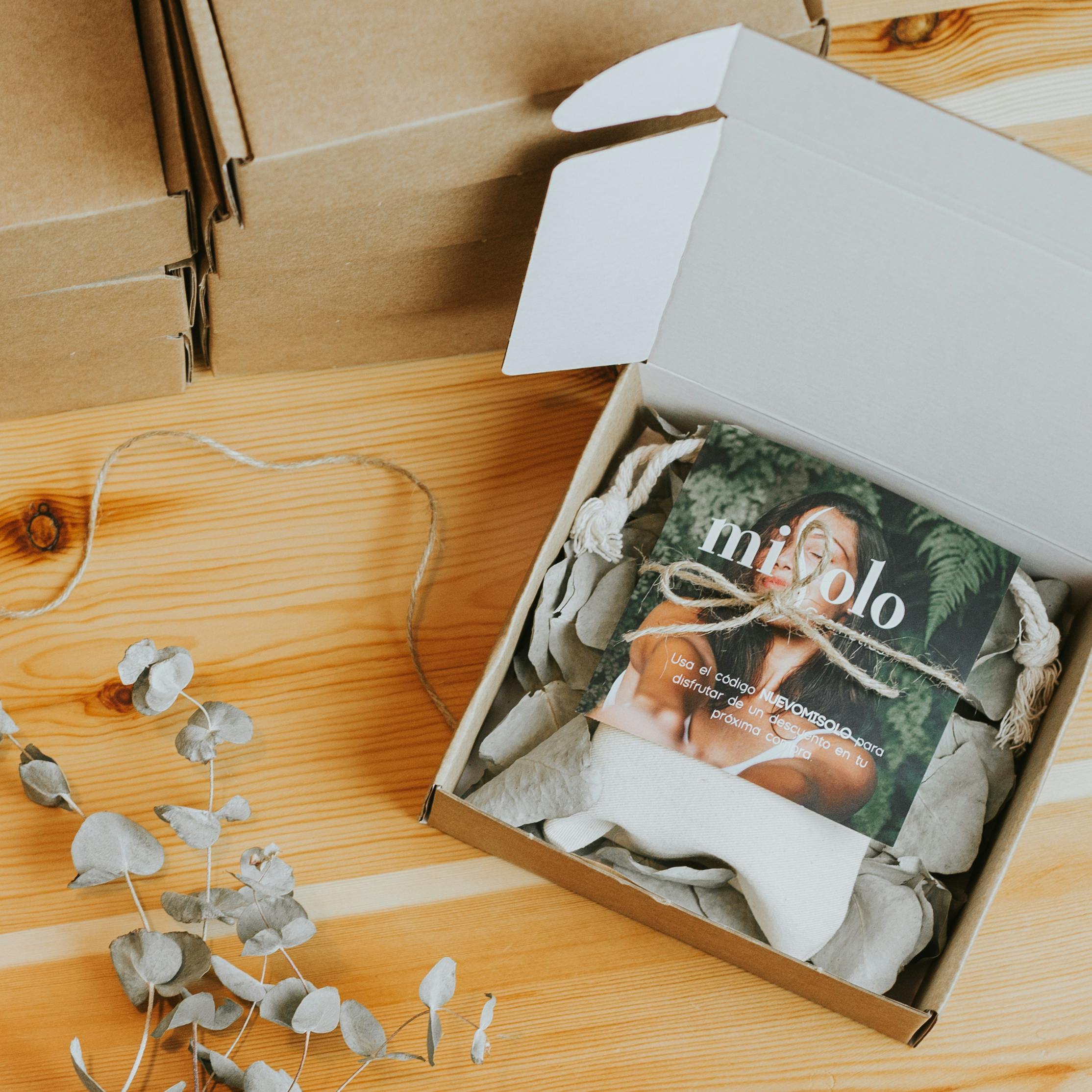
Retail packaging speaks before the product does. That matters even more for tea, where loose-leaf blends, sachet assortments, and gift tins often get judged in seconds instead of after a long comparison. Tea Brand Magnetic Boxes cost needs to be weighed against the role the box plays in the sale: it acts as a visual signal of quality, a marker of brand identity, and a shortcut to trust. A lid that closes with a confident feel and surfaces that look deliberate tell shoppers the tea belongs in a higher tier before they touch what is inside.
Most teams do not move to rigid magnetic packaging because they want a nicer carton. They move because a sampler kit, holiday set, or direct-to-consumer launch needs more presence than a folding carton can provide. Tea brand magnetic boxes cost becomes easier to justify when the box handles several jobs at once: protecting fragile contents, creating a premium unboxing experience, and signaling that the product belongs at a stronger price point. For a packaging buyer, that is not decoration. It is part of the selling system.
The numbers make sense once the packaging is tied to the business outcome. A higher unit cost can still support stronger margin if the box helps justify a higher retail price, reduces damage claims, and encourages repeat purchase. Rigid packaging also photographs well, which helps across ecommerce pages, email campaigns, and subscription inserts. Tea brand magnetic boxes cost should sit beside gross margin, return rate, and retail velocity. If the packaging improves those figures, the spend is doing real work.
"The lowest quote does not always mean the lowest risk. If the closure weakens, the insert shifts, or the surface scuffs in transit, the hidden cost shows up later."
Tea brand magnetic boxes cost comes down to the balance between structure, finish, and quantity. A low opening price can look appealing on paper, then turn expensive when it creates brand inconsistency, rework on the production floor, or damage in shipping. Packaging often costs more in the end when the first quote ignores what the box has to survive.
From experience, the projects that stay on budget are the ones where the spec is locked early and the team stays disciplined about revisions. The projects that drift usually start with, “We’ll figure out the insert later,” and then, well, everything gets kinda expensive after that. A box is not just a shell; it is a production system with tolerances, finish steps, and handling requirements.
Product Details: What Tea Brand Magnetic Boxes Include
A typical rigid magnetic box starts with chipboard or thick paperboard wrapped in printed paper, specialty paper, or a coated art wrap. The hidden magnets sit inside the flap so the lid closes with a clean snap, and that tactile moment carries more weight than many buyers expect. Tea brand magnetic boxes cost reflects that construction because the closure is part of the perceived value, not a minor hardware detail. When the lid closes squarely and the edges stay crisp, the box feels premium the moment it is handled.
Inside, the layout changes with the product line. Loose-leaf pouches need different support than tea tins, and a tasting set with multiple sachet SKUs may need a layered insert to keep each item from shifting during transit. Tea brand magnetic boxes cost moves with those choices because every cavity, divider, and retention point adds labor or material. A simple tray can keep the price in reach; a custom insert with several die-cuts can push the quote upward quickly. The right structure depends on whether the box holds one hero item, a bundle, or a gift assortment with tasting cards.
Buyers also ask for a specific visual language. Matte lamination, soft-touch coating, foil stamping, embossing, spot UV, and textured wraps are the most common upgrades. None of these sits in a vacuum. Each one changes customer perception and usually changes tea brand magnetic boxes cost in measurable steps. A dark matte surface with a single foil logo can feel more restrained and expensive than a crowded full-coverage print with several finishes layered together. For tea packaging, restraint often reads as better taste.
There is a practical difference between a display-first box and a shipping-ready box. A carton that looks polished under retail lighting may still need stronger corners, a tighter insert, or more internal support if it moves through ecommerce fulfillment. Tea brand magnetic boxes cost should be judged against the full route to the customer, not only against the product photo. If the box survives shelf handling but arrives dented, the packaging has failed the business even if the mockup looked perfect.
One thing I always check is how often the customer will open and close the box. Tea gift sets are not always one-time unboxing pieces; some become pantry storage, desk organizers, or refill holders. That means the closure strength, hinge durability, and surface resistance to scuffing all matter a bit more than buyers first think. A box that looks great on day one but starts to fray after a week is not really premium, no matter how nice the render looked.
Tea Brand Magnetic Boxes Cost Breakdown: What Changes the Price
The clearest way to break down tea brand magnetic boxes cost is by the variables buyers can control: size, board thickness, paper wrap, print coverage, finish complexity, insert design, and order volume. The larger the box, the more board and wrap it uses, though size alone does not explain the full price. A compact format with several interior partitions can cost more than a larger box with a simple single-cavity insert. The work sits in the structure, not only in the footprint.
Order quantity matters just as much. With low MOQ, the setup work for dielines, proofing, and machine calibration gets spread across fewer units, so unit cost rises. At higher volumes, tea brand magnetic boxes cost usually drops because the fixed work gets diluted across more boxes. Larger runs only pay off when storage and launch timing are planned well. A warehouse full of boxes that launch six months late is not a bargain; it is cash tied up on a shelf.
| Option | Common Use | Typical Specs | Indicative Unit Cost at 500 | Indicative Unit Cost at 1,000 | Indicative Unit Cost at 3,000 |
|---|---|---|---|---|---|
| Small sampler box | Tea sachet set or tasting kit | Simple insert, matte wrap, one-color print | $3.50-$5.50 | $2.30-$3.80 | $1.35-$2.10 |
| Medium gift box | Holiday set or DTC bundle | Soft-touch finish, foil logo, paperboard insert | $5.00-$7.80 | $3.40-$5.20 | $2.10-$3.60 |
| Large premium box | Multi-item gift program | Custom insert, embossing, foil, specialty wrap | $8.50-$14.00 | $5.80-$9.50 | $3.80-$6.50 |
Those figures are planning ranges, not a formal quote, but they show how quickly tea brand magnetic boxes cost can move as the spec becomes more complex. A few dollars per unit looks small until the order reaches several thousand pieces; then the spread becomes a real budget item. The same logic works in reverse too. A cleaner structure, tighter artwork, or simpler insert can save more than a modest supplier discount.
Premium upgrades have the sharpest effect on the final number. Foil on multiple panels, embossing, heavy spot UV, and custom die-cut inserts all add steps. Tea brand magnetic boxes cost is usually most sensitive to finishing choices because they add labor as well as material. If the goal is a luxury feel without pushing the quote too far, the smarter move is often one strong hero detail instead of several small effects that each need setup time.
There is also a soft cost that buyers miss when they focus only on the line items. Complicated decoration can slow packing, increase inspection time, and create more opportunities for misalignment. I have seen brands save a little on paper stock, only to spend that savings on rework because the artwork needed to be centered around too many finish layers. That sort of tradeoff is exactly where the real quote lives.
Comparing volume breaks
Another way to read tea brand magnetic boxes cost is through quantity tiers. A brand testing a new herbal line might start with 500 units, while a holiday rollout or subscription program may justify 1,000 or 3,000 units. The price curve usually falls as the run grows, yet the buyer still needs to compare the total landed cost rather than the unit number alone. Freight, cartons, and storage all belong in the calculation, and once those are included, the cheapest print quote is not always the best program.
Specifications That Matter: Size, Board, Inserts, and Finish
The strongest quote starts with a complete spec sheet. If the product team sends only a rough box size, tea brand magnetic boxes cost may come back with too much guesswork to be useful. A clear brief should include product dimensions, fill weight, number of tea SKUs per box, insert requirements, artwork format, and shipping destination. Missing one of those inputs often means the supplier has to build in extra risk or ask for revisions later. Either way, the buyer loses time.
Board thickness and wrap choice shape both durability and presentation. Thicker board improves rigidity and shelf presence, while the wrap controls print quality and tactile finish. Tea brand magnetic boxes cost can stay under control when the materials match the brand position instead of chasing the most expensive finish on the list. For many tea brands, a refined matte wrap with sharp type and one foil accent reads more premium than a glossy surface packed with effects. The package should feel considered, not crowded.
The insert is where many budget surprises hide. Loose-leaf pouches need a different cavity from tins, and sachet gift sets may need a layered insert to keep items from shifting once the box is opened and closed repeatedly. Tea brand magnetic boxes cost rises when the insert becomes overcomplicated, but a poorly designed insert can create rattling, scuffing, or crooked presentation. That is not a minor issue. It changes the unboxing moment and can make a premium set feel rushed. Good insert design protects the product and keeps the box looking intentional after transit and shelf handling.
Finish choice also influences how a box ages in the customer's hands. Soft-touch coatings feel rich, but they can show marks if the product is handled often or moved through busy fulfillment lines. Matte wraps tend to be more forgiving, while high-gloss surfaces can highlight scratches and fingerprints. None of that makes one finish right for every brand. It just means the spec should match the way the tea will actually be sold, packed, and opened.
Sustainability claims also need real material choices behind them. Recyclable paper wraps, minimal-plastic interiors, and right-sized structures can support a cleaner environmental story without giving up the premium look. If a brand wants recycled or FSC-certified paper, that needs to be stated early because it affects sourcing and print compatibility. For buyers comparing packaging claims, the guidance from FSC is a useful reference point. Tea brand magnetic boxes cost does not have to conflict with sustainability, but the spec needs to be chosen carefully so the claim and the construction actually match.
Production Process and Lead Time: From Artwork to Delivery
Buyers often ask for price first, yet the process matters just as much. Tea brand magnetic boxes cost is only one part of the project; the rest is the sequence from brief to shipment. A disciplined run usually moves through briefing, structural review, dieline setup, artwork placement, proof approval, sampling, production, inspection, packing, and freight. That sounds long because it is. Packaging programs fail most often when someone assumes the box can be ordered the same way a commodity item can.
Lead-time delays usually come from avoidable changes. Last-minute size tweaks, artwork corrections, and finish approvals can add days or weeks, especially when design and procurement are not aligned on the final spec. Tea brand magnetic boxes cost also rises when revisions force new proofs or sample rounds. A clean approval process is not bureaucracy; it is cost control. Every unplanned correction is time the assembly line is not moving toward shipment.
For timing, simple builds with standard finishes tend to move faster than boxes with custom inserts or special coatings. As a rough planning guide, many projects need 2-4 business days for quoting and structural review, 3-7 business days for sampling or prototype approval, and 12-18 business days for production after final sign-off. Freight then runs on its own clock. Buyers who ship by air can shorten delivery, while ocean freight may add several weeks. If the box is tied to a launch date, freight should be planned alongside the run itself. For transit performance, I also like to point buyers to ISTA because distribution testing gives a better view than wishful thinking.
That is why tea brand magnetic boxes cost should be paired with a project timeline rather than handled as a standalone estimate. A supplier who understands proofing, sampling, and freight will often save more money than a cheap quote that comes with weak communication. From a packaging buyer's point of view, predictability belongs in the value equation. If the process is sloppy, the box can cost more even when the unit price looks lower.
One practical habit helps a lot here: lock the artwork after the first proof unless something truly has to change. Tiny design edits feel harmless in a deck, but they can restart files, shift magnet placement references, and introduce extra approval loops. That is the sort of thing that turns a two-week package into a five-week headache, and nobody wants to be the person explaining that in a launch meeting.
Why Choose Us for Tea Brand Magnetic Boxes
Consistency matters more than many people admit. Tea brands often reorder seasonal programs, test limited blends, and refresh graphics without changing the core structure. Tea brand magnetic boxes cost is easier to manage when the supplier can keep color, magnet alignment, and structural quality steady across reorders. Brand consistency is not a soft metric. It affects customer perception, review quality, and how confident the sales team feels when pitching a premium assortment.
Packaging engineering is where real value shows up. A good partner can right-size the box, simplify the insert, and remove unnecessary finish steps without stripping away the premium cues. That has a direct effect on unit cost, but it also changes how efficiently the line runs. Tea brand magnetic boxes cost drops when the structure is smart from the start. If the design team does not need to compensate for a clumsy format, the final pack usually looks better and costs less to repeat.
Flexible MOQ support is especially useful for tea brands testing new blends or holiday gift sets. A smaller launch quantity lowers risk, and that can matter more than saving a few cents on a run the brand cannot absorb. Tea brand magnetic boxes cost should fit the demand forecast, not force the forecast to fit the box. If the product is still proving itself, a sensible MOQ protects cash while keeping the premium position intact. That is a practical decision, not a compromise.
Communication and sampling discipline also matter. Clear dielines, quick proofs, and accurate sampling save more money than a tiny per-unit discount ever will. If you want to compare approaches, our Case Studies page shows how spec decisions affect real packaging outcomes, and our Custom Packaging Products page outlines the broader box formats available for tea, gifts, and subscription programs. Tea brand magnetic boxes cost becomes much easier to control when the supplier can explain trade-offs in plain language.
There is also a trust issue here that buyers should not brush aside. A supplier who explains tolerances, finish limits, and freight risk honestly is usually the better long-term bet than one promising the cheapest number with no caveats. In packaging, honesty saves money. It also saves the awkward conversations that happen after the samples arrive and the closure does not quite seat the way everyone hoped it would.
Next Steps: How to Request the Right Quote
If you want a quote that is actually useful, start with the product rather than a wish list for the packaging. Tea brand magnetic boxes cost becomes clearer when the request includes exact dimensions, fill format, target quantity, preferred finish, and shipping location. Better inputs create cleaner pricing. They also cut down on revisions, which is where many projects quietly lose time and money. A quote built on assumptions may look quick, but it usually needs a second pass.
Compare multiple quantity breaks before you lock the budget. A good buyer will ask for pricing at 500, 1,000, and 3,000 units so setup cost and unit cost can be compared side by side. Tea brand magnetic boxes cost often drops sharply once the order moves past the smallest tier, but the buyer still has to watch storage and launch timing. An order that is too large can create inventory pressure; an order that is too small can leave the campaign underfunded. The right answer is the one that fits the launch plan.
- Provide the exact box dimensions and the product weight.
- Specify how many tea items sit inside each box.
- Choose the finish level before you ask for a quote.
- State the preferred MOQ and any reorder expectations.
- Share the ship-to country or warehouse location.
A structural sample is worth requesting if the box will hold multiple tea items, use premium finishes, or ship through ecommerce. Tea brand magnetic boxes cost may include a small prototype fee, but that amount is usually tiny compared with the expense of correcting a bad insert, a weak magnet, or a surface that scuffs too easily. A sample is not extra polish; it is a risk check. It shows whether the spec behaves the way the sales deck promised.
Bottom line: tea brand magnetic boxes cost should be treated as a packaging decision, a brand decision, and a margin decision at the same time. When the structure, finish, MOQ, and Lead time line up, the box can support a stronger retail price without making the program harder to run. If you are gathering quotes now, start with exact dimensions, clear insert needs, and the real launch quantity; that is the fastest way to get a number you can trust.
Frequently Asked Questions
What affects the price most?
Box size, board thickness, and print coverage usually drive the biggest changes. Custom inserts, foil, embossing, and soft-touch finishes can move the number faster than most buyers expect. MOQ matters too, because setup costs are spread across fewer or more boxes depending on the run.
What minimum order quantity should I expect?
MOQ depends on structure, print method, and finish complexity. Smaller runs are possible, but unit cost is usually higher because setup work is fixed. The clearest way to compare options is to ask for pricing at several quantity tiers, then see where the break point sits.
How long does production take after artwork approval?
Simple builds usually move faster than boxes with custom inserts or premium finishes. Lead time also depends on sampling, proof approval, and freight destination. A realistic schedule should cover the full process, not only the print run itself.
Are magnetic closure boxes worth the higher spend for tea gifts?
Yes, when the tea is sold as a premium gift, holiday set, or subscription box. The closure improves shelf appeal and the unboxing experience, which can support a higher retail price. For budget lines, a simpler structure may make more sense if margin is tight.
How can I reduce unit cost without making the box look cheap?
Reduce finish complexity before cutting structure quality. Use a cleaner print layout, a standard insert, or a slightly smaller size if the product allows it. The trick is to keep the premium look in one or two focal details instead of adding every upgrade at once. That is usually the best way to keep tea brand magnetic boxes cost under control.
Final note: if you are balancing launch speed, brand recognition, and margin, tea brand magnetic boxes cost should be read alongside the full packaging spec and the full delivery timeline. The right box protects the tea, strengthens visual branding, and still gives the finance team a number they can live with.

