Tea Brand Mailer Boxes Sample Approval: Review Before Bulk
If you sell tea, tea brand mailer Boxes Sample Approval is the step that keeps a polished mockup from turning into an expensive headache. A box can look perfect on screen and still arrive with crushed corners, a flap that pops loose in transit, or an insert that lets sachets slide around like loose change in a coat pocket. That is not a design problem. It is a packaging problem, and packaging has a funny way of exposing every shortcut, every weak fold, and every assumption that seemed harmless during proofing.
From a packaging buyer's point of view, tea brand mailer Boxes Sample Approval is not paperwork for the sake of paperwork. It is the moment you find out whether the box actually protects the tea, reinforces the brand, and still feels premium in a customer's hands. If you are comparing formats across your line, our Custom Packaging Products page and Case Studies can help you benchmark what a production-ready result looks like when structure, print, and finish all pull in the same direction.
Most packaging mistakes are not creative mistakes. They are fit, board, closure, and handling mistakes. That is why tea Brand Mailer Boxes sample approval deserves time, attention, and a real test with the actual tea pack, not a stand-in that only resembles the finished order in theory. A beautiful package that cannot survive packing, shipping, and opening is still a failure, just a more expensive one.
Why tea brand mailer boxes sample approval saves expensive do-overs
The first thing brands usually get wrong is assuming the visual proof is enough. It is not. A digital rendering can show color, type, and layout, but it cannot tell you whether the mailer walls flex too much, whether the tuck flap opens in transit, or whether the insert is just a hair too tight and scuffs the printed finish. Tea brand mailer boxes sample approval catches those problems before they multiply across a full run.
That matters because tea packaging has a few failure modes that other products can sometimes survive. Loose tea dust can escape through tiny gaps. Sachets can shift and crush the corners. Tins can create point pressure that bows the panels. If the box has a magnetic closure or an anti-tamper feature, a small spec error can make the whole design feel flimsy. I have seen brands spend more fixing a bad production run than the sample process would have cost in the first place. That is the ugly math of tea brand mailer boxes sample approval.
There is also the customer perception angle. The box is not just a container; it is part of the unboxing experience and the visual story around the tea itself. If the lid opens too easily, the print reads muddy, or the interior insert looks cheap, the customer does not think, "Well, the sample must have been fine." They think the brand cut corners. That hits recognition and trust, especially for premium loose-leaf lines and subscription tea programs.
From a cost standpoint, sample approval is a checkpoint, not a luxury. Fixing a dieline, a closure, or an insert after 5,000 pieces have already been printed is a miserable place to be. Rework, freight, waste, and schedule delays stack up fast. A careful tea brand mailer boxes sample approval process usually costs a fraction of what a bad release can cost, and the savings show up in fewer complaints, fewer replacements, and fewer awkward calls about why the production box does not match the one everybody signed off on.
A sample that looks beautiful but fails the drop test is just a very expensive decoration.
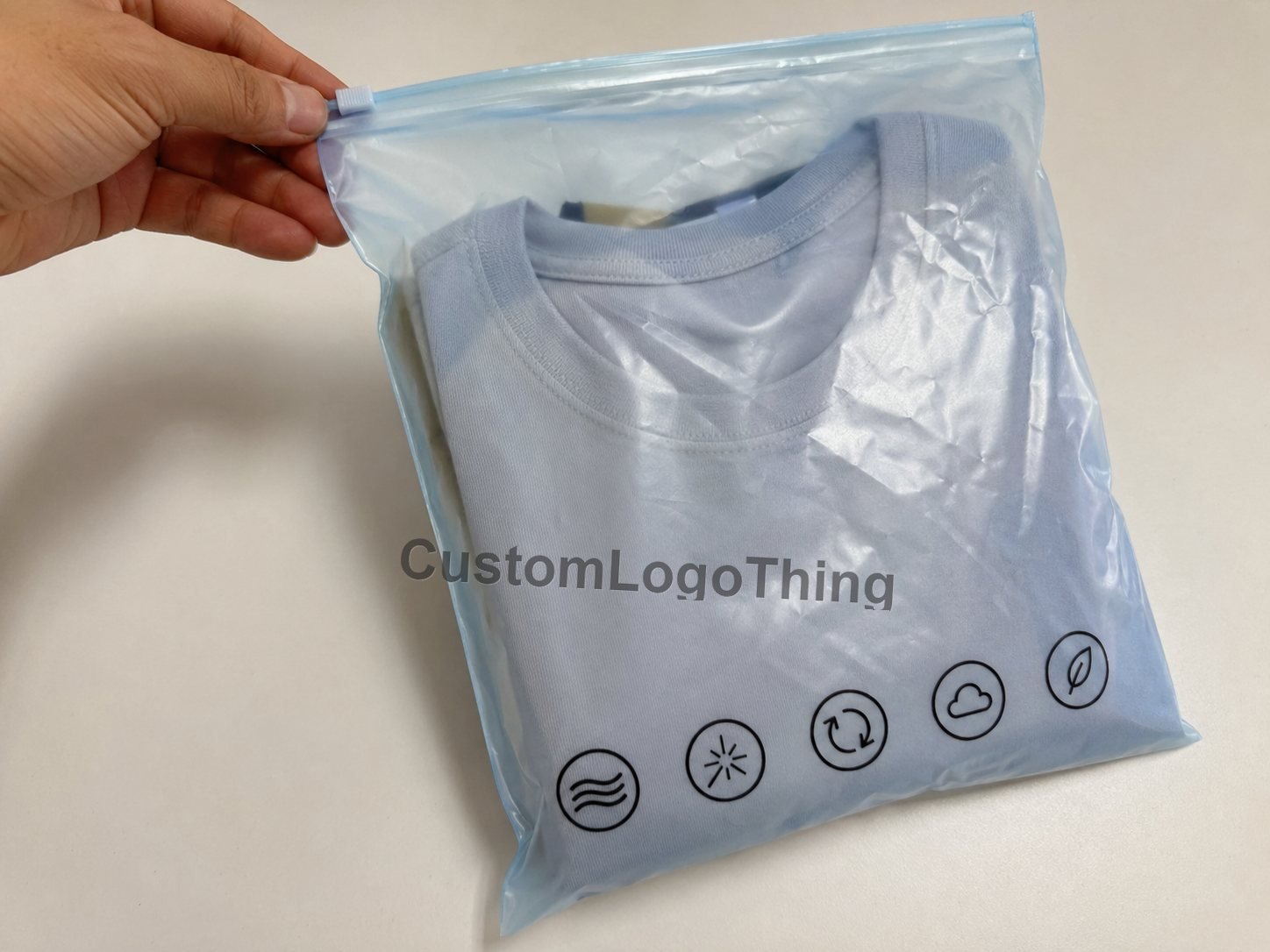
If your tea brand is also building other shipping formats, it helps to think in systems. The outer shipper, the retail mailer, and the secondary pack should all support the same brand consistency. For some programs, the outer layer may even be a separate protective format like our Custom Poly Mailers, while the mailer box handles the premium presentation. Tea brand mailer boxes sample approval is where those layers stop being ideas and start becoming a working package that can actually survive a real order.
How tea brand mailer boxes sample approval works from dieline to sign-off
The process usually starts with the dieline. That is the structural blueprint, and it is where the real decisions begin. The dieline defines internal dimensions, fold lines, panel sizes, closure style, glue areas, and the window for any insert or divider. If the dieline is off by even a few millimeters, the rest of the project starts drifting. Tea brand mailer boxes sample approval begins here because the structure has to fit the product before anyone talks about ink coverage or finish.
Next comes the sample type. Brands generally see one of three stages: a blank structural sample, a printed digital proof, or a fully finished physical prototype. Each one proves something different. A blank sample shows you the box shape, the folding behavior, and the board thickness. A printed proof checks artwork placement and color logic. A full prototype tests the real-world combination of structure, print, coating, and fit. That last version is the most useful for tea brand mailer boxes sample approval because it mirrors the order as closely as possible, right down to the way the tea pack sits in the cavity and the way the closure feels after repeated open-and-close cycles.
The workflow is straightforward, even if the back-and-forth can get a little tedious. You request the sample, compare it against the approved specs, test it with actual tea packs, mark changes, confirm revisions, and sign off only after the sample matches the order intent. The catch is that sign-off should involve more than one person. Ops notices loading issues. Marketing notices visual branding problems. Fulfillment notices packout pain. One reviewer rarely catches all three, which is why tea brand mailer boxes sample approval should not be a solo decision.
Here is a simple comparison of the most common sample types and what each one is really for:
| Sample type | What it proves | Typical cost range | Typical turnaround |
|---|---|---|---|
| Blank structural sample | Size, board thickness, folding behavior, closure fit | $15-$60 | 3-7 business days |
| Printed digital proof | Artwork placement, text, color direction, barcode clarity | $25-$100 | 2-5 business days |
| Fully finished prototype | Structure, print, finish, inserts, and packout performance | $60-$250+ | 5-12 business days |
Those numbers move depending on size, finish, and complexity, but they give you a sensible starting point. A premium rigid-style mailer with specialty coating and custom inserts will cost more than a simple folding mailer. No surprise there. The important part is matching the sample to the decision you need to make. If you are still changing dimensions, a finished prototype may be wasted effort. If you are ready to approve color and fit at once, a full prototype can save a round of back-and-forth and tighten tea brand mailer boxes sample approval in a way that keeps the project moving without guesswork.
For brands that care about material sourcing and sustainability claims, it is worth checking certifications and standards while the sample is still open on the table. Paperboard sourced from responsible forestry programs can support your story if the claim is real and documented. For reference, see FSC for forest stewardship basics and ISTA for shipping test standards that help validate transit performance. Those are not marketing ornaments. They are the kind of standards that keep tea brand mailer boxes sample approval grounded in reality and tied to evidence rather than hopeful assumptions.
Tea brand mailer boxes sample approval process and timeline
A clean tea brand mailer boxes sample approval process usually follows a simple sequence: submit artwork and dimensions, receive the dieline, review the sample, request revisions if needed, approve the final version, then move into production. That sounds neat on paper. In practice, delays usually come from the brand side, not the factory side. Missing barcode data, changing a flavor name, swapping a compliance line, or deciding the insert should hold a different pouch size can push the schedule back more than the sample lead time itself.
Timeline depends on sample type. A digital proof can come back fast because it skips physical tooling and shipping. A blank sample takes a little longer because the structure has to be cut and assembled. A printed prototype usually takes the longest because it includes output, finishing, assembly, and sometimes a second revision if the first version reveals a problem. If you want a realistic planning window, think in ranges rather than promises. Simple cases may move in under two weeks. More complex tea brand mailer boxes sample approval projects with custom inserts or specialty finishes can take longer, especially if multiple stakeholders need to sign off.
Here is the part people forget: physical samples are not just for the vendor. They are for internal alignment too. Marketing may care that the logo sits centered. Operations may care that the box closes with one hand. Finance may care that the approved spec does not sneak the unit cost up by 12 percent. That is normal. It is also why tea brand mailer boxes sample approval works best when the right people review the sample at the same time, not two weeks apart through scattered email threads.
Lead time also changes if the tea itself is fragile. Loose-leaf pouches, fragile tins, glass jars, and premium sampler sets all create different stress points. Add inserts, dividers, or anti-tamper features and the spec gets more sensitive. My advice is simple: if the packout depends on a precise load order or if the closure is doing more than basic tuck-duty, build extra time into tea brand mailer boxes sample approval. That buffer is usually cheaper than rushing a bad decision, and it gives your team room to fix the things that only show up once the sample is in hand.
There is a practical rhythm that works well:
- Confirm internal and finished dimensions before requesting the sample.
- Review the dieline with actual tea packaging measurements, not guessed ones.
- Check the sample with full product weight and the exact insert.
- Mark corrections clearly, with photos and notes.
- Approve only after the revised version matches the production intent.
That sequence keeps the process honest. It also prevents the classic "we approved the wrong version" headache, which happens more often than people want to admit. A good tea brand mailer boxes sample approval workflow is boring in the best way. No drama. No surprises. Just a box that fits, prints correctly, and ships without embarrassment.
Cost, pricing, and MOQ for tea brand mailer boxes sample approval
Let's talk money, because that is usually where decisions get vague. The cost of tea brand mailer boxes sample approval depends on setup fees, print method, board grade, coatings, inserts, and whether you are looking at a structural sample or a fully branded prototype. A simple blank sample is relatively inexpensive. A fully finished prototype with custom art, specialty finish, and a complex insert can cost several times more.
MOQ matters too. Small runs usually carry more setup overhead per unit because the tooling, proofing, and press preparation are spread across fewer boxes. Larger runs lower the per-box price, but they also raise the stakes if the sample was wrong. That is why smart buyers treat tea brand mailer boxes sample approval as part of pricing, not separate from it. A sample that exposes a board weakness early can prevent a costly batch correction later.
Here are the hidden costs that often catch brands off guard:
- Expedited freight for the sample, especially if approval is already behind schedule.
- Extra revision rounds when artwork keeps changing after the dieline is shared.
- Special inks or coatings that require different production handling.
- Re-sampling after a size change or insert change.
- Tooling or setup fees that are not always included in the first quote.
When comparing quotes, do not just look at the lowest number. Ask what the sample includes, whether sample fees are credited back on the bulk order, and whether the quote reflects the exact spec you approved. If the sample used 350gsm board with a matte finish and the production quote suddenly shifts to a lighter board, that is not a bargain. That is a future complaint. Proper tea brand mailer boxes sample approval protects you from that kind of bait-and-switch, intentional or not.
A lot of brands also forget that unit price is only one piece of the cost picture. Damage rates, customer complaints, and replacement shipments can chew through margin faster than a slightly higher box price ever will. If the approved sample reduces breakage, improves unboxing experience, and supports brand recognition, then the better box often pays for itself. That is not a feel-good statement. It is a packaging math statement, and it shows up in fewer refunds and less wasted inventory.
For teams balancing sustainability and spend, there is usually a sweet spot between overbuilding and underbuilding. You do not need the thickest board just because it sounds premium. You need enough board strength for the actual mail route, insert weight, and closure style. This is where tea brand mailer boxes sample approval is especially useful: you can test the real package instead of guessing.
Here is a quick way to think about pricing tiers:
| Option | Best for | Relative cost | Risk level if skipped |
|---|---|---|---|
| Blank sample only | Early structural checks | Low | Medium |
| Printed proof only | Artwork and layout review | Low to medium | High for fit issues |
| Finished prototype | Final approval before production | Medium to high | Low if tested well |
If you want a smarter buying posture, ask for the sample version that answers the most expensive question first. For some brands, that is fit. For others, it is closure strength or print accuracy. The goal of tea brand mailer boxes sample approval is not to admire the box. It is to disprove the risky assumptions before bulk order money is locked in and shipping begins.
What to check before you approve: print, structure, and shipping
Start with structure. Measure the finished dimensions, not the flat dieline alone. Check flap alignment, corner integrity, and whether the closure stays shut after repeated open-close cycles. If the box uses a tuck, make sure the flap does not lift. If it uses an insert, make sure the insert locks the tea in place instead of just sitting there looking busy. Tea brand mailer boxes sample approval should always include a hands-on fit test with the actual product.
Then review print. Screen images lie. Physical boards do not. Look at logo placement, barcode readability, small type, and whether the color matches your brand identity across top, side, and inside panels. If your tea line depends on subtle visual branding, check the tone in different lighting conditions. A cool gray can turn muddy. A soft green can drift yellow. That is how brand consistency quietly falls apart.
Test with the real product weight. Not a dummy. Not tissue paper stuffed in the corner. Real tea packs. If you sell multiple formats, test the heaviest one first because that is the one most likely to expose weakness. I have seen beautiful boxes fail because the team approved them with lightweight samples and then shipped a heavier SKU later. That is not a mysterious failure. That is a missed tea brand mailer boxes sample approval test.
Now abuse the sample a little. Not enough to destroy it for fun, but enough to mimic a rough delivery route. Shake it. Stack it. Press the corners. Drop it from a reasonable packing height. Check whether the tea stays protected and whether the box still looks premium after the abuse test. If your team wants a more formal method, ask for shipping validation aligned to ISTA-style thinking rather than relying on a quick visual glance. That is exactly what samples are for.
One practical note: the unboxing experience should still feel premium after the abuse test. That means no over-stiff flaps, no crushed corners, no popped seams, and no print rub where the contents contact the inside panel. If the tea is supposed to feel elegant, the packaging has to look calm, not fragile. That difference matters more than most brands realize, especially once the package moves through sorting, loading, and delivery where nobody handles it with white gloves.
If the box only works when handled gently, it does not really work.
Finally, check secondary details like tape placement, shipping carton count, and packout speed. The approved sample should not create a beautiful box that takes forever to assemble. Labor problems are still problems, even when the box looks great on camera. Tea brand mailer boxes sample approval has to account for the people packing the order as well as the customer opening it, because both sides of the experience shape how the product is remembered.
Common mistakes brands make during tea brand mailer boxes sample approval
The biggest mistake is approving too quickly because the sample looks good. A pretty box is not a tested box. Tea brand mailer boxes sample approval needs structure, fit, and transit performance, not just a nice first impression. Visual approval without load testing is how weak closures and sloppy inserts sneak into production.
Another common problem is using placeholder tea weights or dummy packs. If the sample is filled with light stand-ins, the bottom may sag less than it will in production, the insert may seem stable when it is not, and the closure may pass when it should fail. That is a bad habit. In packaging, empty boxes lie. Filled boxes tell the truth. This is why tea brand mailer boxes sample approval should be done with the real product or a close physical equivalent, preferably in the exact packout arrangement that will ship to customers.
Version control also causes trouble. One person edits the dieline, another updates the artwork, and a third approves an older PDF. Then production runs the wrong file and everyone acts surprised. That surprise is avoidable. Keep one master spec, one approved sample reference, and one final file set. If the sample changes, the documentation has to change with it. Otherwise tea brand mailer boxes sample approval becomes a paper exercise instead of a protection against mistakes.
There is also the classic budget trap: skipping a second sample to save a little cash. Sometimes that works. Often it does not. If the first sample reveals a real issue with closure, insert depth, or color drift, the second sample is not extra. It is the cost of getting the box right before bulk. A cheap wrong run is still expensive, just in a less obvious way. Smart buyers treat tea brand mailer boxes sample approval as a gate, not an annoyance.
One more mistake: ignoring the people downstream. Fulfillment teams may need a faster packout. Customer service may need a clearer product description on the outside. Retail partners may care about shelf presentation. If the box looks great but slows handling, that is a hidden cost. The best tea brand mailer boxes sample approval reviews include operations, marketing, and customer-facing teams because each one sees different failure points, and each one can spot a different kind of disappointment before it reaches customers.
Here are the red flags I would not ignore:
- The lid opens when the box is lifted from one corner.
- The insert compresses the tea packaging or leaves too much play.
- Small text is readable only in perfect lighting.
- The board bows after a basic stack test.
- The approved sample differs from the quote spec in any meaningful way.
If you catch those issues early, you save money. If you catch them after production starts, you pay twice: once for the bad run and again for the replacement. That is why tea brand mailer boxes sample approval matters more than a lot of teams want to admit when deadlines are breathing down their necks and the shipment window is already tight.
Next steps after tea brand mailer boxes sample approval
Once the sample is approved, lock it down in writing. Save the final dimensions, board spec, print method, finish, insert spec, and the exact approval date. Keep the signed sample and the order PO together. If there is a later dispute about color, fit, or material, you want a clean record of what was approved. That is the practical aftercare of tea brand mailer boxes sample approval.
Share the approved version with procurement, fulfillment, and customer service. Procurement needs to know what is being ordered. Fulfillment needs to know how the box packs. Customer service needs to know what the finished package should look like if a buyer sends a photo with a complaint. That is not overkill. That is how brand consistency holds up once the order ships and the team starts fielding real-world questions.
Next, run a final pre-production check on the artwork files, shipping carton specs, and carton counts. Make sure the approved sample is still the version going to press. This is where a lot of teams accidentally drift. Someone "just tweaks" the copy or changes the insert size, and the final box no longer matches the sample. That breaks the whole point of tea brand mailer boxes sample approval.
For tea brands that ship regularly, I recommend treating the approved sample as a reusable reference point. Keep it in the sample library. Label it clearly. Compare future revisions against it instead of trying to remember what the last run looked like. That habit saves time and keeps brand recognition stable across product lines, seasonal launches, and subscription refreshes.
And yes, it is worth repeating: the sample is not the end of the process. It is the proof that the process is working. If you get the approval step right, everything after that gets easier. Fewer returns. Fewer complaints. Better unboxing experience. Better customer perception. Better odds that the tea itself gets the spotlight instead of the box causing drama. That is the whole point of tea brand mailer boxes sample approval.
For teams looking to improve future runs, keep notes on what changed between the first sample and the approved version. Did the closure need more friction? Did the insert need a tighter tolerance? Did the print need a different ink density to hold the brand color? Those notes turn a one-time order into a repeatable packaging system. That is where tea brand mailer boxes sample approval becomes a process you can trust instead of a lucky break, and where packaging stops being a one-off task and starts behaving like an asset.
What should I check during tea brand mailer boxes sample approval?
Check fit, closure strength, print clarity, insert alignment, and whether the box protects the tea after handling and shipping tests. Use real product weights and real inserts, not placeholders, so tea brand mailer boxes sample approval reflects actual production behavior.
How long does tea brand mailer boxes sample approval usually take?
Simple digital proofs can move quickly, but physical samples and revision rounds usually take longer because shipping and remake time add up. Build extra buffer if the design needs custom inserts, special finishes, or multiple stakeholder reviews before sign-off on tea brand mailer boxes sample approval.
Does tea brand mailer boxes sample approval change the final unit price?
The sample itself is usually a separate cost, while the final unit price depends on quantity, material, print complexity, and finishing choices. A clean tea brand mailer boxes sample approval can lower risk and avoid expensive production corrections, which is where the real savings show up.
Can I approve a digital proof instead of a physical sample for tea brand mailer boxes?
Yes, for basic artwork checks, but a digital proof cannot fully verify structure, fit, board strength, or shipping performance. For fragile tea packs or premium mailers, a physical sample is the safer path for tea brand mailer boxes sample approval.
What happens if the approved sample still fails in transit?
That usually means the shipping test was too mild or the spec changed after approval, so the next step is to recheck board strength, closure design, and outer packaging. Document the failure, compare it to the approved sample, and revise the spec before restarting production. That is the part of tea brand mailer boxes sample approval nobody wants, but everyone should plan for.
Tea packaging is one of those categories where the details are not optional. The closure has to work. The print has to hold. The insert has to protect. The customer has to feel the difference the moment they open the box. If you treat tea brand mailer boxes sample approval as a serious gate, not a formality, you protect margin, reduce rework, and give the tea a package that actually earns its place on the shelf and in the mail.
The clearest next step is simple: test the approved sample with the real tea, the real insert, and the real shipping condition it will face, then freeze that version as the production reference before anyone touches artwork or dimensions again. That keeps the order honest and gives your team one version to trust.


