Tea embroidered baseball caps Bulk Order Planning Tips work best when the cap is treated like a small retail product, not a throwaway promotional item. That shift changes everything. It changes the art file, the timeline, the inspection checklist, even the way a buyer compares quotes. A cap that gets worn fifty times has a very different value profile from a flyer or a paper cup sleeve.
Tea brands have a useful problem: their identity is often visual, but it is also tactile. People associate tea with calm, restraint, craftsmanship, and sometimes a very specific flavor story. A cap can carry that story in a way a brochure cannot. It moves through a store, a booth, a delivery route, or a social photo without needing explanation. And because caps are one-size for most buyers, the order avoids the size matrix that makes apparel runs slower and more failure-prone.
The part many teams underestimate is how quickly a seemingly simple cap order can become expensive if the spec is vague. A weak mockup leads to bad stitch choices. A vague deadline leads to freight upgrades. A missing cap color reference leads to shade drift. Tea embroidered baseball caps Bulk Order Planning is less about picking a pretty blank and more about controlling the variables that affect repeatability.
Why tea-themed cap orders deserve a tighter plan
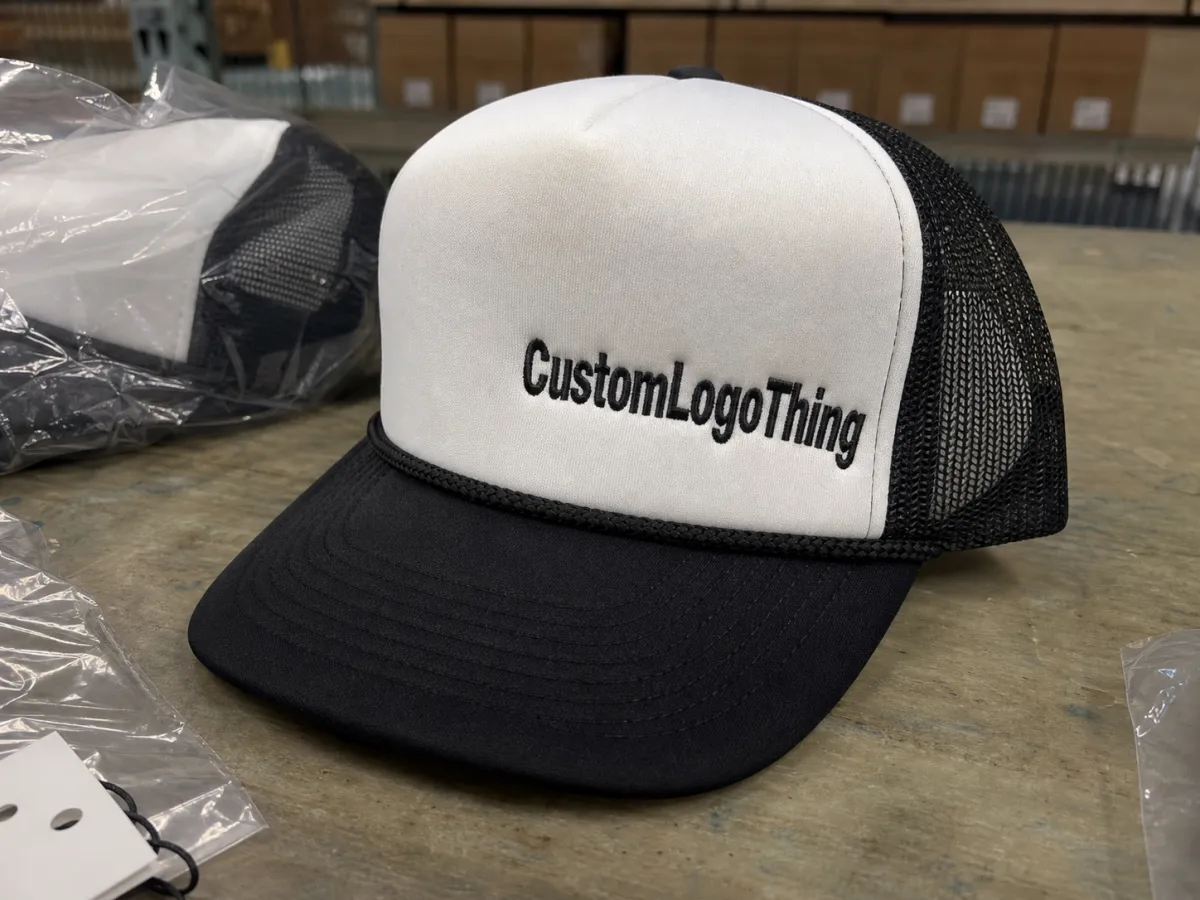
Caps are one of the few promotional items that combine utility, visibility, and low complexity. They do not sit in a drawer. They do not require batteries. They do not become irrelevant after one event. In practice, that means a tea shop staff cap, a tasting-event giveaway, or a limited merch drop can keep advertising long after the launch date has passed.
That longevity is why the order deserves more planning than buyers sometimes give it. A batch of 300 caps may look modest on paper, but the impact of a bad stitch scale or a wrong thread color multiplies across every unit. One crooked logo is an annoyance. Three hundred crooked logos become unusable stock.
Most tea-branded cap programs start with three decisions:
- Decoration method - flat embroidery, puff embroidery, woven patch, or a mix.
- Quantity - enough to hit useful pricing without tying up cash in excess inventory.
- Delivery target - the date the caps must be received, not the date they leave production.
Those three choices shape almost every other line on the quote. Once the cap body, thread colors, and placement are locked, reorders become much easier. The first spec sheet matters more than the first mockup because it becomes the record the next batch will follow.
There is also a practical branding reason tea companies like caps. The visual language is often subtle: cream, green, black, clay, gold, or matte neutrals. A cap gives that palette a surface people actually wear. The result can feel more like retail merchandise than a giveaway, which is exactly where many tea businesses want to sit.
Decoration options and logo placement that affect the final look
Embroidery usually decides whether the final cap feels premium or merely printed in another form. Flat embroidery is the most reliable starting point for tea brands because it keeps logos readable and works with clean, simple marks. Small leaf icons, cups, wordmarks, and short taglines usually translate well if the art is not overcrowded.
3D puff embroidery gives the front panel more dimension, but it is not a cure-all. It works best with bold shapes and limited text. Thin letters, fine steam lines, or tiny botanical details can collapse under puff fill. If the logo depends on delicate linework, flat embroidery or a patch usually gives a cleaner result.
Patches add texture and a more merch-forward feel. Woven patches are sharper for fine details; embroidered patches feel heavier and more traditional. Both can work well for tea labels that want a slightly vintage or craft-driven look. Mixed decoration is useful when the front needs a large logo and the side or back needs something smaller, but that extra step adds setup and inspection points.
| Decoration method | Typical add-on per cap | Best use case | Main watch-out |
|---|---|---|---|
| Flat embroidery | $0.90-$1.80 at mid-sized runs | Clean logos, staff caps, broad retail use | Thin lettering can close up if the art is too small |
| 3D puff embroidery | $1.20-$2.40 | Bold front marks and simple icons | Not suited to fine detail or tight text |
| Woven or embroidered patch | $1.40-$2.80 | Textured branding and vintage-style merch | Patch shape and application add time |
| Mixed decoration | $2.00-$3.50 | Front logo plus side or back detail | More proof steps and more room for error |
Placement changes the tone more than many buyers expect. Center front is still the strongest read at a distance. Side panel embroidery feels quieter and more premium. Back arch placement can work well for short phrases, store names, or campaign marks. Above the closure is usually best kept small; once that location gets crowded, the cap starts to feel busy.
Tea brands often work with muted greens, cream, brown, charcoal, and black, but those colors do not behave the same way across every fabric. A cream thread on a stone cap may disappear outdoors. A dark forest green on a washed cotton cap can look refined in a proof and nearly vanish in daylight. That is why thread and blank need to be judged together, not separately. The same goes for metallic thread. It can add a touch of distinction, but only if the base color and stitch density support it.
How to prep artwork for embroidery
Vector files are the cleanest starting point. AI, EPS, and PDF formats usually quote faster because the digitizer can map stitch direction and density instead of rebuilding the artwork from scratch. Small raster files cause most of the avoidable delay. A logo that looks sharp on a phone can turn fuzzy once it is reduced to a 2.25 inch front panel.
Keep the embroidery art simple where it counts. Bold outlines, clear negative space, and limited color changes usually stitch better than intricate detail. If the tea logo includes steam lines, leaves, or a cup icon, ask whether any part can be simplified without losing recognition. One editing pass at the art stage can save a revision round later.
Also check the smallest readable text. If a subline is too thin for thread, it may need to be removed, enlarged, or shifted to another placement. That is not a design failure. It is a production constraint.
Cap specs that change fit, stitch quality, and resale value
The blank matters as much as the decoration. A cap is not just a background. It determines how the front panel holds shape, how the stitch line sits, and how the finished product feels after a long wear. Structured caps create a firmer front and usually make embroidery look cleaner. Unstructured caps are softer and more casual, which can suit cafe merch, lifestyle collections, or staff wear when the goal is comfort over sharp silhouette.
Six-panel caps remain the default for good reason: they offer a stable front and fit most embroidery placements well. Five-panel caps have a more modern look and a flatter front, which gives tea brands a more streetwear-leaning result. That style choice should match the audience. A boutique matcha label and a wholesale tea distributor may want very different visual cues from the same logo.
Material affects both hand-feel and stitch quality. Cotton twill is the safest all-around choice for color depth and decoration clarity. Washed cotton gives a more relaxed appearance, but the softer surface may slightly change how embroidery sits. Polyester or performance blends work better for outdoor events, summer promotions, and staff who need the cap to hold up under heat and sweat. A cap that looks great in a mockup can feel heavy or too stiff once worn, so blank selection should be tested early when possible.
Crown height and front-panel stiffness deserve more attention than they get. A higher crown gives embroidery more room and often improves visibility. A lower crown can feel more refined, but it narrows the decoration area. If the front panels are too soft, stitches can pucker. If they are too rigid, the cap can feel boxy. The right balance depends on whether the order is for retail, staff use, or event distribution.
Closure type affects both cost and audience fit. Snapbacks make sizing easier and are useful when the caps need to fit a wide group quickly. Strapbacks can look cleaner and slightly more elevated. Buckle closures lean more premium. Fitted caps are a different category entirely and usually make bulk ordering less flexible unless the buyer has a very clear size breakdown. For most tea brands, one adjustable size keeps inventory cleaner and reduces leftover stock.
Brim shape matters too. Curved brims feel familiar and broadly wearable. Flat brims create a sharper profile and can work for a younger, more fashion-driven audience. Neither is inherently better. The cap should match the way the brand wants to be worn.
For higher-volume retail use, ask for a sample or at least a pre-production photo proof before approving the run. That extra check can reveal issues the render will not show, such as panel stiffness, visor curve, or whether the logo sits too high once stitched. Returns are far more expensive than one careful sample round.
Bulk pricing, MOQ, and quote variables that move unit cost
Most cap pricing differences come from a short list of variables. Quantity is the biggest one, but not the only one. A 250-piece order behaves differently from a 1,000-piece order even if the logo is identical. More units lower the unit price, but only to a point. After that, the savings can flatten if the decoration becomes more complex or if freight costs rise.
Stitch count has a direct effect on cost. A simple front logo with fewer stitches is faster to produce than a dense design with multiple colors and tight details. More stitch movement means more machine time and more opportunities for misalignment. That is one reason simple marks often hold up better in bulk than elaborate art.
MOQ should be read carefully. Some suppliers set a minimum per style, some per color, and some per decoration location. A buyer can think the order is large enough and still miss the threshold if the cap colors are split. That becomes a problem fast when the pricing tier depends on a single color run. Ask for the minimum to be stated plainly: per style, per color, or per logo version.
These are the line items that matter most:
- Setup fee - digitizing, art cleanup, and machine programming.
- Sample fee - physical sample or pre-production photo proof.
- Unit price - the cap cost at each quantity tier.
- Freight - carton shipping, air freight, or split delivery.
- Rush charges - added cost for compressed deadlines.
For standard bulk runs, many buyers see embroidered caps land in the $4.00-$8.00 per unit range before shipping when the blank is common and the decoration is straightforward. Premium blanks, more colors, larger embroidery areas, or mixed decoration can push the total higher. Digitizing is often quoted separately, commonly around $35-$85 depending on logo complexity and revision expectations. Those are working ranges, not fixed rates, but they are useful for spotting quotes that are too high or unrealistically low.
Request tiered pricing at more than one quantity level. A 250-piece quote gives the baseline. A 500-piece or 1,000-piece tier shows where the real savings begin. That comparison matters more than chasing the absolute lowest number on one line. Freight, sample handling, and rework can erase a cheap unit price quickly.
For repeat programs, a supplier’s reorder consistency matters almost as much as price. If the second batch requires the art to be digitized again, the earlier savings may disappear. A cleaner quote is the one that spells out what is included and what would count as a change order. For recurring orders, the Wholesale Programs page is a useful starting point.
Production steps and timeline for a clean on-time delivery
A good cap order usually moves through the same chain: quote, art review, proof, sample approval, production, inspection, and transit. If the artwork is ready and the blank is in stock, the process can move quickly. If either one is uncertain, the schedule stretches almost immediately.
The most common delay is not the machine run. It is the approval chain. One person wants the logo smaller. Another wants the thread darker. Someone else wants the cap color changed after the proof is already underway. None of those changes are unusual, but they need to happen early. Every revision after digitizing adds time, and every extra proof step opens the door to more delay.
Share the in-hand date first. A ship date alone does not tell the full story. If the caps must arrive for a pop-up, cafe opening, trade show, or seasonal launch, the critical date is the one they must be received, unpacked, and ready to use.
That matters because lead time includes more than production. It also includes freight, receiving, carton handling, and a buffer for inspection. For orders going into a warehouse or regional distribution point, packing instructions should be spelled out. Outer carton marks, individual polybags, and label placement can all affect how fast the order gets checked in.
For most bulk cap runs, a realistic planning window often sits somewhere around 2-4 weeks after proof approval if the blank is available and the design is straightforward. More complex decoration, special packaging, or freight delays can stretch that to 4-6 weeks or longer. Seasonal demand makes those ranges tighter. Summer launches, holiday blends, and anniversary drops all compress the calendar because everyone else is trying to ship at the same time.
QC should not be limited to a visual glance. Good inspection checks thread tension, stitch density, placement symmetry, cap color consistency, brim shape, and carton counts. If the order is for multiple locations, sample units from the start, middle, and end of the run should match closely enough that a customer would not notice a difference on the shelf. That is the standard that matters.
Transit testing is another practical piece buyers skip too often. A cap is light, but the carton may still be handled roughly or stacked for days. If the route is long or the receiving environment is busy, packaging should be strong enough to keep brim shape and surface finish intact. A carton that fails in transit turns a low-cost order into a correction job.
Why reorders stay consistent across batches
Consistency is where the real operational value shows up. Once the logo file is approved and the spec is locked, a reorder should look almost identical to the first batch. That means the stitch count stays in the same range, thread colors match the approved sample, panel alignment remains stable, and the new cartons follow the same packing method.
This sounds ordinary until a brand has to restock. A tea business with multiple stores cannot afford one location wearing a dull olive version of the logo and another receiving a brighter, cleaner green. A merch team cannot relaunch a campaign if the second batch has a different crown height or the patch border shifts enough to change the feel. The problem is not only aesthetic. Inconsistency creates unusable inventory, extra customer service work, and a lot of wasted time.
Good reorder management is mostly recordkeeping. The approved digitized file, cap spec, thread references, placement notes, and packaging instructions should stay together. If they do, the next run becomes routine instead of a fresh negotiation. That matters even more for tea brands that release product in waves or keep core merch in stock year-round.
There is a simple test here: if the supplier can explain exactly what will stay the same on the second order, the program is probably well managed. If the answer is vague, the buyer will end up doing more follow-up later. A cheap first run is not always the best run. The better order is the one that can be repeated without rebuilding the setup from zero.
If the brand cares about sustainability claims, packaging specs should be checked too. Carton board certification, when relevant, can be part of the record. That detail will not rescue a poor cap, but it can matter to buyers who are trying to keep the whole merch package consistent with the brand story.
Next steps to lock specs, request a quote, and place the order
Before asking for pricing, gather the core variables in one place. That makes tea embroidered baseball caps Bulk Order Planning easier and reduces the back-and-forth that tends to delay proofs. The supplier should not have to guess at the cap shape, the placement, or the timeline.
- Quantity - total units plus any color split.
- Cap style - structured or unstructured, five-panel or six-panel, closure type, and brim shape.
- Logo file - vector format if possible, with any color references.
- Embroidery location - front, side, back, or mixed placement.
- Delivery target - the in-hand date, not only the ship-by date.
Ask for one revision round before production if the artwork is still being finalized. More than that usually signals the design is not ready yet. If the order needs retail-ready packaging, individual polybags, or carton labeling for multiple stores, confirm it before approval. Packing details affect both freight cost and the speed of receiving.
A practical quote review usually follows this order: approve the decoration method, confirm the MOQ, compare tiered pricing, then request the proof. That sequence keeps the order focused on production reality instead of presentation noise. For questions that come up often, the FAQ is a helpful place to check the usual file and timeline issues.
For tea brands, the most useful inputs are still the same three: quantity, deadline, and decoration location. Once those are clear, the rest of the order becomes much easier to price and much easier to produce well.
FAQ
What quantity is best for tea embroidered baseball cap bulk orders?
The best quantity is the one that reaches a useful pricing tier without creating dead stock. For many buyers, that means comparing quotes at two or three levels, such as 250, 500, and 1,000 pieces. If the caps will be used across stores or recurring events, it can make sense to order slightly more to avoid paying a higher unit price on a small run later.
What embroidery file should I send for a tea cap bulk order?
Vector files such as AI, EPS, or PDF usually produce the cleanest quoting and digitizing results. If the logo has small type or fine lines, ask for a production review before approval. Include color references and placement notes so the proof reflects the final intended look.
Can I mix cap colors in one tea embroidered baseball cap order?
Usually yes, but the minimum may apply per color or per style rather than for the full order total. Mixing colors can also add proofing and thread-matching steps. Confirm the split before approving the quote so the unit price and MOQ stay accurate.
How long does production usually take for tea embroidered baseball caps?
Many orders land in a 2-4 week production window after proof approval if the cap blank is available and the design is straightforward. More complex embroidery, special packaging, or freight changes can push that longer. Always ask for both a ship-by date and an in-hand date so the timeline reflects reality.
What should I prepare before asking for a tea cap quote?
Prepare the quantity, cap style, logo file, embroidery placement, and delivery date. If you need retail packaging or individual polybags, include that too. The more complete the spec, the less likely the order will drift during proofing or production.

