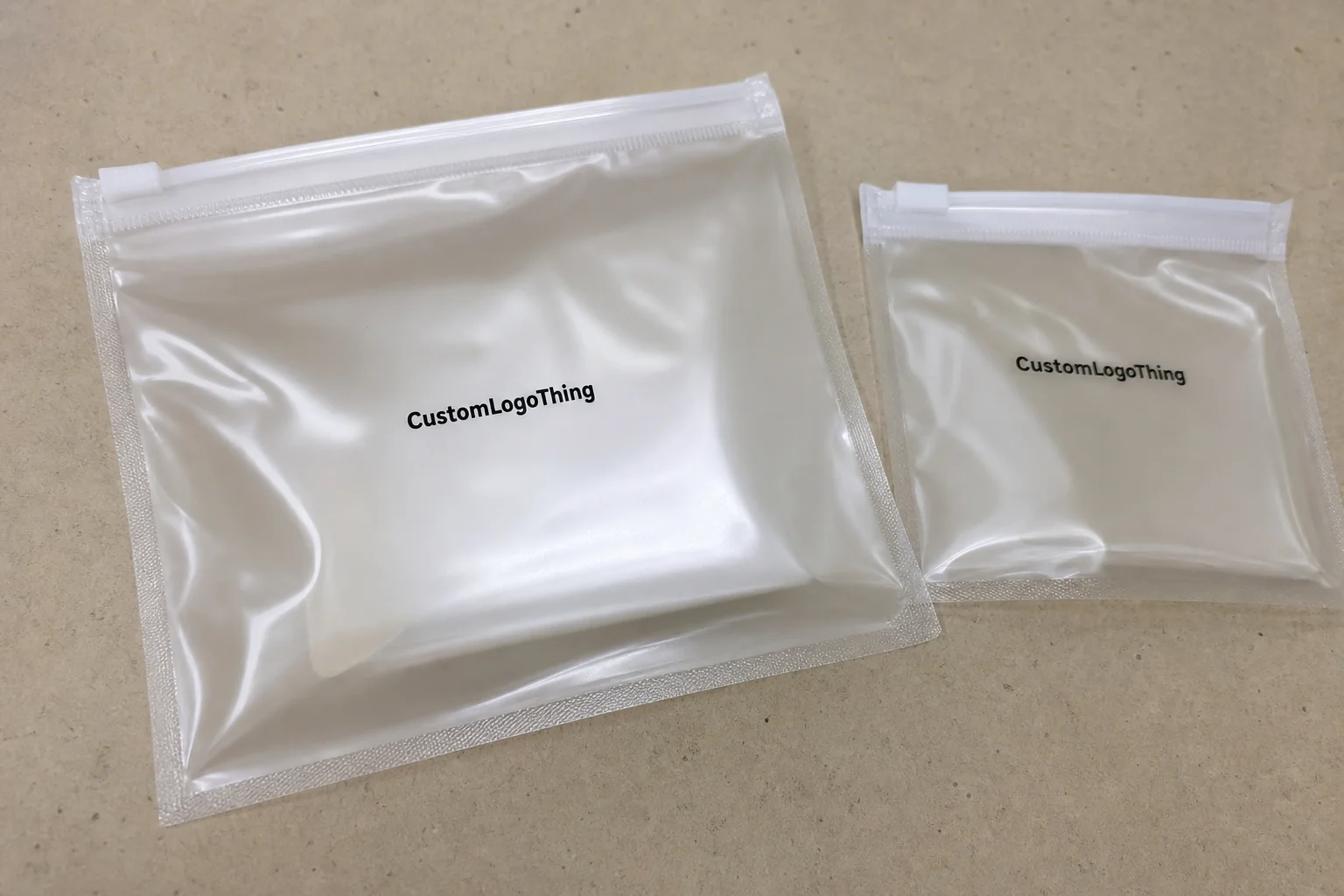
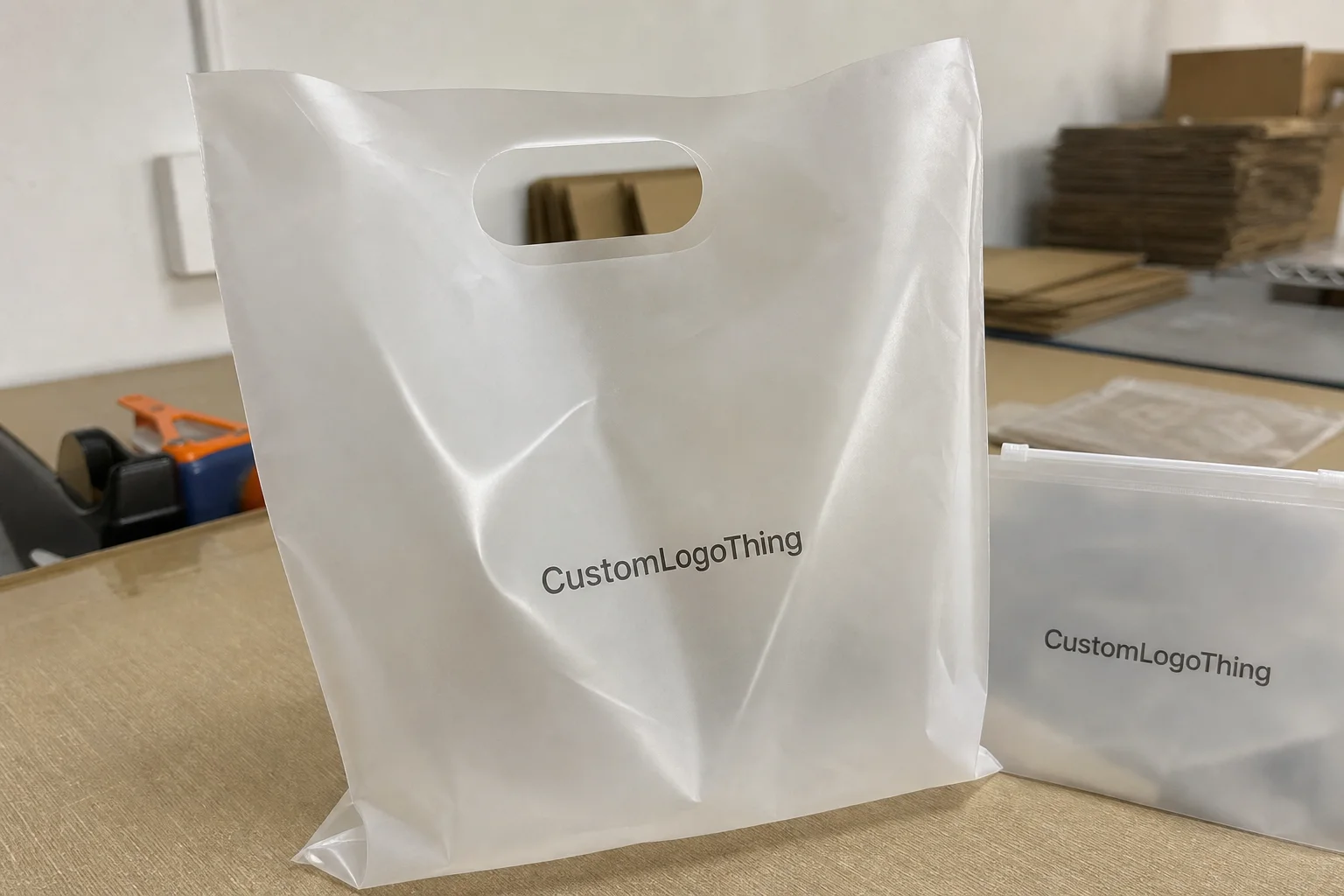
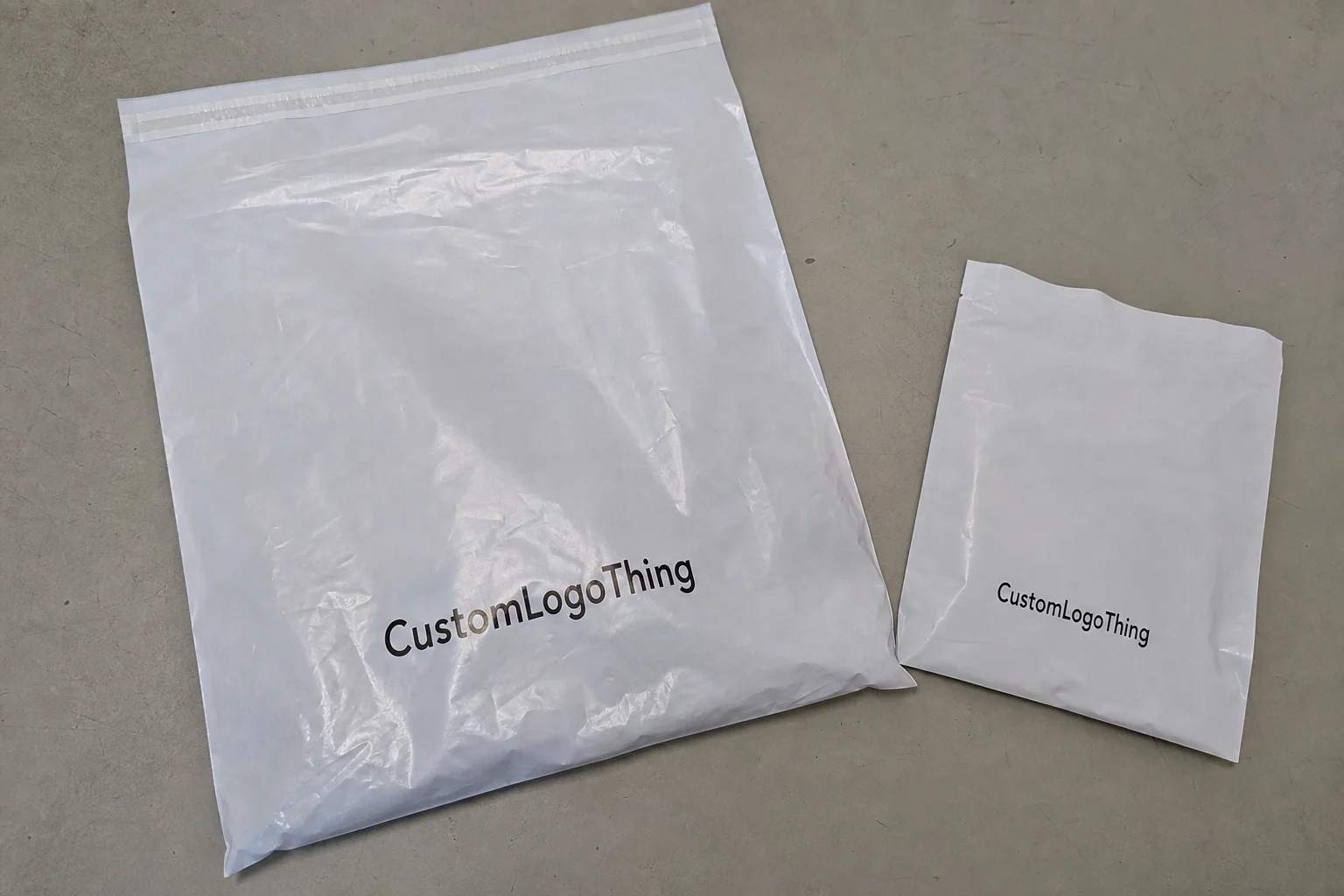
Tote Bag Bulk Custom Orders: Pricing, Specs, Lead Times
Buying Tote Bag Bulk custom orders is less about finding the lowest quote and more about choosing a bag that will actually survive the job. A tote that tears before the customer leaves the store, sags under a normal load, or prints poorly is not a bargain. It creates replacement costs, waste, and a weak brand impression all at once.
That is why tote bags keep showing up in retail packaging, trade show kits, employee onboarding packs, community events, and subscription add-ons. They are useful, visible, and easy to keep in circulation. A well-built tote gives repeated impressions without asking the customer to do anything extra. That practical value is what makes the format worth specifying carefully instead of treating it like a generic promo item.
The buying decision also looks different from the outside than it does in production. On a price sheet, one tote may seem close to another. In practice, a small shift in material, handle construction, or print coverage can change the whole outcome. The useful question is not whether the tote is cheap. The useful question is whether it fits the load, the artwork, the timing, and the way the bag will be handled after delivery.
Why Bulk Totes Beat Single-Use Inserts in Real Orders
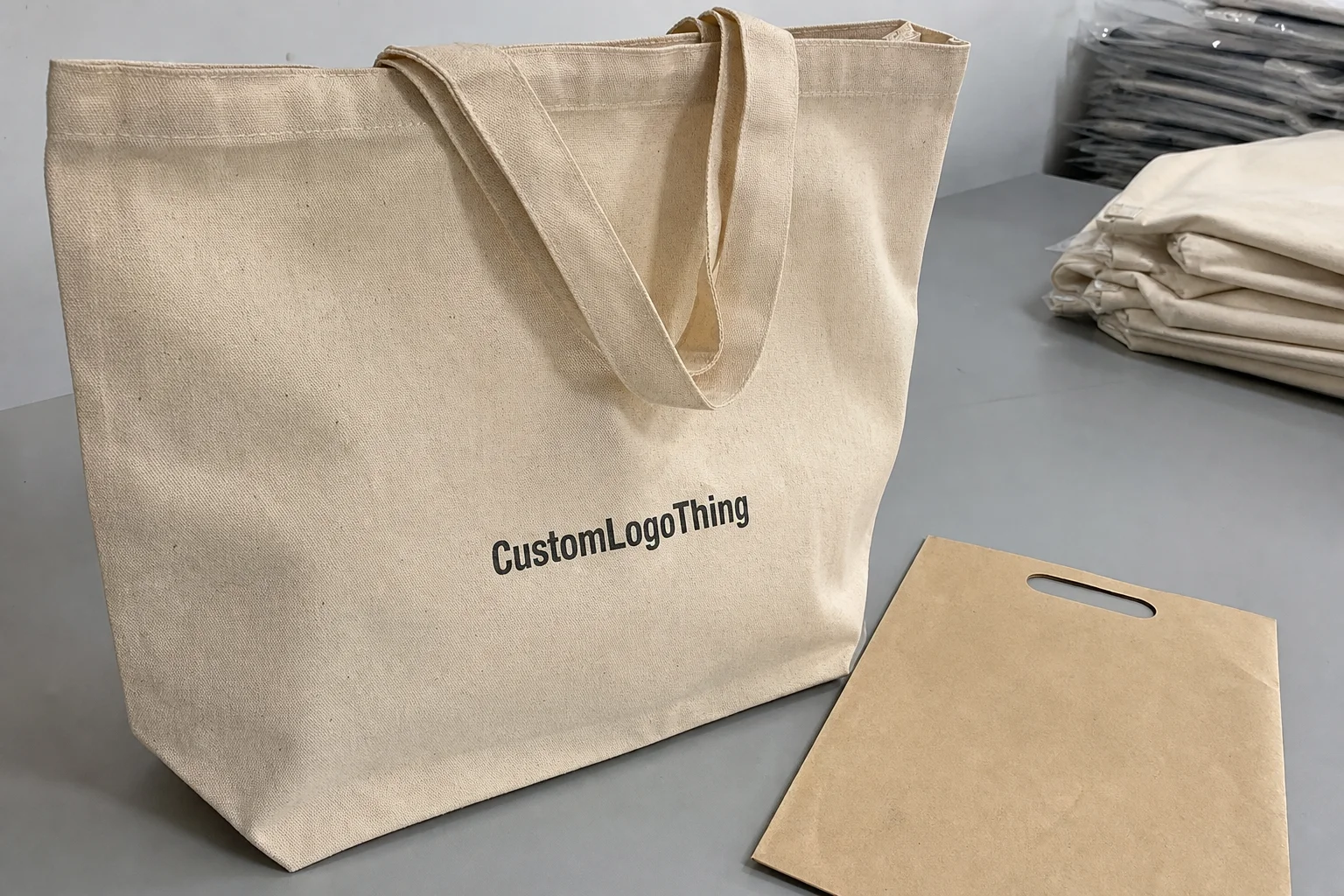
The best tote is the one that gets used again. That sounds simple, but it is the main reason buyers keep returning to tote programs for branded packaging. A useful bag carries more, feels more substantial, and extends brand visibility long after the first handoff. It is a carrier and a repeat exposure surface at the same time.
Single-use inserts can look polished in a mockup, but they rarely carry the same practical value. Totes tend to win when the kit includes multiple items, heavier merchandise, or anything that would otherwise need a second bag at checkout. That matters in retail packaging and event use, where the bag is part of the customer experience, not just a container.
The tradeoff is straightforward. A stronger tote usually costs more up front, but that cost can be lower than the price of returns, broken items, customer complaints, or a second bag that has to be handed out because the first one failed. In bulk ordering, those extra touches add up fast. A tote that survives the trip home is usually the better investment.
Different programs need different tote behavior:
- Retail purchases: the bag should fit the actual merchandise and hold shape well enough to feel intentional.
- Trade shows: it needs room for catalogs, samples, water bottles, and handouts without stressing the seams.
- Employee onboarding: the finish should feel polished enough to support package branding.
- Charity and community events: simple print and volume pricing often matter more than premium finishing.
- Subscription programs: a flatter profile and lighter weight may matter more than deep capacity.
Buyers sometimes focus too hard on the line item and forget the operational cost. If a tote tears, arrives crushed, or needs to be replaced, the freight, handling, and rework can erase the savings. That is especially true for tote bag bulk custom orders where the bag is expected to represent the brand as much as carry the product.
A low unit price does not help if the bag is too thin for the load, too small for the product, or too weak at the handles to make it through a normal use cycle.
There is also a waste reduction angle that is hard to ignore. Reusable bags reduce disposable packaging volume, which fits the direction many packaging teams already follow. The EPA has general guidance on source reduction and waste prevention, and those ideas are worth keeping in mind when you choose a carrier instead of treating it as a decorative add-on. See the EPA's guidance on reducing waste.
Materials, Sizes, and Print Methods That Hold Up
Material choice drives most of the tote's real-world behavior. Non-woven polypropylene is common because it is inexpensive, light, and easy to print. Woven polypropylene is stronger and handles heavier loads better. Laminated finishes improve appearance and help the print hold up to handling. Recyclable PE options can work for simpler retail and grocery-style uses where moisture resistance matters more than a soft handfeel.
There is no universal best material. There is only the right material for the use case. A light handout bag should not be built like a grocery carrier. A tote intended for boxed items should not rely on a shallow gusset and a weak handle drop. That is where many first-time buyers run into problems: the bag looks fine in a render, then fails when filled with actual product.
Dimensions matter in practical terms. Width, gusset depth, and handle drop determine whether the bag carries well and whether the product sits naturally inside it. A narrow gusset may work for folded apparel, but it can be a bad fit for boxed sets, catalogs, or bulky samples. Handle style matters too. Die-cut handles look clean and low-profile, but they can be less comfortable under weight. Sewn web handles usually carry better and distribute the load more evenly. For display or heavier packaging, a reinforced bottom or rigid insert can keep the bag upright instead of collapsing into a soft heap.
Thickness or gsm should be tied to load weight, not to a vague sense that thicker always means better. A lighter non-woven build can be enough for a handout kit, while a heavier retail or grocery-style tote needs more substance and stronger seams. If the bag will be reused often, ask about reinforced stitching, bar tacks at the handle points, and bottom support. Those details are easy to overlook in a quote and hard to fix after production starts.
Print method should follow the artwork, not the other way around. Screen print is usually the cleanest choice for simple logos, one or two colors, and strong contrast. Flexo and gravure make more sense at higher volumes where setup cost can be spread across the run. Laminated surfaces can improve color intensity and abrasion resistance, which helps when the tote will be handled often.
Fine type and thin lines deserve extra scrutiny. A logo that looks sharp on a monitor can lose clarity once it is scaled onto fabric or film. Ask how the artwork will appear at the actual print size, not the enlarged version sitting in a mockup file. Good tote programs fail less often because they start with artwork that matches the material.
For comparison, the table below gives a realistic starting point rather than a promise. Actual price moves with quantity, print count, and finish.
| Option | Typical Use | Strength | Approx. Unit Cost | Notes |
|---|---|---|---|---|
| Non-woven polypropylene | Events, retail handouts, onboarding kits | Light to medium carry | $0.35-$1.10 | Good value, easy to print, common MOQ |
| Woven polypropylene | Heavier loads, repeated use | High carry durability | $0.70-$1.80 | Better for weight, usually more structure |
| Laminated tote | Premium retail packaging, gift programs | Good surface wear resistance | $0.90-$2.20 | Stronger visual impact, better print clarity |
| Recyclable PE tote | Moisture-prone retail and grocery use | Moderate to high | $0.25-$0.85 | Useful for simple builds, check local recycling rules |
For programs where sourcing documentation matters, buyers usually want the same discipline they expect from the rest of their packaging. That means clear specs, legible artwork files, and a supplier who can explain the construction choices without hand-waving. If the tote is part of a broader packaging system, shipping performance matters too. Testing frameworks such as ISTA help set expectations for transit, handling, and pack-out durability.
What to Specify Before You Request a Sample
Quotes get messy when the brief is incomplete. If you want accurate tote bag Bulk Custom Pricing, start with the finished bag size, material type, thickness or gsm, handle length, handle style, color, print locations, artwork count, and target quantity. If any of those pieces are vague, the supplier has to guess. That usually leads to a padded quote or a low quote based on assumptions that do not match your real need.
Artwork needs the same level of control. Vector files are preferred because they hold shape at scale. If brand color matters, include PMS references. If the logo needs to stay readable on a small panel, say so clearly. If the art wraps around the bag, mark the placement and safe area. Those small decisions matter because tote printing does not forgive sloppy file prep.
Use case changes the spec more than buyers expect. A bag meant for apparel samples does not need the same build as one intended for boxed merchandise or heavy catalogs. Tell the supplier the likely load weight, whether the bag will be used indoors or outdoors, whether moisture is a concern, and whether it has to stand upright on a counter or shelf. Those details affect seam construction, bottom support, and material gauge.
Sampling should catch problems before the run becomes expensive. A blank material sample can show stiffness, sheen, and feel. A printed proof or pre-production sample can confirm color, placement, and seam behavior under actual use. Skipping that step is a common reason a batch misses the mark. Once thousands of units are underway, small mistakes become costly to correct.
- Non-negotiables: size, material, thickness, handle spec, color, quantity.
- Artwork files: vector preferred, PMS references if brand color matters.
- Use case: load weight, indoor or outdoor use, display needs, moisture exposure.
- Sample path: blank sample first, then printed proof or pre-production sample.
If the tote is part of a broader packaging program, it helps to compare the bag spec against other Custom Packaging Products rather than treating each component in isolation. For recurring orders or larger procurement cycles, your Wholesale Programs process should include the sample standard and approval steps from the start, not after the artwork is already locked.
Pricing, MOQ, and Unit Cost Drivers
Most tote pricing comes down to the same few inputs: size, material gauge, print colors, print coverage, handle construction, finishing, and packaging requirements. More colors mean more setup. Larger bags use more material. Reinforced seams, structured bottoms, and custom handles add labor. Laminated finishes improve appearance and durability, but they raise the price. There is nothing hidden there; the math is just easy to underestimate when the bag looks simple.
MOQ depends on how custom the build is. Standard shapes usually allow lower minimums because the setup is easier to absorb. Custom dimensions, specialty finishes, and complex print layouts push minimums higher. If a quote sounds unrealistically low for a tiny quantity, ask what was left out. Setup, waste, and sampling still have to be paid for somewhere.
The landed cost can move quickly once you add freight, duties, tooling, plates, samples, and rush charges. That is where many buyers get surprised. A tote can look cheap until the shipment is packed, labeled, and shipped across a long distance. Bulky items also eat freight space fast, so transport is not a small detail.
There are a few reliable ways to bring the price down without wrecking the bag:
- Simplify the artwork and reduce the number of print colors.
- Use one print side instead of two if the design still reads well.
- Choose a standard size that already fits the product mix.
- Specify enough material for the load, but do not overbuild the tote.
- Finalise artwork before quoting and combine shipments where possible.
For planning purposes, a basic non-woven tote with a one-color print can land around $0.35 to $0.65 per unit at higher quantities. Larger laminated or woven options often move closer to $1.00 to $2.20, depending on volume and finish. Small orders will cost more per unit. Custom handles, oversized dimensions, and extra print coverage can move the price again. That is normal manufacturing behavior, not a pricing error.
Watch for quote lines that exclude shipment packing, carton labeling, or retail-ready packaging. If the totes need to arrive ready for a store, event, or fulfillment line, that requirement belongs in the quote. Otherwise, the order can look inexpensive until the rework starts.
Order Process, Production Steps, and Lead Time
A clean order process is usually the least dramatic one. It starts with a spec review, then pricing, artwork proofing, sample approval, deposit, production, quality control, packing, and shipping. Skipping a step rarely saves time. It usually creates a problem later, after the order has already moved past the point where easy corrections are possible.
Lead time should always be split into factory time and shipping time. Standard stock-style totes move faster than fully custom builds because there is less setup and less sampling. A straightforward order might take 12 to 20 business days from proof approval to finish production, while larger runs or more complex builds take longer. Shipping is separate. Ocean freight, customs, and domestic delivery should be quoted separately so the timing is visible.
The delays are usually predictable:
- Late artwork files that need cleanup.
- Color changes after the proof has already been reviewed.
- Missing shipping addresses or delivery instructions.
- Too many internal approvals arriving too late in the process.
- Sample revisions that should have been handled earlier.
A good supplier keeps the tolerances visible, confirms print placement, and flags problems before cartons leave production. That is basic project control. It matters more than a tiny discount if the tote is tied to retail packaging, a seasonal promotion, or any program that needs the same result every time. Consistency is the real value in repeat orders.
How to Judge a Supplier Before You Commit
Compare suppliers with the same checklist. Exact spec. Sample policy. Quality control process. Shipping terms. Defect replacement terms. If one quote is cheaper but the spec is vague, you are not comparing the same product. You are comparing one defined order with one undefined promise.
Recent sample photos can help, but they are not enough on their own. Ask how the supplier checks print alignment, seam strength, and finished dimensions during production. If they can describe their control points in plain language, that is a good sign. If every answer sounds broad or evasive, treat that as a warning. A serious supplier can explain the work without dressing it up.
There are a few red flags worth stopping for:
- Vague specs with no written confirmation.
- No proof stage before production.
- Turnaround claims that do not match the build complexity.
- Quotes that sit far below market with no explanation.
- Refusal to clarify tolerances, carton counts, or shipping terms.
For retail packaging programs and recurring promotional orders, the main question is not whether the supplier can make one good sample. The real question is whether they can make the same tote again and again without drift in color, placement, or construction. That consistency is what protects the brand and keeps the reorder process calm.
If sustainability claims are part of the decision, ask for specifics. Paper-based components may call for FSC documentation. Recyclability should be described in concrete terms, not as a vague label. If the tote has to survive transit, ask whether the supplier references ISTA-style expectations or another recognized handling standard. Good suppliers answer those questions directly because they know they are normal procurement questions.
Best Next Steps to Place a Clean Bulk Order
Start with a one-page brief. Put the quantity, dimensions, material, print colors, delivery location, and in-hand date in one place. That sounds basic because it is basic, and it is still the fastest way to avoid delays. If the tote has to work with a specific retail packaging system, mention that. If it must fit inside a larger kit, say so before the quote goes out.
Request two versions if you can: one at the exact spec and one at a simpler alternative. That comparison shows which choices actually move the price. A heavier material, a larger handle drop, or a second print side might be worth it. Or not. The point is to see the tradeoff before production starts, not after.
Do not approve a screen mockup alone if the bag has a functional job. Check the physical sample against the real use case. Does it carry the load without pulling at the seams? Does the logo read clearly from a normal viewing distance? Does the bag stand on its own if it needs to sit on a counter or display shelf? A pretty mockup can still be the wrong bag.
For buyers ordering tote bag bulk custom units as part of branded packaging, the strongest result usually comes from clear specs, sensible artwork, a sample that matches the actual use, and a supplier that answers questions directly. If those pieces are in place, the order can move cleanly. If they are not, the brief needs another pass before any production commitment.
What is the usual MOQ for tote bag bulk custom orders?
MOQ depends on material, size, and print method. Simpler stock-style builds usually start lower than fully custom dimensions or specialty finishes. Higher volume often lowers unit cost, but the real breakpoint depends on setup, packaging requirements, and whether the run needs custom tooling. Ask for MOQ and price together so you can see the real threshold, not a number that hides the setup cost.
How can I lower the unit cost on a tote bag bulk custom run?
Use a standard size, fewer print colors, and one print side if the design still reads well. Choose a material and thickness that fit the load instead of overbuilding the bag. Finalize artwork before quoting, and combine shipments where possible. Changes after proofing are where costs tend to climb.
Which material works best for heavy-use custom tote bags?
For heavier loads, woven polypropylene or reinforced laminated options usually perform better than lighter non-woven builds. The right choice depends on weight, frequency of use, and whether the bag needs to look premium or simply survive repeated carrying. If the tote will hold sharp edges or bulky items, seam strength and handle construction matter as much as the base material.
How long does a tote bag bulk custom order usually take?
Production time depends on the build, artwork approval, and whether samples are required before the full run starts. Shipping time is separate from factory lead time, so a quote should always show both clearly. The fastest orders are the ones with final artwork, confirmed specs, and a clean approval chain from the start.
What artwork files do I need for custom tote bag bulk printing?
Send vector artwork when possible so logos stay sharp at size. Include PMS colors if brand color accuracy matters, plus clear notes for placement and print count. If you only have a rough file, ask for a cleanup check before approving production so the print does not come out cropped, blurry, or shifted.