A toy pom pom beanies Digital Proof Checklist gives buyers a disciplined pause before approving the document production will actually follow. Most proof problems are not dramatic design failures. They are small, practical misses: a logo sitting 3/8 inch too low, a pom color that looks charming on a backlit screen but muddy in yarn, a care label squeezed into the wrong seam, or a warning statement left off until cartons are already packed.
Those quiet mistakes cost money. They also create the kind of friction that never appears in the initial quote: rework, rushed air freight, retail rejection, repacking labor, or awkward conversations about who approved what.
A digital proof is not a mood board. It is a production map. It should confirm artwork placement, decoration method, knit or trim details, label location, approximate colors, sizing notes, and packaging requirements where relevant. If the buyer still has to guess about color, dimensions, labels, or carton presentation, the proof is not ready for approval.
A good proof narrows uncertainty. A weak proof simply turns assumptions into inventory.
Toy Pom Pom Beanies Digital Proof Checklist Basics
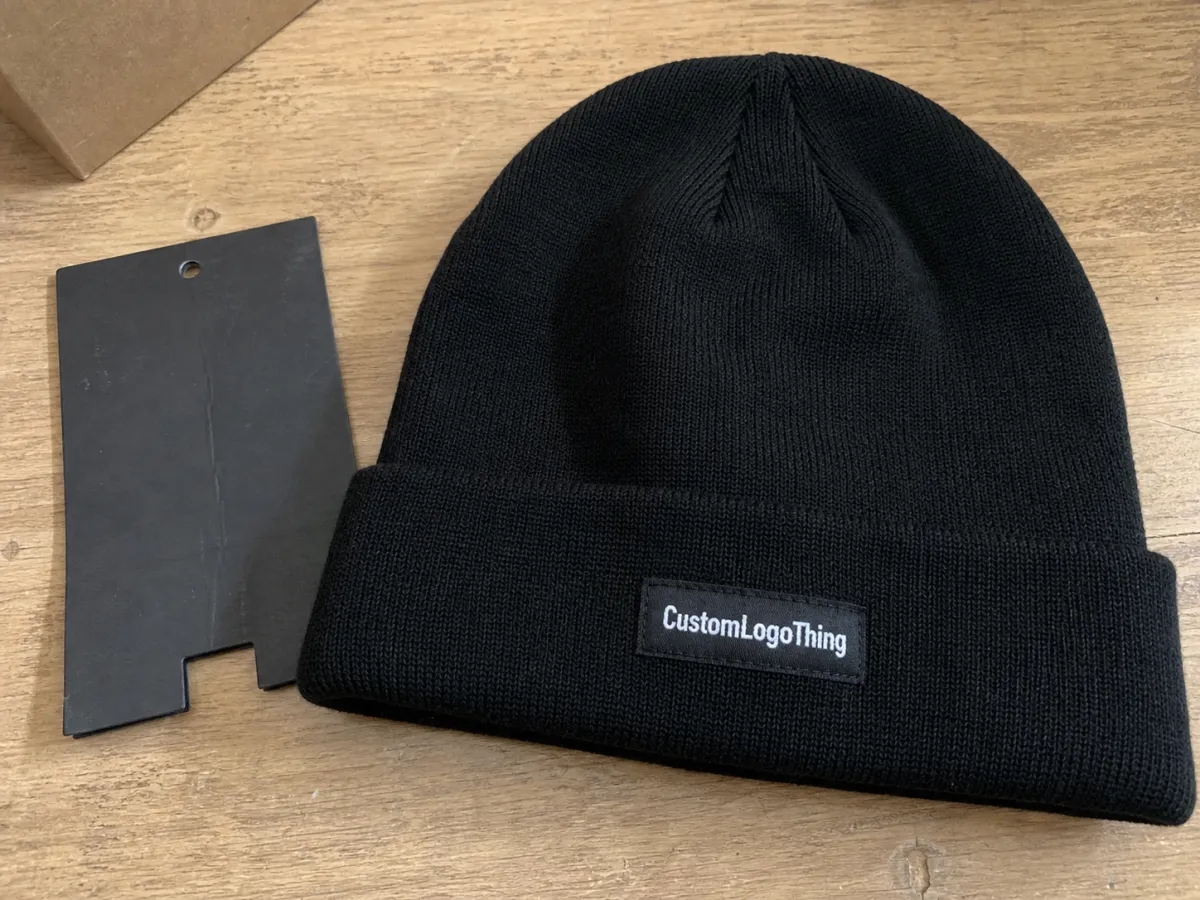
The phrase toy pom pom Beanies Digital Proof checklist sounds more technical than it needs to be. The goal is plain: catch the errors while they are still cheap pixels instead of finished goods.
Toy Pom Pom Beanies are not just smaller versions of adult winter hats. The proportions are different, the decoration space is tighter, and the trim deserves closer review. A pom may look harmless, but it is still an added component. Depending on age grading, market, and how the product is sold, trim attachment, loose fibers, label language, and small-part concerns can matter as much as the logo.
The digital proof is the manufacturer’s visual confirmation of the intended custom beanie before production. It is not a product photo. It is not a guarantee that yarn color will match your monitor. It usually shows the layout, construction notes, decoration placement, and approved specifications so the buyer and supplier are looking at the same plan.
Treat it like a contract preview. If the proof says the cuff is 2.5 inches and the patch is centered on the front panel, that is the instruction the production team is likely to follow. If the proof omits the care label or shows the wrong pom color, the omission can travel straight into the finished order unless someone stops it.
For child-facing or toy-adjacent products, the review should go beyond appearance. Check yarn softness expectations, pom attachment, label placement, packaging format, retail tag copy, country-of-origin language, fiber content, and any warning statements required for the sales channel. Some buyers also need carton labels, barcode placement, or hang tag materials shown on the proof. Ask early. Suppliers do not automatically know which retailer, marketplace, or compliance process will receive the goods.
The proof is the buyer’s last clean chance to correct the drawing before bulk production follows it. That is why a checklist belongs even on a modest order. Small runs can still miss an event date. Small runs can still arrive with the wrong label.
How the Digital Proof Process Works Before Production
The normal sequence is simple on paper. The buyer sends logo files, target size, yarn colors, pom style, label needs, packaging requirements, delivery timing, and order quantity. The supplier turns that brief into a production-ready proof. A complete brief usually produces a close first proof. A vague brief produces a guessing game with too many emails.
The first proof commonly includes a front view. For toy pom pom beanies, a side or back view is often worth requesting because seam placement, pom position, label orientation, and cuff wrap can change how the piece reads in real use. The proof should identify logo size, placement, decoration method, cuff height, body yarn color, pom color, and any branding or packaging notes.
Dimensions matter. A note that says “small” or “toy size” does not carry enough information for production. The proof should state finished measurements in inches or centimeters, especially if the beanie is meant for a plush toy, doll, bottle topper, child-size giveaway, holiday kit, or retail gift set. “Fits most” is a sales phrase, not a specification.
Not every detail appears automatically. Unless requested, a proof may not show exact stitch count, close-up label copy, barcode size, carton marks, thread direction, pom attachment method, or the limits of yarn-to-Pantone matching. That is not always a supplier failure. Many proof templates are built to confirm layout, not every compliance or packaging detail. The buyer has to ask for the missing pieces before signing off.
Revision rounds are normal. One or two rounds are common when the artwork and specs are complete. Five rounds usually indicate a weak brief, a moving target, or too many decision-makers commenting separately. Committees are where cute beanies go to die.
Once the buyer approves the proof, production normally follows that version. If the logo is misspelled, the pom is wrong, or the cuff height is off, the approval becomes the uncomfortable receipt. Final sign-off should be in writing, with the proof version number, date, approved quantity, and any final notes attached to the purchase order or email thread.
Specs to Check: Logo, Pom, Fit, Tags, and Safety Details
Bad artwork makes bad proofs, so start with the logo file. Vector formats such as AI, EPS, or SVG are best because they preserve clean edges and predictable scaling. A PDF or PNG preview is useful too, especially if the vector file contains outlined type, special spacing, or a mark that can be interpreted more than one way.
Tiny text is the enemy. On a small cuff, fine lettering that looks acceptable at 400% on a monitor can collapse into thread noise or woven blur. If the mark has hairline strokes, micro type, gradients, or dense detail, expect adjustments. A buyer may need to simplify the logo, enlarge the patch, change the decoration method, or accept that the finished beanie will not reproduce every detail from the brand guide.
Decoration method should match the artwork. Embroidery works well for simple marks and bold shapes. Woven patches handle more detail and smaller lettering. Leatherette and rubber patches can create a more retail-ready finish, but they add material and setup considerations. Knit-in logos can look charming, though they usually need larger artwork and simpler geometry. On a small toy beanie, a crowded logo often looks cleaner on a patch than in dense embroidery.
Review the visible construction details one by one:
- Logo width, height, placement, and spelling
- Decoration method, thread colors, patch material, or woven label style
- Pom diameter, pom color, fiber look, and attachment location
- Body yarn color, stripe sequence, rib pattern, and contrast trim
- Cuff height, fold position, front alignment, and seam placement
- Brand label, care label, hang tag, barcode, and packaging position
Fit deserves more attention than it usually gets. Toy pom pom beanies may be made for plush toys, dolls, kids, holiday ornaments, promotional bundles, retail displays, or gift sets. Each use case has a different tolerance. A beanie for a plush animal may need stretch and shallow depth. A beanie for a child-facing accessory may need clearer sizing, safer trim, and better label planning. A beanie packed in a retail box may need to sit flat without crushing the pom.
Ask for finished dimensions, not just sample language. Useful specs include flat width, height from cuff edge to crown, cuff height, pom diameter, and any stretch expectation if the beanie must fit around a toy head. If the product is designed for a specific plush or doll size, provide that object’s head circumference or a physical sample for reference. A quarter inch can matter when the entire item is small.
Tags and labels are another common failure point. Confirm brand label placement, care instructions, fiber content, country of origin, age grading, warning language, and retail barcode if needed. Ask whether tags are sewn in, looped with string, stickered on packaging, inserted loose, or applied to a hang card. That detail affects cost, presentation, packing speed, and sometimes compliance review.
For market-specific requirements, buyers should verify the standards tied to their channel and region rather than relying on a generic proof. If the order is going into retail distribution, packaging and transport requirements may matter; ISTA is a useful reference for shipping and distribution testing. If paper tags, sleeves, or cartons are marketed as certified, FSC claims need documentation, not just a leaf icon on the tag.
Safety review is not decoration review. The proof can show warning copy and component placement, but it does not replace testing, legal review, or channel-specific compliance approval. That caveat matters. A neat proof with missing or unverified safety language is still a risk.
Cost, MOQ, and Quote Details Hidden in the Proof
The digital proof is a design document, but it also confirms choices that affect cost. Beanie size, yarn type, number of yarn colors, pom construction, embroidery stitch count, patch material, woven labels, hang tags, poly bags, retail boxes, barcode labels, carton marks, and packing method can all move the price. Production math is not sentimental.
If the proof changes, the quote may change too. A buyer who approves a larger patch, adds a hang tag, changes from one yarn color to three, and then expects the original unit cost is inviting a dispute. The clean approach is simple: whenever the approved proof differs from the quoted spec, ask for the quote to be reconfirmed.
| Approval Path | Typical Cost Impact | Typical Turnaround | Best For | Limits |
|---|---|---|---|---|
| Digital proof only | Often included or $0-$25 | 1-3 business days | Simple artwork, repeat orders, tight budgets | Does not show real yarn handfeel, stretch, pom texture, or exact color behavior |
| Physical sample | $40-$120 plus shipping | 7-14 days | First-time orders, color-sensitive designs, new trims | May still differ from bulk if yarn lots, trims, or process settings change |
| Pre-production sample | $60-$150 plus shipping | 10-18 days | Retail launches, larger runs, compliance-heavy projects | Adds cost and time, but gives a stronger bulk reference |
These ranges are typical for many custom soft-goods projects, not universal pricing. Highly detailed decoration, imported trims, expedited schedules, unusual packaging, or low quantities can push costs above those bands. Repeat programs with approved materials may land lower.
MOQ tradeoffs are real. Lower minimums help test a design, support a seasonal event, or reduce inventory risk, but the unit cost usually rises because setup labor is spread across fewer pieces. Larger runs can reduce unit cost, though they increase exposure if the proof is wrong or demand is uncertain. Chasing the lowest headline price without checking what is included is like comparing apples to a box of paint samples.
Ask the supplier to confirm what the quote covers after proof approval. The list should include production quantity, acceptable overrun or underrun, sample cost, setup fees, packaging format, carton packing, shipping method, duties or taxes if applicable, proof revision limits, and payment terms. Missing line items are not harmless. They are future surprises wearing clean formatting.
The proof should also match the quote language. If the quote says embroidered logo but the proof shows a woven patch, stop. If the quote includes individual poly bags but the proof shows retail hang tags only, stop. If the quote references one pom color and the proof shows a marled or multi-color pom, stop again. The approved proof and the approved quote have to describe the same product.
Timeline and Lead Time From Artwork to Approved Sample
The proof process has a rhythm: artwork review, initial digital proof, revisions, final approval, optional sample, bulk production, quality control, packing, and shipping. The proof sits early in the schedule, but it controls nearly everything that follows.
Initial digital proofs often take a few business days once complete artwork and specifications are in hand. Revisions can add one to several days per round, depending on workload, complexity, and how clearly the buyer marks changes. Physical samples take longer because materials and decoration have to be produced, not just rendered. If the buyer changes the brief midstream, the clock stretches. The factory cannot read minds. If it could, it would charge extra for that too.
Delays usually start with incomplete inputs. Missing vector files, vague color requests, undecided label copy, unclear packaging expectations, and late barcode information can stall the proof. Internal buyer-side delays are just as common. Marketing wants a larger logo. Compliance wants different copy. Sales wants a lower unit cost. Someone wants the pom fluffier but cannot define “fluffier.” Pick one decision owner before the proof arrives.
Lead time is not shipping time. Production lead time usually starts after proof approval, deposit or payment confirmation, and material availability. Shipping time depends on destination, method, customs, consolidation, weather, port conditions, and seasonality. Holiday programs and retail launch dates need more buffer than a casual reorder.
If the delivery date is fixed, the approval date must be treated like a real deadline. A three-day delay in proof approval can become more than three days later if material booking, sample scheduling, or shipping cutoffs are missed. That is especially true during peak promotional, back-to-school, and holiday windows.
For carton-packed retail goods, ask packaging questions before the proof is approved. Will the beanies ship bulk packed, individually bagged, tagged, boxed, or display-ready? Will poms be compressed in transit? Will hang tags rub against the yarn? Will barcodes remain scannable after packing? A beautiful beanie can still arrive looking tired if packaging is an afterthought.
Common Proof Approval Mistakes That Create Bad Beanies
The first mistake is approving the proof on a phone screen. Small logos, label text, stitch direction, and alignment problems vanish when the file is squeezed between messages and coffee notifications. Open the proof on a full-size screen. If the layout is crowded, print it.
Color is the next trap. Digital proofs show approximate color, and screens vary wildly. Yarn also behaves differently from ink, plastic, or coated paper. A blue that looks clean on a monitor can become smoky, dusty, or oddly electric once knitted. If color matters, ask for yarn references, Pantone targets where possible, or physical swatches. Be prepared for “closest available yarn” language; that is common, and it deserves review before approval.
Scale gets ignored far too often. A logo that looks balanced on a flat mockup can dominate a small cuff. A pom that looks playful in a rendering can overwhelm the beanie in real dimensions. Check actual measurements in inches or centimeters. If needed, print the proof to scale and compare it to the intended finished size.
Side and back views matter. Pom placement, seam position, cuff wrap, and label orientation can all look wrong if the review focuses only on the front view. This is where tag mistakes hide too: misspelled brand names, wrong trademark symbols, outdated care instructions, incorrect country of origin, missing age warnings, and barcode mismatches. None of these are creative differences. They are preventable errors.
Another common mistake is treating the proof as a suggestion while treating the sample as the real approval. If the proof and sample disagree, clarify which one controls production. If the sample has a change that is not reflected in the revised proof, get the proof updated. Production teams rely on documented specs, not memory.
Version control matters more than people admit. Do not approve a proof buried in a long thread without confirming the final file name, version number, and date. Old proofs have a nasty habit of returning when nobody labels anything clearly.
Approval should feel boring. If the proof sparks confusion, it is not ready yet.
Next Steps Before You Approve and Place the Order
Before approval, run one last slow pass. Download the proof. Open it on a large screen. Compare it against the quote. Check every measurement. Read every line of label copy. Confirm packaging. Then send one consolidated revision list instead of six scattered messages over two days.
A simple approval table helps because it forces the buyer to separate approved specs from open questions. Use columns for item, approved spec, open question, and owner. Add rows for beanie size, cuff height, logo dimensions, decoration method, pom color, yarn color, labels, warning copy, packaging, carton marks, delivery date, and final approver.
Ask direct questions. If the proof does not show the back view, request it. If the pom attachment method is missing, ask. If the label copy is tiny, ask for a close-up. If the quote does not mention packaging, confirm it. Assumptions are where budgets go to get mugged.
A physical sample makes sense for a first-time supplier, new product launch, color-critical brand, retail program, child-facing product, unusual pom design, or any order large enough that a mistake would sting. Sampling adds cost and time, but it can reveal issues a proof cannot: handfeel, stretch, pom density, embroidery stiffness, tag placement, and how the beanie packs in a box or bag.
Final approval should include the approved proof version, final quantity, confirmed quote, payment terms, production lead time, shipping method, delivery address, packaging format, and the person authorized to approve changes after production starts. That last point matters. Once materials are ordered or decoration begins, “just one more tweak” can get expensive quickly.
Use the toy Pom Pom Beanies Digital Proof checklist as the final practical pause before production. Fixing a file is cheap. Fixing thousands of finished beanies is not.
What should be included in a toy pom pom beanie digital proof?
It should show logo placement, logo size, decoration method, beanie dimensions, cuff height, yarn colors, pom color and size, label placement, packaging notes, and any safety or care label requirements. For child-facing products, also check age grading, warning language, fiber content, country of origin, and whether the pom or trim could be treated as a small part.
Is a digital proof the same as a physical sample for custom pom pom beanies?
No. A digital proof is a visual production layout, while a physical sample shows real yarn, stitching, pom texture, label quality, stretch, and fit. Use a physical sample for color-sensitive, retail, first-time, or higher-volume orders where a mistake would cost more than the sample.
How many proof revisions are normal before approving toy beanies?
One to two revision rounds are normal when the buyer provides complete artwork, sizing, label copy, packaging needs, and color direction upfront. More revisions usually mean the brief is unclear, decision-makers are not aligned, or the buyer is changing the product instead of correcting the proof.
Can the digital proof change the cost of custom toy pom pom beanies?
Yes. Changes to embroidery size, patch type, yarn colors, pom style, custom labels, packaging, or quantity can change the unit cost and sometimes the MOQ. Ask for the quote to be reconfirmed after final proof approval so the approved design and approved price match.
How do I use a toy pom pom beanies proof checklist before approval?
Review the proof on a large screen, compare it to the quote, verify all measurements, check logo spelling and scale, confirm colors, read every label line, and ask for missing views or close-ups. Send one organized revision list with the proof version number, then approve only after the supplier confirms the updated file and final production specs.


