Toy woven label Beanies Unit Cost Review is usually less about a single price and more about how the decoration, blank, and packout affect sell-through. A toy buyer can save a few cents on paper and lose dollars later if the branding frays, the label looks cheap, or the shipment arrives too late for the retail window.
That is why this product deserves a tighter buying lens. A woven label can hold up to repeated shelf pulls, handling, and washing far better than many printed options, and it often reads as more premium without creating a big labor jump once the order clears MOQ. For Custom Logo Things, the question is straightforward: does the label justify a modest increase in unit cost if it improves presentation, gift appeal, and reorder confidence?
Why Woven-Label Beanies Win Shelf Space
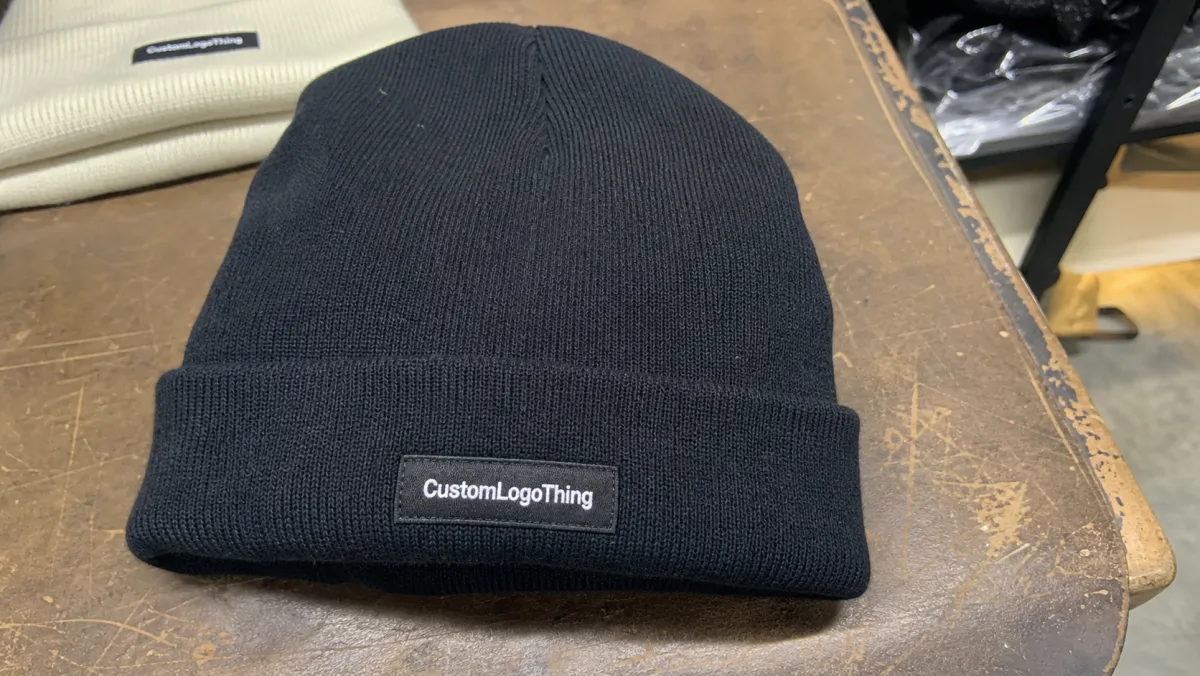
On a busy retail shelf, small details do the heavy lifting. A beanie attached to a toy bundle needs to survive shipping, unpacking, hand sorting, and customer handling without the brand mark peeling at the edge or losing its shape after a light wash. Woven labels tend to hold their lines better than many printed tags, and that matters when the product is meant to look tidy on day one and still look tidy after a few weeks in circulation.
From a buyer's point of view, the appeal is not just durability. A clean woven label can make a low-cost accessory feel more deliberate. That can support toy retail bundles, seasonal giveaways, licensed merchandise, and gift-pack versions where the decoration is part of the perceived value. If the blank beanie is simple, the label becomes the brand signal. If the label looks sharp, the product usually photographs better too.
The pricing logic is also practical. Once a factory has the label spec, attachment method, and artwork approved, the decoration cost tends to stay steady across a stable MOQ tier. In other words, a few extra cents may buy better shelf presence, cleaner branding, and fewer complaints about loose threads. That is a decent trade if the product depends on presentation to move.
If you are comparing decoration options, start with the blank accessory and then move to branding. The Custom Labels & Tags page is a useful starting point for understanding how label format changes the final quote.
Product Details Buyers Should Lock Before Quoting
Pricing a beanie before the spec is fixed is how buyers end up comparing quotes that are not really comparable. The body construction matters first. Is it a tight rib knit or a softer, looser handfeel? Is the cuff folded or open? How much stretch recovery is needed? Where does the woven label sit: side seam, center front, or hidden inside as a care label?
Toy buyers also need to define the use case. A child-size beanie for a plush toy bundle is not the same order as a youth-size cap for a seasonal promo. Holiday runs often tolerate brighter colors and more novelty detail. Licensed merchandise usually needs tighter color control and stricter artwork approval. Gift-pack versions may need a hang tag or barcode sticker as part of the retail package, not as an afterthought.
- Beanie body: child-size, youth-size, novelty, or standard retail size
- Knit style: flat knit, rib knit, or heavier gauge construction
- Decoration: woven label, patch, fold-over care label, or label plus hang tag
- Packout: polybag only, barcode sticker, insert card, or retail-ready bundle
Every one of those choices affects the quote. If the factory must source a specific base blank in a custom color, the lead time can stretch and the minimum can rise. If the buyer wants the label in a precise position, the sewing labor can rise. If the order also needs toy-safety documentation or a buyer-specific carton layout, that adds another layer of coordination. A few details up front can prevent a long back-and-forth later.
Specs That Move the Unit Cost Most
The biggest unit cost swings usually come from material choice, decoration complexity, and packaging. Yarn type is the first lever. A basic acrylic knit is generally easier to price than a softer blend or a heavier handfeel that needs more yarn per piece. Stitch count and gauge matter too: tighter knits use more time and more material, while loose knits may look less refined in retail photos.
Woven-label density is another quiet cost driver. A simple two-color label with a clean border is easier to run than a dense multi-color design with tiny text that forces the loom to work harder. Edge finish matters as well. Folded edges often look cleaner and can feel more premium, but they add handling. Heat-applied decoration may reduce sewing on some builds, yet it is not always the best choice if the buyer wants a true textile feel.
Artwork simplicity lowers risk. Fewer colors. Cleaner shapes. A logo that holds up at small size. That combination usually means fewer sample revisions and less waste during production. Buyers often think the label is the only cost variable, but the artwork can be just as important as the fabric.
Packaging should be part of the spec sheet, not a side note. A retail-ready order may need a polybag, barcode sticker, insert card, carton count, and a toy-safety label if the item is going into a broader toy assortment. If you are building a pack for transit testing, ask whether the cartons should be evaluated against common distribution tests from the International Safe Transit Association. For paper inserts or hang tags, confirm whether FSC-certified stock is required and whether the chain-of-custody claim needs documentation from FSC.
The cheapest quote is not always the lowest landed cost. A cleaner woven label, better packout, and fewer revisions can be worth more than a small price cut that creates delays.
Toy Woven Label Beanies Unit Cost Review
Here is the clean way to read a toy woven label beanies Unit Cost Review: separate the base product from the branding, then separate the one-time charges from the repeatable per-piece cost. The base beanie blank, the woven label, sewing or attachment, standard packaging, and outer carton handling should be visible in the quote. Sample charges, strike-offs, and tooling fees should sit in a different column.
That distinction matters because some suppliers present a low unit price and hide the setup charges in the sample process. Others show a slightly higher unit cost but include more of the work. A buyer comparing only the per-piece number can easily miss the real gap.
| Order Tier | Typical Included Build | Estimated Unit Cost | Notes |
|---|---|---|---|
| 500-999 pcs | Stock blank, 1 woven label, polybag | $0.95-$1.60 | Higher sample burden; small runs often carry visible setup charges |
| 1,000-4,999 pcs | Stock blank, woven label, barcode sticker | $0.62-$1.05 | Better balance of cost per piece and flexibility for artwork edits |
| 5,000-9,999 pcs | Improved blank, woven label, retail polybag, carton mark | $0.48-$0.82 | Common bulk pricing tier; label and packout details drive the final number |
| 10,000+ pcs | Custom blank color, woven label, hang tag, carton optimization | $0.40-$0.72 | Best pricing if the artwork is stable and the schedule is realistic |
Sample and development charges usually sit outside those ranges. A woven-label strike-off can run about $35-$120 depending on artwork complexity and how many revisions the buyer wants. Tooling fees for label setup or special sewing instructions may add another $25-$80. On simple reorder programs, some of those charges can be reduced or waived, but that is not automatic.
A good/better/best comparison helps buyers see what they are actually buying. The lower tier might use a standard blank and minimal packaging. The mid tier may improve label finish and carton consistency. The higher tier often buys a cleaner handfeel, more controlled color matching, and a retail pack that is easier for stores to display. The highest number is not always the smartest choice. The middle number is often where the margin and presentation line up best.
For buyers who want to compare decoration systems, the key question is not just whether the woven label is cheaper than embroidery. It is whether the label creates a better balance of speed, appearance, and repeatability on the final line item. That is the part most purchasing teams care about, even if they do not say it out loud.
Production Steps, Lead Time, and Reorder Windows
A well-run order usually follows a predictable path: brief, artwork proof, woven-label strike-off, sample approval, bulk knitting or blank sourcing, quality check, packing, and shipment. If every step is approved cleanly, production stays controlled. If one step changes late, the timeline expands fast.
What stretches lead time most? Multiple sample rounds. Yarn sourcing delays. Holiday congestion. Revisions after label placement has already been approved. Those are the pressure points. A buyer who changes the label width after proof approval is really asking for a new cycle, even if the order looked ready two days earlier.
Reorders are where the factory relationship pays off. If the approved artwork, label spec, and packaging record already exist, the next run is usually faster and cleaner. That is why keeping a strong spec file matters. It reduces memory loss between shipments and cuts the odds of a small but costly mistake.
Typical first-run lead time often lands around 12-20 business days after sample approval, depending on material availability and order size. Reorders can move faster, sometimes in the 7-12 business day range if the same blank and label are still available. For retail drops, school promotions, or toy launches, build buffer time before the target ship date. Urgency almost always costs more.
If the product will travel through a distribution network with multiple handoffs, the pack needs to survive more than one drop event. That is where standard transit testing expectations from the ISTA framework can help buyers ask better questions before shipment. A good carton spec is cheap insurance.
How to Compare Suppliers Without Paying for Guesswork
The lowest quote is not necessarily the best supplier. The real test is spec clarity. If one vendor omits the label size, attachment method, or packaging type, that quote is already incomplete. It may look cheaper only because the missing items will reappear later as extras.
Ask for line-item pricing. Ask for production photos. Ask for test reports if the toy line needs them. Ask for MOQ terms, defect-handling policy, and whether the quoted unit cost includes standard carton packing. The more exact the comparison, the less room there is for surprise charges.
- Sampling speed: how fast the supplier can produce strike-offs and revisions
- Communication: whether the buyer gets clear answers on color, placement, and packout
- Quality control: how the supplier checks label alignment, stitching, and trim
- Commercial terms: MOQ, setup charges, tooling fees, and payment timing
Responsiveness matters more than many buyers admit. A supplier who answers clearly in the sample stage usually handles production more cleanly too. Slow replies often become slow approvals, and slow approvals become missed retail dates. In that sense, a slightly higher quote can still be the better deal if it reduces mistakes and protects the schedule.
It also helps to compare the supplier's willingness to work from a precise reference file. If you already have a known-good label or a past order that performed well, share it. If you are still defining the brand family, connect the current order to your broader packaging system through Custom Labels & Tags so the same decoration logic carries across products.
Next Steps to Request Samples and Finalize Order
Buyers move faster when the first RFQ is complete. Send the target quantity, beanie size, label art, packaging needs, destination, and required delivery date. If you are not sure about the final tier yet, request two quotes: one at your target MOQ and one at a higher volume level. The gap between those numbers often shows whether the savings are meaningful or marginal.
Before bulk production, approve a physical sample or at least a photo sample with the exact label placement. Then confirm carton counts, shipping method, and ship date in writing. That paperwork is not busywork. It is the simplest way to keep a small order from turning into a scheduling headache.
- Lock the blank beanie spec and size.
- Approve woven label artwork and attachment method.
- Confirm sample cost, setup charges, and tooling fees.
- Check packaging, barcode, and carton requirements.
- Release bulk only after the sample matches the target finish.
If paper inserts or retail tags are part of the order, ask whether the buyer requires FSC documentation for the paper stock. If the finished item will ship through an aggressive distribution chain, confirm the transit test plan before the cartons are sealed. Those two checks can save time later, and they make the commercial side of the order easier to defend internally. For a focused sourcing start, the Custom Labels & Tags resource is the fastest way to align decoration choices with the rest of the pack.
What drives toy woven label beanies pricing the most?
The biggest drivers are yarn grade, label complexity, packaging, and order quantity. More logo colors, denser weaving, and custom packouts usually raise the unit price, while cleaner artwork and higher volume usually reduce the cost per piece.
What MOQ should I expect for woven-label toy beanies?
MOQ depends on the blank beanie, label size, and whether the design is stock or fully custom. Standard blanks often allow lower runs, while custom colors or specialty packaging usually require higher minimums.
Can I get a sample before placing a bulk order?
Yes, buyers should request a sample or strike-off before production starts. A sample confirms fit, color, label placement, and overall handfeel before you commit to volume.
How long does production usually take after approval?
Lead time depends on sample revisions, material availability, and the season. Once artwork and sample approval are done, reorders usually move faster than a first run.
Is a woven label cheaper than embroidery on toy beanies?
In many cases, a woven label is cheaper than full embroidery, especially when the logo has multiple details. The final comparison still depends on stitch count, label size, and how the factory attaches the decoration. For most buyers, the toy Woven Label Beanies unit cost review is really about whether the decoration, packout, and schedule line up with the sales plan.

