Ordering a toy zipper poly Bags Sample Order is not a formality. It is the most efficient way to catch problems that only show up once a product is packed, shipped, and handled by people who are not being careful. A zipper that feels fine in a flat proof may be awkward once the toy is inside. A clear film can look bright on a desk and turn hazy under store lighting. Artwork that looks centered on screen can sit too low when the bag is filled.
That gap between a drawing and a finished package is where packaging budgets quietly bleed. A spec sheet can confirm dimensions and material calls, but it cannot tell you whether the bag actually closes cleanly, whether the film wrinkles around a figure with accessories, or whether the print still reads well after the bag is hung on a display hook. The sample stage answers those questions before a buyer commits to mass production.
For toy packaging, that matters more than many teams expect. Toys are sold in seconds, not paragraphs. If the package looks cheap, cloudy, or unsteady, the product inside starts at a disadvantage. A sample order is the cheapest insurance available in the process.
Why a Sample Order Saves Money Before Full Production
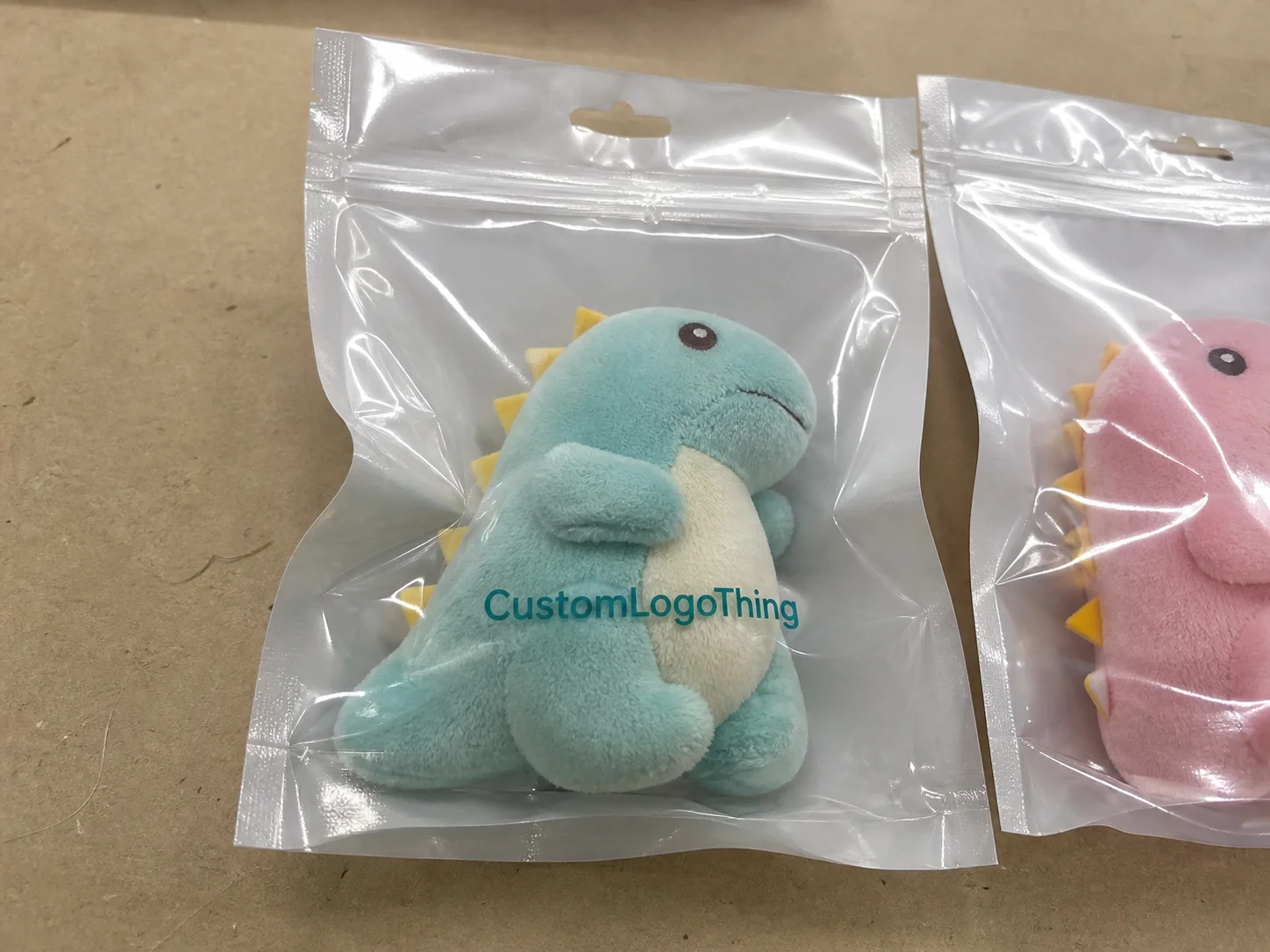
Small packaging mistakes scale fast. If a bag is 10 mm too narrow, the toy may press against the seal area and distort the front panel. If the zipper track is too stiff, customers may struggle to open and reseal it. If the film gauge is too light, corners can split during packing or shipping. None of that is visible in a quote. It appears after production, and by then the fix is expensive.
A toy Zipper Poly Bags sample order acts as a filter for those risks. Buyers can test clarity, seam strength, zipper action, print placement, and fit before production tools are finalized. In practice, that sample often exposes the one issue that would have led to a reprint or a delayed launch. Reworking Custom Retail Packaging usually costs far more than people expect because the damage is not only in the bag price. It is in freight, labor, inventory timing, and the time lost while the product waits.
The hidden cost is product presentation. A weak closure or cloudy film may not break the toy, but it can lower shelf appeal enough to matter. Retail buyers notice packaging condition quickly. So do parents and gift buyers. A package that looks sloppy suggests a product that was not checked carefully, even if the toy itself is fine.
Sample first, scale second. That rule saves more money than any unit-price discount if the packaging has to work in real use.
Sample comparisons also make sourcing more objective. One supplier may quote a lower unit price, but the sample reveals thinner film, weaker seals, or duller clarity. Another may have a slightly higher number but deliver cleaner edges and better zipper feel. A paper quote can hide a lot. A physical sample cannot.
Toy Zipper Poly Bag Construction and Material Options
Most toy Zipper Poly Bags are made from polyethylene film with a reclosable zipper track. Many buyers also want a hang hole or euro slot so the bag can go straight onto a peg display. That sounds simple, but the construction details affect how the package looks, how fast it packs, and how well it survives transit.
The most common film choices are LDPE and LLDPE. LDPE is usually softer and more flexible. LLDPE tends to offer better puncture resistance and a firmer hand feel. For toys with sharp edges, accessory parts, or irregular shapes, that extra puncture resistance can be worth more than a slightly lower price. Some suppliers also offer blended structures or specialty clear films for a crisper look, but buyers should ask for the exact material specification rather than relying on a broad sales description.
Clear visibility is a major reason these bags are used for toys. The item often has to sell through the package, not beside it. That means optical clarity matters almost as much as strength. A film that is technically strong but visually dull can still be the wrong choice for retail.
Standard construction usually includes side seals, a bottom seal, and a zipper near the top opening. If the bag will hang on a retail hook, a reinforced top edge can help keep the hole area from tearing under repeated handling. Some buyers also ask for anti-static treatment, especially when the packaging needs to stay clean under bright lighting or when the product surface attracts dust easily.
Common options include:
- Tamper-evident features for better product security
- Custom printing for logos, item names, safety text, or barcodes
- Reinforced seams for heavier toy sets or accessory bundles
- Matte or gloss finish depending on the brand style
- Die-cut hang holes for peg display
This format works well for small action figures, blind-box items, craft kits, toy accessories, puzzle pieces, and mixed component sets. It is especially useful when a buyer needs both visibility and resealability. A plain flap bag can do one job. A zipper poly bag can do two.
If the project may expand into labels, inserts, or secondary retail packaging, it helps to compare the sample against the broader packaging range on the Custom Packaging Products page.
Size, Thickness, Print, and Closure Specifications to Review
Sample approval starts with four numbers: width, height, thickness, and closure type. If any one of those is vague, the review becomes guesswork. That is where avoidable errors begin.
Width and height should reflect the packed toy, not the toy alone. If the item includes a header card, insert, or accessory pack, the bag needs room for all of it. For flat products, buyers often specify dimensions in the range of 80 x 120 mm up to 250 x 350 mm, though the correct size depends on the exact footprint and how much presentation space the brand wants on the front panel. Bulkier products may need gussets. A gusset gives depth without forcing the film to stretch and wrinkle around the contents.
Thickness is usually discussed in mil or microns. Light items can work in thinner film, but the package may feel soft or flimsy once filled. Heavier toy kits usually need more body to resist tearing and improve shelf feel. That said, thicker is not automatically better. A film that is too stiff can make loading slower and the finished bag less attractive if it stands awkwardly on the shelf. The right gauge depends on the product weight, the shape of the contents, and the level of abuse expected in shipping and retail handling.
Print choices affect both branding and visibility. A single-color logo may be enough for utility packs or budget lines. Full-color graphics work better when the bag acts as a small billboard on shelf. Some buyers choose a clear window with printed borders, which preserves product visibility while leaving room for branding, item codes, and warnings. If the artwork includes compliance text or age warnings, confirm placement early. Moving those elements after proof approval is a common reason for delays.
Closure style matters more than many procurement teams assume. A zipper that closes too tightly can frustrate the end user. One that is too loose can pop open in transit. The best test is practical: load the actual toy, close the zipper, open it again, and repeat the cycle several times. Paper specifications rarely show whether the closure feels right in hand.
A disciplined sample review usually follows the same checklist:
- Measure the packed toy and any inserts.
- Confirm bag width, height, and gusset depth.
- Check film clarity under strong light.
- Test zipper smoothness with the actual product inside.
- Inspect side seals and bottom seal for clean edges.
- Review artwork placement, color contrast, and logo scale.
- Verify hang hole position if retail display is required.
Packaging teams that manage shipping performance can also compare the sample against basic transport expectations such as the ISTA testing standards. The bag itself may not need a full lab program, but it should still survive normal packing, carton movement, and retail handling. If paper inserts or secondary cartons are part of the project, FSC can be relevant for chain-of-custody context.
Cost, Pricing, MOQ, and Sample Charge Breakdown
Pricing for a toy zipper poly bags sample order usually depends on five factors: size, material thickness, print coverage, zipper style, and quantity. A plain clear bag will always cost less than a custom-printed bag with reinforced hanging features and a specialty film. That is normal. What creates confusion is when quotes bury setup, proofing, or shipping in different places, making one offer look cheaper than it really is.
For planning purposes, sample charges for custom toy zipper poly bags often fall between $30 and $120 for a basic pre-production sample, depending on complexity. Printed samples can cost more if plates, dies, or extra setup work is required. Freight is usually separate. If the sample needs expedited international delivery, the landed sample price rises quickly.
| Option | Typical Sample Cost | Typical MOQ Impact | Best For |
|---|---|---|---|
| Plain clear zipper bag | $30-$50 | Lower MOQ | Fit checks and basic storage |
| Printed zipper bag | $60-$120 | Medium MOQ | Brand presentation and retail display |
| Custom gusseted bag with hanger | $80-$150 | Higher MOQ | Bulkier toys and peg display |
| Special film or anti-static option | $90-$180 | Higher MOQ | Protection-focused packaging |
MOQ, or minimum order quantity, usually lowers unit price as volume rises. A run of 5,000 pieces may land in a different unit-cost band than 20,000 pieces because setup, waste allowance, and machine time are spread across more bags. In many custom runs, the unit price may fall somewhere around $0.08-$0.25 per bag, depending on dimensions and print complexity. Small runs usually cost more per piece. Very large runs usually cost less. There is no clean shortcut around that math.
The best quote comparison separates each cost element:
- Sample fee
- Tooling or plate charge for printed work
- Unit price at stated MOQ
- Freight or express shipping
- Any reproof or revision fee
If one quote looks dramatically lower, check whether it excludes color matching, proofing, or freight. A low number with missing details is not a bargain. It is an incomplete quote.
For buyers planning volume purchasing after sample approval, the Wholesale Programs page can help frame how pricing changes with larger commitments, especially when the same packaging spec will repeat across multiple toy SKUs.
Process, Timeline, and Approval Steps for Sample Orders
The sample process moves quickly when the buyer sends complete information. It slows down when size, artwork, or bag style is unclear. Good suppliers can work fast, but only if the starting point is precise.
Typical workflow:
- Inquiry with bag dimensions, toy dimensions, quantity target, and artwork files.
- Supplier reviews specs and issues a quote.
- Buyer confirms material, print, and closure style.
- Artwork proof is prepared for approval.
- Sample is produced and shipped.
- Buyer tests fit, closure action, and shelf appearance.
- Revisions, if needed, are made before mass production.
To reduce back-and-forth, send the packed product dimensions, not just the toy size. Include whether the bag needs a top hang hole, a euro slot, or a flat top. Also provide the destination ZIP code or postal code. Freight estimates are more accurate when the supplier knows where the sample is going.
Sample lead time is usually shorter than full production, but the gap is smaller than buyers sometimes expect if the bag is printed or needs special features. A simple unprinted sample may be ready in a few business days once the specs are clear. Printed samples and special constructions take longer because proofing and tooling have to happen first. Full production takes longer still, usually after proof approval and deposit confirmation.
If the first sample needs changes, do not skip the second review. A 3 mm shift in width or a slightly higher print line can improve the final result in a noticeable way. In packaging, small adjustments are not small.
Written approval records matter. The approved sample becomes the reference point for the production run. If a later shipment drifts from that sample, there is a clear standard to compare against. That is far better than arguing over memory.
What Buyers Should Compare Before Placing the Production Run
Once the sample arrives, compare suppliers on performance, not just price. A low quote means little if the bag comes with inconsistent seals or the print is off-center. In packaging, repeatability is worth real money because the buyer is paying for the same result thousands of times, not one good-looking unit.
The main evaluation points should be measurable:
- Dimension accuracy against the approved spec
- Film clarity and visual cleanliness
- Zipper reliability after repeated opening and closing
- Seal integrity at the side seams and bottom seam
- Artwork quality, especially small text and logo edges
- Retail presentation under normal store lighting
Buyers should also check the edge finish. Jagged trimming makes a package look unfinished, and it can be a concern if the item is handled frequently. Zipper poly bags are not a substitute for formal child-safety compliance, but they should still present a clean, professional appearance. If safety labeling is required, verify placement and legibility before signoff.
A short shipping test is also useful. It does not need to be elaborate. A simple internal pack-and-post check can show whether the closure stays secure and whether the film scuffs or clouds during transit. For more demanding programs, some teams use ISTA-based checks to judge package resilience under handling and shipment conditions.
After sample approval, lock down the final spec sheet. Include material type, thickness, dimensions, zipper style, print colors, artwork version, and tolerance limits. That document reduces confusion later and protects repeat orders from drifting off target.
It also helps to confirm a few production constraints before placing the run. Lead times can stretch if the supplier has to source special film, match a very specific color, or adjust tooling for a nonstandard hang-hole position. A lower price can disappear quickly if revisions pile up. Clear specifications keep the order from becoming a moving target.
Next Steps to Request a Toy Zipper Poly Bag Sample Order
If the project is moving forward, send a clean request with six items: bag size, toy dimensions, artwork file, material preference, target quantity, and delivery address. That is enough to start a serious quote and avoid the back-and-forth that slows down sample work.
For a useful comparison, ask for three separate figures: sample fee, production unit cost, and MOQ. That structure makes it easier to judge whether a quote is actually competitive. If the supplier offers multiple material grades, ask for a side-by-side comparison. A slightly higher unit price may buy better clarity or stronger seams, which can matter more than saving a fraction of a cent.
Also ask whether the sample will match final production materials. Sometimes a pre-production sample uses a close substitute, especially if the final order includes printed film or specialty features. That is not automatically a problem, but it should be disclosed early. Buyers Should Know exactly what they are approving and where the sample differs from the final run.
The most practical final step is simple: test the toy zipper poly bags sample order with the actual toy, not a substitute. Check the fit. Check the zipper. Check the shelf look. Then approve the production spec only after the bag performs the way the product needs it to perform.
If you need to compare this packaging format against other custom options, the Custom Poly Mailers page and the FAQ page can help narrow down material and ordering questions before the next run.
How do I request a toy zipper poly bags sample order with exact sizing?
Provide the toy’s packed dimensions, desired bag width and height, and whether you need extra room for inserts or headers. Ask the supplier to confirm whether the sample will be flat or gusseted and whether zipper placement changes the usable interior space.
What is usually included in the sample cost for toy zipper poly bags?
Sample cost may cover material, basic manufacturing, and pre-production handling. Printed samples may add plate or setup charges. Shipping is often separate, so buyers should request a full landed sample price before approving the order.
What MOQ should I expect for custom toy zipper poly bags?
MOQ depends on size, print complexity, and whether the bag is stock or fully custom. Higher MOQs usually reduce unit cost, while very small runs may carry a higher per-bag price.
How long does the sample order process usually take?
Lead time depends on artwork approval, material availability, and whether the bag is printed. Buyers should ask for separate sample turnaround and production lead time so the timeline is clear from the start.
Can I test the sample before placing a larger production order?
Yes. Test the sample with the actual toy, closure action, shelf appearance, and shipping durability. Use the approved sample as the reference for the final production run so the supplier matches the confirmed spec.


