A trade show Embroidered Logo Hats material guide helps buyers avoid a common mistake: picking a cap that looks fine in a mockup but fails once it is worn, packed, and seen under booth lighting. Fabric affects comfort, structure, embroidery clarity, and how long the hat keeps its shape after the event.
The logo matters, but the cap body decides whether the logo reads cleanly or gets dragged down by wrinkles, soft panels, or a rough hand feel. The best results come from matching material choice with embroidery style, not treating them as separate decisions.
Trade Show Embroidered Logo Hats Material Guide: what buyers need
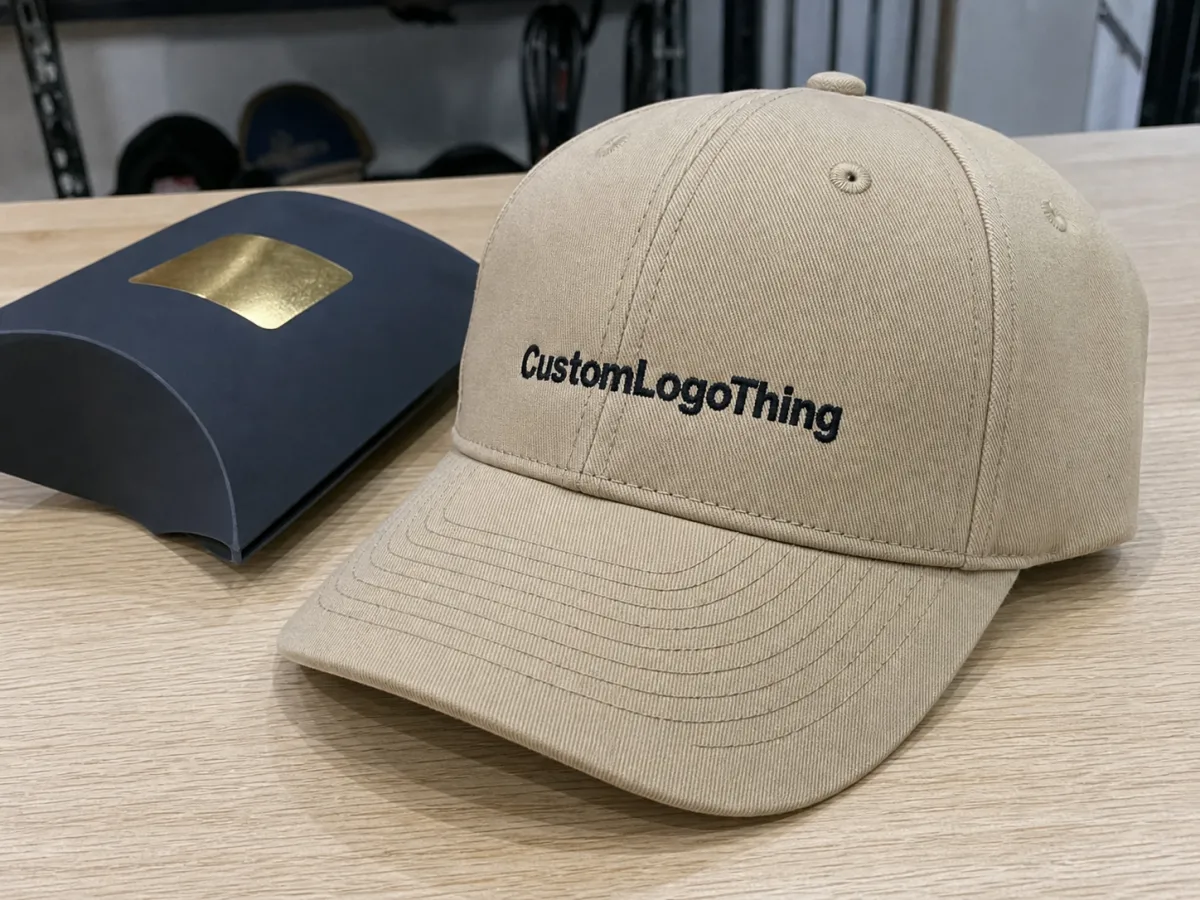
Most buyers start with logo size or color count, then treat the hat as a container. That is backwards. If the front panel cannot hold shape, the embroidery follows the fabric instead of the artwork. The result is usually a cap that looks less premium than the budget suggested.
Trade shows add another layer of pressure. People see staff from a distance, under bright lights, while walking past quickly. A hat that looks balanced and comfortable gets worn all day. A cap that feels flimsy usually ends up in a bag before lunch. That is why material choice matters as much as the design itself.
There are three connected decisions in one order: fabric, crown structure, and decoration method. A good stitch file cannot save a weak cap body. If the front panel sags or wrinkles, small type and sharp edges lose definition fast.
Before comparing quotes, focus on four practical points:
- Hand feel - Will people wear it for a full event day?
- Breathability - Does it work in a crowded or warm venue?
- Shape retention - Will the front stay flat under embroidery?
- Quote impact - Is the material upgrade worth the presentation gain?
For booth giveaways, a slightly better fabric often delivers more value than a cheaper cap with a logo on a weak body. The goal is not just to Lower Unit Cost. The goal is to hand out something people actually keep wearing.
How embroidery behaves on cotton, polyester, and blends
Cotton twill is the safest all-around choice for many buyers. It has enough body for embroidery, feels familiar, and usually gives a clean stitch edge when the weave is tight. If you want a cap that feels natural and still presents well, cotton twill is a reliable starting point.
Polyester shifts the balance toward lighter weight and faster drying. It can work well for outdoor events, summer expos, and teams that wear the cap for long stretches. The tradeoff is feel: some polyester caps look a little more technical or shiny, which may be fine for a performance-oriented brand and less ideal for a premium one.
Cotton-poly blends sit between the two. They often improve durability and drying speed without giving up all softness. That makes them a practical choice when buyers want a better-feeling cap but do not want to move into a higher-cost premium build.
The weave matters as much as the fiber. Tighter weaves generally support cleaner embroidery because stitches sit more evenly. Loose or stretchy fabrics can distort small text, fine outlines, or detailed icons. If the logo has thin type or a compact lockup, a stable weave is usually the safer choice.
Structure also changes the result. Structured hats use a firmer front panel, so embroidery sits flatter and looks more consistent from batch to batch. Unstructured hats feel softer and more casual, but they are less forgiving when the design is detailed or the logo is small.
Performance fabrics matter when the event environment is demanding. Mesh-backed truckers, moisture-wicking blends, and lighter polyester builds make sense for outdoor activations or teams that will wear the caps all day. The point is not just to decorate a headwear item; it is to make something usable enough that people keep it.
Key material factors that change comfort, durability, and fit
If you are comparing hats, the material spec should answer a few basic questions. Is it breathable enough for a busy show floor? Will it keep its color after handling and shipping? Does the front panel stay flat after embroidery? Does it feel like a cap people would wear again?
Weight changes how the hat is perceived. A heavier twill can feel more substantial and premium, but it may run warmer. A lighter build is easier to wear in hot venues, though it can look less structured. Indoor networking events often favor a softer, cleaner cap. Outdoor shows usually need something sturdier.
Sweatband quality matters more than many buyers expect because it touches the skin directly. A better inner band improves comfort and helps the cap feel less scratchy over time. Crown depth matters too. Too shallow, and the hat sits awkwardly. Too deep, and it overwhelms smaller faces. If the audience is broad, ask for crown dimensions, not just a render.
Closure type affects how the cap will be used. Snapbacks are easy to distribute at a booth. Hook-and-loop closures are quick but can feel less refined. Fabric straps and metal buckles usually read more premium, though they may add cost. The best option depends on whether the hat is a casual giveaway or a piece intended for repeat wear.
Colorfastness is worth checking early. A cap that fades quickly or shows wear after a few uses makes the embroidery look older than it is. That matters most when the brand uses dark colors or high contrast.
Packaging also affects how the order arrives. Structured caps should not be crushed in a loose carton. Ask for corrugated cardboard boxes with kraft paper dividers or tissue if you want the hats to keep their shape. If procurement requires a sustainability note, ask whether cartons can use FSC certified paperboard or recycled materials with post-consumer waste content. For packaging handling standards, ISTA is a useful reference. For paper sourcing and recycled-content context, FSC is also relevant.
Biodegradable packaging only helps if it protects the product. If the boxes arrive damaged and the caps are bent, the packaging spec missed the real job.
| Hat option | Typical use | Approx. unit price | Best fit |
|---|---|---|---|
| Stock cotton twill, structured front, 1-color embroidery | Standard booth giveaway | $3.50-$6.50 at 500+ units | Clean logo, good value |
| Cotton-poly blend, structured front, 2-3 color embroidery | Staff wear and nicer giveaways | $4.75-$8.25 at 500+ units | Balanced comfort and durability |
| Premium fabric, metal buckle, detailed embroidery | VIP gifts or brand partners | $7.50-$12.50+ depending on setup | Higher presentation value |
Cost, pricing, and MOQ: what actually changes the quote
Fabric affects price, but it is only one part of the quote. Buyers often expect the material to be the main cost driver, then get surprised by digitizing, stitch complexity, thread colors, and order size. Embroidery pricing usually combines base cap cost, setup, and production complexity.
As a rough budget range, simple stock caps with one-color embroidery stay at the lower end, while premium materials, structured fronts, and detailed artwork push the price up. For small and mid-size runs, setup or digitizing fees often land around $25-$85 depending on the artwork and supplier. Low quantities cost more per unit because setup is spread across fewer hats.
MOQ changes the economics quickly. A supplier may quote a reasonable unit price at 500 pieces and a much higher one at 100. That is not always a red flag; it simply reflects sourcing and production math. If you need a small event run, the per-hat cost will usually be higher. If you can carry extra stock for future shows, the price improves.
Watch for these line items when comparing quotes:
- Digitizing fees for the stitch file
- Thread upgrades for tighter color matching
- Custom labels inside the crown or on the sweatband
- Rush fees if the event date is close
- Sample charges for physical approval
- Packaging upgrades for better presentation
If a quote looks unusually low, check what changed. Was the logo reduced to one color? Was the hat switched from structured to soft? Were packaging and shipping left out? Low quotes often hide tradeoffs that only appear when the order is already underway.
Production steps and turnaround: from artwork to delivery
The production path is usually straightforward, and buyers should ask suppliers to spell it out. The sequence is artwork review, digitizing, sample or proof approval, bulk embroidery, inspection, packing, and shipping. That order is predictable for a reason: each step reduces the risk of mistakes later.
- Artwork review - The supplier checks logo size, detail, and placement.
- Digitizing - The design is converted into stitch commands.
- Sample or proof - You confirm placement, color, and proportions.
- Bulk production - The hats are embroidered to the approved spec.
- Inspection and packing - The order is checked, folded, and boxed.
- Transit - The caps ship to your warehouse, office, or show site.
Stock-based runs usually move faster than custom fabric programs. A simple order with a clean logo can often turn in 2-4 weeks after approval, depending on stock and workload. More complex jobs with multiple colors, custom closures, or sample revisions take longer. If the supplier must source a specific fabric, add time.
Most delays come from slow artwork approval, last-minute logo changes, thread swaps, and inventory gaps. If your event date is fixed, work backward and leave room for correction. Rush orders are possible, but they are easiest to avoid when the spec is clear from the start.
Packing deserves a direct question. Structured caps should be protected in cartons with separators, not crushed into loose stacks. A supplier that can explain the packing method is usually easier to trust. If the caps arrive bent, the embroidery does not matter nearly as much.
Common mistakes that make trade show hats look cheap
The first mistake is choosing the cheapest or softest fabric and expecting embroidery to fix it. A weak front panel makes the logo look uneven, and thin material can show puckering around dense stitches. The hat may still be usable, but it will not look like a deliberate brand item.
The second mistake is oversizing the logo. Large art can work, but only when the hat style and stitch count support it. Small text, thin lines, and crowded lockups can lose clarity in embroidery. Thread has thickness, so it needs room to breathe.
The third mistake is ignoring comfort. If the cap feels hot or scratchy, people will take it off. Once that happens, the hat stops working as a visible brand piece and becomes a bag stuffer.
A clean logo does not rescue a bad cap. The material has to do some work.
The fourth mistake is skipping the proof. Buyers sometimes rush and approve a first-run assumption instead of reviewing crown depth, placement, stitch density, and thread colors. That is how a technically correct order becomes a disappointing one.
The fifth mistake is comparing suppliers on price alone. If one quote uses cotton twill, another uses polyester, and a third changes the closure or embroidery area, the numbers are not directly comparable. Compare the same fabric, crown style, embroidery coverage, MOQ, and packing method before deciding.
Most bad hat orders are coordination problems, not design problems. Someone approves the wrong material, someone else assumes the logo will read fine, and nobody checks how the cap will actually wear in the booth environment. That is avoidable with a tighter spec.
Next steps before you request samples or place the order
Before requesting quotes, build a short spec sheet: material options, structured or unstructured crown, closure type, target logo size, and budget ceiling. Clear inputs produce cleaner quotes and fewer surprises.
If you are unsure which cap to choose, ask for a sample or mockup in the exact material you plan to order. A soft sample is not the same as a structured one, and polyester should not be judged like cotton twill. Compare like with like.
Use the same comparison points across suppliers:
- Material - cotton, polyester, or blend
- Structure - structured or unstructured crown
- Logo details - size, stitch count, thread colors
- MOQ and setup - actual minimum and all fees
- Packing - carton quality, separators, presentation
If sustainability matters, bring it up early. Ask whether cartons can use recycled content, FSC certified paperboard, or lower-waste packing with kraft paper instead of excess plastic. Protective packaging should come first; decorative packaging comes second.
The real goal is not just to hand out hats. It is to hand out caps people keep wearing after the show. Use this trade show embroidered logo hats material guide to narrow the options, then choose the version that balances wearability, branding impact, price, and lead time.
FAQ
What material is best for trade show embroidered logo hats?
Cotton twill is usually the safest all-around choice because it balances comfort, structure, and clean embroidery. Cotton-poly blends are good if you want more durability and a lighter feel. Polyester works well for outdoor events, budget runs, and caps that need to dry faster.
How many embroidered hats should I order for a trade show?
Small booths often start around 50-100 hats, while mid-size teams usually need 100-250. Add a buffer for staff replacements, VIPs, and unexpected demand. Order based on booth traffic and giveaway strategy, not just headcount.
Do structured hats or unstructured hats work better for embroidery?
Structured hats usually hold embroidery better because the front panel stays flatter. Unstructured hats feel softer and more casual, but fine detail may not read as cleanly. If the logo has small text or sharp edges, structured is usually safer.
How long does production usually take for embroidered logo hats?
Standard production often takes about 2-4 weeks after artwork approval, depending on stock and complexity. Rush timelines are possible if materials are available and the design is simple. Custom fabrics, sample revisions, or dense embroidery extend the schedule.
What drives the price up the most on embroidered trade show hats?
Stitch count, thread colors, and custom decoration details usually move the price the most. Premium fabric, low MOQ, rush production, and custom labeling also add cost. A simple cap can stay affordable, but every extra spec should be treated as a real line item.


