Trade Show Trucker Caps lead time can look simple on a quote, then change fast once the event date is fixed. The cap body is usually not the bottleneck. Stock availability, proof approval, decoration capacity, and freight timing usually control the real schedule.
That makes the order more like a small production project than a routine promo buy. Buyers who work backward from the in-hand date usually avoid the biggest surprises. Buyers who work from the ship date often do not.
Why Trucker Caps Feel Easy Until the Clock Starts Running
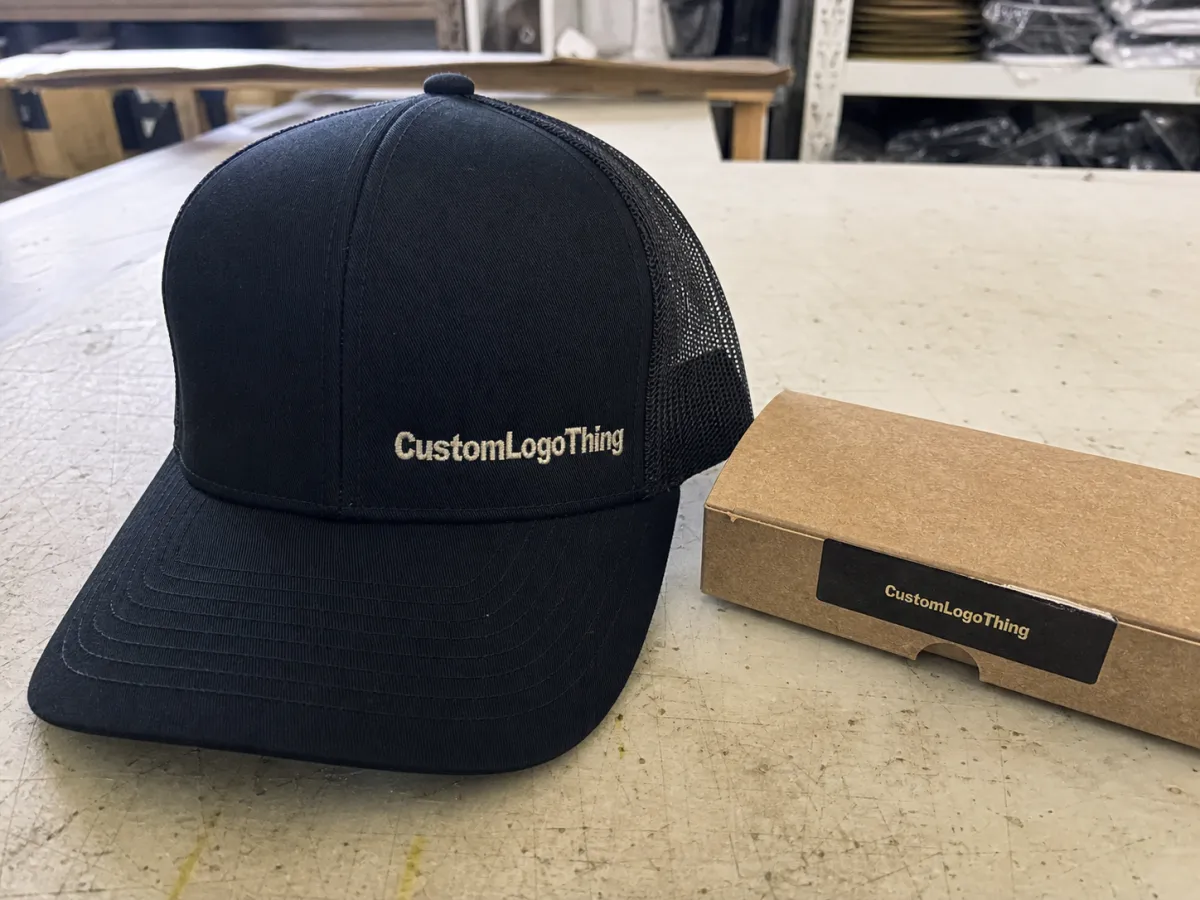
A trucker cap is a familiar format: structured front, mesh back, curved bill, and adjustable closure. It gives a logo clear visibility and works well for events because it feels casual without looking unfinished.
The format is simple, but the schedule is not. The real timing pressure comes from the chain around the cap: which blank is in stock, whether the color exists in the needed quantity, whether the logo file is ready, and whether the decoration method fits the cap construction.
Small spec changes can ripple through the order. A switch from embroidery to a woven patch, a different closure, or a move in logo placement can trigger another proof, a setup change, or a sourcing search. None of those changes sounds large on its own, but together they can move the order by several business days.
The event date is what forces discipline. A booth opening does not care whether a proof slipped by one day or three. If the caps need to be on-site before move-in, the schedule has to be measured backward from the in-hand date, not from the day the quote was approved.
How the Production Flow Shapes the Final Turnaround
The production path usually starts with style selection and blank availability. Some trucker caps are stocked in common colors and can move straight into decoration. Others need to be sourced first, which adds time before branding even begins.
Artwork setup is the next common delay. A clean vector file, a clear imprint location, and confirmed color guidance can keep the proof cycle short. Low-resolution files, unclear placement notes, or artwork that needs redraw work slow the job before production starts.
Decoration method matters as much as the cap itself. Embroidery needs digitizing and thread selection. A sewn patch adds approval and attachment steps. Printed patches can sharpen detail, but only if the artwork and cap surface suit the process.
Production time and total turnaround are not the same number. Production time covers approval through completion. Total turnaround includes sourcing, production, transit, and delivery. For a trade show order, the second number is the one that matters.
"The caps were not the hard part. The hard part was proving the artwork, holding the spec still, and getting freight to the show dock before the receiving window closed."
Typical planning ranges help buyers compare a fast stock order with a more custom one. They are not promises, because inventory, quantity, and decoration method all change the answer.
| Option | Typical Lead Time | Common Cost Range | Best For |
|---|---|---|---|
| Stock trucker cap with embroidery | 7-12 business days after proof approval | $2.75-$5.50 per cap | Standard event giveaways with clean art |
| Stock cap with woven or sew-on patch | 10-15 business days | $3.25-$6.25 per cap | Sharper detail and a more finished look |
| Special color or custom spec cap | 15-25 business days or more | $4.50-$8.50 per cap | Brand-led launches and larger programs |
That same planning logic shows up in other product categories too. Confirm the spec, confirm the method, confirm the window, then release the order. Standards groups such as ISTA apply the same practical idea in a different setting, where predictable handling matters more than assumptions.
Key Factors That Change the Schedule and Final Spec Mix
Blank color availability is one of the biggest variables. Standard colors like black, navy, and white are usually easier to source than a custom shade tied to a brand palette. Specialty mesh colors, contrast stitching, and uncommon closures narrow the options and can slow the schedule.
Decoration type changes both timing and finish. Embroidery is often the fastest route for a simple logo, but dense stitching, tiny lettering, or a detailed crest can slow digitizing and proofing. Sewn-on patches tend to look polished, but the patch itself has to be approved and produced before it can be attached.
Quantity affects both time and price. A run of 100 caps may move quickly if the style is in stock, but a small order is not automatically faster if the blank has to be sourced. Larger runs may improve unit pricing, yet they also require more machine time and more packing.
Artwork readiness deserves its own line item. A vector AI or EPS file with outlined type and clear color instructions usually moves faster than a low-resolution image pulled from a website or presentation deck. If someone has to redraw the logo or chase Pantone references, the job loses time before decoration begins.
Seasonal demand matters too. Spring and early summer are busy for trade shows, campus events, road programs, and retail activations, and hat orders compete with shirts, bags, and other promos for the same production space. Freight can tighten around large event dates as well, so a short production delay can become a real risk once the carrier cutoff is missed.
Packaging can also influence the final schedule. Recycled cartons, right-sized cases, and clear carton labeling do not speed decoration directly, but they help receiving and merchandising. If an order ships to multiple locations or needs individual polybagging, those details add time and cost.
Trade Show Trucker Caps Lead Time: What Moves the Clock
Trade Show Trucker Caps lead time usually runs through the same sequence: quote request, style confirmation, artwork proofing, production scheduling, decoration, quality check, and shipment. The order can stall at any point if one detail is unclear. The biggest time savings usually come from the buyer side, not from asking the factory to work harder.
Approve the proof quickly, keep the quantity stable, and choose a style that is already in inventory. Those three decisions do more to protect the schedule than most buyers expect. A clean handoff at the start is worth more than a rushed correction halfway through.
Rush service can help, but only within limits. It works best when the blank style is stocked, the logo file is production-ready, and the decoration method fits a short setup window. If the cap has to be sourced or the artwork needs redraw work, the rush option may only compress part of the schedule.
The useful way to plan is backward. Start with move-in, subtract receiving time, subtract freight time, subtract production time, then subtract proofing and approval time. If the remaining window is thin, simplify the spec or choose a more available style before the job turns into a scramble.
Build a cushion into the plan. Two to five business days of buffer can absorb a carrier delay, a dock issue, or a carton count correction. That buffer is usually cheaper than panic freight or a late replacement order.
Another detail that gets missed is the difference between ship date and in-hand date. A job can leave the facility on time and still arrive too late if the destination is far away or the receiving window is narrow. That matters a lot for Trade Show Buyers because the event calendar is fixed and unforgiving.
Cost, Pricing, MOQ, and What Changes the Quote
Pricing usually starts with the cap body, then moves to the decoration method, then adds setup, quantity breaks, and any special handling. A simple stock trucker cap with one embroidery location may sit in a modest price band, while a cap with a custom patch or less common color combination will move higher. The quote structure is predictable even when the final number is not.
MOQ matters because smaller runs carry more overhead per piece. That does not make a small order a bad choice. It only means the supplier has to spread setup and sourcing costs across fewer caps. A 50-piece run and a 500-piece run may require the same digitizing work, but the larger order absorbs that fixed cost more efficiently.
Hidden costs can raise the total without warning. Special thread colors, extra proof rounds, rush fees, split shipments, individual bagging, and revised artwork all add dollars or days. If a patch has to be approved separately, that step can become its own delay. Buyers who ask for landed cost early usually get fewer surprises later.
The table below shows how common spec choices affect both cost and timing.
| Spec Choice | Price Impact | Schedule Impact | Buyer Takeaway |
|---|---|---|---|
| One-color embroidery | Lowest | Usually faster | Good for tight deadlines and simple logos |
| Multi-color embroidery | Moderate | Moderate | Needs more setup and thread confirmation |
| Sewn or woven patch | Higher | Longer | Useful for a more finished, premium look |
| Custom cap color or special closure | Highest | Longest | Plan early because sourcing often becomes the bottleneck |
The cheapest option is not always the fastest, and the fastest option is not always the best value. A stocked cap with a simple mark may cost a little more per unit, but it can still save money by avoiding rush freight, rework, and deadline stress.
Common Mistakes That Quietly Add Days to an Order
Late artwork changes are the most common source of delay. A logo can look fine in an email preview, then someone notices that the text is too small, the spacing is off, or the color does not hold up on the chosen cap body. Every revision creates another proof cycle, and every proof cycle takes time.
Approving a proof without checking the details that matter most is another frequent problem. Placement, closure style, and color target should all be reviewed before the job moves forward. Buyers often focus on the logo itself and overlook whether the cap uses a snapback, a fabric strap, or a slightly different crown shape than expected.
Not all trucker caps behave the same way. Foam fronts, structured crowns, and different mesh grades affect both comfort and decoration placement. A tall front panel can carry a bold patch well, while a lower-profile cap may need a smaller mark so the logo does not crowd the seams.
Freight planning is another easy place to lose time. If the shipment has to cross several zones, land at a hotel, or clear a convention center dock, transit becomes part of the spec. A carton arriving at the wrong door or outside the receiving window may not be usable until the next day.
Most schedule slips come from small assumptions rather than major failures. A buyer assumes the art is print-ready. The supplier assumes the quantity is final. The receiving team assumes the dock can accept freight on Friday afternoon. Those assumptions stack up fast, and the timeline grows before anyone notices.
Expert Tips for Faster Approvals and Cleaner Next Steps
The fastest orders usually start with the cleanest inputs. Send vector artwork, confirm the quantity you actually need, and include a short note about placement, thread color, or patch preference before asking for a quote. That gives the supplier enough detail to quote the right spec the first time.
If the schedule is tight, choose a stock-friendly cap style first and build the branding around that. In practice, that means staying flexible on mesh color, closure style, or patch shape if those details are not critical to the campaign. The more freedom the supplier has to use stocked blanks, the less likely the order is to stall in sourcing.
Ask for the in-hand date, not just the ship date. That one question forces the conversation toward the real deadline, which is the date the caps need to be physically available for the show team. It also makes freight risk visible early.
If a delay appears, ask what part of the timeline is actually being compressed. Faster production is not the same as faster delivery. A job can leave the facility quickly and still arrive late if the transit lane is long or the receiving rules are strict.
For teams that buy branded headwear regularly, a short checklist keeps the process under control:
- Lock the cap style and color before design work starts.
- Approve vector artwork and placement in one pass if possible.
- Confirm MOQ, unit price, and setup charges together.
- Build a freight buffer around the show date.
- Keep one backup style in mind in case the first choice is unavailable.
Three questions are usually enough to test whether the order is safe: Is the blank in stock, is the artwork final, and is the freight window protected? If the answer to any of those is no, the lead time should be treated as a live risk rather than a rough estimate.
How long is trade show trucker caps lead time for a standard order?
Timing depends on stock availability, decoration method, and quantity, so the same style can move fast or slow. A clean file and a stocked blank usually shorten the schedule more than any single production change. Plan from the in-hand date, not just the day the order leaves the shop.
What factors most often extend trade show trucker caps lead time?
Artwork revisions, out-of-stock colors, complex decoration, and split shipments are the most common delays. Larger runs and custom patch or embroidery details can also increase pressure on the schedule. The earlier the spec is confirmed, the less room there is for slippage.
Can rush service reduce trade show trucker caps lead time?
Yes, but only if the hat style is available, the artwork is ready, and the production slot can absorb the job. Rush options often cost more and may reduce decoration or color flexibility. Ask what part of the timeline is actually being compressed before assuming the whole order can be expedited.
What MOQ should I expect for branded trucker caps for a trade show?
MOQ varies by supplier, style, and decoration method, but smaller runs usually carry a higher per-cap cost. If budget matters more than volume, ask for stock-based options that can support a tighter minimum. Matching MOQ to the actual giveaway plan helps avoid overordering and storage issues.
How do I protect the schedule when ordering trade show trucker caps?
Send print-ready artwork early, approve proofs quickly, and confirm the final quantity before production starts. Build a buffer for freight and receiving so the shipment arrives before booth setup. Keep one backup cap style in mind in case the first choice is not available.


