If you are pricing trade show trucker Caps Unit Cost, start by treating the cap as a working marketing item, not a blank accessory with a logo added at the last minute. A trucker cap has a long afterlife compared with flyers or inserts. It gets worn in transit, at lunch, on the show floor, and sometimes months later in ordinary day-to-day use. That simple fact changes the buying math.
The cheapest cap on paper is not always the best value. A weak front panel can distort a logo, a hot crown can stay in the giveaway pile, and a decoration method that looks fine in a mockup can fall apart in production. A better order plan balances comfort, visibility, and a price that makes sense once freight and setup are included.
That is the real point of unit cost. It is not a single number. It is the result of material selection, decoration method, quantity tier, packing method, and timing. If those pieces are handled with care, the cap does useful work long after the booth closes.
Why Trucker Caps Still Win on the Show Floor
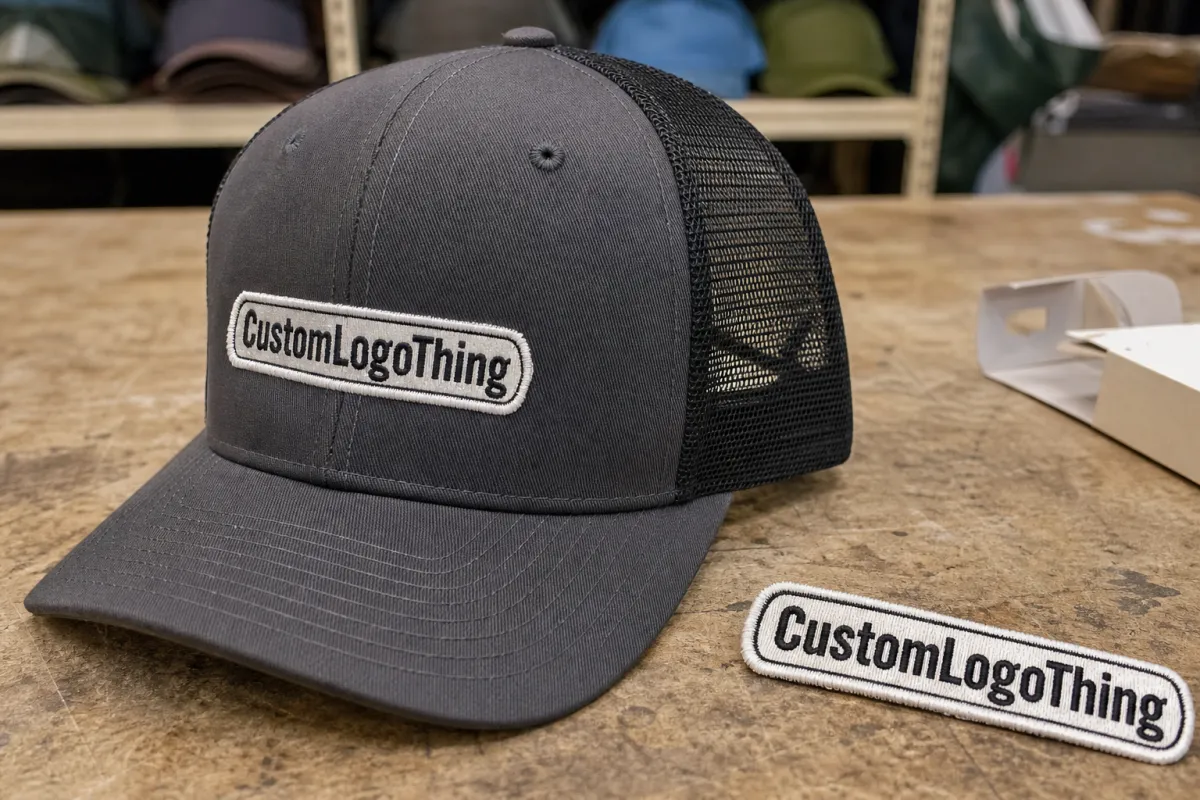
Trucker caps still perform well at trade shows because they solve two practical problems at once. They give the brand a visible surface, and they stay wearable in busy, warm environments. That matters more than it sounds. A soft item that feels good on a crowded show floor tends to leave with the attendee instead of staying in a swag bag.
The mesh back is not a styling flourish. It helps airflow in halls where people stand under bright lights for hours, move between meetings, and carry bags all day. Ventilation gives the cap a better chance of being worn during the event itself, which increases the number of impressions your logo gets before the attendee even leaves the building.
There is also a split between staff caps and giveaway caps. Staff pieces usually need tighter consistency, cleaner decoration, and a more controlled fit. Giveaway caps can be simpler, especially if the event order is large and the main goal is to keep the cost per piece under control. Trying to force the same specification on both use cases often creates waste. The booth team may need a more polished cap than the people taking one home.
Practical rule: if the cap will be seen from a distance, prioritize front-panel readability. If it will be handed out in volume, keep the build simple enough that the landed cost stays sensible.
That is why trade show trucker Caps Unit Cost should be viewed as part of the event plan, not a separate purchase decision. The most useful quote is the one that tells you what the cap is made of, how it will be decorated, what setup is included, and how much time the order actually needs. Headwear is full of small cost shifts, and those shifts become visible fast once the quantity changes.
Cap Build, Panels, and Decoration Choices
Most promotional trucker caps are built from a small set of options, but those options have real consequences. A 5-panel cap usually gives you a broad front panel with a cleaner uninterrupted decoration area. That makes it useful for large logos or simple event marks. A 6-panel cap has a more traditional shape and often feels closer to retail headwear, which can be a better match if the cap needs to look like something people would buy rather than something they picked up at a booth.
Structure matters just as much. A structured front keeps the logo area flatter and easier to read. An unstructured front feels softer and more casual, but it can also lose the clean line that makes a logo stand out from across the aisle. Curved brims tend to feel familiar and easy to wear. Flat brims can give a sharper, more contemporary profile, though not every audience wants that look.
Closure choice affects fit and inventory. Snapback closures are common because they cover a wide range of head sizes and are easy to distribute quickly. Hook-and-loop closures can be convenient for fast handouts, though they usually read a little less premium. Fitted caps are rare in trade show programs because they complicate size management and raise the risk of dead stock.
Decoration is where pricing shifts more quickly than most buyers expect. Embroidery is durable and familiar. A woven patch can carry fine lines and small text better than many stitch-based logos. PVC patches create a bold, modern profile and hold up well under repeated handling. Printed decoration can be the lowest-cost path for larger runs, especially if the artwork is simple and the color count is controlled.
For booth staff, embroidery or a woven patch often gives the cleanest result under bright hall lighting. For attendee giveaways, printed decoration or a single patch can keep trade show Trucker Caps Unit Cost within range without making the cap feel disposable. The right choice depends on how close people will stand to the logo, how much detail the artwork contains, and whether the cap needs to read as premium or simply useful.
- Embroidery: durable, classic, and best for straightforward logos with clear edges.
- Woven patch: sharp detail for small lettering and fine lines, often with tooling or setup fees.
- PVC patch: tactile and durable, useful for bold marks and outdoor use.
- Printed logo: often the lower-cost option for larger quantities and simpler art.
Small finishing choices can change the perceived quality more than a buyer expects. A matching underbill can make the cap feel more intentional. Cleaner taping inside the crown improves handfeel. Tagless branding keeps the inside from competing with the main logo. Those features are not mandatory, but they matter if the cap is meant to reflect the rest of a polished booth program.
Specifications That Change Fit and Handfeel
Fit begins with crown height. Higher crowns give the front panel more presence and usually offer more space for decoration. Lower crowns feel subtler and can be easier for a broader group of people to wear comfortably. The same logo can look larger, flatter, or more compact depending on that one decision.
Mesh density also changes the feel in a noticeable way. A tighter mesh gives the cap a slightly more structured look, while lighter mesh improves airflow and softens the overall handfeel. Neither is automatically better. The choice should match how the cap will be used. If the event floor runs warm, airflow may matter more than a crisp profile. If the cap is meant to sit alongside a premium booth kit, a firmer shape may be worth the extra attention.
Brim length, panel stiffness, and closure range also affect wearability. A cap that pinches, rides high, or shifts too easily is less likely to be worn after the show. That lowers the value of every piece you ordered. Promotional headwear has a short path to failure: it only needs to feel awkward once for the attendee to stop wearing it.
Materials deserve a careful read on the spec sheet. Cotton twill gives a softer, more familiar surface. Polyester tends to hold shape and color consistency well, which helps on larger runs. Foam-front trucker caps still have a place because they support broad front branding and a classic promotional look. Blended fabrics often sit between comfort and durability, especially if the order needs to survive transit, warehouse handling, and repeated wear.
Color control is another area where a realistic expectation helps. Exact PMS matching on every fabric is not guaranteed. Textured mesh, melange yarns, and some dye lots will shift the final appearance slightly. Sometimes a close visual match is good enough. Other times it is not, especially if the cap must sit beside packaging, apparel, or signage in a tightly controlled brand palette. That issue should be addressed before production starts, not after the first carton arrives.
If your order includes paper inserts, hanging tags, or retail-style packaging, verify the claims behind those materials. If certified paper is part of the plan, the FSC system is a credible reference point. If the caps must travel long distances across multiple stops or show venues, transit protection matters too. Organizations such as ISTA exist because damaged goods are usually more expensive to replace than to protect in the first place.
A tight spec sheet reduces revision loops. It also reduces sampling costs and prevents expensive assumptions. The more clearly you define crown height, mesh type, closure, panel style, logo size, and color targets, the fewer surprises you will face after proof approval.
Trade Show Trucker Caps Unit Cost: What Drives It
Quantity is the strongest lever in trade show Trucker Caps Unit cost. That pattern holds across most promotional headwear orders. The same setup work has to happen whether you buy 100 caps or 1,000, so smaller orders carry more overhead per unit. Once the run grows, the setup gets spread across more pieces and the per-cap number drops.
Decoration complexity comes next. A single embroidery hit is usually easier to price than a cap with a front patch, a side logo, and a custom inside label. More colors can mean more thread changes or more print steps. Larger logos can require bigger patches or more stitch time. If the artwork is detailed, the supplier may also need digitizing or redraw work before production begins.
Cap body selection changes the quote as well. A plain foam-front trucker cap will usually sit in a different cost band than a structured mesh cap with upgraded hardware, a custom underbill, or special labeling. Buyers sometimes compare two quotes that appear close on the surface, only to discover that one includes a much more basic build. Compare the full spec before deciding which price is actually lower.
Typical promotional pricing often falls into broad bands. A simple blank trucker cap may land around the low single digits in bulk, depending on material and source. Add embroidery, and the price usually rises by a modest amount. Patch decoration, especially if it needs tooling, can raise the unit cost further. Smaller runs often sit much higher because the setup has less room to spread. Freight, rush service, and carton handling can move the final landed number by a meaningful margin. Those items should be included in the comparison, not treated as afterthoughts.
| Decoration Option | Typical Unit Cost Impact | Best Use | Notes |
|---|---|---|---|
| Embroidery | Moderate setup, stable pricing at higher volume | Staff caps, simple logos, durable branding | Strong handfeel; less ideal for very small text |
| Woven patch | Higher setup and possible tooling fees | Premium giveaways, fine detail, retail-style presentation | Clean visual finish; good for small lettering |
| PVC patch | Mid-to-high depending on mold complexity | Bold logos, modern branding, outdoor use | Durable and tactile; mold cost can raise MOQ pressure |
| Printed logo | Often lower at larger quantities | High-volume giveaways, multi-color artwork | Fast path for simple art; confirm ink and wash durability |
MOQ matters too. A low minimum can help if the event is small or the program is being tested for the first time, but the unit cost usually climbs at lower quantities. That is not a penalty; it is simply how production works. Some patch-based orders also require a higher threshold than embroidered or printed caps because the tooling or hand labor takes more time to justify.
If you want a quote that can be compared cleanly, send five pieces of information up front:
- Exact quantity, plus any quantity tiers you want to review.
- Target budget or maximum acceptable unit cost.
- Artwork file, logo placement, and approximate decoration size.
- Shipping destination, including ZIP code or country.
- In-hands date, not just the order date.
With those details in hand, the supplier can separate real production cost from guesswork. That is the fastest route to a quote that reflects the actual event plan.
Production Steps, Proofing, and Lead Time
A cap order usually follows a predictable sequence: request for quote, artwork review, proofing, approval, production, inspection, packing, shipment. The process sounds simple until one step stalls. A missing vector file, a color correction, or an unclear logo placement can add days before the order even reaches the sewing floor.
Artwork quality is the most common source of delay. If the logo is not in vector format, digitizing takes longer. If the artwork has tiny type or dense linework, the proof may need adjustment so the final result does not collapse into unreadable detail. Patch-based orders can add another approval cycle because the patch itself needs to be checked before it is attached to the cap.
Lead time depends on the build. A straightforward embroidered trucker cap often moves in about 12 to 15 business days after proof approval. More complex patch work, custom labels, special color matching, or mixed-color orders can stretch that to 15 to 20 business days or more. Those numbers do not include shipping. A job that leaves the factory on time can still miss the event if transit was never built into the calendar.
A pre-production sample is useful in specific cases: unusually detailed logos, premium booth programs, first-time orders with a high visibility role, or any build where several people need to sign off on the final appearance. For a repeat order with known specs, a digital proof is often enough. Sampling everything adds cost and time without always improving the outcome.
Packing instructions should be written clearly. If caps must be separated by booth, region, team, or audience type, say so early. The same is true for carton labels, master carton counts, and any pallet notes. A few minutes of clarification can prevent confusion at receiving and reduce the odds of a mis-sort before the show opens.
Quality control also deserves a mention. A useful inspection is not just a glance at the logo. It checks stitch position, panel alignment, thread tension, color match, closure function, count accuracy, and the overall shape of the cap. If the supplier only checks appearance, small defects can slip through and become obvious after the cartons are opened on site.
What a Manufacturing-First Supplier Delivers on Repeat Orders
Repeat orders are where a manufacturing-first supplier proves its value. The advantage is not marketing language. It is repeatability. The same approved cap should come back with the same stitch density, the same logo placement, the same closure feel, and the same visual weight. That consistency matters once a trade show program runs across multiple cities, multiple business units, or multiple seasons.
A direct production partner should keep the approved spec on file, including the artwork version, placement measurements, packing instructions, and decoration method. That makes reorder work less fragile. Instead of rebuilding the order from memory, the team starts from an approved baseline. If a material goes out of stock, a capable supplier should explain the replacement and its effect on look or cost before the substitute is used.
Packaging choices are part of the repeat-order value as well. Some buyers want individual polybags so the caps stay clean through transit and warehousing. Others prefer bulk cartons because they reduce waste and make distribution faster on arrival. Neither option is universally better. The right one depends on how the caps will be handled before they reach the booth or the staff table.
Repeat production also improves quality control. Once a supplier knows the approved version of a cap line, it becomes easier to catch stitch drift, logo-position changes, or closure variations before the cartons leave the building. That can save money in a way that is easy to miss on paper. A short carton count or a visibly off-brand cap can undermine the presentation far more than a modest difference in quoted price.
That is the real appeal of trade show trucker caps unit cost from a manufacturing-first supplier. Buyers are not only purchasing a number. They are buying consistency, traceability, and fewer surprises when the order lands.
How to Build a Quote That Matches Your Event
The cleanest quote starts with clear inputs. Count the caps needed, choose the decoration method, confirm logo placement, and set the destination before asking for pricing. If the event date is fixed, include the in-hands deadline too. Those details help the supplier decide whether the order fits a standard production lane or needs a faster path.
Tiered pricing is worth requesting. A quote at 100, 250, and 500 pieces shows where the unit cost begins to improve in a meaningful way. That information is often more useful than a single line item. It can also reveal whether a small spec change would save enough money to matter. Moving from a woven patch to embroidery, or from custom labeling to a standard label, sometimes trims enough cost to pay for shipping or booth graphics.
It helps to separate must-haves from nice-to-haves. Must-haves protect brand and schedule: logo size, color accuracy, cap style, and delivery date. Nice-to-haves improve presentation but are not essential: custom underbill color, specialty taping, or extra packaging details. Listing those separately makes the quote tighter and reduces back-and-forth.
A strong final check is simple. Does the quote show what is included, what is excluded, and what would trigger a price change? If yes, the pricing is usable. If not, ask for a clearer breakdown before approval. That step is especially useful for trade show trucker caps unit cost because the final landed figure can change once freight, setup, or packing assumptions are corrected.
For most events, the best outcome comes from three controllable variables: quantity, spec, and timing. Get those three right and the cap budget becomes a planning tool instead of a surprise.
What affects trade show trucker caps unit cost the most?
Quantity is the biggest driver because setup is spread across more or fewer pieces. Decoration method, logo size, and the number of color changes can raise the price quickly. Freight, packing, and proofing also affect the landed cost, even when the headline quote looks competitive.
What is a practical MOQ for custom trucker caps?
MOQ depends on the cap body and decoration method, so there is no single number that applies to every order. Small runs are often possible, but the unit cost usually rises as the quantity drops. A tiered quote is the easiest way to see where pricing becomes more efficient.
How long does production usually take for trade show trucker caps?
Production begins after proof approval, so a fast artwork review helps the schedule more than most buyers expect. Simple embroidered runs can often move in about 12 to 15 business days, while patch work, custom labels, or special color matching can extend the timeline. Shipping time should always be added separately.
Can I mix cap colors or logo placements in one order?
Often yes, as long as the base cap style stays the same and the order meets production rules for that item. Mixing colors or placements may affect MOQ and unit cost if it creates extra setup or separate run steps, so it is best to confirm the mix before approval.
What artwork do you need for an accurate quote?
A vector file is best, along with the logo placement, approximate size, and any color references such as PMS values. Include the quantity, cap style, and shipping destination so the quote covers the right production and freight assumptions. If the event date is fixed, add it up front so lead time can be checked immediately.


