A trucker Caps Factory Quote should do more than name a unit price. It should reveal the build behind that price: the front fabric, mesh density, foam thickness, stitching count, closure style, decoration method, and the packing standard that gets the cap out the door. A cap that looks simple on a product page can still shift in cost once those details are fixed.
That is the practical problem buyers run into. The word trucker cap covers several constructions, and two quotes that look similar can hide very different assumptions. One factory may be pricing a foam-front promotional cap with a basic snap closure. Another may be quoting a cotton-twill front, tighter mesh, woven patch decoration, and retail packing. Those are not interchangeable products, even if the mockup looks nearly identical.
A useful quote is not the cheapest one. It is the one that exposes the trade-offs clearly enough for a buyer to choose between price, finish, durability, and lead time without guessing.
Why Trucker Caps Are Easier to Quote Than They Look
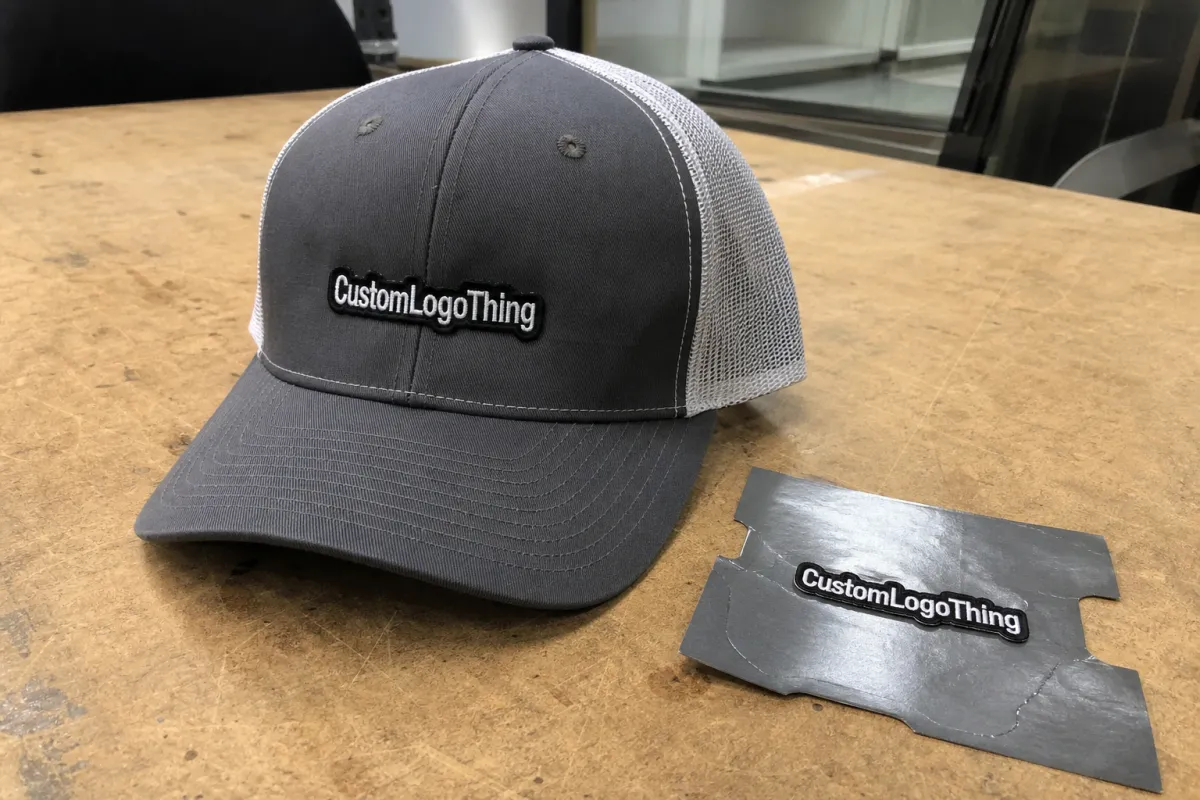
At first glance, trucker caps appear to be among the easiest headwear items to price. The silhouette is familiar: a structured or semi-structured front, mesh back panels, curved visor, and an adjustable closure. Yet the same cap can pass through several cost decisions before a factory can name a number with confidence.
The front panel alone can change the economics. Foam gives a bold billboard effect and keeps embroidery or print visually strong, but it also asks for controlled thickness and careful handling during stitching. Cotton twill or brushed canvas usually reads as more retail-ready, though it adds sewing time and often requires a more exact trim standard. The mesh back looks simple until the supplier has to choose between coarse, economical mesh and a finer, cleaner weave that sits better on shelf.
That is why early pricing is more useful than late pricing. If the buyer waits until every detail is finalized, the quote often comes back with revisions: an extra charge for reinforcement, a different price for the closure, or a surcharge for a decoration method that does not suit the material. A factory can price the real build quickly only when the spec is clear enough to avoid guesswork.
For comparison shopping, visibility matters as much as the number itself. Product cost, decoration, sampling, packing, and freight should be separated. A single lump sum makes suppliers hard to compare because one quote may be cheap on the cap body but expensive on embroidery, while another hides costs in labels or carton handling. Buyers who split the lines can see the actual reason a number moves.
What a Factory Quote Should Include for Trucker Caps
A strong quote starts with a spec sheet that reads like a build sheet, not a mood board. The factory needs the crown style, panel count, front material, mesh color, visor type, closure, sweatband, and decoration location. If the cap is a five-panel foam-front style, say that. If it is a six-panel cotton-twill cap with mesh back, say that too. The phrase trucker Caps Factory Quote only becomes useful when the supplier knows which trucker cap is being priced.
Decoration placement should be explicit. A front embroidery hit is not priced the same way as a woven patch, a side mark, or an underbrim print. Placement changes the labor path and the amount of stabilization needed behind the panel. A dense logo with a high stitch count usually costs more than a small one-color mark, but the panel material matters too. Foam, for example, can require a different handling approach than a firmer woven front.
The quote should also show which items are included and which are optional. A base cap might cover the body, closure, visor, and standard sweatband. Add-ons such as woven labels, care tags, custom seam tape, printed underbrims, or hangtags should be separated so the buyer can judge which pieces are worth the cost. Bundled pricing sounds tidy, but it hides where the money goes and makes later revisions messy.
| Spec Choice | What Changes | Typical Price Effect |
|---|---|---|
| Foam-front 5-panel snapback | Light front panel, classic promo shape, fast decoration | Usually the baseline |
| Cotton-twill front with mesh back | More sewing, cleaner retail handfeel, better shelf presence | Often adds $0.10-$0.30 per unit |
| Woven patch decoration | Patch production plus attachment labor | Often adds $0.18-$0.45 per unit |
| Dense embroidery | Higher stitch count, longer machine time, more stabilization | Often adds $0.12-$0.40 per unit |
| Retail label set | Main label, care label, hangtag, or branded polybag | Often adds $0.08-$0.25 per unit |
A good quote also states whether the supplier is pricing from a tech pack, a sample, or a rough sketch. That difference matters. A tech pack gives the factory measurable inputs. A loose reference image gives the factory a guess, and guessing is where pricing errors begin. The least useful quote is the one that looks firm but depends on assumptions nobody has written down.
Mesh, Foam, and Closure Specs That Change Fit
Mesh and foam are not cosmetic choices. They affect weight, breathability, shape retention, and the way a cap sits after packing. A foam-front trucker cap feels lighter and presents a bold front panel, which is useful for large logos or event branding. If the foam is too thick, though, the cap can look bulky and distort the profile. Thin foam can solve that problem, but it also changes the handfeel and may reduce the crispness buyers expect from a classic trucker.
The back mesh matters more than many first-time buyers expect. Fine mesh usually looks cleaner and can read as more retail-oriented, while a coarser mesh is familiar on promotional caps and tends to cost less. The difference is not only visual. Mesh stiffness changes the way the cap breathes and the way the crown recovers after shipping compression.
Closures create their own trade-offs. A plastic snapback is quick to assemble, easy to size, and common on bulk orders. Hook-and-loop closures are simple for short-run campaigns, though they often feel less premium. Fabric-and-buckle or strapback styles add labor, but they can lift the perceived value enough to justify the extra cost on retail programs. None of those choices is inherently better. The right one depends on how the cap will be sold, worn, and packed.
Internal structure also belongs in the quote. Sweatband type, eyelet count, visor insert, buckram support, and panel reinforcement all influence the final profile. A buyer who wants the front panel to hold a sharp shape should specify the support layer, not assume the factory will choose the same build every time. That assumption is one of the fastest ways to end up with a sample that looks close and feels wrong.
Fit issues usually show up in repeat orders, not just the first sample. A cap that fits well on a development sample can drift if the factory changes foam density, back mesh, or closure tension to save cost. That is why a clean quote should treat structure as a price driver, not an afterthought.
Decoration Choices That Move the Price Up or Down
Decoration is where the price can move faster than the buyer expects. Embroidery remains the most common option because it is durable and familiar, but stitch count determines the real cost. A small one-color logo with modest fill stitches is a different production job from a large design with dense satin borders, multiple thread changes, and tighter cleanup around edges. More stitches mean more machine time, and machine time is where cheap-looking quotes become expensive.
Patch work follows a different cost path. Woven patches are sharp and can carry fine detail well, but they require their own production step before application. Printed patches support gradients and color variety, while silicone badges create dimension and a more technical look. A mixed decoration method, such as embroidery plus a patch, usually raises both the material cost and the handling time because the factory has to coordinate two processes instead of one.
Material and decoration have to match. Foam-front caps with loose fabric can shift under the needle, which affects stitch registration. Some factories compensate with extra stabilizer, but that adds labor and can leave the front panel stiffer than the buyer intended. On structured cotton fronts, the decoration usually sits more cleanly, though higher-density embroidery still leaves a trace on the reverse side. A buyer comparing options should ask where the decoration is most likely to affect comfort, not only appearance.
Artwork quality matters as well. Vector files are easier to price because the factory can estimate stitch direction, edge treatment, and color breaks more accurately. A low-resolution image often forces the sample team to interpret detail that should already be defined. That slows both the quote and the sample, and in a competitive order that delay can matter more than a small unit-price difference.
For buyers who care about unit cost, the best savings usually come from simple decisions: one logo position instead of two, moderate stitch density instead of dense fills, and standard thread colors rather than custom matches across several panels. Those changes do not always make the cap worse. Sometimes they make it cleaner.
Trucker Caps Factory Quote: Pricing, MOQ, and Unit Cost
MOQ is where the economics become visible. Lower quantities tend to carry a higher unit price because setup, waste, and labor are spread across fewer caps. Many factories quote standard trucker caps in the 300-500 piece range per colorway, while more custom decoration or unusual material requests can raise the minimum. A 300-piece order rarely costs three-fifths of a 500-piece order. The line items do not scale that neatly.
That is why a supplier should show pricing at several quantity levels. A quote that lists 300, 500, 1,000, and 3,000 pieces gives the buyer room to see the breakpoints instead of guessing at volume savings. Often the jump from one tier to the next lowers the unit cost enough to justify a larger run, especially for resale programs or recurring promotions. The savings are usually clearer on the cap body than on decoration, because tooling and setup costs are amortized first.
A solid quote should separate each cost driver. Sample fees belong apart from bulk unit pricing. Special badge molds or plates should be listed if they apply. Packing charges should be visible if the order includes polybags, barcode labels, size stickers, or carton marks. Freight belongs on its own line, not wrapped into the cap price, because shipping mode can change the landed cost dramatically. Sea freight, air freight, and courier pricing do not behave the same way, and the cap price alone cannot tell the buyer the full story.
For a buyer trying to budget honestly, the useful question is not “What is the cheapest cap?” It is “What changes between the low quote and the mid quote?” Standard mesh colors, single-position decoration, fewer thread changes, and simple closures often bring cost down without damaging the product. A retail-grade label set, more precise stitching, and upgraded packing can add value, but they should be added deliberately, not discovered after the order is approved.
- Base cap body: front fabric, mesh, visor, closure, sweatband
- Decoration: embroidery, patch, print, or mixed method
- Sampling: development sample, pre-production sample, or revision sample
- Packing: bulk pack, individual polybag, retail label set, carton marks
- Freight: quoted separately so landed cost remains visible
Production Steps, Lead Time, and Approval Milestones
Lead time is usually less mysterious than buyers think, but only if the approval path is clear. A normal sequence starts with artwork review and spec confirmation, then moves to sampling if the project needs it, followed by bulk production, inspection, packing, and shipment. The sewing line is only one part of the schedule. Waiting for artwork, color approval, or sample signoff often takes longer than the physical production itself.
Simple orders with standard materials move faster than custom builds with special patches or alternative closures. A trucker cap with one embroidery position and conventional snap closure may be straightforward to run. Add multiple decoration zones, special packaging, or custom label sets, and the schedule widens. The factory can still build the cap, but each extra decision adds one more point where the order can pause.
One of the most useful clarifications is to ask for lead time from the approval date, not the inquiry date. That small distinction prevents a lot of misunderstanding later. If a supplier says ten business days but does not state whether the clock starts after sample approval or after deposit receipt, the timeline sounds shorter than it really is. Precise factories usually state the trigger point without being asked twice.
Inspection standards matter at this stage too. Headwear is not usually treated like high-risk technical goods, but the factory still needs basic controls: in-process checks, finished-goods measurement, color comparison, and carton verification. For many buyers, an acceptance framework such as AQL 2.5 for major defects is a useful reference point, though the exact standard should match the product and the buyer's tolerance for variation. A cap that ships in perfect condition but fails the logo placement check is still a bad shipment.
Transit planning deserves some attention, especially on retail orders. Caps crush easily if they are overpacked or stacked without care. When a shipment has to arrive flat, clean, and shelf-ready, carton strength and packing method matter almost as much as the cap itself. If testing is part of the buyer's standard, methods such as ISTA transit test methods help define the kind of shipping abuse the package should survive.
Factory Controls That Keep Repeat Orders Consistent
Repeat orders are where supplier discipline becomes obvious. A cap can look strong on a first run and drift on the second if the factory does not hold the approved spec tightly. Small changes accumulate: a slightly different mesh texture, a closure that feels looser, a foam density that alters the crown shape, or a front panel that sits flatter because the stabilizer was changed to reduce cost. Any one of those changes can be subtle. Together, they make the reorder feel like a different product.
The most reliable control point is the approved sample, backed by measurements and a clear material list. A factory that archives those records can repeat the cap with far fewer surprises. A factory that relies on memory tends to drift. Good records should include logo placement, panel dimensions, trim color, closure type, label style, and packing instructions. Photos help, but they are not enough on their own if measurements are missing.
Consistency is not only about color matching. It also includes seam spacing, crown height, visor curve, and the way the cap sits after steam and pack-out. Buyers notice those differences even if the logo is perfect. A disciplined supplier will mention those control points before shipping, not after a complaint arrives. That is also where honest pricing helps. If a repeat order needs tighter tolerances or upgraded packaging, the quote should say so instead of pretending every run is identical.
For branded programs that use paper inserts, hangtags, or carton cards, material sourcing can matter too. If those items need certified stock, ask whether FSC-certified material is supported and include that requirement in the quote package rather than after the order is underway. Standards are easier to price before production starts than after paper has been ordered.
Custom Logo Things focuses on that kind of practical control: the measurable parts of the order, the hidden cost drivers, and the details that affect whether a reorder truly matches the first shipment. That approach is less dramatic than broad promises, but it produces better buying decisions.
Next Steps to Request a Clean Quote
The fastest route to a reliable number is to send one complete package: artwork, quantity, cap style, front material, mesh color, closure preference, decoration method, packing instructions, and destination. If one detail is undecided, ask the factory to quote two versions so the price difference is visible. That is better than approving a number that depends on an assumption nobody has checked.
It also helps to say what the caps are for. A promotional run, a retail drop, and a long-term private label program do not need the same build. Promotions often favor speed and simple construction. Retail orders usually justify a cleaner finish, more exact labeling, and more careful pack-out. A durable quote should reflect that difference instead of pushing every project into the same price bucket.
One practical way to keep the process focused is to compare a primary build against one backup build. For example, a buyer might request embroidery on the main version and a woven patch version as the comparison point. That makes the pricing gap visible without opening a design debate that drags on for days. The goal is to understand the cost of the cap, not to restart the product brief.
A clean trucker Caps Factory Quote should reduce uncertainty. If it leaves the buyer with more questions than the original sketch, something was left out. A good quote gives enough detail to approve the order, manage the budget, and understand where the price is coming from.
FAQ
What details do I need for a trucker cap quote?
Send the cap style, front material, mesh color, closure type, decoration method, artwork, quantity, and destination. Add packing, labeling, and retail presentation requirements if they matter, because those items can change the final cost. If a spec is still undecided, ask for two quote versions so the difference is easy to compare.
How does MOQ affect a trucker caps factory pricing quote?
Lower quantities usually carry a higher unit price because setup, color matching, and decoration labor are spread across fewer caps. A 300-piece order and a 1,000-piece order often sit in very different cost bands. Ask for price breaks at several levels so you can see whether a larger run makes financial sense.
Can embroidery and patch options be quoted separately for trucker caps?
Yes, and they should be. Embroidery, woven patches, printed patches, and silicone badges each use different production steps and have different labor profiles. Separate pricing makes it easier to compare appearance, durability, and cost without mixing the decoration charge into the cap body price.
What is the typical lead time after approving a trucker cap quote?
Lead time depends on the decoration method, quantity, material availability, and how quickly the sample is approved. Simple styles with standard materials move faster than custom builds with special labels or multiple revisions. Ask the factory to state the timeline from approval date, not inquiry date, so the schedule is realistic.
How can I make sure a trucker caps quote is accurate the first time?
Provide a complete spec sheet with artwork, dimensions, colors, quantity, and packing instructions. Confirm whether the quote includes sampling, freight, labels, and any special finishes. Reference photos or an approved sample usually improve accuracy because the factory can quote the exact build instead of interpreting the brief.


