Trucker caps are a practical wholesale item because the construction is simple: structured or soft front, mesh back, curved brim, and an adjustable closure. That simplicity helps pricing stay manageable, but the first quote rarely tells the full story. Decoration, packaging, freight, proofing, and inspection can all move the landed cost.
For buyers comparing trucker Caps Wholesale Pricing, the useful question is not just what each cap costs. It is what the order costs after artwork, setup, shipping, and any quality corrections are included. A slightly higher unit price can still be the better buy if it reduces rework or avoids a rushed shipment.
Why Wholesale Trucker Caps Can Lower Your Real Cost
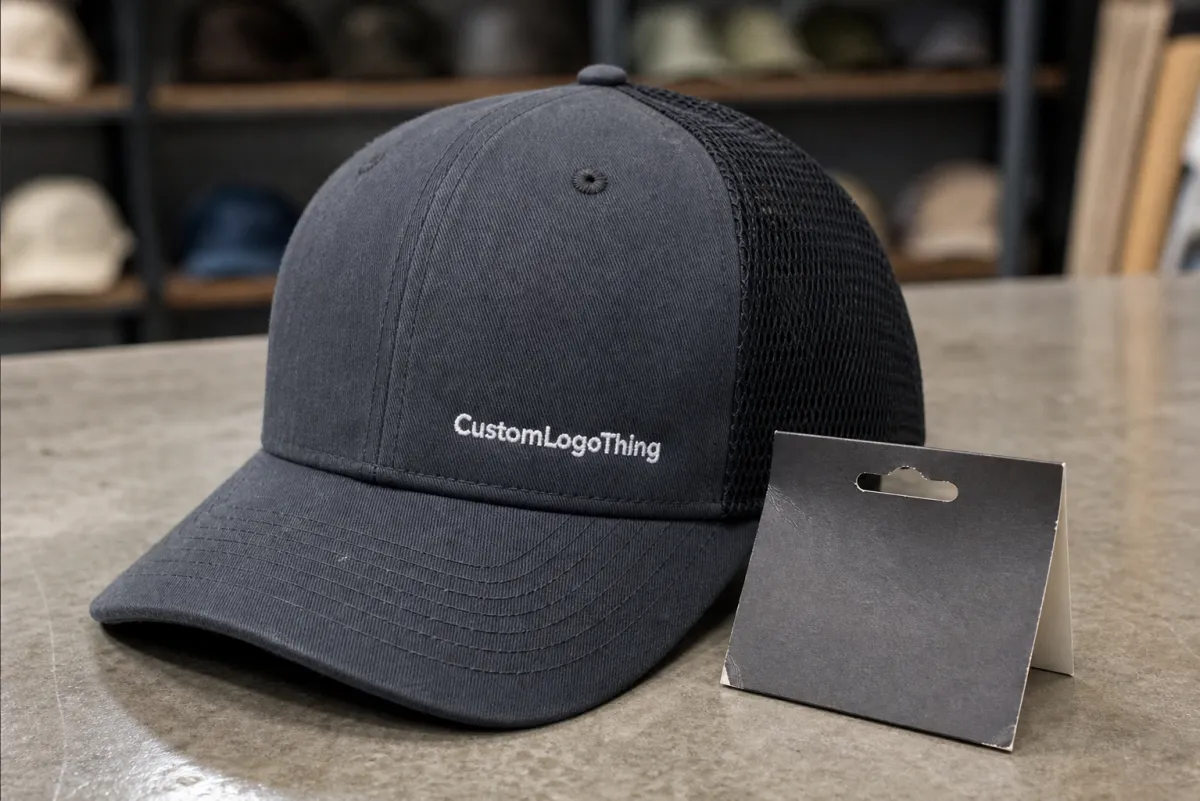
The cap format itself is efficient. Mesh uses less material than a full fabric back, which keeps weight down and makes the style easier to produce in volume. The front panel still gives enough surface for logos, while the adjustable closure broadens fit across more buyers or employees. That balance is one reason the style works for retail, uniforms, events, and promotions.
Wholesale orders also benefit from consistency. Standard bodies, common colors, and repeatable decoration methods make it easier to forecast inventory and reorder without changing the product. That matters when a cap is part of a long-running program or a seasonal drop, because the buyer can plan around stable specs instead of rebuilding the item every time.
Real cost includes more than materials. Freight destination, packaging, proof revisions, and order split rules can all affect the final spend. A quote that looks low before artwork may end up less competitive once patch tooling, special labels, or rush service are added. Clear trucker Caps Wholesale Pricing should show those variables early so the buyer can compare true landed cost.
A clear spec saves money twice: once in production, and again when the order lands without corrections.
What Defines a High-Quality Wholesale Trucker Cap Build
Most wholesale trucker caps follow the same general pattern, but small build decisions change how the product wears and how it reads. Structured fronts hold their shape better and usually suit logos that need a stable embroidery or patch area. Unstructured fronts feel softer and can work for relaxed or vintage positioning. Crown height changes the profile too: a taller crown gives more presence, while a lower crown sits closer to the head.
Panel count is worth checking. Five-panel fronts create a cleaner uninterrupted field for decoration. Six-panel caps feel more traditional and can be easier to fit into standard headwear programs. The right choice depends on how much space the logo needs and how the cap should look on the head, not just how it appears in flat artwork.
Closures also change both comfort and cost. Plastic snapbacks are common because they are inexpensive and easy to adjust. Strap-and-buckle closures can feel more refined but may add complexity. Hook-and-loop closures are simple and functional, though they may wear differently over time. A sample is the fastest way to see whether the visor shape, mesh tension, and sweatband feel match the intended use.
Materials, Fit, and Decoration Specs Buyers Should Check
Material selection affects comfort and durability before decoration enters the picture. A common build uses cotton twill, polyester, or a cotton-poly blend on the front panel with polyester mesh at the back. Polyester tends to hold shape well in repeat production. Cotton feels softer. Blends sit between the two and are often the safest middle ground for mixed-use programs.
The sweatband deserves inspection. Basic finishing may work for low-cost giveaways, but a better sweatband improves comfort in warm weather or long wear. Check the seam finish, especially near the forehead, because a rough edge can make the cap feel cheaper than the rest of the build suggests.
Decoration specs matter just as much as the body. Stitch count, patch thickness, and print method all affect the final look and the price. Dense embroidery works well on a structured front, but it can add sewing time. Woven patches can preserve detail with cleaner edges. PVC patches create a raised, bold surface. Printed labels keep the cap lightweight and simple, but they need enough surface area to stay legible.
A practical inspection checklist helps buyers avoid preventable issues:
- Check seam alignment on the crown and brim.
- Inspect mesh tension for puckering or uneven pull.
- Test the closure for secure adjustment.
- Feel the sweatband edge for stiffness or twisting.
- Confirm logo placement and size against the approved proof.
For broader quality and shipping context, references such as the ISTA testing standards and the Packaging Machinery Manufacturers Institute show how buyers think about protection and distribution risk. The item is simple, but the same logic applies: define how it will travel, then match the build to that reality.
Decoration Options That Affect Logo Readability and Wear
Embroidery remains the most common choice because it reads clearly on a structured front and holds up well. For simple wordmarks and icons, it is often the most durable and familiar option. Woven patches are useful when the logo has finer detail. PVC patches create a modern, raised look that can stand out on outdoor or utility-inspired designs. Printed labels are lighter and often suit lower-cost promotions, but they are better for short-term wear than heavy use.
The front panel is usually the best decoration zone because it offers the largest uninterrupted surface. Side decoration should stay minimal, since too much branding can crowd the cap. The back should remain functional, especially near the closure. On this product, too much decoration can make the cap feel busy rather than premium.
Decoration choice should match the intended life of the cap. A trade show giveaway may justify a simpler finish. Retail resale or employee uniforms usually benefit from cleaner edges and stronger durability. A textured patch can improve shelf appeal, while a clean embroidered logo often wins for repeat wear. That is why trucker caps wholesale pricing has to be reviewed alongside the artwork, not in isolation.
| Decoration Method | Typical Look | Best Use | Cost Impact |
|---|---|---|---|
| Embroidery | Classic, durable, textured | Uniforms, basics, repeat wear | Moderate, depends on stitch count |
| Woven patch | Clean detail, sharper edges | Retail resale, detailed logos | Moderate to higher with tooling |
| PVC patch | Raised, molded, bold | Outdoor brands, strong visual identity | Higher setup, strong visual payoff |
| Printed label | Lightweight, subtle, simple | Promotions, minimal branding | Lower on simple artwork |
Trucker Caps Wholesale Pricing, MOQ, and Quote Breakpoints
Several variables drive the final price: cap style, color count, decoration method, quantity, packaging, and freight. A basic decorated snapback in one color is usually the most efficient starting point. Add multiple colorways, a custom patch, branded packaging, or special labels, and the quote changes quickly.
For planning purposes, smaller bulk runs may land around $2.40-$4.50 per unit for a basic decorated cap. Larger runs can sometimes fall lower, but the result depends heavily on decoration and freight assumptions. More premium programs with structured fronts, custom patching, or upgraded packaging often move into the $5.50-$8.00+ range. These are planning ranges, not promises, because trucker caps wholesale pricing shifts with spec details and destination.
MOQ usually follows production efficiency. Standard colors and simple decoration often support lower minimums. Custom labels, special patch tooling, or several logo versions can raise the minimum because the factory has to stage more materials and manage more changeovers. Ask whether the MOQ applies per color, per logo version, or across the total order.
Request quotes that separate these items:
- Base cap price at the target quantity.
- Decoration setup or tooling charges.
- Sample or proof costs, if any.
- Packaging and labeling fees.
- Freight, duties, and destination charges.
- Rush or split-shipment fees, if relevant.
A quote that breaks out those charges is easier to compare and easier to trust. If you want to review broader sourcing structure, the Wholesale Programs page can help frame the order.
Production Process, Timeline, and Shipping Milestones
A typical order follows a simple sequence: quote confirmation, artwork approval, sample or digital proof review, bulk production, packing, and dispatch. Delays usually come from unclear artwork, late revisions, or decisions made after the line is already scheduled.
For straightforward orders, production often takes 12-20 business days after proof approval, then shipping adds transit time based on method and destination. Custom patches, special labels, or mixed-color runs can extend the schedule because the supplier may need more approval steps and more careful material staging. Timing should be discussed alongside price, not after it.
Most delays are avoidable. Low-resolution files, unresolved color references, or a last-minute change in logo placement can all slow the order down. If the caps support a retail drop or event, approving the spec early is the easiest way to protect the launch date. Revisions are safest before production begins, not after the factory starts buying materials.
Shipping milestones should be specific enough to support your calendar. Ask for the expected pack date, dispatch window, and shipping method. If cartons need to go to more than one location, confirm how that affects labeling and labor. Split freight can erode margin quickly if it was not included in the original estimate.
Handling still matters even for a simple cap. Boxes should protect brim shape, keep mesh from crushing, and preserve decoration quality. If your team also cares about shipping footprint or packaging use, the EPA Sustainable Materials Management pages are useful for broader planning.
What Makes a Reliable Wholesale Cap Supplier Worth Using
A dependable supplier does more than return a low number. They answer questions clearly, provide a usable spec sheet, and keep the order moving without confusion between artwork, production, and shipping. That matters because vague communication often creates hidden costs that wipe out a good-looking quote.
Sample quality is one of the clearest indicators of how the bulk run will behave. If the sample holds shape, matches color expectations, and shows clean decoration, the order has a better chance of matching the proof. Repeat-order consistency matters too, especially for buyers who need the same body across multiple seasons or reorders.
Good suppliers also explain tradeoffs. A thinner patch may achieve the same look for less money. A simpler closure may protect the budget without hurting wearability. Useful feedback like that turns trucker caps wholesale pricing into a planning tool instead of a guess.
The best quote is the one that matches the product you will actually wear, sell, or hand out.
Reliability also affects workload on your side. Accurate labeling, orderly packing, and a clean shipping plan reduce correction time and lower the chance of rework. That can matter as much as the unit price when the caps are part of a larger merch or uniform program with more than one destination.
Next Steps for Samples, Quote Review, and Order Launch
Before requesting pricing, gather the basics: logo files, target quantity, preferred colors, closure style, and decoration method. If the cap has a specific role, say so. A uniform cap, a retail piece, and a giveaway item should not be spec'd the same way.
Ask for a sample or proof and review logo size, placement, crown shape, and color balance. If the order has multiple quantity tiers, compare those options side by side. Sometimes moving up a tier lowers the landed cost enough to justify the extra inventory. Other times the better move is to simplify decoration or trim packaging.
Use this short checklist before launch:
- Confirm cap style, closure, and colorway.
- Approve artwork and logo placement.
- Verify MOQ, setup fees, and shipping terms.
- Review the proof before bulk production starts.
- Lock the delivery window and destination details.
Trucker caps are easy to buy badly and manageable to buy well. The difference usually comes down to the spec, the quote breakdown, and the supplier's discipline. Treat the order as a planning exercise, and the result is easier to control: cleaner construction, fewer surprises, and a better fit between budget and final product.
FAQ
What affects wholesale trucker cap pricing the most?
Quantity, decoration method, and base cap style usually have the biggest effect on unit cost. Freight, packaging, and setup charges can shift the landed price more than buyers expect, especially on smaller runs. Simple specs with one decoration location usually keep pricing more predictable.
What MOQ should I expect for bulk trucker caps?
MOQ depends on the cap structure, color count, and whether the order uses embroidery, patches, or print. Standard snapback-style trucker caps often support lower minimums than highly customized builds. If you want to compare a test run with a larger production order, ask for tiered options.
How long does a custom trucker cap order usually take?
Timeline depends on artwork approval, sample review, production capacity, and shipping method. Straightforward orders move faster than projects that need custom patches, special labels, or mixed colors. The cleanest way to protect turnaround is to approve specs and artwork before production starts.
Which decoration method lasts best on mesh-back caps?
Embroidery and sewn patches usually hold up well because they are built for repeated wear. Printed decoration can work, but durability depends on ink type, placement, and abrasion exposure. Choose the method based on intended use, not just the look on a proof.
Can I mix colors or logo versions in one wholesale order?
Mixed colors are often possible, but they may affect Pricing and MOQ because inventory must be staged by variant. Multiple logo versions usually need separate setup or approval steps, which can add cost and lead time. Ask for a quote that breaks out each option so you can compare the total order value clearly.


