Vitamin Brand Poly Mailers Print Proof Checklist to Approve
The Vitamin Brand Poly Mailers print proof checklist is the point where a good packaging idea either holds together or shows its weak seams. I have seen mailers that looked polished on screen fall apart the minute they were compared against the real film: a barcode shifted into a fold, a legal line dropped into the seal zone, and one especially expensive job where the white underprint made a bright label look dull and muddy under warehouse lighting. That kind of mistake is not rare. It is just hard to catch if the proof review is rushed.
Vitamin brands have more riding on a mailer than a generic e-commerce shipment. The bag is carrying regulated copy, batch or lot references, scan-ready codes, and a brand image that often has to match cartons, inserts, and labels already in market. A careful vitamin Brand Poly Mailers print proof checklist gives the buyer, designer, and printer one shared reference before anything gets locked for production.
The proof is not paperwork for the file cabinet. It is the last controlled check before plates, cylinders, or digital output get frozen. Poly film behaves differently from coated paper, and that difference can be surprisingly annoying. It can be translucent. It can stretch contrast. It can make thin type look fussy and fragile. So the vitamin brand Poly Mailers Print Proof Checklist needs to act like a production tool, not a polite approval form.
If you are comparing packaging formats or building a wider shipping system, the broader line at Custom Packaging Products and the material options in Custom Poly Mailers can help you line up the mailer with the rest of the launch. That comparison saves time later, especially when the revision cycle starts to get a little sticky.
Vitamin Brand Poly Mailers Print Proof Checklist: Why the Proof Matters
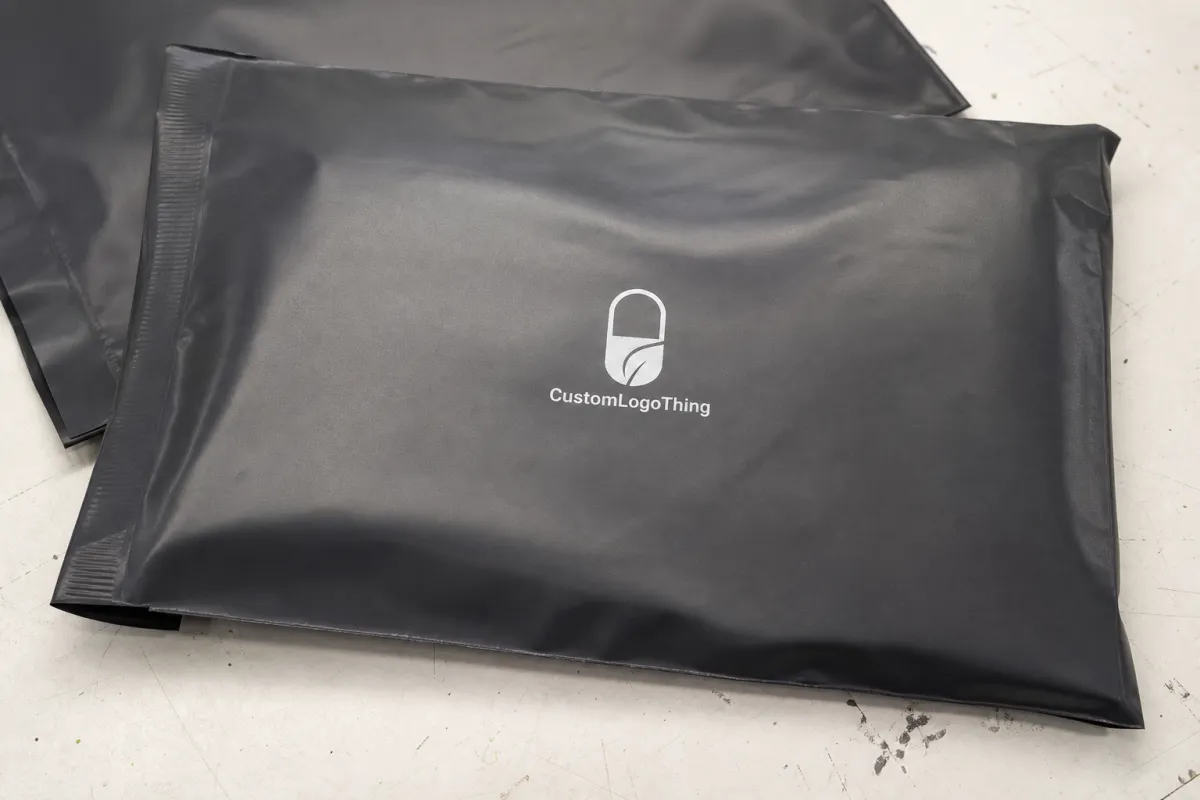
A useful vitamin brand poly mailers print proof checklist starts from a simple truth: what looks balanced on a monitor can break once it hits the actual substrate. Film has its own personality. White ink changes how a logo reads. A dark field can swallow fine type. A seam can cut through a claim line that looked perfectly safe in the mockup. Even a sharp digital rendering cannot fully show what happens after folding, heat sealing, slitting, or gusseting.
For vitamin and supplement brands, copy accuracy is not a nice-to-have. Supplement facts, storage instructions, barcode data, QR codes, lot callouts, and compliance language all need to survive the print process with clarity intact. Tiny text is especially unforgiving. If the type is thin, small, or reversed out of a dense background, the final print can lose legibility fast. That is why the vitamin brand poly mailers print proof checklist should require review at actual size, not only zoomed in on a laptop.
Brand consistency matters just as much. Many supplement lines run as families of SKUs with shared colors, similar typography, and recurring messaging. One bag printed a shade off can make the whole set feel disconnected. If cartons, inserts, and labels are already in market, the mailer should fit that system without fighting it. A strong vitamin brand poly mailers print proof checklist protects that visual logic before a full order of film goes to press.
A proof does not promise perfection; it gives you one relatively cheap moment to catch the stuff that turns expensive after approval.
That distinction matters for buyers. A small color drift may be acceptable. A barcode that will not scan is not. A claim line that sits too close to the edge is not a design preference; it is a production problem. The vitamin brand poly mailers print proof checklist should separate aesthetic opinion from hard requirements. One can be discussed. The other has to be fixed.
Transit behavior matters too. I once reviewed a vitamin mailer that looked fine in the mockup, then scuffed badly after a short warehouse simulation because the film finish and ink stack were not matched to the handling pattern. That is the kind of thing a proof can hint at, but only if someone asks the right questions. The ISTA site is a practical reference for distribution and shipping test thinking, and that perspective helps you judge whether the mailer still protects the contents after print, slit, seal, and shipment. A proof that ignores durability is only half a proof.
Brands looking for a broader comparison can study Case Studies and compare how spec details changed from draft to approved file. The strongest examples usually share the same shape: careful proof review early on reduces surprises at press start and keeps fulfillment from getting dragged into a rescue job.
How the Vitamin Brand Poly Mailers Print Proof Checklist Works
The vitamin brand poly mailers print proof checklist works best when it follows the logic of the finished bag. Start with the dieline. Confirm the artwork sits inside the real dimensions. Check the copy, the codes, the seal area, and any finish notes. That order matters because a beautiful proof can still be wrong if the layout ignores how the bag is built.
Most buyers will see three proof types. A digital proof is usually the fastest and least expensive way to confirm layout, copy flow, and basic placement. A PDF proof can show typography, line weights, and overprint behavior more clearly if the file is built cleanly. A production sample, flat or pre-production, gives a better sense of film opacity, material feel, and how the bag looks under actual shop lighting. The vitamin brand poly mailers print proof checklist should identify which proof type is under review, because each one answers a different question.
The checklist should cover logo scale, the safe margin at the seam and flap, closure direction, exact mailer size, case pack or count if it appears on the artwork, and any finish such as matte, gloss, soft-touch, or spot color accents. It should also note whether the art is built for digital printing, flexographic printing, or another method that changes ink laydown. A design that works on a carton panel may need adjustment before it behaves properly on film.
Color separation deserves special attention. If the file was built in CMYK but the brand depends on a specific spot color, the proof should make that translation visible. The same logic applies to black type sitting on a deep background. Thin reversed-out copy can look elegant in a mockup and still turn brittle on press. A careful vitamin brand poly mailers print proof checklist catches those problems before the line starts running.
What to verify line by line
Use the proof against the actual spec sheet, not a loose art preview. Check each item in order:
- Mailer size: confirm width, length, and gusset or flap allowances match the quote.
- Artwork placement: verify the logo, claims, and decorative elements stay inside the safe zone.
- Text accuracy: inspect every word, number, and punctuation mark, especially small copy.
- Barcode and QR codes: confirm quiet zones, contrast, and size are readable at actual scale.
- Finish notes: review matte or gloss film, white underprint, and any print finishing instructions.
- Seam and seal areas: make sure no important detail lands where the bag will fold or seal.
If your supplement line uses FSC-certified paper inserts or outer cartons alongside the mailer, the documents should match the same brand family and claims language. The FSC site is a useful reference if your procurement team needs chain-of-custody language or documentation guidance.
The habit that saves the most headaches is plain enough: compare the proof to the real template, not to memory. A vitamin brand poly mailers print proof checklist only works when the spec is exact. If the template is 6 x 9 inches with a top flap and 2.5 mil film, the proof has to reflect that build exactly. If the supplier later changes thickness or closure style, the proof should be revised before approval. That sounds obvious. It is also where many jobs drift off course.
Cost and Pricing for Print Proofs and Revisions
The money side of a vitamin brand poly mailers print proof checklist is rarely just the proof itself. Price shifts with the number of revision rounds, the amount of art cleanup, whether the colors are simple or tightly managed, and whether you need a layout proof or a physical sample. A clean file keeps the process moving. A file with missing fonts, low-resolution images, or fuzzy copy tends to produce extra rounds and extra cost.
In many custom packaging projects, a basic digital proof is included in the quote, especially for straightforward artwork and a single revision cycle. Extra rounds can carry fees, often in the range of $25 to $120 per revision depending on the supplier and the amount of design work involved. Physical samples usually cost more because they use material, setup time, and handling. For a custom mailer, a pre-production sample may land between $85 and $300, while a more refined color or structure sample can cost more. A solid vitamin brand poly mailers print proof checklist helps you decide early which proof level is actually needed.
Here is a practical way to compare proof options before approval:
| Proof Option | What It Verifies | Typical Cost Range | Best Use | Main Limitation |
|---|---|---|---|---|
| Digital layout proof | Artwork placement, copy, dimensions, and basic structure | $0-$40, often included | Fast review and first-pass approval | Color and film behavior are only approximate |
| PDF color proof | Typographic accuracy, separations, and stronger color intent | $25-$75 | Brands that need tighter color review | Still not the same as printed film |
| Physical production sample | Material feel, opacity, seal area, and real-world appearance | $85-$300+ | Critical launch items or premium branding | More time and cost up front |
| Revised proof round | Changes after buyer comments | $25-$120 each | Corrections to text, layout, or finishing notes | Repeated changes slow the schedule |
Price also depends on the production method. Digital printing handles shorter runs and quick changes better, which can soften the pain of revision. Flexographic printing often becomes more economical at larger volumes, but it gives less room for ongoing art changes. If the job uses spot colors or a special white underprint to hold the background, setup time can rise. A good vitamin brand poly mailers print proof checklist gets those calls settled before waste and delay start charging interest.
Bag size and material spec matter too. Moving from a standard 10 x 13 mailer to a larger 14 x 19 format changes the art scale and the safe zones. Moving from 2.5 mil film to 3.0 or 4.0 mil changes opacity, stiffness, and the way the print catches light. Closure style matters as well. A peel-and-seal flap is not the same as a die-cut closure, and the proof should show the correct panel because a wrong assumption can force a costly reset.
Faster approvals usually save more than people expect. Each extra day spent waiting on comments can create press interruptions, rescheduling, and setup waste. In a tight production window, a clear vitamin brand poly mailers print proof checklist can separate a clean release from a job that has to wait behind other work. That becomes a cost issue fast.
Process and Timeline: From File Prep to Final Approval
A disciplined vitamin brand poly mailers print proof checklist fits into a predictable workflow. First, the buyer sends the artwork, the final copy, and the dieline. Then the internal team checks for missing fonts, low-resolution images, incorrect bleed, and any claim language that needs confirmation. After that comes proof build, buyer review, the correction round, and the final signoff that releases the job to production. The sequence sounds linear. The best projects are. Many jobs still stall because one small input is missing at the start.
The timeline pressure points are easy to spot. Missing dielines create guesswork. Incomplete copy decks create rework. Low-resolution logos force cleanup. Last-minute changes are the most expensive because they can send the proof back into the queue or trigger a new production setup. If your vitamin brand poly mailers print proof checklist asks for the final file package before proof build starts, you reduce those delays sharply.
A realistic schedule often looks like this: one business day for file intake and preflight, one to three business days for proof creation depending on complexity, one to two days for buyer review, and another day or two for revisions if needed. A physical sample adds more time, and complex color matching adds still more. For custom runs, many teams see 12 to 15 business days from proof approval to production completion, though the actual timing depends on the supplier’s method, queue, and finishing steps. That estimate is not a promise; it is just the range I see most often.
Suggested approval sequence
- File submission: send final artwork, dieline, fonts or outlined type, and the copy deck in one package.
- Preflight review: confirm image resolution, color mode, safe zones, and barcode quality.
- Proof generation: review the first proof for placement, size, and production notes.
- Internal approval: have marketing, regulatory, and operations review the same version.
- Correction round: consolidate feedback before sending it back to the supplier.
- Final signoff: approve the exact revision number and release the job.
The biggest scheduling mistake is fragmented feedback. One person asks for a color change, another wants a headline swap, and a third catches a code issue a day later. That turns one revision into three. The vitamin brand poly mailers print proof checklist should name one owner for signoff, even if several departments review the proof behind the scenes.
It also helps to understand how print process shapes timing. Digital printing absorbs smaller changes more easily, which helps for launch tests or short runs. Flexographic printing rewards stability because once the plates or cylinders are set, the goal is to keep the run moving with minimal interruption. Offset printing is not usually the final method for poly mailers themselves, though its language still shows up in art teams used to coated-paper packaging. That mismatch can make people underestimate film behavior. A careful vitamin brand poly mailers print proof checklist closes that gap.
If your packaging program includes inserts, cartons, or shipping materials, review how the brand handles other projects before you approve the mailer. The examples in Case Studies often show how teams sequence copy approval, color matching, and finishing so a launch stays on track.
Approval windows should be written down. If the supplier expects feedback within 24 or 48 hours, that should be stated before the proof goes out. A stalled proof can quietly become a delayed launch, and the vitamin brand poly mailers print proof checklist exists to stop exactly that kind of drift.
Common Mistakes on Vitamin Brand Poly Mailers Print Proofs
The most common mistake on a vitamin brand poly mailers print proof checklist is approving too quickly because the proof looks polished. A polished proof can still carry the wrong batch code, a missing disclaimer, or a barcode that sits too close to the edge. That risk rises for vitamin brands because the package often carries claims that need careful internal review. A proof should slow people down in the right places.
Another frequent miss is ignoring film behavior. Designers used to coated cartons or insert cards sometimes forget that poly film can make fine lines thinner, dark grounds denser, and low-contrast type harder to read. White ink underlay, reverse type, and soft gradients need extra scrutiny. If the proof uses CMYK builds with a spot color accent, check the contrast under neutral light and, if possible, on a calibrated display. The vitamin brand poly mailers print proof checklist should never depend on a quick glance.
Size and orientation mistakes show up more often than they should. A bag can be the correct width but have the wrong flap direction. A layout can fit the artboard and still place the logo in the seal zone. A proof can look fine as a flat rectangle while hiding the fact that a gusset or fold will eat into the art. Those problems are avoidable with a careful vitamin brand poly mailers print proof checklist.
Barcode, QR code, and batch code errors deserve their own warning. If a code prints too small, too faint, or too close to a crease, the cost to fix it after production can sting. A direct-to-consumer vitamin order depends on those codes working cleanly across fulfillment, inventory, and customer service. Even internal tracking codes should be checked at actual size and on the correct background color.
What buyers overlook most often
- Small regulatory copy that was approved on a slide deck but not on the proof.
- Artwork resized without rechecking the safe margin around seams and seals.
- Color expectations based on paper samples instead of film output.
- Finishing notes discussed verbally but never written into the proof.
- One-off changes made in a second file version without clear revision tracking.
Version control can become a trust issue. If the proof file name changes from one round to the next and nobody records which version was approved, the risk of production on the wrong file rises fast. A solid vitamin brand poly mailers print proof checklist should require version numbers, dates, and a named approver every time.
For brands concerned about sustainability claims or sourcing language, the proof phase is where those details should be checked with care. If recycled-content or paper-based components are part of the kit, the claims should be supported and the supporting documents should match the packaging. Clear internal discipline beats a rushed approval every time. The same rule applies whether the order is standard or premium, whether the finish is simple or the brand identity is doing more visible work.
One practical tip from the shop floor: verify what will print, not just what looks attractive in the mockup. That mindset catches a surprising number of problems because mockups often hide the seam, soften color transitions, and make tiny type look sturdier than it really is. A vitamin brand poly mailers print proof checklist exists to separate presentation from production reality.
Expert Tips for Sharper Approvals and Better Production Results
One of the best habits is to compare the proof side by side with the spec sheet, not with memory. A vitamin brand poly mailers print proof checklist becomes far more effective when the buyer is looking at the exact dimensions, the approved copy deck, and the revision notes at the same time. That simple comparison catches the quiet errors that slip through when people assume the last round was already correct.
Use version control with discipline. Every change should be traceable, even if it seems small. If a headline moved 0.25 inch, if the barcode shifted, or if a legal line changed font weight, that should show up in the revision history. In a busy packaging workflow, vague notes create confusion fast. A good vitamin brand poly mailers print proof checklist gives every department the same reference point.
Color review deserves its own process. Check the proof under neutral light, not warm office lamps that make white look creamier and black look softer than it will appear on production film. If the color is brand-critical, ask whether the proof is color-managed or only a layout check. For premium supplement brands, the difference can matter. A spot color that has to hold across a product family deserves more care than a standard CMYK build for a short-lived promo bag.
Checklist habits that save time
- Standardize feedback: one reviewer compiles all comments before sending revisions.
- Use actual scale: print key areas at true size if text or codes are tight.
- Mark non-negotiables: highlight claims, legal text, barcode placement, and package dimensions.
- Confirm materials: film thickness, opacity, and closure style should match the quote.
- Save the approval trail: keep the final proof with the spec sheet and final artwork in one folder.
Think about how the mailer fits into the unboxing experience. A vitamin order often arrives with capsules, softgels, powders, inserts, or subscription cards, and the mailer is the first physical brand touchpoint the customer sees. The proof should support both logistics and presentation. A strong vitamin brand poly mailers print proof checklist protects against errors and helps the brand look composed at the doorstep.
If the supplier offers multiple packaging formats, compare the broader range of Custom Packaging Products so the mailer is judged in the context of the full shipping system. A bag that is slightly larger, slightly thicker, or slightly glossier can change the feel of the shipment even when the artwork stays the same.
Watch the finishing details closely. Matte and gloss film reflect light differently. A white underprint can make colors pop, while a missed underlay can leave colors muddy or translucent. If the art uses fine gradients or type over imagery, ask the supplier how the chosen print method will hold the detail. A veteran vitamin brand poly mailers print proof checklist acts as a guardrail for those decisions.
The calmest approvals tend to be the strongest approvals. If a proof gets rushed because everyone is chasing a launch date, mistakes cluster in the exact places that cost the most to correct. Slow the review down where it matters, and the production run usually goes cleaner. That is not theory; it is what happens when the checklist is used with discipline.
Next Steps After Approval: Lock Specs and Start Production
Once the proof is approved, save everything in one place: the final proof, the approved artwork, the dieline, the spec sheet, and the signoff note. A vitamin brand poly mailers print proof checklist is not finished when the file is approved; it is finished when the approved version is locked and easy to find later. That file history becomes valuable when the brand reorders, updates copy, or compares one production run against another.
Before the job is released, confirm the final material, print method, size, closure style, finish, and count. If anything changed during proofing, the quote should reflect the final build. The approval note should reference the exact revision number and date, plus any special instructions that need to travel into production. That way, the printer, the buyer, and the operations team all know which vitamin brand poly mailers print proof checklist result is authoritative.
For a clean handoff, keep the approval language short and direct. Something like this works well: approved as revised version, proceed to production, all copy and placement confirmed, material and finish as quoted. Plain language does the job when the file is moving from review to manufacture.
After approval, the work shifts from checking to tracking. The team should watch lead time, confirm shipping windows, and make sure fulfillment knows what is coming. If the mailer is part of a larger launch, the packaging schedule should line up with insert printing, pallet planning, and receiving dates. The tighter those pieces are tied together, the less room there is for avoidable delay. A final pass through the vitamin brand poly mailers print proof checklist before release is a smart habit, especially when the project has several moving parts.
If you are still comparing formats or planning future runs, review Custom Poly Mailers alongside the approved specs so the next order starts from a cleaner baseline. The whole point of the vitamin brand poly mailers print proof checklist is to make approval controlled, repeatable, and useful the next time the brand needs to print again.
FAQ
What belongs on a vitamin brand poly mailers print proof checklist?
A strong vitamin brand poly mailers print proof checklist should cover artwork placement, logo scale, all copy, barcode and QR code readability, material spec, size, seal style, and any finish notes such as matte, gloss, or white ink underprint. The proof should also be checked against the actual dieline so the layout matches the real bag dimensions, not a generic mockup.
How do I compare a digital proof to the final poly mailer?
Use the supplied dieline and compare every element against the real package size, including seams, folds, and closure areas. A vitamin brand poly mailers print proof checklist should also ask you to look for color shift, line weight changes, and type that may shrink or soften on film. Digital proofs are useful, but they are still only one part of the approval process.
Will a print proof show the exact color of vitamin brand poly mailers?
Not always. A proof can show direction, but film, ink system, and finishing can still change the final look. If color is critical, ask whether the proof is color-managed or intended mainly as a layout check. For brand-critical work, the vitamin brand poly mailers print proof checklist should include a sample review or a reference swatch whenever possible.
How much do proof revisions usually cost for custom poly mailers?
Minor text fixes are often included, but larger layout or color changes can add revision fees. Extra rounds tend to cost more when artwork needs cleanup or the production setup changes. The cheapest way to keep a vitamin brand poly mailers print proof checklist efficient is to submit clean files and consolidate feedback before sending it back.
What files should I send before approving the proof?
Send editable artwork, outlined type or fonts, the dieline, and the final copy deck in one package. It also helps to include brand color references, barcode assets, and any regulatory language that must stay fixed. A well-run vitamin brand poly mailers print proof checklist works best when one named contact owns the approval, so feedback does not drift across teams.
Approving a mailer should feel deliberate, not rushed. If you use the vitamin brand poly mailers print proof checklist to verify copy, color, size, finish, and codes before release, you protect the brand, reduce waste, and give the production team a cleaner path to press. The practical payoff is simple: fewer surprises, fewer delays, and a finished mailer that supports the product, the unboxing experience, and the brand identity all at once.

