Stationery embroidered beanies Bulk Order Planning guide
Stationery embroidered Beanies Bulk Order Planning is usually decided before a needle ever touches yarn. Quantity, artwork quality, approval speed, and ship date shape most of the outcome long before production starts. If those pieces are vague, the order tends to drift: digitizing gets rushed, thread colors are debated late, and a simple branded beanie turns into a string of avoidable delays.
That is why this kind of order deserves the same discipline as any other branded packaging program. The beanie itself is only one part of the equation. The rest lives in specifications, proofing, carton counts, and freight timing. A buyer who treats those elements as separate decisions usually gets a cleaner result and a better landed cost.
Why stationery embroidered beanies bulk order planning cuts waste
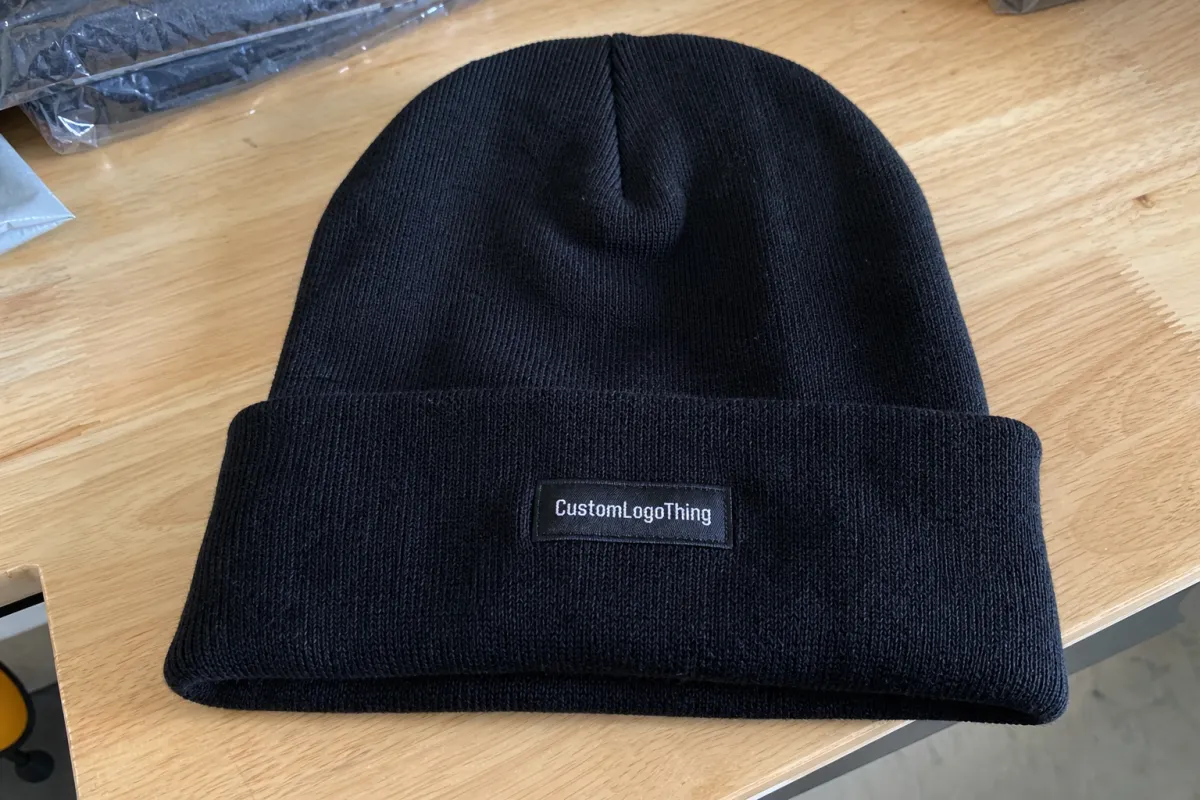
From a packaging buyer’s perspective, a beanie order behaves less like an apparel purchase and more like a decorated pack-out item. The real cost is not just the blank cap. It is the chain of decisions that follows it: embroidery setup, approval cycles, packing format, and freight booking. Stationery Embroidered Beanies Bulk Order Planning works best when those decisions are made early enough to keep the production path calm.
Small changes can carry bigger consequences than buyers expect. A logo that needs a second digitizing pass can add a day or two. A thread color that looks close on screen may not match the brand swatch in hand. Even a modest change to placement can alter stitch count, and stitch count affects time, density, and cost. On a bulk order, those small frictions add up fast.
Beanies make sense for stationery brands, office supply programs, and client mailers because they travel well and present cleanly in bundled kits. They are soft goods, but they behave like a practical accessory, not a fragile premium item. The cuff gives embroidery a visible, stable surface. The finished piece reads well in photos, holiday packs, onboarding boxes, and event giveaways.
The better buying frame is consistency, not novelty. A solid run gives you repeatable decoration, clear cartons, and a reorder file that does not need to be rebuilt from scratch next season. That is the real value of planning properly: fewer surprises, tighter control, and a more predictable total landed cost.
Pick the right beanie body, cuff, and embroidery placement
The beanie style sets the tone for the whole job. A cuffed knit beanie is the safest option for clean logo visibility because the flat cuff gives embroidery a stable surface. Slouch styles feel softer and more fashion-led, but the fabric can shift more during stitching, which makes placement less predictable. Loose knits also tend to distort more than tighter rib structures, especially if the design has small lettering.
Placement changes both appearance and production risk. Centered cuff embroidery is the most familiar and often the most efficient. Side placement can look sharper or more contemporary, but it asks more of the proofing process because the logo sits farther from the natural front. Patch applications, whether woven, leatherette, or embroidered, can improve legibility on certain knits, though they add an extra build step and more handling.
Material choice matters too. Acrylic is common because it is affordable, consistent, and widely available at volume. Acrylic-wool blends feel softer and usually read as more premium, but they cost more and can behave differently under embroidery tension. For most bulk orders, a medium or heavier gauge knit gives cleaner stitch edges because the fabric resists distortion better under the hoop.
Practical use case often narrows the choice quickly:
- Employee gifts: cuffed acrylic beanie with centered embroidery and a restrained logo size.
- Conference packs: midweight knit with a front-facing mark that reads from a distance.
- Retail-style merch: tighter gauge, richer yarn hand feel, and a more design-led placement.
- Client mailers: compact logo, standard blank color, and packing that keeps the beanie flat and tidy.
If the finish needs to feel polished, choose the style that supports the logo instead of asking the logo to rescue a weak knit surface. That one choice prevents a lot of noise later.
Specifications that protect stitch quality and repeatability
This is the point where the order becomes concrete. Knit gauge, decoration area, stitch count, thread colors, and logo simplification all affect the result. A clean vector file can still look wrong once it hits textured fabric. Thin strokes close up, tiny serifs disappear, and gradients do not translate directly into thread.
For most bulk runs, a simplified embroidery version performs better than a direct copy of the original logo. That usually means solid shapes, limited fine lines, and a size that fits the cuff without crowding the knit. If the design includes text, it needs enough height to sew cleanly. Small type under about 0.2 inches high can become risky on a beanie unless the knit is very tight and the letterforms are simple.
Digitizing deserves the same attention as the artwork itself. A good digitized file does more than trace a logo. It sets stitch direction, density, pull compensation, and underlay, which all affect how the final mark sits on the surface. If the thread pulls too hard, the knit can pucker. If density is too light, the logo can look underfilled or washed out. Buyers rarely need to specify those settings line by line, but they do need to know they exist.
Proofing is not a formality. It is the point where scale, thread color, and placement get checked before the production run locks in. For larger stationery Embroidered Beanies Bulk Order Planning programs, sample approval should be treated as mandatory if brand color matters or if multiple people are signing off on the same order. A digital proof alone can hide problems that show up immediately on a real knit surface.
For reorders, repeatability matters more than novelty. If one carton goes to a trade show, another to an office, and a third to a fulfillment center, the spec has to be stable enough to reproduce later without guesswork. That means documenting the details that actually control output:
- Logo file type and approved embroidery version
- Thread colors by code, not by vague description
- Exact placement from center, seam, or edge
- Beanie style, color, and knit gauge
- Packing method and carton count
“The orders that age well are the ones with clear specs. The buyer who writes down the logo size, thread code, and pack-out rules saves time on every reorder.”
For broader packaging controls, the same discipline used in corrugated planning still applies. If transit testing or carton performance matters, the ISTA standards are a useful reference point. If your program includes recycled cartons or inserts, FSC certification is worth checking so sourcing claims stay clean.
Quality checks that catch bad runs early
Good embroidery programs fail less because of machine issues and more because of missed checks. A buyer who asks for the right inspections usually catches problems before they multiply. On beanies, the most common defects are not dramatic. They are subtle: crooked placement, uneven tension, loose backing, thread that looks correct in daylight but wrong under warm lighting, and logos that sit too high or too low on the cuff.
A practical QC routine starts with the first sample and continues through production. The sample should be checked for stitch coverage, registration, logo size, and comfort against the knit. The backing should be smooth enough not to create a scratchy feel, especially if the beanies are going into employee gifts or retail-style kits. Loose jump threads should be trimmed cleanly, not left to catch in transit or during packing.
For larger runs, random lot checks matter more than a single perfect sample. A carton can look fine from the outside and still contain mixed sizes, mixed colors, or a handful of flawed pieces if inspection is too light. The better suppliers usually check count against pack list, compare the thread color to the approved reference, and inspect the first and last pieces in a run before releasing the cartons. That may sound basic. It is also where a lot of bad orders are saved.
Buyers should also ask how replacements are handled. If a production batch has a small defect rate, there should be a clear path for sorting or remaking affected pieces. For beanies, a minor flaw can be enough to make an item unsuitable for gifting, even if the defect would pass in a lower-stakes order. A visible logo has very little room to hide mistakes.
Pricing, MOQ, and unit cost drivers to compare
Pricing for embroidered beanies comes down to a few variables, and most of them are easy to compare if the quote is written properly. Blank style, stitch count, digitizing, thread changes, packaging format, and freight method all shape the landed cost. The most common mistake is comparing two quotes that do not include the same line items.
MOQ depends on the blank beanie, the decoration method, and whether the logo needs custom digitizing. A standard cuffed acrylic beanie often supports lower minimums than a specialty knit or a premium blend. Smaller runs usually carry a higher per-unit price because setup and proofing are spread across fewer pieces. Larger runs bring unit cost down, but only if the style is in stock and the artwork stays stable.
Here is a practical comparison buyers can use as a starting point. The ranges are planning numbers, not fixed pricing, because yarn cost, logo complexity, and freight can move them.
| Order option | Typical MOQ | Typical unit range | Best fit | Notes |
|---|---|---|---|---|
| Blank cuffed acrylic beanie | 50-100 pcs | $2.20-$3.80 | Internal use or stock | No decoration, fastest path, but no brand imprint |
| Single-logo embroidery | 100-250 pcs | $4.50-$7.50 | Stationery kits and mailers | Good balance of presentation and cost |
| Embroidery plus custom patch | 250+ pcs | $6.00-$9.50 | Retail-style merch and client gifts | More build steps, stronger visual presence |
| Premium blend or specialty knit | 250-500 pcs | $7.50-$12.00 | Higher-end branded programs | Better hand feel, but less forgiving on price |
If the budget is tight, simplify the logo first. A one-color embroidery file usually costs less than a design that needs multiple thread changes. Standard blank colors are easier to source than custom-dyed yarns. Rush production should be the last lever, not the first, because it can narrow decoration choices and raise freight cost quickly.
A fair quote should separate blank cost, decoration cost, digitizing or setup, and shipping. That is the only way to compare offers honestly. A low per-piece number can still be more expensive if the freight is high or the approval process creates rework. For a buyer doing stationery embroidered Beanies Bulk Order Planning, the landed price is the number that matters.
Process, timeline, and production steps from proof to delivery
The sequence is straightforward, but every step requires a decision. Artwork intake comes first, then digitizing, then the digital proof. After approval, production moves to blank allocation or knitting, embroidery, trim, inspection, packing, and freight booking. A buyer who understands that chain can spot the real delay points before they become a problem.
Production lead time starts after proof approval, not after the first inquiry. That distinction matters. A smaller run may stitch in about 7-10 business days once approved, while a larger bulk order often needs 12-18 business days depending on stitch count and available stock. Transit time is separate. Domestic freight may take 3-7 business days, while consolidated shipments or longer routes can take more time.
Schedule risk usually comes from the same three places: late artwork, thread color indecision, and approval bottlenecks. If three people need to sign off on the logo, the job can sit still even while production is ready to start. A single decision-maker shortens the loop. That does not remove internal review, but it does keep the order from stalling while opinions bounce around.
Build in buffer time for larger stationery embroidered beanies bulk order requests. Embroidery itself is often faster than buyers expect, but freight and approvals still stretch the calendar. If the beanies need to arrive before a trade show, holiday mailing, or customer launch, protect at least one extra week in the plan. That buffer is cheaper than a rushed air shipment, and it gives the packaging instructions a better chance of surviving transit in good shape.
There is another practical reason to plan early: seasonal color and blank availability. Neutral colors usually stay easier to source. Popular winter shades can tighten up once the season turns. A buyer who wants a specific yarn tone or a specific pack-out method should assume that late ordering narrows the choices.
If you need a broader ordering reference while the details are still being assembled, the FAQ page can help with common artwork and reorder questions.
Why a packaging-minded supplier lowers reorder risk
A good supplier does more than sew a logo. The stronger partner handles presentation, carton labeling, case counts, and packing consistency with the same care as embroidery quality. That matters because a branded beanie can look right on the bench and still arrive poorly if the cartons are mixed, the counts drift, or the packing slip does not match the approved spec.
Communication is the practical advantage. A supplier who keeps the order file clear can tell you whether the same embroidery setup will work on a second color, whether a new batch needs a fresh approval, and whether a packing change will affect freight. Those details sound small until a reorder lands on a deadline and someone has to rebuild the whole instruction set.
For stationery brands, repeat-order support is where the best operations earn their keep. If you want to reorder the same beanie six months later, the ideal supplier can pull the approved artwork, the thread list, the carton spec, and the pack-out note without starting from zero. That kind of recordkeeping matters more than most buyers think, especially when multiple departments share the same branded kit.
A packaging-minded vendor also asks better questions up front. How many pieces need to ship to each location? Does the carton need to stay shelf-ready? Should the beanies be polybagged, folded flat, or packed loosely to avoid crushing the embroidery? Those are not decorative questions. They change handling, space, and sometimes freight cost.
If your program is likely to repeat, the Wholesale Programs page is a natural place to discuss standing quantities, color commitments, and future reorders. The benefit is not just price. It is continuity.
What to gather before requesting a quote
A better quote starts with better input. The fastest way to get a usable number is to send quantity by color, target delivery date, logo file type, preferred beanie style, and any packaging instructions in one message. If the order includes multiple destinations, list them early so freight and carton labeling can be planned correctly.
The most useful quote requests are specific without being cluttered. If the logo has a small type lockup, mention that. If brand color accuracy matters, include the closest thread reference you already use in other products. If the beanies are meant for a stationery set, say whether they need to fit in a box, a mailer, or a display bag. Those details help avoid a quote that looks low only because it assumes the wrong packing format.
One decision-maker is enough for the approval loop. That does not mean the whole team should stay out of it, but it does mean someone should own the final sign-off on artwork, timing, and budget. The longest delays are often internal, not production-related.
Ask for a quote that separates the blank, the embroidery, the setup, and the freight. If a supplier cannot do that, the comparison is too blurry to trust. You are not just buying a beanie; you are buying an order path that has to survive artwork approval, carton handling, and delivery without surprises.
Done well, stationery embroidered beanies bulk order planning is a controlled process rather than a guess. If the spec is tight, the proof is approved quickly, the QC checks are real, and the production file is clean, the result is a branded item that looks right, ships right, and reorders without friction.
What is the usual MOQ for stationery embroidered beanies bulk orders?
MOQ depends on the blank beanie style, decoration method, and whether the logo needs custom digitizing. Standard knit styles usually support lower minimums than specialty cuts or premium yarns. Ask for the MOQ by color and by logo version if you want a realistic buying plan.
How long does embroidery production usually take after approval?
Production lead time starts after artwork and proof approval, not after the first inquiry. Smaller runs can move faster, but larger bulk orders need extra time for setup, stitching, packing, and freight. Rush jobs are possible in some cases, but they often raise unit cost and narrow the decoration options.
What logo files work best for embroidered beanies?
Vector files such as AI, EPS, or PDF usually produce the cleanest digitizing results. Simple artwork with solid shapes, strong lines, and limited tiny text is easier to stitch on knit material. If the logo is complex, ask for a simplified embroidery version before production begins.
Can I mix beanie colors in one bulk stationery order?
Yes, but color mixes can change pricing depending on inventory, minimums, and packing complexity. Some suppliers allow mixed colors within one run, while others price each color as a separate order line. Confirm whether the same embroidery setup can be used across all colors to keep the quote efficient.
What has the biggest impact on unit cost?
Stitch count, logo complexity, and the number of thread changes usually move unit cost more than buyers expect. Order quantity matters because setup and digitizing spread across more pieces as the run gets larger. Blank beanie style and shipping method also affect the final landed cost.

