Vitamin Soft Touch Poly Mailers Bulk Order Planning starts with two questions: what has to survive transit, and what has to look right when the customer opens the parcel? Soft-touch finishes handle differently from standard gloss, so the order should be planned around scuff resistance, seal performance, and how the mailer will actually look after packing and shipping, not just how it looks in a proof.
For vitamin brands, that matters because the mailer is part of the product presentation. Repeat orders, subscription programs, and retail-style unboxing all put pressure on the packaging to stay clean and consistent. A good bulk plan balances appearance with transit durability, so the final order supports the brand without creating problems in the warehouse.
Why Soft-Touch Mailers Change the First Impression in Transit
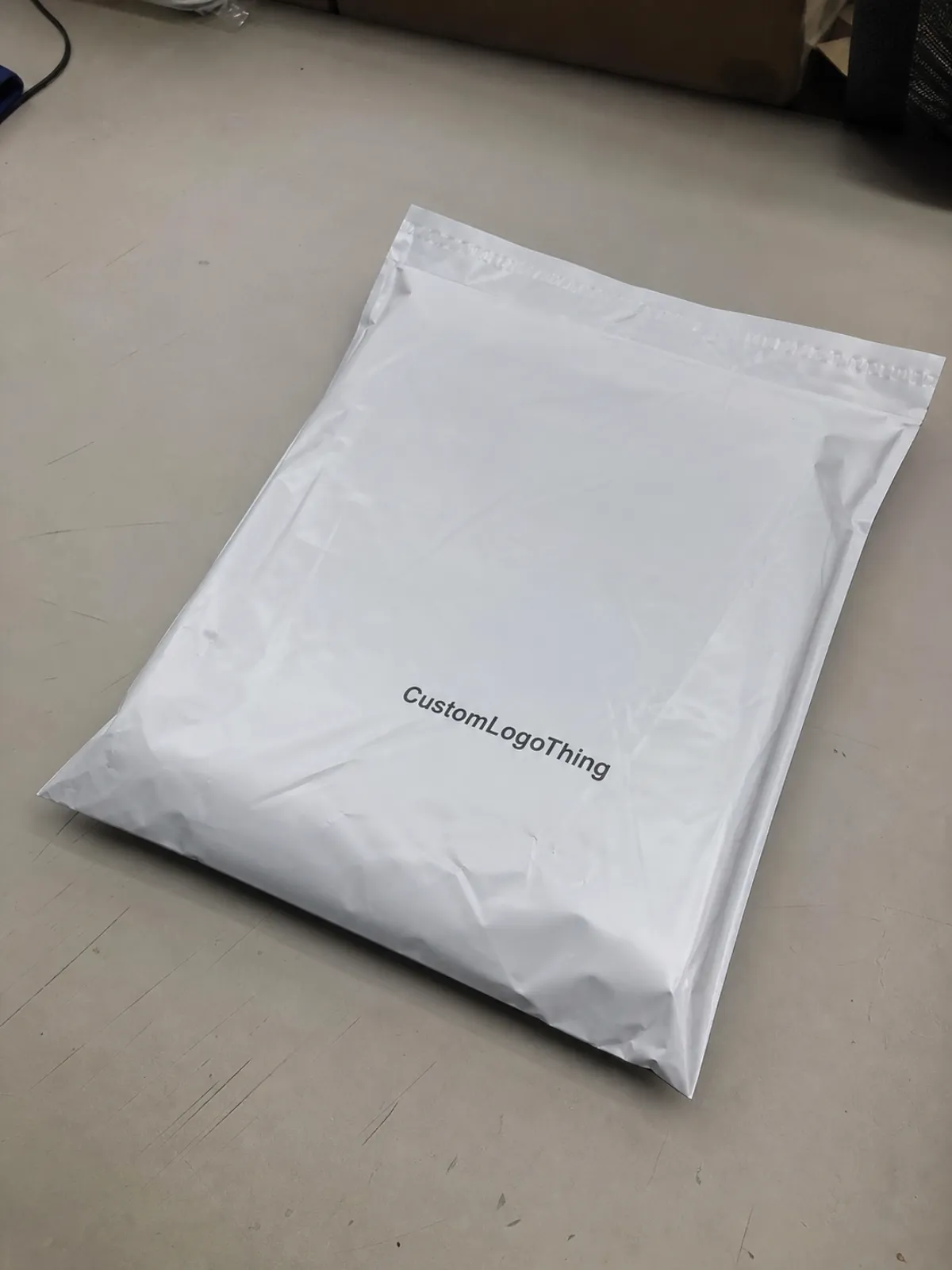
Soft-touch is more than a visual style. The finish changes how the mailer reacts to rubbing, fingerprinting, carton contact, and parcel sorting. A sample can look great on a desk and still show dull spots or scuffs after it moves through fulfillment, so bulk planning should account for handling as well as design.
That is especially true for vitamin-branded ecommerce shipments. Buyers in this category usually care about trust, cleanliness, and consistency, which means the mailer needs to feel intentional without becoming fragile. If the packaging looks premium and stays neat, it supports the product story. If it looks wrinkled, scratched, or inconsistent, the brand loses some of that value before the customer opens the box.
For vitamin soft touch poly mailers Bulk Order Planning, the main decision is whether the selected finish, size, and thickness still perform after real warehouse use. The order should be judged by fit, seal reliability, and post-shipment appearance, not by one approved mockup.
If you are building a broader packaging kit, the category pages for Custom Packaging Products and Custom Poly Mailers are a useful starting point, and buyers moving larger volumes often compare against Wholesale Programs before finalizing a schedule.
Material Build, Print Method, and Finish Details That Matter
A custom poly mailer is usually built from layered polyethylene film with heat-sealed seams and a pressure-sensitive closure flap. The construction affects stiffness, puncture resistance, seal behavior, and how the printed face holds up during shipping. Soft-touch adds another variable because the finish changes the look and feel of the surface and can influence how ink appears.
Compared with gloss, soft-touch usually reduces glare and gives the package a smoother, velvety feel. Compared with a basic matte finish, it can look richer and feel more premium, though the actual result depends on the print method and any topcoat or lamination used. Dark colors often appear deeper, fingerprints are less visible, and fine graphics can look cleaner, but those benefits only show up if the artwork is prepared correctly.
Buyers should also decide whether the print is simple outside-only branding or a more complex construction. Outside-only print is usually easier to manage and quicker to reorder. Inside print, colored liners, and special film structures can improve presentation or privacy, but they add cost and create more points where the proof and the finished product can diverge.
Useful spec questions include:
- How much of the surface is printed, and is it full bleed or partial coverage?
- How many colors are involved, and does the design use gradients or small text?
- Will the mailer be judged mostly in shipping, on unboxing, or at retail handoff?
- Does the brand want a low-glare look or a brighter retail-style finish?
For programs that will repeat, the specification sheet should connect the finish to the actual use case. A supplier should be able to explain the film, closure, printing method, and surface treatment in one conversation, because those choices affect each other.
For shipping programs that need transit testing or packaging standards, the language used by the ISTA organization is useful because it separates visual approval from performance testing. If sustainability claims are part of the brief, any fiber-based inserts or cartons should be checked against the right documentation, including FSC where applicable.
Sizing, Thickness, and Closure Specs to Lock Before Ordering
Size errors usually start when buyers measure the product instead of the packed product. The mailer has to fit the item, any insert, and the closure area with enough room to pack quickly. A vitamin bottle that looks small on paper can still need a larger mailer once you add a leaflet, a blister pack, or protective fill.
Thickness affects both price and performance. Thinner film can lower cost and shipping weight, but heavier bottles, sharp edges, or tight packing workflows may need a stronger gauge. Heavier film usually feels stiffer and resists puncture better, though it also raises material cost and can slow packing if the team has to fight the flap or squeeze the product in place.
Before placing a bulk order, confirm these details:
- Flat dimensions that match the packed product, not only the product itself.
- Seal width and flap strength, especially if packing speed is important.
- Opacity for privacy and brand presentation.
- Seam resistance and tear performance at the corners.
- Panel layout for return address, warning copy, or postage labels.
The adhesive strip is another detail that can create hidden labor costs. If the closure is weak or poorly placed, workers spend time adjusting every pack, and that rework adds up quickly. Overstuffing creates similar problems by increasing the chance of seal failure, corner splits, or visible distortion after shipment.
The safest approach is to build the spec around the actual packing workflow. If the team can insert the product, close the flap, and move on without forcing the mailer, the size is probably close. If not, a different dimension or gauge is usually a better fix than adding tape or hoping the current spec will work.
Pricing, MOQ, and Quote Drivers for Larger Runs
Pricing is usually driven by film gauge, print coverage, number of colors, finish complexity, size, and quantity. Soft-touch finishes tend to sit above standard gloss or basic matte options because they need an extra surface treatment or process step, and that shows up more clearly on smaller runs.
The unit price is only part of the cost picture. MOQ changes the math because setup fees, freight, and storage all affect landed cost. A lower per-piece price can still be the more expensive choice if the minimum quantity is too large for the sales cycle. A slightly higher unit price on a more realistic run can protect cash flow and reduce inventory risk.
Stock-size mailers and fully custom dimensions are the main planning tradeoff. Stock sizes usually shorten lead time and make reorders easier. Custom dimensions can improve fit, reduce wasted space, and create a better presentation. The right choice depends on the packed product, the number of SKUs, and how often the brand plans to reorder.
| Option | Typical Use | Estimated Unit Range | Planning Notes |
|---|---|---|---|
| Stock-size soft-touch mailer | Standard vitamin bottles, small kits, repeat orders | $0.18-$0.30 | Faster to quote; easier to reorder; best when fit is close to standard sizes |
| Custom-size soft-touch mailer | Unique pack-outs, boxed sets, multi-item bundles | $0.24-$0.42 | Better fit and presentation; requires more careful size confirmation and proofing |
| Higher-gauge premium print run | Heavier contents, high-touch subscription packs, retail-ready presentation | $0.30-$0.48 | More durable feel; often better for branding, but material and setup costs rise |
Those ranges change with quantity, freight, and print coverage, so they should be treated as planning numbers rather than guarantees. A good quote request should include packed dimensions, estimated quarterly or annual volume, print colors, finish preference, destination ZIP or port, and any sealing or labeling requirements. The clearer the brief, the faster the quote process usually moves.
For many brands, the question is whether the extra presentation value is worth the added spend. For subscription and repeat-purchase vitamin programs, soft-touch mailers often make sense if the order plan is realistic and the inventory level is sized correctly.
Production Steps, Lead Time, and Approval Checkpoints
A clean production schedule usually moves from quote to artwork review to digital proof, then into production. The most common delays are not mysterious; they come from artwork revisions, missing copy, unclear dimensions, or slow proof approval.
Lead time depends on the print process, material availability, and how quickly the buyer responds. The first run often takes longer because the supplier has to confirm the file, color targets, and specification. Repeat orders are usually faster when the original structure and artwork are already approved.
Typical planning ranges for soft-touch mailers are often 12-15 business days from final proof approval for simpler repeat jobs, with larger or more complex runs taking longer. That is only the factory window. Freight, receiving, and a small inspection buffer should be added so the launch date does not depend on one shipment arriving perfectly.
A practical approval sequence looks like this:
- Confirm the product dimensions and pack-out.
- Choose the mailer size and thickness.
- Approve the finish and print coverage.
- Review the digital proof and check copy, barcode placement, and logo scale.
- Sign off on final production specs before the run starts.
That order keeps the review grounded in the actual shipment instead of a visual mockup. If the program is tied to a seasonal launch or subscription rollout, it is smart to add extra time for proofing and freight so the schedule has room for correction.
Supplier Checks That Protect Reorders and Brand Consistency
Consistency is where good suppliers earn their place. A dependable partner should document the film spec, print file version, approved color target, count method, and carton configuration for each run. That record reduces ambiguity on the next reorder and gives the buyer a clear baseline when checking whether a new lot matches the old one.
This matters most for subscription brands and seasonal campaigns. A small shift in finish can be easy to miss on a spec sheet but very visible once the mailer is packed and photographed. The same is true for a half-inch size change that affects how the product sits in the mailer. Once customers get used to a look, drift becomes obvious.
Quality control should cover seal integrity, print alignment, scuff resistance, and sample retention. Keep one approved sample from the first run if the packaging program will repeat. That sample becomes the simplest reference when a future reorder arrives and someone needs to confirm the color, film hand, or closure feel.
Common supplier questions worth asking:
- What exact film gauge and surface treatment will be used?
- How is print color being matched and approved?
- How many overruns or under-runs are allowed?
- What carton pack count will the warehouse receive?
- How are reorder files and proofs stored for future production?
For buyers managing multiple SKUs, the supplier relationship should be treated as a planning asset, not a one-time purchase. Predictable repeatability keeps packaging spend under control. If the program needs support beyond the mailer itself, the site FAQ is a good place to check common order questions before requesting a revised spec.
Next Steps for Building a Clean Bulk Order Plan
The easiest way to keep the order on track is to move in a straight line: confirm product dimensions, choose the mailer size, define the finish, estimate monthly volume, and gather artwork before asking for a quote. That sequence reduces revisions and gives the supplier enough information to price the job correctly the first time.
Before sending a request, prepare the details that actually affect spec and cost:
- Target quantity and expected reorder frequency
- Packed product dimensions and any insert requirements
- Desired thickness and closure style
- Print colors, coverage area, and finish preference
- Shipping destination and timing constraints
If the finish, sizing, or color match is new to the brand, order a sample or proof before locking the full run. That small step is usually cheaper than correcting a batch later, and it gives the warehouse team a chance to test how the mailer packs, seals, and stacks in real use.
For a vitamin brand that cares about repeat orders, the mailer is part of the customer experience, not an afterthought. A clean, well-planned packout shows the product was handled carefully from the start. That is the practical value of vitamin Soft Touch Poly Mailers Bulk order planning: fewer surprises, better presentation, and a purchase plan that matches how the shipment actually moves through the warehouse and into the customer’s hands.
Frequently Asked Questions
What size should I choose for vitamin soft touch poly mailers bulk order planning?
Choose the flat mailer size based on the packed product dimensions, not the item alone, so there is room for inserts, labels, and a secure seal. Allow extra length for closure and a little width for packing speed, especially if the contents include multiple bottles or boxed sets.
How does a soft-touch finish affect bulk mailer pricing?
Soft-touch finishes usually add cost because they involve an additional surface treatment or print step compared with standard gloss or basic matte options. The final price is also shaped by quantity, film thickness, print coverage, and whether the order uses a custom size or stock format.
What MOQ is typical for custom printed poly mailers?
MOQ depends on the print method, number of colors, and whether the mailer is stock or fully custom, but custom runs generally require a higher minimum than plain stock mailers. Larger quantities usually lower the unit cost, while smaller runs may carry higher setup and handling charges.
How long does production usually take after proof approval?
Production timing depends on artwork approval, material availability, and the print process, so the clock starts only after the final proof is signed off. Add freight time and receiving time to the factory schedule so the order arrives before the packaging launch date.
What should I send before requesting a quote for bulk mailers?
Send product dimensions, estimated order quantity, print colors, desired finish, shipping destination, and any special packing notes. Include artwork files or a logo reference if available, because clear design input helps the supplier quote faster and more accurately.


