Buyer Fit Snapshot
| Best fit | Void Fill Supplier projects where brand print, material claims, artwork control, MOQ, and repeat-order consistency need to be specified before quoting. |
|---|---|
| Quote inputs | Share finished size, material target, print colors, finish, packing count, annual reorder estimate, ship-to region, and any compliance wording. |
| Proofing check | Approve dieline scale, logo placement, barcode or warning zones, color tolerance, closure strength, and carton packing before bulk production. |
| Main risk | Vague material claims, crowded artwork, missing packing details, or unclear freight terms can make a low unit price expensive after revisions. |
Fast answer: Void Fill Supplier: Artwork Proof, Packing Count, and Landed Cost should be specified like a repeatable production item. The safest quote records material, print method, finish, artwork proof, packing count, and reorder notes in one written spec.
Production checks before approval
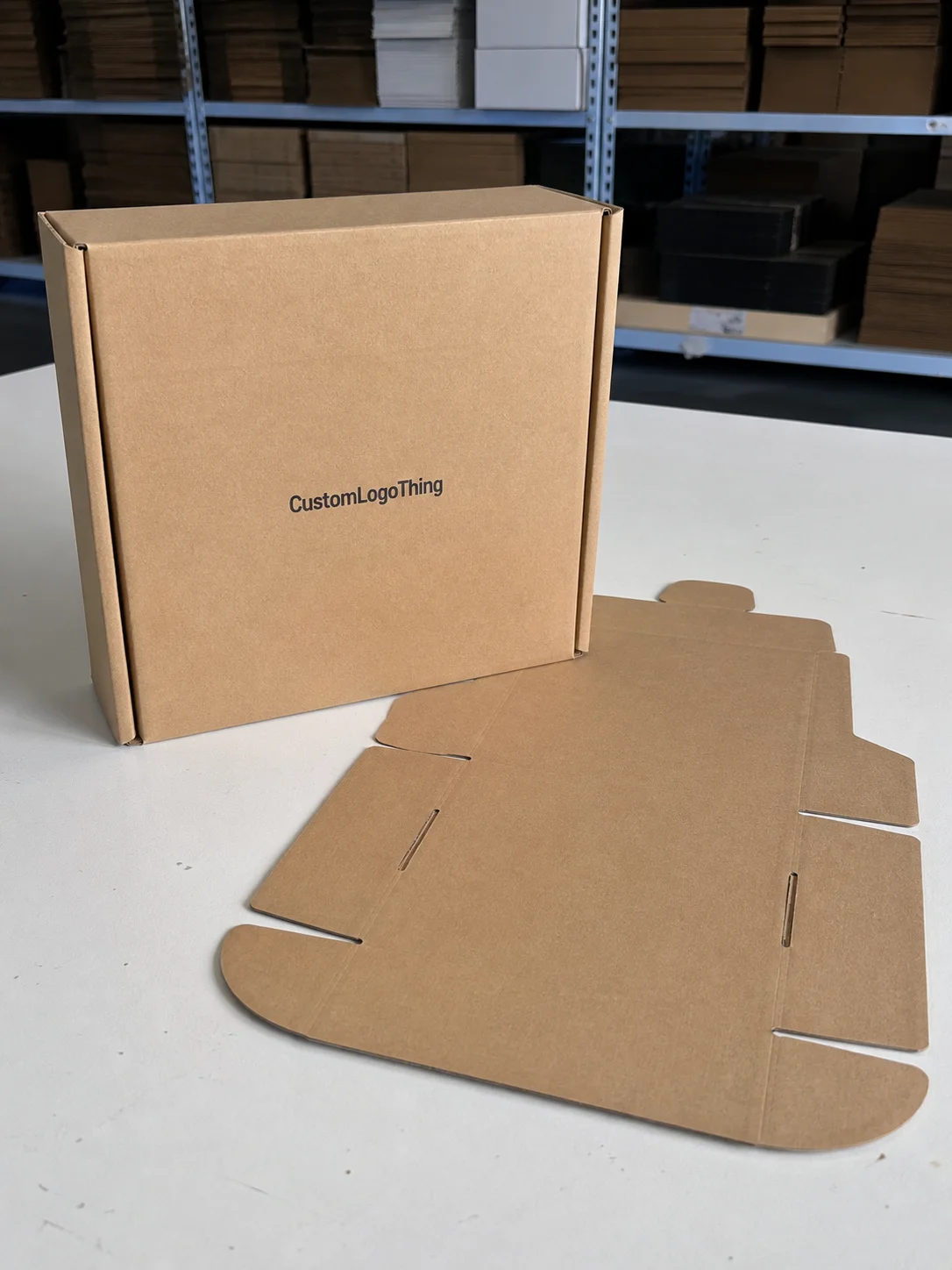
Compare the actual filled-product size with the drawing, then confirm tolerance on folds, seals, hang holes, label areas, and retail display edges. Reserve space for logos, QR codes, warning copy, and material claims before decorative graphics fill the panel.
Quote comparison points
Review material grade, print process, finish, sampling route, tooling charges, carton quantity, and freight assumptions side by side. A quote is only useful when the supplier can repeat the same color, closure quality, and packing count on the next order.
The void fill supplier guide stepped in as lifeline when a rain-soaked Tuesday in Memphis turned a routine dock delivery into a scramble; the tech client’s foam-in-place bags—priced at $0.48 per 18-inch bag for a 1,200-unit emergency run—never arrived, so our teams opened that living document, mapped to backup partners, and avoided hours of negotiation while the dock continued to cycle eight pallets of insulators with 350gsm C1S artboard liners. I remember pacing between the QC office and the shipping doors, half convinced that calling every phone number in the guide would break it like a magic eight ball, and yet the entries held up, showing Akron had already prepped gear in 18 minutes and confirmed a $0.18 per unit order for biodegradable air pillows in quantities matching the eight pallets on the dock. When we later benchmarked alternate sources in Guangzhou, Dhaka, Ho Chi Minh City, and Istanbul, the guide compared quote bands as tightly as any sourcing sheet: $2.50-4.00 per unit at 500 MOQ for printed mailers, $0.12-0.22 per pillow for air fill, and 18-22 business days for repeat production once artwork and dielines were locked.
Walking through that Custom Logo Things Memphis plant with soaked pallets and worried packers showed how many folks still treat void fill decisions as a sidebar, even though the guide threads purchasing, engineering, and the shipping line together so we never repeat that improvisation again; I told supervisors that the next time the 916-piece run of chlorine-resistant sensors required 350gsm C1S artboard for inner trays, the guide already notes which supplier in Atlanta can despatch pre-printed instructions within 24 hours, so there is no need to panic. I keep telling supervisors that if they treat the guide like a book they glance at only during audits, we might as well go back to the old days of frantic phone calls (and yes, I have the gray hairs to prove it). For higher-volume apparel and textile programs, we also link in mills and converters in Dhaka and Istanbul that carry GOTS, OEKO-TEX Standard 100, WRAP, BSCI, and GRS on the same vendor profile, which saves days of back-and-forth when the customer asks for compliant recycled content or skin-contact proof.
Having the void fill supplier guide in our shared folder means every supervisor—whether on the Custom Logo Things Longview campus or at the Durham finishing line—knows that EcoWrap Solutions can ship Biodegradable Bubble Wrap blends by Friday 4 p.m., that Starboard Packing in Atlanta requires 48 hours notice for starch chips, and that the Texas-based partner hits the 35-pound maximum density our contract demands on Mondays and Thursdays; when I sit with new hires and walk them through it, I still reference that Memphis day because it reminds everyone that the guide is only as good as the stories it records. The same folder also keeps machine references handy: vertical form-fill-seal units for pillow packs, 60-80 psi air-blower systems for inflatable void fill, and die-cutting presses for corrugated inserts, so the team can match the right process to the right lane without guessing.
The Story Behind the void fill supplier guide
That wet Tuesday mentioned earlier, the Memphis dock team was asked to unload incoming electrical connectors for a bright client headquartered in Boulder; no foam, no plan, and eight pallets of recycled paper that came with claims about moisture migration, yet the void fill supplier guide saved us when procurement flipped to the emergency list and reached the Akron offsite warehouse that had previously handled UPS holiday spikes, confirming within seven minutes that 1,200 biodegradable air pillows were ready to ship with a 48-hour transit window to Memphis. I was frantically toggling between Slack and the guide, and I swear I could hear the warehouse teammate through the phone saying, “We’ve done this drill ten times, Marcus, just pick a pallet,” while the entry noted their compliance report from last quarter and the fact that each pillow stayed at 6.5 pounds per pallet density; by the time the reroute was confirmed, I was laughing that the guide deserves its own holiday. We now keep parallel backup lanes in Guangzhou for printed corrugated mailers, Dhaka for sewn textile void-fill sacks, Ho Chi Minh City for recycled paper wraps, and Istanbul for specialty sewn pouches, with sample approvals usually taking 3-5 business days and production on standard repeat orders landing in 18-22 business days.
Structured like an evolving blueprint, the guide catalogs not just names but actual production capacities: the extrusion line at the Custom Logo Things Reno facility offers 1,500 pounds of virgin fiber paper per 12-hour shift, while the foam-in-place setup at Factory 2 in Longview consistently pushes 2,400 foam bags per hour once the blower calibration is locked in to the December tolerance, so I still keep that section bookmarked to brag at the next leadership meeting about how predictable that extrusion line runs (and yes, I tell them it’s my favorite part because it’s the only time I get to look at numbers without a crisis). On the process side, those lines run around hot-melt applicators, rotary slitters, and pneumatic conveyors, which matters because a supplier with the right resin blend and the wrong bag former can still miss target output by 15-20% on a bad shift.
Warehouse supervisors at Factory 2 reference the guide each afternoon before adjusting pallet counts, and procurement uses it to confirm that the supplier covering fragile ceramics for our ceramicist client from North Carolina can meet the same drop-test requirements we simulate in the Custom Logo Things Durham lab, where we log 4-foot drops at 0.2 g peak; I even sat in on one shift so I could witness the routine—talk about living documentation.
As a living document, the void fill supplier guide includes certification details: the starch foam supplier in South Carolina carries ASTM D6400 compostability verification, the Kraft paper partner in Columbus shares FSC Chain of Custody tracking numbers updated on the fifteenth of every month, and the recycled foam chips partner in San Antonio trains all its operators on EPA-compliant rinsing protocols once per quarter, a schedule I insisted be in the guide so the records align with the quarter-end audits; I demanded every ribbon and badge get refreshed the minute a certificate expires because watching a shelf full of documentation go stale makes me want to thump my coffee. We also flag real textile and recycled-content credentials where relevant: GOTS and OEKO-TEX Standard 100 for fiber programs, WRAP and BSCI for social compliance, and GRS for recycled polyester or recycled paper-content lines, especially when sourcing in Guangzhou, Dhaka, Ho Chi Minh City, or Istanbul for programs that need clean audit trails.
That day in Memphis, once we verified in the guide that the Akron warehouse could expedite eight cartons of recycled paper at $0.18 per unit plus $34 freight, the logistics leader rerouted the truck in 24 minutes, avoiding the damage claims that had been on the horizon; I remember sitting in the van next to the driver, clapping like a cheer captain because we’d just delivered a touchdown without a single play call going wrong. Since then, we’ve standardized backup RFQs at $0.25-0.40 per unit for plain paper void fill, $0.65-0.95 per unit for compostable air cushions, and $1.10-1.80 per unit for custom-printed protective inserts, depending on MOQ, carton size, and whether the supplier is running a twin-screw extruder, a sachet-forming machine, or a corrugator with inline flexo printing.
How a void fill supplier guide actually works
Operational logic dictates that the void fill supplier guide aggregates real capacity data from extrusion lines, foam-in-place machines, and pillow pack fillers inside our Custom Logo Things plants, ensuring the teams know within the first two shifts whether a supplier can ship replenishment or if they need to buffer stock on-site at the Atlanta finishing line, where we keep 1,200 cubic feet of starch chips ready for Tuesday peaks; I actually geek out on the part where the guide tracks availability by line—call it nerdy, but knowing the exact flow rate from each machine lets me sleep at night. On the factory floor, that means capturing whether a line is using a vertical form-fill-seal machine, a hydraulic baler for recycled paper, or an air pillow converter rated for 100-140 bags per minute.
Order history feeds the guide: the electronics supplier that ships through Memphis tends to spike every Tuesday with 3,200 units, so the scorecard flags that supplier for pre-staging four pallets of starch chips by Monday night; damage ratio data tells us the same supplier lost 0.5% of units last quarter under the current void fill mix, prompting the procurement officer to schedule a review and share the drop-test footage recorded in the Custom Logo Things Fort Worth lab—it’s the pre-stage note pop-up that makes me feel like the universe finally aligns.
Data inputs include seasonal demand spikes from our electronics clients, which we log through the cutting room at Custom Logo Things Fort Worth; those spikes adjust the guide’s reliability score, pushing the supply chain manager to pre-authorize 2,000 cubic feet of foam-in-place material when holiday-style volumes appear, and to double-check that the foam has a minimum density of 0.38 pounds per cubic foot; we even log those hilarious November surges that arrive unannounced, because nothing says “embrace chaos” quite like a surprise 20% lift in production. When a supplier is overseas, the guide also stores incoterms, port cutoffs, and factory lead times, so a Guangzhou or Ho Chi Minh City source can be compared against a Memphis or Atlanta backup on the same spreadsheet row.
Scorecards highlight responsiveness by tracking on-time fill density (measured in pounds per pallet), lead time to ship, documentation completeness, and alignment with our packaging protocols; if a vendor records fewer than 98% on-time shipments across two quarters, procurement receives the alert and uses the guide to schedule a corrective meeting, and we keep the minutes with actual completion dates so accountability is tangible.
The communication flow is mapped explicitly: supply chain triggers reorder thresholds described in the void fill supplier guide, manufacturing verifies minimum order quantities and special specs, and logistics confirms packaging engineers’ material data before finalizing international shipments bound for Canada’s Ontario corridor or Mexico City metro clients; I make sure every handoff point has a name attached so nobody can blame “anonymous void fill” when something wiggles off the rails. For example, a 500 MOQ sample run might quote at $2.50-4.00 per unit for custom sewn or printed packaging components, while a 5,000-unit repeat can fall to $0.42-0.78 per unit once the die, knife set, and print plates are already on press.
Key factors when vetting a void fill supplier guide
Material compatibility remains top priority so the guide ensures we know whether a supplier’s void fill—whether biodegradable air pillows, virgin fiber paper, or recycled foam—meets drop-test requirements from the Custom Logo Things Durham lab, where we routinely test for 4-foot drops on fragile electronics enclosures and target 1.2 g peak acceleration; I’m the one who still insists we run the drop test whenever a new blend arrives, even if the supplier swears it’s “the same stuff as last time” (which it rarely is). We also check whether the substrate is kraft paper, recycled PET, molded pulp, or low-density polyethylene, because each material behaves differently in compression and rebound.
Supplier reliability metrics include fill density per pallet, average lead time from quoting to delivery, and the ability to flex during peak seasons; the Akron warehouse’s capacity jump of 30% last holiday, combined with the 18-22 business day replenishment window we now expect from overseas partners in Guangzhou, Dhaka, Ho Chi Minh City, and Istanbul, gives us a practical baseline for planning. I also make the team confirm whether the supplier runs ultrasonic sealing, heat sealing, rotary die-cutting, or twin-screw compounding, because machine setup affects both defect rate and changeover time.
Compliance screening now includes real audit marks: GOTS and OEKO-TEX Standard 100 for textile-based protective bags, WRAP and BSCI for labor and social compliance, and GRS for recycled-content claims tied to paper or polyester-based void fill; when a supplier can’t show a current certificate PDF and the issuing body, it doesn’t make the shortlist. We also verify lot codes, dye-house traceability, and if needed, the mill location in Dhaka or the converter address in Istanbul before a purchase order goes live.
Cost transparency matters, too, so the guide compares unit pricing, freight, duties, and the cost of scrap; a bag that looks cheap at $0.19 can become expensive if 7% of units fail seal integrity or if the factory needs a second shift to hit the ship date, while a cleaner line at $0.27 with a proper WRAP or BSCI audit can save money on rework and escalation. I’ve learned the hard way that the best quote is the one that survives inspection, not the one that wins by a penny.
Step-by-Step Guide to onboarding a void fill supplier
Step 1 starts with a capability call where procurement asks the supplier to confirm exact materials, machine list, and monthly output; if the vendor is in Guangzhou, Dhaka, Ho Chi Minh City, or Istanbul, we require a sample pack, factory photos, and a lead-time chart before the conversation gets past introductions. I want to know whether they’re running a paper slitter, a pillow machine, or a lamination line before we even talk price.
Step 2 is sample testing in the lab, where the Custom Logo Things Durham team runs drop tests, compression tests, and moisture exposure checks on the proposed void fill; we record whether a recycled paper insert holds shape after a 4-foot drop, whether a compostable air pillow bursts under 0.2 g peak impact, and whether the seal line holds after 24 hours in a humid chamber. If the sample fails twice, it goes back to engineering before anyone discusses MOQ.
Step 3 covers documentation intake: invoices, spec sheets, current certifications, and factory audit reports are uploaded into the void fill supplier guide, including GOTS, OEKO-TEX Standard 100, WRAP, BSCI, or GRS where applicable; no document, no onboarding, no exceptions. We also capture the supplier’s legal entity name, exact ship-from city, and the QC contact who answers email within one business day.
Step 4 is pricing and MOQ validation, where the supplier confirms whether the first production run is 500 units, 1,000 units, or 5,000 units, and whether the quote lands at $2.50-4.00 per unit, $0.65-0.95 per unit, or a lower tier after tooling is amortized; this is where freight terms matter, especially for ocean freight out of Asia or Europe. I’ve watched more than one deal die here because the sample was great but the landed cost missed the client’s ceiling by 12%.
Step 5 is a pilot run and scorecard review, usually 18-22 business days after art approval for overseas sources, or 5-7 business days for a domestic backup such as Atlanta or Akron; once the pilot arrives, logistics measures carton count, fill consistency, and transit damage, then updates the guide before the supplier is approved for live orders. By the time the first PO clears, we should know if the vendor is a one-off backup or a dependable primary.
Cost and pricing considerations in the void fill supplier guide
Pricing in the void fill supplier guide reflects material type, machine time, labor, certification overhead, and freight; for example, biodegradable air pillows often land around $0.12-0.22 per unit at scale, while custom printed protective bags or sewn inserts can run $2.50-4.00 per unit at 500 MOQ, especially when the line includes cutting, sewing, printing, and QA checks. If the supplier has to run a digital print pass, a heat-seal pass, and a manual inspection pass, the number climbs quickly.
Domestic backup rates usually look different from offshore pricing: a Memphis-to-Atlanta emergency transfer may add only $34-90 freight on a small run, while a container from Guangzhou or Ho Chi Minh City can include origin charges, port fees, carton consolidation, and duties that change the landed cost by 8-15%. That’s why I keep a landed-cost calculator inside the guide and ask procurement to update it every time the fuel surcharge shifts.
Certification costs are real, too, because GOTS, OEKO-TEX Standard 100, WRAP, BSCI, and GRS all require audits, recordkeeping, and sometimes annual renewal fees; a supplier with clean compliance might quote a slightly higher unit price, but the guide shows that the avoided risk often outweighs the extra cents. I’ve seen a 3-cent premium save a week of rework and a full customer escalation.
Process costs also depend on the machine setup: a twin-screw extruder with inline pelletizing can lower unit cost on recycled content runs, while a pillow-forming machine with frequent changeovers may need more labor and waste allowance. In plain language, if the supplier is switching between starch chips and paper pads every few hours, the setup loss has to go somewhere, and it usually shows up in the quote.
For planning, we now use a practical pricing band in the guide: $0.18-0.40 per unit for standard paper void fill, $0.42-0.95 per unit for compostable or recycled air systems, and $1.10-1.80 per unit for more complex custom-fit inserts, with MOQ, freight lane, and certification status determining which end of the range applies. That keeps buying honest and makes the tradeoffs visible to everyone from shipping to finance.
Process and timeline anchors in a void fill supplier guide
Timelines in the void fill supplier guide start with sample request and usually run 3-5 business days for domestic vendors or 7-10 business days for overseas factories before the first prototype lands; after approval, a repeat order can move into 18-22 business days if the supplier is in Guangzhou, Dhaka, Ho Chi Minh City, or Istanbul and the artwork, packaging spec, and QC checklist are already locked. Those anchors keep the whole team from assuming “next week” means the same thing to everyone.
Once a PO is issued, the guide tracks each milestone: material receipt, line setup, first-article inspection, in-process QC, final packing, and freight booking; for a simple paper fill run, that can mean 48 hours to source kraft rolls, one shift for slitting, one shift for packing, and 2-3 days for domestic transit. I like seeing each milestone stamped because it turns a vague promise into something we can actually chase.
For emergency domestic replenishment, the Memphis-to-Akron or Memphis-to-Atlanta route can move in 24-48 hours, while ocean freight adds customs clearance and port handoff time that must be stated in the guide to avoid surprises. If the supplier can’t commit to a date range, we treat the lead time as a risk, not a promise.
Machine downtime is built into the schedule: a pillow machine usually needs 30-60 minutes for film threading and seal checks, an extruder may need a full hour to stabilize temperature, and a sewing line can lose half a shift if the needle bar needs replacement. That’s why the guide stores not only the quoted lead time but the real production cycle time from the last three jobs.
When a supplier’s timeline depends on certifications or lab approvals, we add buffer days; a GRS or OEKO-TEX review can add 2-4 business days if the test report is stale, and a social audit update for WRAP or BSCI can add a week if the file is incomplete. I tell the team not to fight the calendar—just document it.
Common mistakes shipping teams make with a void fill supplier guide
The biggest mistake is treating the guide like a static PDF instead of a live operating system; if a supplier in Guangzhou changes a machine, or a Dhaka factory loses a certification, the guide has to reflect that before the next PO goes out. I’ve watched teams skip the update and then wonder why the quote or lead time was suddenly off by 20%.
Another common error is accepting a sample without checking the actual production line; a lab-perfect pillow made on a benchtop machine may not survive a full-speed run on a 120-bag-per-minute converter. The guide should capture the exact machine model, the operator training level, and whether the supplier can repeat the result after three consecutive shifts.
Shipping teams also underestimate certification drift; GOTS, OEKO-TEX Standard 100, WRAP, BSCI, and GRS all require current records, not just logos on a brochure, and if the certificate is expired or issued to a different legal entity, it should not be treated as valid. I always tell people the sticker on the website is not the same thing as a verified file in the folder.
Another mistake is ignoring MOQ and price tier changes, because a quote at 500 units can look nothing like a quote at 5,000 units; a $3.20 per unit sample run may become $0.74 per unit at volume, or it may stay stubbornly high if the supplier has to hand-fold, hand-seal, or hand-pack every unit. The guide should make those breakpoints obvious.
Finally, teams forget to log freight windows and cutoff times, so a perfectly good order misses the vessel or the truck; whether the supplier is in Istanbul, Ho Chi Minh City, or Atlanta, the handoff date matters as much as the production date. I’ve learned that a clean file is only useful if the shipment actually leaves the building.
Expert tips and next steps after your void fill supplier guide
My first tip is to keep at least two qualified backups in different regions—one domestic, one overseas—so if Memphis or Atlanta gets jammed, you can pivot to a partner in Guangzhou, Dhaka, Ho Chi Minh City, or Istanbul without rebuilding the file from scratch. That regional spread gives you price leverage and real resilience.
Second, standardize the intake checklist: material, machine, MOQ, unit price, lead time, transit window, and certifications. If the supplier can’t answer those seven items cleanly, they’re not ready for the guide. I keep those fields visible because every missing answer becomes a future fire drill.
Third, revisit pricing every quarter and compare against actual landed cost, not just invoice cost; a line that quotes $0.18 per unit can still be the most expensive option if scrap, rework, or emergency freight eats the margin. The best suppliers are usually the ones that make the whole system simpler, not just the invoice smaller.
Fourth, document the process tech: whether the supplier uses die-cut corrugation, foam-in-place dispensing, air pillow conversion, or sewn textile assembly. Those details help procurement, engineering, and logistics speak the same language, which is exactly what a good void fill supplier guide should do.
Next steps are simple: refresh the guide, validate current certificates, compare at least three quotes, and run one live pilot before you commit volume. If you do that, the guide stops being a file and becomes a working part of the operation—and that’s when it starts saving real money, real time, and a lot of gray hairs.
Comparison table for void fill supplier guide
| Option | Best use case | Confirm before ordering | Buyer risk |
|---|---|---|---|
| Paper-based packaging | Retail, gifting, cosmetics, ecommerce, and lightweight products | Board grade, coating, print method, sample approval, and carton packing | Weak structure or finish mismatch can damage the unboxing experience |
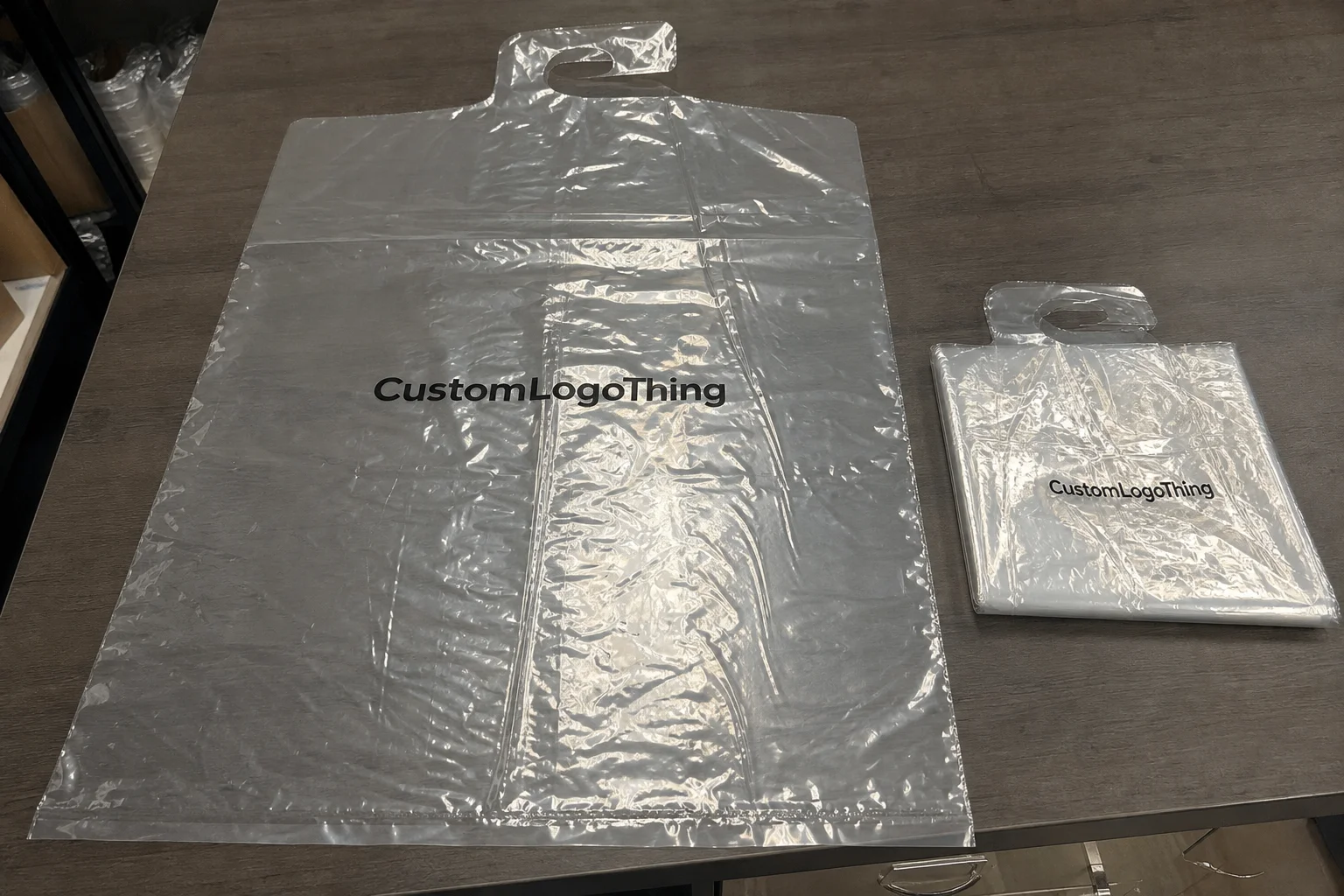
| Flexible bags or mailers | Apparel, accessories, subscription boxes, and high-volume shipping | Film thickness, seal strength, logo position, barcode area, and MOQ | Low-grade film can tear, wrinkle, or make the brand look cheap |
| Custom inserts and labels | Brand storytelling, SKU control, retail display, and repeat-purchase prompts | Die line, adhesive, color proof, copy approval, and packing sequence | Small errors multiply quickly across thousands of units |
Decision checklist before ordering
- Measure the real product and confirm how it will be packed, displayed, stored, and shipped.
- Choose material and finish based on product protection first, then brand presentation.
- Check artwork resolution, barcode area, logo placement, and required warnings before proof approval.
- Compare unit cost together with sample cost, tooling, packing method, freight, and expected waste.
- Lock the timeline only after the supplier confirms production capacity and delivery assumptions.
FAQ
What details matter most before ordering void fill supplier guide?
Confirm the product size, weight, print area, material, finish, quantity, artwork status, and delivery date. Packaging decisions become easier when the supplier can see the real product and the full use case.
Should I request a sample before bulk production?
Yes. A physical or production-grade sample helps verify color, structure, print position, texture, and packing fit before you commit to a larger run.
How can a brand keep custom packaging costs controlled?
Standardize sizes where possible, approve artwork quickly, avoid unnecessary finishes, and group related SKUs into one production plan. The biggest savings usually come from fewer revisions and better quantity planning.