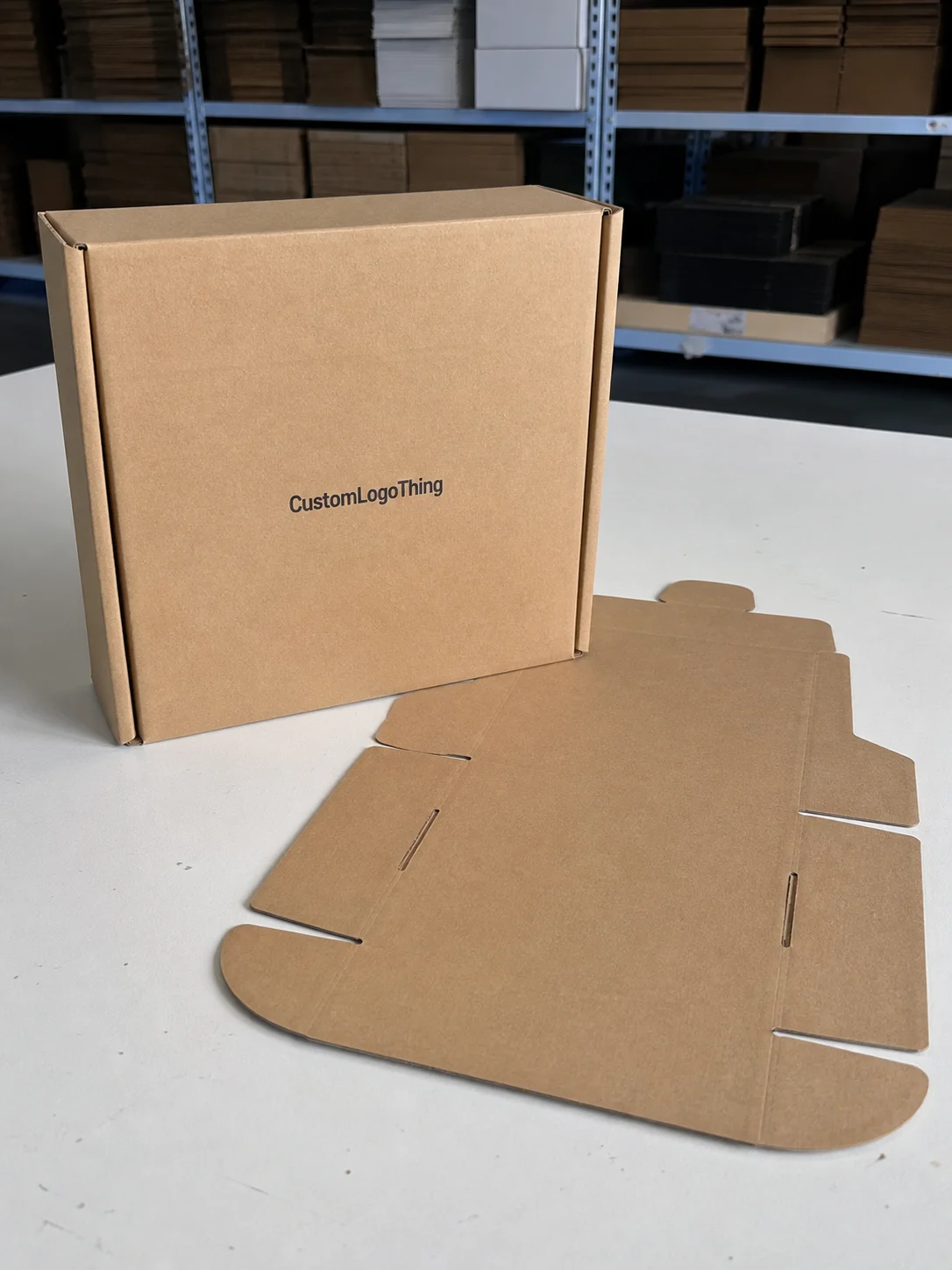
Buyer Fit Snapshot
| Best fit | Void Fill Supplier projects where brand print, material claims, artwork control, MOQ, and repeat-order consistency need to be specified before quoting. |
|---|---|
| Quote inputs | Share finished size, material target, print colors, finish, packing count, annual reorder estimate, ship-to region, and any compliance wording. |
| Proofing check | Approve dieline scale, logo placement, barcode or warning zones, color tolerance, closure strength, and carton packing before bulk production. |
| Main risk | Vague material claims, crowded artwork, missing packing details, or unclear freight terms can make a low unit price expensive after revisions. |
Fast answer: Void Fill Supplier: Production Review should be specified like a repeatable production item. The safest quote records material, print method, finish, artwork proof, packing count, and reorder notes in one written spec.
Production checks before approval
Compare the actual filled-product size with the drawing, then confirm tolerance on folds, seals, hang holes, label areas, and retail display edges. Reserve space for logos, QR codes, warning copy, and material claims before decorative graphics fill the panel.
Quote comparison points
Review material grade, print process, finish, sampling route, tooling charges, carton quantity, and freight assumptions side by side. A quote is only useful when the supplier can repeat the same color, closure quality, and packing count on the next order.
I once watched a brand’s parcel damage rate climb from 1.8% to 6.9% in just eight weeks after they changed carton sizes and kept the same fill method. That single packaging decision added roughly $74,000 in reships and credits across one quarter. A dependable void fill supplier guide isn’t extra paperwork; it’s operational insurance for margin, customer trust, and warehouse rhythm.
Plenty of teams pour budget into unboxing details—thick rigid mailers, spot UV logos, custom tissue—then treat void fill as an afterthought. During a client meeting in Chicago, the CMO proudly walked us through a premium carton program running at $1.42 per unit. Three weeks later, operations sent photos of shattered glass jars because the fill compacted during long-zone transit. The package looked premium. The product arrived broken.
A real void fill partner does far more than sell rolls or bags. Strong vendors bring material selection, equipment setup (from tabletop paper dispensers to automated air systems), line-side pack-out guidance, test support, replenishment planning, and post-launch tuning. A practical void fill supplier guide should help you evaluate a packaging system, not just a catalog item.
The impact shows up fast across six areas: damage reduction, labor minutes per order, cube utilization, parcel freight spend (especially DIM), support ticket volume, and sustainability reporting quality. I worked with a 3PL that cut damage claims by 41% while trimming pack time by 11 seconds per order after moving to segmented fill rules tied to SKU fragility class.
You’ll get that approach here. This void fill supplier guide explains how major options perform under real shipping stress, what belongs in supplier comparisons, how to model total landed cost, and how to roll out changes without choking daily output. If you sit in procurement, packaging engineering, or warehouse operations, this is written for the decisions you make every week.
Void Fill Supplier Guide: Why This Choice Impacts Every Shipment
Small-parcel damage rates are highly sensitive to pack method. Across audits I’ve run for apparel, nutraceutical, and home goods accounts, the gap between matched and mismatched void fill systems usually shifts outcomes by 2 to 5 percentage points. On paper that can look minor. At 100,000 shipments per month, it means 2,000 to 5,000 additional problem orders.
Most teams frame void fill as “empty space management.” The better frame is energy management. Drops, vibration, compression, and humidity change material behavior in different ways. A useful void fill supplier guide pushes one early question: which transport events are we designing for, and which product mix has to survive them?
At a fulfillment site outside Columbus, two lines packed nearly identical SKUs. Line A used crumpled kraft with controlled dunnage density. Line B used oversized air pillows because operators could load them faster. After 30 days, Line B showed 2.3x more cosmetic damage on ceramic parts caused by lateral movement. The financial hit went beyond returns—customer service added one full-time rep to absorb “arrived damaged” contacts.
A supplier worth partnering with should support five pillars:
- Material range: paper, air, molded pulp, inserts, and specialty options
- Equipment fit: manual vs automated stations, throughput-matched systems
- Testing support: ISTA-informed trial design and reporting
- Replenishment cadence: forecast-driven stocking and emergency backup
- Continuous improvement: usage analytics and SKU-rule optimization
Operationally, this choice touches almost every step after order release. Pack stations either flow or clog. Trailer utilization either tightens or drifts. Sustainability reports either show measurable source reduction or vague language. A good void fill supplier guide connects those dots before contract signature.
How Void Fill Systems Work in Real Fulfillment Environments
Practical detail matters here. Each void fill format fails in its own way, and each one fits certain shipment profiles.
Kraft paper
Kraft performs well for moderate-to-heavy items and mixed-SKU kits as long as density stays consistent. In one trial using 12"x10"x8" cartons with an average 2.7 lb order weight, paper reduced product shift by 34% against loose-fill alternatives. Watch line-side storage limits and roll-change downtime if replenishment planning is weak.
Air pillows
Air systems are fast, lightweight, and compact before inflation. They fit lightweight goods, apparel, and low-fragility categories. Dense items above 5 lb usually need added blocking or bracing. I’ve seen pillows fail under repeated compression in long-haul trailer stacks, especially once film gauge drops below 18 microns.
Foam-in-place
Foam gives high protection for irregular, fragile, or high-value products. Electronics with vulnerable corners are a common use case. Tradeoffs include training load, disposal concerns in some markets, and slower cycle times if process control gets sloppy.
Molded pulp and corrugated inserts
Repeatable SKU geometry is where these options shine. Presentation is clean, performance is predictable, and fiber-based goals are easier to communicate to retail buyers and end customers. Upfront tooling cost and lead time can be meaningful; quotes I’ve seen range from $2,800 to $9,500 depending on complexity and cavity count.
Biodegradable loose fill
Odd geometries and quick pack-out can make loose fill useful, but line mess and humidity variability are common headaches. Dissolution claims also vary by climate and disposal behavior. Verify by region instead of trusting brochure copy.
One clarification I repeat in procurement workshops: void fill is not identical to cushioning or blocking and bracing. There is overlap, but the functions are distinct. Void fill limits movement in open space. Cushioning absorbs impact energy. Blocking and bracing restrain heavy components from shifting. One material can handle more than one role, just not equally in every load profile.
Track four metrics from day one:
- Damage per thousand shipments (DPT): your cleanest quality signal
- Material per order: grams or feet used per carton
- Pack time per carton: labor and throughput indicator
- DIM effect: dimensional weight movement tied to fill strategy
The strongest version of a void fill supplier guide always includes shipment profiles. Heavy parts, fragile glass, electronics, apparel, kits, and subscription boxes need different instructions. One-size-fits-all usually means one-size-fails-some.
Void Fill Supplier Guide Criteria: What to Evaluate Before You Buy
Fair vendor comparison starts with a structured scorecard. For mid-volume eCommerce (50k–300k orders/month), I usually weight categories this way: performance 30%, service reliability 20%, total cost 20%, operational fit 15%, sustainability and compliance 15%. Adjust weights for your environment, but keep one scoring format across all suppliers.
Core supplier scorecard factors
- Product range: Do they offer alternatives for different fragility classes?
- Consistency: Lot-to-lot stability, film/paper spec tolerances, defect rates
- Lead-time reliability: On-time in-full performance (request 12-month history)
- Geographic coverage: Multi-node support for national shipping footprints
- Account support: Named technical contact, escalation pathway, response SLA
Testing rigor separates serious suppliers from polished sales decks. Request ISTA-aligned methods and raw result tables. International Safe Transit Association standards are available at ista.org. I usually ask for side-by-side drop sequences and vibration exposure with explicit fail definitions: cosmetic scuff, component crack, functional failure.
One supplier presented “zero damage” results from their lab. It looked flawless until we repeated testing with the client’s real SKU mix across three carrier zones. Damage appeared at 2.1% because their original setup used smaller cartons and lighter loads. Same material, different field reality.
Supply risk and continuity planning
Paper systems should be reviewed for pulp price exposure and regional mill concentration. Air systems need resin dependence and film availability checks. Ask vendors for:
- Primary and secondary manufacturing locations
- Backup SKUs that can run on the same equipment
- Safety stock commitments in your region (for example, 3 weeks)
- Documented contingency plans for transport disruptions
During a supplier negotiation in Dallas, I pushed for an emergency allocation clause after a winter event had already delayed inbound material by six days the previous year. The final agreement included a 48-hour emergency release from a secondary warehouse. That clause paid for itself within five months.
Sustainability claim verification
Evidence beats labels. “Recyclable” may only mean technically recyclable, not accepted in curbside systems where your customers live. “Compostable” often requires industrial facilities unavailable in many ZIP codes. Fiber-based claims should be checked through chain-of-custody frameworks, including references like fsc.org.
I ask for four sustainability data points at minimum:
- Post-consumer recycled content percentage
- End-of-life pathways by region
- Material usage per order targets
- Waste-to-landfill estimates from your operation
Service model and compliance readiness
Strong service usually includes on-site audits, quarterly optimization reviews, maintenance SLAs, and reorder automation tied to consumption trends. Weak service sounds like “call us if anything comes up.” The outcome difference is obvious once stockouts begin.
Compliance belongs in the same conversation: food-contact declarations where required, restricted-substance statements, and customer packaging standards common in retail and marketplace channels. A complete void fill supplier guide should require those documents before pilot approval, not after go-live.
Cost and Pricing Breakdown: Total Landed Cost, Not Just Unit Price
Unit price gets attention because it is easy to spot, not because it tells the full story. I’ve seen a material that looked $0.03 cheaper lose money once labor and damage were added back in. Use total landed cost as your decision baseline.
Common pricing structures include per roll (paper), per cubic foot filled, per bag or case (loose fill), machine lease, and bundled service contracts. In mid-volume operations, typical ranges often look like this:
- Kraft paper: $0.015–$0.045 per cubic foot equivalent
- Air pillows: $0.010–$0.035 per cubic foot equivalent
- Foam systems: $0.060–$0.180 per pack event
Hidden costs can invert rankings quickly:
- Storage space cost per pallet position
- Machine downtime and technician wait time
- Operator training and error rates during ramp-up
- Disposal fees and backhaul handling
- Damage-related reverse logistics
Freight math is where margin is often won or lost. If fill strategy pushes cartons from 14"x10"x8" to 16"x12"x10", DIM charges can jump even with flat product weight. At one apparel client, rightsizing plus lower-volume paper reduced billed weight by 0.6 lb per parcel, saving roughly $0.42 per shipment across 280,000 annual orders.
| Option | Sample Material Cost | Pack Time Impact | DPT Outcome (Pilot) | Notes |
|---|---|---|---|---|
| Kraft Paper (70 gsm) | $0.18/order at 5,000 weekly orders | +4 sec/order | 9.5 DPT | Better blocking for 3–8 lb SKUs |
| Air Pillow (20 micron film) | $0.12/order at 5,000 weekly orders | -3 sec/order | 14.8 DPT | Best for lightweight, low-fragility |
| Hybrid Rule Set | $0.15/order blended | +1 sec/order | 8.7 DPT | Segmented by SKU class |
A simple model I use with clients:
TCO = material + labor + freight + damage + waste handling + equipment/service
Run three scenarios at minimum: conservative, expected, and stress case. Then negotiate from data, not preference. Useful levers include forecast commitments, regional stock agreements, multi-site standardization, and performance rebates tied to DPT or uptime.
One honest caveat from the field: early pilot numbers can overstate savings if supervisors are standing at the line all day coaching pack behavior. That intensity drops after launch. Build your ROI model with a normalization factor for week-6 behavior so you don’t promise savings you can’t hold.
Step-by-Step Process and Timeline to Select and Onboard a Supplier
This sequence works for most shippers and keeps teams aligned from audit through rollout.
Step 1: Audit the current state (Week 1–2)
Pull 90 days of data: SKU list, breakage by reason code, carton assortment, average order profile, current material usage, labor minutes, and claims cost. One client discovered that 62% of damage came from only 14 SKUs. That insight reshaped the entire pilot design.
Step 2: Define technical requirements and success metrics (Week 2)
Set thresholds before outreach begins. Example targets: DPT below 10, pack time no more than +2 seconds, material usage down 12%, and curbside-compatible outcome for at least 70% of shipments. Vague metrics create political decisions and weak accountability.
Step 3: Shortlist suppliers and issue a structured RFQ/RFP (Week 3–4)
Give every vendor the same template. Request specification sheets, lead times by lane, fill-rate history, equipment terms, maintenance response SLA, backup SKUs, and references in similar volume bands. A standardized void fill supplier guide questionnaire makes proposal scoring cleaner and, frankly, less emotional.
Step 4: Run controlled trials at one line or one site (Week 5–7)
Keep scope tight: same SKU set, same carton options, same shift where possible. Measure pack speed, fill consumption, and DPT across at least two transit zones. In a Phoenix trial, we ran 6,400 parcels over 19 business days to isolate signal from noise.
Step 5: Validate commercial and risk terms (Week 8)
Finalize price tiers, surcharge language, service credits, uptime expectations, escalation contacts, and continuity clauses. I prefer named contacts with phone and email in the contract appendix. “Support team” is not a person you can hold accountable.
Step 6: Roll out with training and controls (Week 9–11)
Train operators by station type. Post visual SOPs with photo examples of fill density and placement. Set reorder triggers from consumption velocity instead of static minimums. Daily checks in month one should catch usage drift and machine issues before they spread.
Step 7: Review and optimize (Week 12 onward)
Hold 30-day and 90-day reviews with procurement, packaging engineering, and warehouse ops. Reclassify SKUs as damage patterns shift. Update rules by fragility tier and weight band. Most long-term gains show up during this tuning cycle.
“We thought supplier selection ended at contract signature. The real savings started in month three once we adjusted fill rules by SKU family.” — Operations Director, regional home goods brand
Example end-to-end timeline:
- Day 1–10: Data audit + pain-point mapping
- Day 11–20: Requirement definition + RFP release
- Day 21–40: Supplier Q&A + proposal scoring
- Day 41–60: Pilot execution + transit validation
- Day 61–75: Negotiation + contract finalization
- Day 76–90: Training + phased rollout
Networks with multiple facilities usually need another two to four weeks for sequencing and local change management. A disciplined void fill supplier guide process prevents the classic pattern of “pilot success, rollout chaos.”
Common Mistakes Buyers Make When Following a Void Fill Supplier Guide
The first mistake is buying on lowest unit cost alone. It’s the most common procurement trap I see in packaging. A $0.02 saving disappears fast if DPT rises by even 0.7 points.
Skipping pilot validation is the second. Vendor sample packs are useful for a first pass, not final selection. Field conditions—real lanes, seasonal humidity, and handling variability—change outcomes more than most teams expect.
A third mistake is forcing one material across every product class. Heavy, fragile, and lightweight apparel orders should not share identical pack logic. Segmenting by fragility tier (F1 low-risk, F2 moderate, F3 high-risk) usually improves protection and cost at the same time.
Floor-space and replenishment constraints are often underestimated. At a New Jersey site I visited, line-side stockouts hit every Tuesday afternoon because paper rolls were staged two zones away and replenishment relied on radio calls. Pack speed dropped 18% during those windows.
Vague sustainability language creates the fifth problem. Require disposal-path clarity by customer geography. If most shipments go to areas without industrial composting, compostable claims may not reflect real outcomes.
Team misalignment is next: procurement optimizing unit cost, ops chasing throughput, engineering chasing protection, customer service handling complaints. Shared KPI ownership is the fix. I recommend one dashboard with DPT, pack time, material per order, and freight impact.
Weak contract protection rounds out the list. Include clauses for lead-time misses, service delays, and material quality drift. If film gauge or paper performance changes, the contract should define remediation and credits. A complete void fill supplier guide includes legal guardrails, not only technical preferences.
Action Plan: Your Next 30 Days with This Void Fill Supplier Guide
Momentum comes from a focused 30-day sprint, not a months-long planning loop.
Days 1–7: Gather baseline data
- Pull 90-day damage claims by SKU and reason code
- Measure current material usage per order at two representative stations
- Map pack workflows: carton pick, fill method, seal, scan, outbound handoff
- Identify top 20 SKUs by damage cost, not just damage count
Days 8–14: Build your supplier outreach pack
Use a clear discovery-call script:
“We ship 42,000 orders/month, 3.4 lb average weight, 7 carton sizes, and current DPT is 13.2. We need DPT under 9.5 without adding more than 2 seconds to pack time. Can you support a 30-day pilot with weekly data reviews and a backup supply plan?”
Must-ask questions:
- What are your standard lead times by our shipping region?
- What fill-rate performance have you maintained over 12 months?
- What testing method do you use for validation, and can it mirror our lanes?
- What are equipment maintenance SLAs and after-hours response times?
- Which backup SKU can run on the same station if primary stock is delayed?
Days 15–22: Run a side-by-side trial matrix
Set pass/fail thresholds before the first carton is packed. Example: pass with at least 20% DPT improvement, pack-time increase below 2 seconds, and material-cost increase under $0.03 per order unless freight savings offset the difference. This is where the void fill supplier guide becomes a decision tool, not a static file.
Days 23–30: Decide and launch immediate wins
- Reduce overfill on low-risk SKUs with tighter pack instructions
- Standardize carton rightsizing rules for top-volume order profiles
- Retrain the two highest-volume pack stations first
- Set reorder triggers tied to daily consumption velocity
- Assign owners: procurement (commercial), ops (execution), engineering (validation)
Go/no-go framework:
- Operational fit: Can stations run at target throughput?
- Verified protection: Do pilot results beat baseline DPT?
- Service reliability: Are lead times and support commitments credible?
- Total cost: Does TCO improve in expected and stress scenarios?
After years on factory floors, in DCs, and in supplier negotiations that ran way too long, my advice is simple: move quickly, but with discipline. Document your baseline, test against real lanes, and demand measurable outcomes. If you follow this void fill supplier guide step by step, you’re gonna make better calls—lower damage, steadier throughput, tighter freight control—and you can do it without destabilizing operations.
Actionable takeaway: by the end of this week, appoint one owner from procurement, one from ops, and one from packaging engineering, then lock a 30-day pilot calendar with numeric pass/fail thresholds (DPT, pack time, and TCO). If those numbers are written down before supplier demos start, your final decision will be faster, clearer, and a lot more defensible.
FAQs
How do I use a void fill supplier guide to compare vendors fairly?
Use one standardized scorecard for every supplier so proposals are measured against the same criteria. Compare total cost of ownership, not only unit material price. Require pilot results using your own SKUs, carton mix, and transit lanes. Include service reliability scores based on lead-time performance, fill rates, and technical response times.
What is the best void fill supplier option for fragile products?
No single option wins every fragile application. Match material behavior to fragility, weight, and geometry. Run drop and vibration testing, monitor damage-per-thousand shipments, and create segment-based packaging rules rather than one fill type for all orders.
How much should I budget when following a void fill supplier guide?
Start with baseline spend across material, labor, freight, and damage claims. Build low-, mid-, and high-volume scenarios that include DIM sensitivity and return-rate movement. Reserve budget for pilot testing, operator training, and possible equipment adjustments. If your operation is seasonal, add a peak-volume stress scenario too.
How long does void fill supplier onboarding usually take?
The normal flow includes audit, shortlist, trial, negotiation, and rollout. Many single-site programs can move in about 8–12 weeks. Multi-site networks typically take longer because sequencing and training are more complex. Milestone gates with named owners help prevent handoff delays.
Can a void fill supplier guide help improve sustainability outcomes?
Yes—if claims are validated against actual disposal pathways in customer geographies. Track material usage per order, tighten rightsizing, and reduce waste at source. Sustainability goals should be balanced with protection performance so damage-related replacements and reships don’t erase the gains.
Related packaging resources
Use these related guides to compare specs, costs, quality checks, and buyer decisions before making the final call.