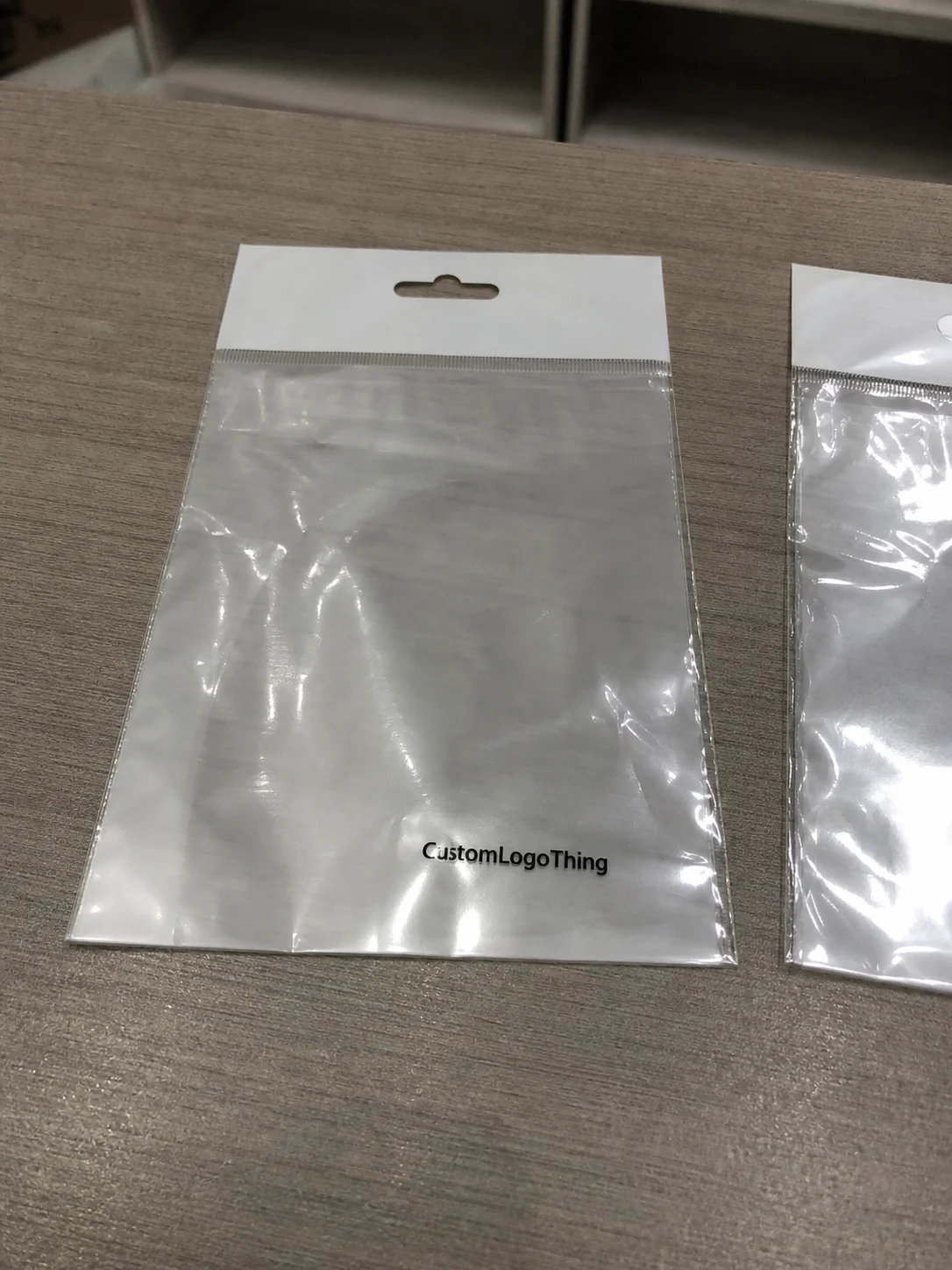
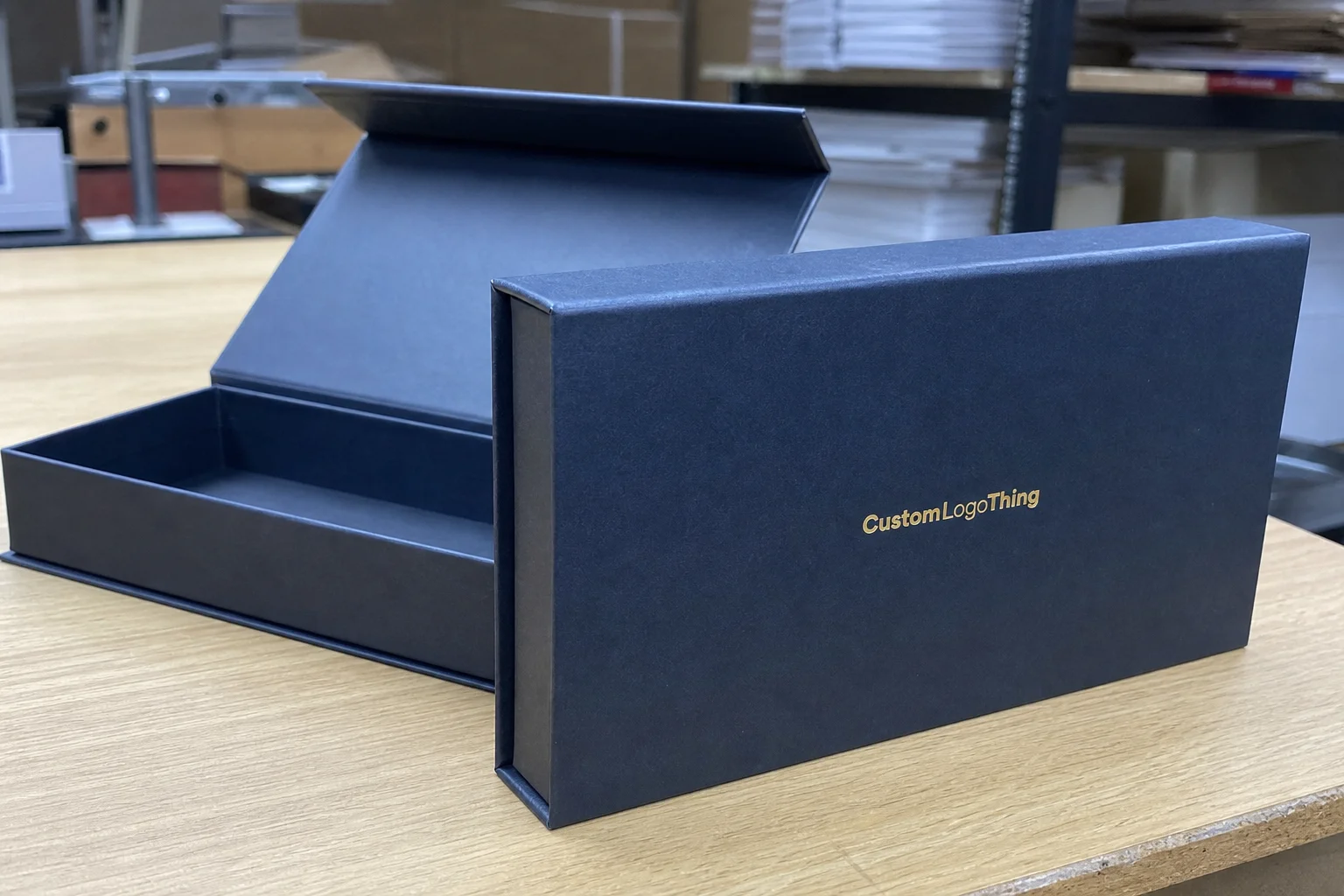
If you are comparing Waterproof Apparel Mailers Unit Cost for Soap makers, the real question is how to protect the shipment without overpaying for packaging that adds little value. Soap is compact, but it still faces moisture, scuffing, and handling damage. A plain mailer can seem adequate at pack-out and still arrive with soft seams, worn print, or a damp outer finish.
That is why the lowest usable cost matters more than the lowest quoted price. A mailer that saves a few cents but leads to damage claims, replacements, or a poor first impression usually costs more in the end.
For soap brands, Waterproof Apparel Mailers are most useful when the outer package is part of the product experience. Gift sets, subscription bundles, sample packs, and boxed bars all benefit from a cleaner, more moisture-resistant shipment.
Why soap makers need waterproof mailers instead of “good enough” packaging
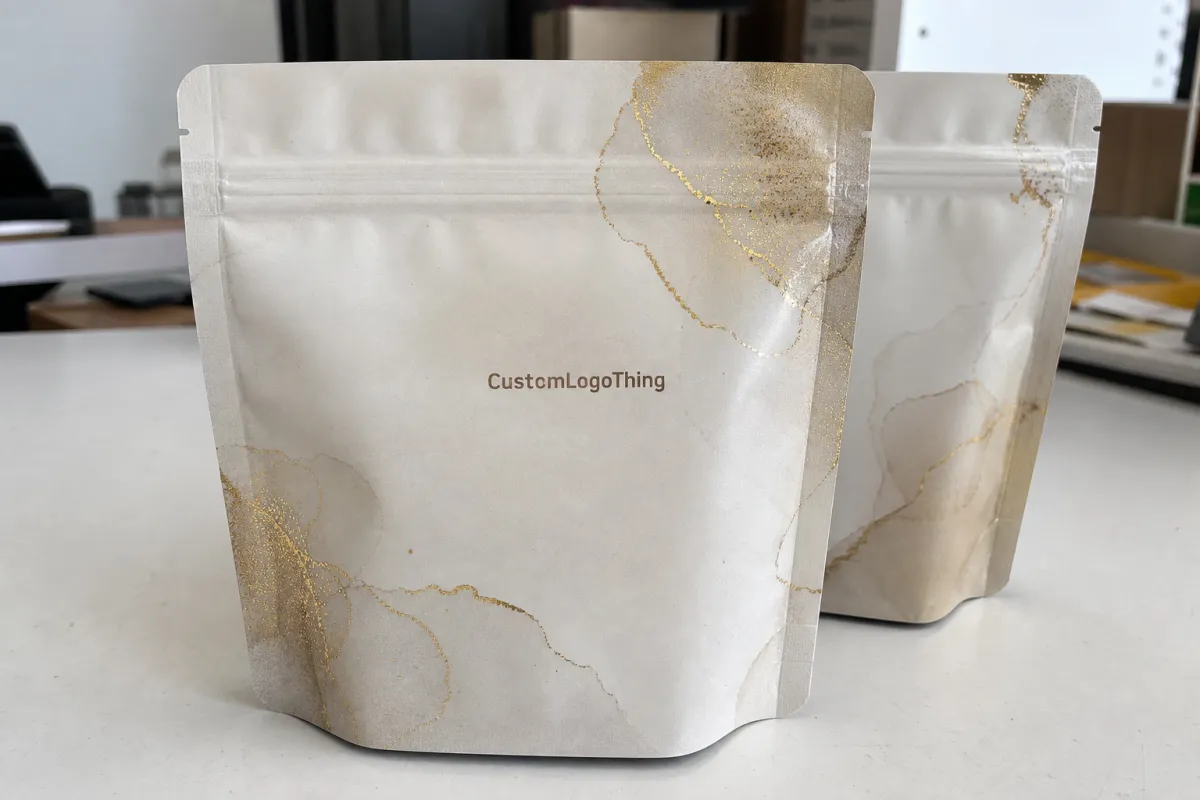
Soap shipments run into predictable problems. Fragrance oils can transfer to outer packaging. Some bars sweat in humid storage. Printed labels scuff against corrugate or other parcels. If fulfillment happens in a space that is even mildly damp, ordinary mailers lose their clean look fast.
Waterproof apparel mailers make sense when the order contains one or more of the following: a single bar in a retail carton, multiple bars bundled together, a gift set with inserts, or a lightweight accessory add-on such as a washcloth or card. They are also useful for direct-to-consumer brands whose package has to survive porch exposure and transit handling.
The practical benefits are straightforward:
- Less moisture exposure during transit and final delivery
- Reduced scuffing on printed outer packaging
- Cleaner presentation for premium and gift-focused soap lines
- Fewer customer complaints tied to soggy or damaged mailers
There is a limit, though. Not every soap brand needs a heavy, highly branded mailer. If the product already ships in a rigid carton and the shipment stays dry, a lighter waterproof option may be enough. Overbuilding packaging can be just as inefficient as underbuilding it.
Buy for the shipment you actually send, not the shipment you wish you had.
Material and print options that affect waterproof mailer performance
Waterproof mailers are not interchangeable. Construction affects water resistance, puncture resistance, print quality, and unit cost. For soap makers, common materials include PE film, co-extruded film, and laminate-style constructions. PE is usually the lowest-cost starting point. Co-extruded film typically handles rougher transit better. Laminate-style mailers can look more refined and hold up well, but they usually add cost.
Thickness matters more than many first-time buyers expect. Suppliers may quote microns or mils, and the number alone does not tell the whole story. A thin film can work for low-weight orders, especially if the soap is already boxed. Once you add tissue, inserts, or a rigid inner carton, a heavier gauge starts to make more sense.
Closure design is another practical variable. A self-seal adhesive strip is standard and fine for most soap orders. Tamper-evident closures are worth considering if the shipment is retail-facing or higher value. Reinforced seams matter when fulfillment moves quickly and bags are handled hard. Cheap packaging usually fails at the corners first.
Print choices affect both budget and shelf appeal. A one-color logo in a small print area is usually the lowest-cost custom route. Full-coverage print, special finishes, and multiple colors push unit cost up. Matte finishes tend to hide scuffs better. Gloss can look sharp in photos, but fingerprints and micro-scratches show faster.
Odor neutrality is worth checking as well. Soap often carries a distinct scent profile, and a mailer that holds odors or releases a strong plastic smell can interfere with it. Ask whether the material is suitable for fragrance-heavy products.
For broader packaging comparisons, you can also review Custom Poly Mailers and other Custom Packaging Products if you are deciding whether a waterproof apparel-style mailer is the best outer format for your soap line.
Specifications soap makers should check before ordering
Size gets most of the attention, and it should. But size alone does not tell you whether the mailer will work. A usable quote depends on the full spec sheet. For Waterproof Apparel Mailers Unit Cost for soap makers, the most useful details are dimensions, interior capacity, material thickness, seam construction, adhesive strength, opacity, and water resistance.
Start with the packed product, not the bar alone. A single wrapped bar may fit in a compact bag. A three-pack with tissue, a card, and a box needs more room. Add a rigid insert and the dimensions change again. If the bag is too tight, seam stress rises and the package loses its clean finish. If it is too large, you pay for dead space in both material and freight.
Here is the checklist worth using before placing an order:
- Dimensions and true usable interior space
- Film type and thickness
- Closure adhesive and seal strength
- Seam strength at corners and edges
- Opacity if product privacy matters
- Water resistance against splash and humidity
- Color consistency across batches and reorders
- Odor neutrality for fragrance-sensitive products
Artwork details deserve the same attention. Ask for the dieline, bleed area, minimum line thickness, and preferred file format before you send graphics. A clean vector file usually saves time. Raster artwork with fuzzy edges can create proof delays or print defects that only show up after the order lands.
For sustainability claims, ask for documentation instead of assuming the language on the quote is enough. Recycled content, certified sourcing, and disposal guidance are not interchangeable. If your packaging claims need to align with a standard, ask for the papers that support it. For general transit and packaging guidance, ISTA resources can help frame expectations around shipping performance, especially for higher-value or delicate soap sets. The EPA recycling resources are also useful when you are checking disposal and material claims.
| Mailer type | Protection level | Branding impact | Typical use | Relative unit cost |
|---|---|---|---|---|
| Basic PE waterproof mailer | Light splash resistance | Low to moderate | Single bars, low-risk shipping | Lowest |
| Co-extruded film mailer | Better puncture and moisture resistance | Moderate | Multi-bar orders, bundles | Mid-range |
| Laminate-style custom mailer | Strong water and scuff protection | High | Gift sets, premium subscriptions | Highest |
Waterproof apparel mailers unit cost, pricing tiers, and MOQ
Cost is the part everyone asks about first, then realizes it only makes sense after the spec is locked. Waterproof apparel mailers unit cost for soap makers can swing widely depending on size, film thickness, print coverage, MOQ, and freight. There is no universal price, and anyone who quotes one without asking questions is guessing.
Stock waterproof mailers are usually the cheapest option because there are no custom plates, no branding setup, and no artwork approvals beyond basic sizing. Once you add a logo, a custom print area, or special finishing, the unit cost rises. The smaller the order, the more those fixed costs are spread across each piece.
Typical buying tiers look like this:
- Stock mailers: lowest unit cost, fastest procurement, minimal brand control
- Light branding: small logo or one-color print, moderate pricing
- Fully custom runs: strongest presentation, highest upfront cost, best long-run consistency
For practical budgeting, these ranges are realistic for soap brands using custom waterproof apparel-style mailers:
| Order volume | Simple print | Heavier film / better finish | Notes |
|---|---|---|---|
| 500-1,000 pieces | $0.35-$0.75 per unit | $0.60-$1.10 per unit | Setup charges have a strong effect here |
| 2,000-5,000 pieces | $0.22-$0.45 per unit | $0.38-$0.72 per unit | Price breaks start to improve noticeably |
| 10,000+ pieces | $0.14-$0.28 per unit | $0.25-$0.48 per unit | Bulk pricing usually improves sharply |
Those ranges are broad because small changes in the spec can move the number a lot. Larger bags use more film. Thicker construction costs more. Two-color print is not the same as a full-coverage design. Add tooling fees, plate fees, or setup charges and a low-MOQ order can look expensive very quickly.
MOQ shapes the economics in a very direct way. Lower minimums help you test a new scent line, launch a seasonal bundle, or trial a premium shipping format without filling a warehouse corner with packaging. Higher minimums usually improve price per unit and give better color consistency. If your reorder schedule is steady, a larger MOQ can reduce long-term spend. If sales vary by season, it can lock up cash in inventory that sits too long.
A serious quote should list dimensions, quantity, number of print colors, finish, closure style, and shipping destination. If a supplier gives you a price with none of that in hand, they are either estimating loosely or leaving room for adjustments later.
Process and turnaround: how the order moves from quote to delivery
The order flow is straightforward, but one missing detail can slow the whole job. A clean process starts with a quote request, then spec confirmation, artwork review, sample approval, production, packing, and freight booking. If a step is skipped, the delay usually shows up later as corrected artwork, a re-proof, or a sample that does not fit the actual product.
What speeds things up?
- Confirm final dimensions before you ask for pricing.
- Send print-ready artwork, not a screenshot or social media graphic.
- Choose one approver for proofs. Multiple decision-makers slow everything down.
- Decide early whether you need a physical sample, a photo proof, or both.
Stock mailers move faster because they skip custom setup. Printed custom runs take longer because the supplier has to prepare the file, confirm color, set up the press or print line, and then run production. Freight sits on top of that timeline. Domestic shipping may be quick after production, while international orders need extra time for transit and customs clearance.
Approval checkpoints are worth the extra hour. Dieline confirmation keeps graphics from landing in the wrong place. Color proof review protects brand accuracy. Sample sign-off catches fit problems before a full run is committed.
For premium soap lines or seasonal subscription programs, the lead time question matters more than buyers sometimes admit. A low unit cost is not helpful if the order arrives after the launch window closes.
How to choose a supplier that keeps unit cost low without cutting corners
Price matters, but choosing on price alone is usually a false economy. A supplier can shave a few cents off the unit price and still cost more overall if the bags arrive with weak seams, poor registration, or an adhesive strip that fails in transit. The real goal is to lower waterproof apparel mailers unit cost for soap makers without sacrificing the film quality or print consistency that keep shipments presentable.
Compare quotes on the full structure, not just the final number. Ask what film grade is being used, how print consistency is checked, what the expected adhesive performance is, and what inspection standards apply before shipment. If the supplier cannot explain the difference between a budget film and a better-performing option, that is a warning sign.
Transparent quoting is one of the best filters. The quote should separate product cost, tooling fees, printing setup, and freight. That makes it much easier to see which costs are fixed and which ones move with volume. It also lets you compare two suppliers without mixing material upgrades into the base price.
Sample availability matters more than some buyers expect. A low quote is not really low if the bag arrives with off-color print, weak corners, or a closure that lifts open after packing. Ask for a photo proof or a physical sample before approving a full run, especially if your soap line is premium, gift-focused, or sold through retail channels where the outer package is part of the merchandising standard.
Useful supplier support usually includes:
- Sizing guidance based on your actual pack-out
- Artwork support so the print lands where it should
- Material recommendations tied to order weight and transit stress
- Repeat-order consistency so reorders match the first run
That last point is easy to overlook. If you reorder monthly or quarterly, consistency saves more than the initial savings from a bargain supplier. Rechecking dimensions, color, and seal performance on every restock eats time and raises the risk of variation. A slightly better mailer that stays consistent is usually the cheaper choice over a year of reorders.
Next steps to get the right quote for your soap packaging
To get a meaningful quote for waterproof apparel mailers unit cost for soap makers, have the basics ready before you ask: bag size, quantity, logo file, print color preference, finish, and whether you need full waterproof protection or only splash resistance. That is enough for a supplier to price the job with less guesswork.
Then ask for two or three scenarios: your likely MOQ, a lower test quantity, and a higher-volume tier. That comparison shows the real breakpoints in price per piece and reveals whether a larger order actually pays back the storage and cash-flow cost. It also shows how much the setup charge is distorting the small-run price.
If your soap line is premium or seasonal, review a proof before production starts. The difference between a decent mailer and a good one is usually visible at the proof stage. After production, the only choices left are acceptance or reprint.
The cleanest sequence is simple: choose the right spec, confirm pricing at your target quantity, approve the sample, then move into production. That keeps unit cost honest and reduces the odds of a bad fit or a disappointing finish. If you are comparing formats, Custom Logo Things can help you evaluate the right bag size, the right MOQ, and the tradeoff between price and protection.
FAQ
What is the typical waterproof apparel mailers unit cost for soap makers?
Unit cost depends on size, thickness, print method, and order volume. Smaller runs usually cost more per mailer, while larger quantities lower the unit price. Ask for quotes at multiple quantities so you can see the actual break points instead of guessing from one number.
Are waterproof apparel mailers better than regular poly mailers for soap shipments?
Yes, when the shipment needs better resistance to moisture, spills, and transit wear. They protect presentation better for boxed bars, bundles, and subscription orders. Regular mailers can work for simple, dry, low-risk shipments, but they are weaker on protection and appearance.
What MOQ should a soap brand expect for custom waterproof mailers?
MOQ varies by supplier and print complexity. Lower MOQs are often available, but unit cost usually rises as the order gets smaller. If you reorder often, a higher MOQ can reduce price per piece and improve batch consistency.
Which size mailer works best for soap makers shipping multiple bars?
Choose the size based on the final packed set, not the bar alone. Leave room for inner boxes, tissue, inserts, or void fill if needed. A supplier should help match the bag to your actual pack-out dimensions.
How long does production usually take after approval?
Stock options move faster than custom printed runs. Custom orders add time for proofing, setup, and printing, and freight time is separate. Plan for production plus delivery before a launch or restock date.