Why farmers market sellers need waterproof mailers that actually hold up
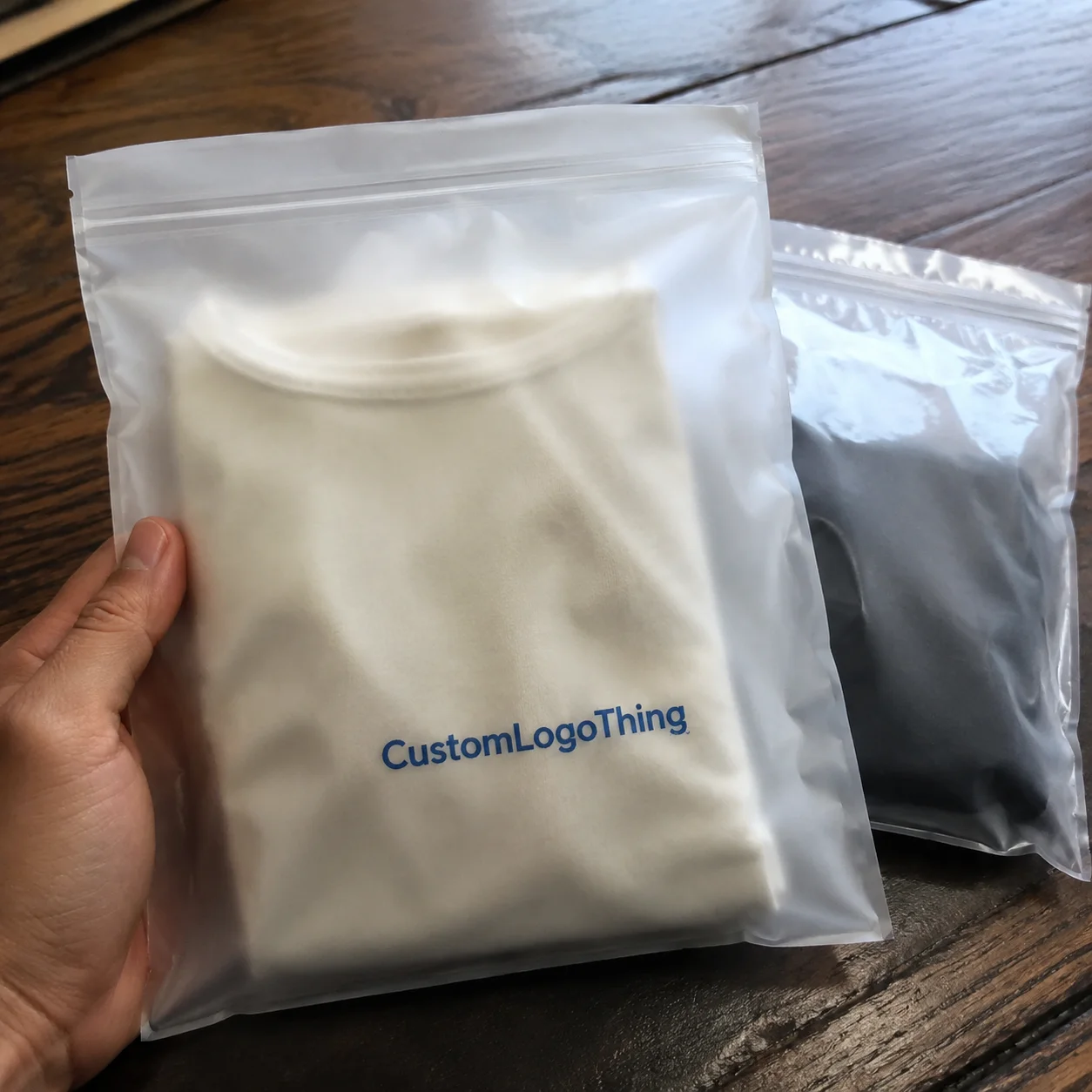
If you sell apparel at weekend markets, the Waterproof Apparel Mailers MOQ guide for farmers market sellers solves a real operational problem, not a packaging theory problem. Rain, damp tables, condensation in coolers, sweaty reusable totes, and customers carrying purchases across a parking lot all punish weak packaging. A thin poly mailer can look acceptable on a quote sheet and still fail the second it gets pinched, splashed, or set down on a wet booth surface. That is not a minor annoyance. It turns into damaged product, awkward replacements, and a booth that looks less organized than it should.
Farmers market apparel sellers usually need protection and speed at the same time. You want something that keeps folded tees, hoodies, baby clothes, or bundled sets dry, but you also need packaging that can be packed quickly while people are still waiting to pay. A proper waterproof mailer gives you a cleaner presentation than a grocery bag, while staying lighter and cheaper than a carton. That matters when storage behind the table is limited and every extra inch of packaging eats space.
The buyers who get this wrong usually over-focus on appearance and under-focus on handling. A pretty bag that scuffs easily or opens when wet is a poor trade. What market sellers need is packaging that behaves predictably: the seal sticks, the film resists puncture, and the printed logo still looks clean after a long day of being picked up, stacked, and moved around.
MOQ is part of the same decision. If you order too many, cash gets tied up in packaging that may not match future sizes or artwork. If you order too few, you lose the better price breaks and risk running out during peak market season. That is why the Waterproof Apparel Mailers MOQ guide for farmers market sellers starts with realistic planning, not just a product search. If you are comparing options from Custom Packaging Products or any other supplier, ask for a quote that ties quantity, size, and print method together instead of treating them as separate decisions.
“A mailer that survives drizzle and still looks clean at checkout does more for your brand than a fancy label ever will.”
That is the core idea: moisture protection, fast handling, and a packaging cost that still leaves margin in the business.
Material choices and print options for apparel mailers
Waterproof mailers are not all the same, even when they are marketed the same way. Some are truly moisture resistant enough for market use, while others are only good for dry storage and short transit. For apparel, the most common materials are LDPE, co-extruded poly, and recycled poly blends. LDPE is flexible and widely available. Co-extruded film usually gives better puncture resistance and a stronger barrier, which is helpful if the package is getting handled often. Recycled blends can be a good option, but the supplier needs to control film consistency carefully; otherwise, the seal strength and tear resistance can vary from batch to batch.
For thickness, most apparel mailers fall in the 2.5–4 mil range. Lightweight tees and kidswear can work at the lower end. Hoodies, sweatshirts, and bundled apparel often need more structure so the mailer does not stretch or crease badly while being handled. Buyers sometimes assume a thicker film is always better, but that is not automatically true. Too much thickness can make the bag stiff, increase cost, and create a bulky stack behind the booth. Too little thickness saves pennies and costs dollars later if the packaging fails.
Closure and print details that affect real-world use
For closure, a peel-and-seal strip is usually the practical default. It speeds up packing, reduces training time for seasonal help, and creates a cleaner finished package than tape or loose folds. If you handle exchanges or returns, a dual-adhesive strip can be worth the extra cost because it allows the customer or staff to reseal the bag without added materials. Tamper-evident closures are also useful when the package is moving through a busy market, especially if the item is pre-packed before the sale.
Print choice has a bigger effect on cost and presentation than many first-time buyers expect. One-color logos are the least expensive and often look strongest on matte film. Two-color designs add interest without pushing the order into a high-cost zone. Full-color printing can work, but on glossy film it may glare under booth lighting and show scuffs faster. That is the kind of detail people only notice after the order arrives. By then, the quote has already been approved.
| Option | Typical MOQ | Best for | Unit Cost Range |
|---|---|---|---|
| Stock-size, one-color print | 1,000–3,000 pcs | Small apparel brands, market sellers testing demand | $0.14–$0.28 |
| Custom size, one- or two-color print | 3,000–5,000 pcs | Brands with repeat markets and multiple SKU sizes | $0.22–$0.42 |
| Full-color print, specialty finish | 5,000–10,000 pcs | Heavier branding needs, retail-ready presentation | $0.30–$0.60 |
Size should be selected from folded garment dimensions, not from the product name. A “medium shirt mailer” sounds convenient until the folded item is thicker than expected or a hoodie gets added to the same order. A mailer that is too small wrinkles the product and stresses the seal. One that is too large wastes material and looks sloppy in the booth. A good starting point is to compare your folded garment measurements against Custom Poly Mailers and see which standard size is closest before you ask for a custom build.
Matte film usually hides fingerprints, light scratches, and handling marks better than glossy film. Glossy finishes can look brighter in product photos, but they also show tape residue and scuffing faster. For sellers who pack at a busy table, matte often makes more sense. It is the less dramatic option, which is usually what packaging needs to be.
Waterproof apparel mailers specifications that matter before you buy
The spec sheet matters more than the sales language. If a supplier cannot give you clear numbers, pause the order. The first things to confirm are dimensions, film thickness, seal width, opacity, tear resistance, and the level of water protection. “Water-resistant” is not the same as waterproof, and the difference shows up fast when a box sits on a damp floor or a market table catches unexpected rain.
For apparel, size should be based on the folded garment plus a little working room. Measure the folded width, length, and thickness before you request pricing. A T-shirt folded to 10 x 12 inches needs a different mailer than a hoodie folded to 13 x 15 inches. Add in bundled sets, seasonal fabric changes, or thicker knits, and the gap between a good fit and a bad one gets wider. Oversizing is expensive. Undersizing is worse because it can damage the garment presentation and slow packing.
What to check on the spec sheet
- Outer dimensions and usable interior space
- Gauge or mil thickness, usually 2.5–4 mil for apparel
- Seal width, which affects closure strength
- Opacity, especially if contents should not show through
- Tear resistance, important for booth handling and shipping
- Waterproof performance, not just “water-resistant” wording
- Print area limits and logo placement
Print placement can be trickier than it looks. A logo that sits too high may disappear under the flap after sealing. Too low, and it gets buried when the package is stacked in bins or crammed into a tote. If the supplier only sends a mockup and never explains how the artwork sits on the actual structure, that is a warning sign. The best quote is the one that translates design into production reality.
Practical extras deserve attention too. Hang holes can help if the mailers will be displayed in a booth, although they are not essential for shipping. Dual adhesive strips are useful if you expect exchanges. Gusseted builds help with bulkier apparel or bundled orders. For sellers shipping into wet climates or through third-party fulfillment, ask whether the film has been tested for handling beyond a clean-room style lab demo. A package can pass a basic test and still fail in real use if the seal area is weak or the film is too slick to stack well.
For standards-minded buyers, ask for the kind of documentation that shows the supplier understands packaging performance: material data, thickness tolerances, seal construction, and references to transit testing where relevant. You do not need to turn the order into a lab project, but you do need enough information to know the mailer can withstand normal use. The EPA packaging materials guidance is useful background for buyers comparing material choices and waste considerations.
Avoid paying extra for technical features that do not help your actual use case. Apparel mailers are not food packaging. If a spec sounds impressive but does nothing for puncture resistance, moisture control, or packing speed, it is probably not worth the added cost. Those extras often hide setup charges rather than solving a practical problem.
Waterproof apparel mailers MOQ and unit cost breakdown
This is the part buyers often want to gloss over, which is exactly why it matters. MOQ changes with size, color count, print method, and whether the bag is a stock format or a custom build. Standard stock sizes usually carry lower minimums because the factory already has the tooling and production flow in place. Custom sizes, specialty finishes, and higher ink coverage push the minimum upward because they add setup time and line complexity. That is not a sales trick. It is how conversion and printing work.
For a simple one-color logo on a standard waterproof mailer, a realistic MOQ is often 1,000 to 3,000 pieces. Once you move into custom dimensions, multiple print colors, or matte specialty finishes, expect 3,000 to 5,000 pieces or more. Full-color print and unusual shapes can push minimums to 5,000 to 10,000 pieces, depending on the production line and tooling. If a quote looks too low for the level of customization, ask what is being left out.
What actually drives cost
The big cost drivers are film gauge, print setup, custom sizing, pouch shape, and rush production. Setup charges are common when a new color or new design is involved. Tooling fees can appear when the order requires a custom width, seal profile, or bag structure. Suppliers that do not mention these upfront usually mention them later, after the buyer has already invested time in the quote.
Unit cost almost always improves as volume rises because fixed costs get spread across more pieces. A 1,000-piece run can cost meaningfully more per unit than a 5,000-piece run, even if the artwork stays the same. That is why sellers who know their seasonal demand often get better results by ordering for a full cycle instead of piecing together several tiny reorders. Smaller runs can still make sense, but they rarely win on price.
| Cost Driver | Impact on Unit Cost | Buyer Tip |
|---|---|---|
| Standard size | Lowest | Use a common dimension if your garments fit it well |
| Custom size | Moderate to high | Only pay for it if your product mix truly needs it |
| One-color print | Lower | Works well for small brands wanting simple branding |
| Full-color print | Higher | Use only if the artwork benefits from it |
| Rush production | Higher | Plan early and avoid emergency fees |
Do not treat the lowest price as the best deal by default. A slightly higher unit cost on a smaller, flexible order may be the better business move if your product mix changes often or your storage is limited. The opposite is true too: if you know you will sell through a season’s worth of inventory, paying more per piece for small runs can quietly eat margin. Packaging should support the selling plan, not trap cash in a corner of the stock room.
For buyers who want more general packaging reference points, the FAQ page can help clarify common order terms before you send a quote request with missing measurements and a hopeful note.
Process, timeline, and production steps from quote to delivery
The order process is straightforward if the buyer provides real information. Start with garment type, folded dimensions, quantity, artwork, and target delivery date. The supplier should then confirm the structure, print method, and MOQ, followed by a proof. After approval comes deposit payment, production, quality control, and shipping. It is not glamorous, but it is the part that determines whether the packaging arrives on time and works as intended.
Typical timelines depend on whether the order is a sample, a proof-only run, or a full production order. A sample or digital proof may take 2–5 business days. Production for standard custom mailers often takes 12–20 business days after proof approval. Shipping is a separate clock. Air freight is faster and more expensive. Ocean freight is cheaper per unit on larger volumes, but it adds time and requires earlier planning. If a supplier quotes only production days and ignores transit, that is not a complete answer.
Where delays usually happen
- Missing or low-resolution artwork
- Unclear folded garment measurements
- Slow proof approvals
- Changes after production has started
- Last-minute rush requests with no capacity
Sample approval is worth the extra step, especially on a first order. A physical sample shows issues that mockups miss: seal placement, print alignment, film stiffness, and whether the bag feels sturdy enough for the heavier garments you actually sell. A mailer that looks fine on screen can feel flimsy in the hand or open too easily once packed. That is the kind of problem that costs more to fix after production than to catch early.
Production and freight do not move on the same schedule. A supplier may finish the order on time and still have carrier delays or port delays. That is normal, even if it is annoying. Ask for both the production schedule and the shipping estimate in writing so you can plan around market dates instead of assuming every step runs together. They usually do not.
A milestone list helps. Good suppliers will share one without being pushed. Better suppliers also flag artwork that may print poorly, sizing choices that raise unit cost, or a low MOQ that pushes the price higher than expected. That kind of direct feedback is worth more than a polished quote that hides the tradeoffs.
How to choose the right supplier for farmers market apparel orders
Price matters, but it is not the whole decision. If a supplier cannot explain film thickness, print area, seal type, or the reason behind a MOQ range, you may be dealing with a reseller that has limited control over the actual run. That can still work for a basic order, but it becomes risky when sizing needs are specific or the brand wants consistent repeat packaging across multiple market dates.
Look for material consistency, repeatable print quality, responsive quoting, and actual packaging experience. A capable supplier should be able to discuss tolerances, recommend sizes based on folded garments, and explain where price breaks happen. If they dodge basic questions or answer with generic language, the order will probably become more complicated later.
Good service is practical, not flashy. You want proof turnaround that does not stall, clear updates if inventory or freight changes, and recommendations that fit how small apparel brands actually operate. Domestic warehousing can help with replenishment speed. Coordinated freight can reduce delivery headaches. Farmers market sellers do not need a complicated supply chain. They need predictable stock that arrives when the booth calendar says it should.
For sourcing transparency, ask for documentation rather than broad claims. If the supplier talks about standards, materials, and print methods in a specific way, that is a good sign. If your broader packaging program includes paper-based components, the FSC site is a reliable reference for certified paper sourcing, even though Waterproof Apparel Mailers are usually plastic-based. Different material, same principle: ask for evidence, not marketing language.
The strongest supplier for farmers market apparel orders is usually the one that understands small-batch reality. That means giving workable MOQ options, not pretending every business needs an oversized run. It also means being honest about the cost of custom sizes and print complexity. A supplier that explains tradeoffs clearly is easier to work with than one that just says yes to everything.
Next steps to order the right waterproof mailers for your booth
Before requesting quotes, gather three things: garment type, folded dimensions, and monthly or seasonal quantity. Those numbers let a supplier recommend a fit instead of guessing. Without them, quotes tend to come back vague, and the unit cost usually looks better than the actual packaging fit.
Ask for two versions of the quote. One should be a standard-size mailer with simple print. The second should be the custom size you actually want. Comparing them side by side makes the tradeoff obvious. In many cases, the standard size is close enough to work, which saves both time and money. In other cases, the custom version is worth the extra cost because it fits bulky garments better and reduces wasted material.
Always request a sample or a digital proof before ordering a full run. Small issues become large issues quickly during a busy market day. A half inch of extra space can matter. So can the feel of the film, the strength of the seal, and whether the logo remains readable when the package is stacked in a crate or carried in a tote with other purchases.
Build in a little overage. Market-season demand changes, damaged packages happen, and reorders rarely arrive as fast as the first order took to plan. A small buffer usually saves more than it costs because it reduces the chance of emergency freight or a rushed reprint. That is one of those quiet choices that keeps a packaging budget from turning messy.
If you want a practical starting point for a Waterproof Apparel Mailers MOQ guide for farmers market sellers, use this checklist: confirm the specs, verify the MOQ, check the lead time, compare unit cost against margin, and place the order before the next wet-weather market weekend. That sequence is boring. It also works.
What MOQ should I expect for waterproof apparel mailers for farmers market sellers?
Most custom orders start lower for simple one-color printing and rise as you add custom sizes, more colors, or specialty finishes. For many small sellers, practical MOQs are 1,000–3,000 pieces for standard options and 3,000–5,000 pieces for more customized runs. If you want the best unit cost, plan for a quantity that covers at least one selling season.
Are waterproof apparel mailers really better than standard poly mailers?
Yes, when you need stronger moisture protection and a cleaner presentation for folded clothing. Standard poly can be fine in dry conditions, but farmers market sellers deal with weather, booth handling, and a lot of in-and-out movement. A proper waterproof mailer holds up better when the packaging gets touched, stacked, and carried around all day.
What size mailer should I choose for T-shirts, hoodies, or sets?
Choose by folded garment dimensions, not the product name alone. T-shirts usually fit smaller mailers, while hoodies and bundled sets need larger or thicker options. If you are unsure, measure the folded width, length, and thickness before asking for quotes. That avoids oversizing and keeps your packaging cost more predictable.
How long does custom production usually take?
Timeline depends on proof approval, print complexity, order size, and shipping method. A sample or digital proof often takes a few business days, while production for custom mailers commonly runs around 12–20 business days after approval. Shipping time is separate, so plan earlier if your market schedule is fixed.
Can I get a custom logo without a huge upfront cost?
Yes. The lowest-cost path is usually a standard size, fewer print colors, and a practical MOQ. Custom sizing and full-color print raise cost fast, especially once setup charges and tooling fees are added. Ask for two quote options so you can compare the cost per piece before you commit.