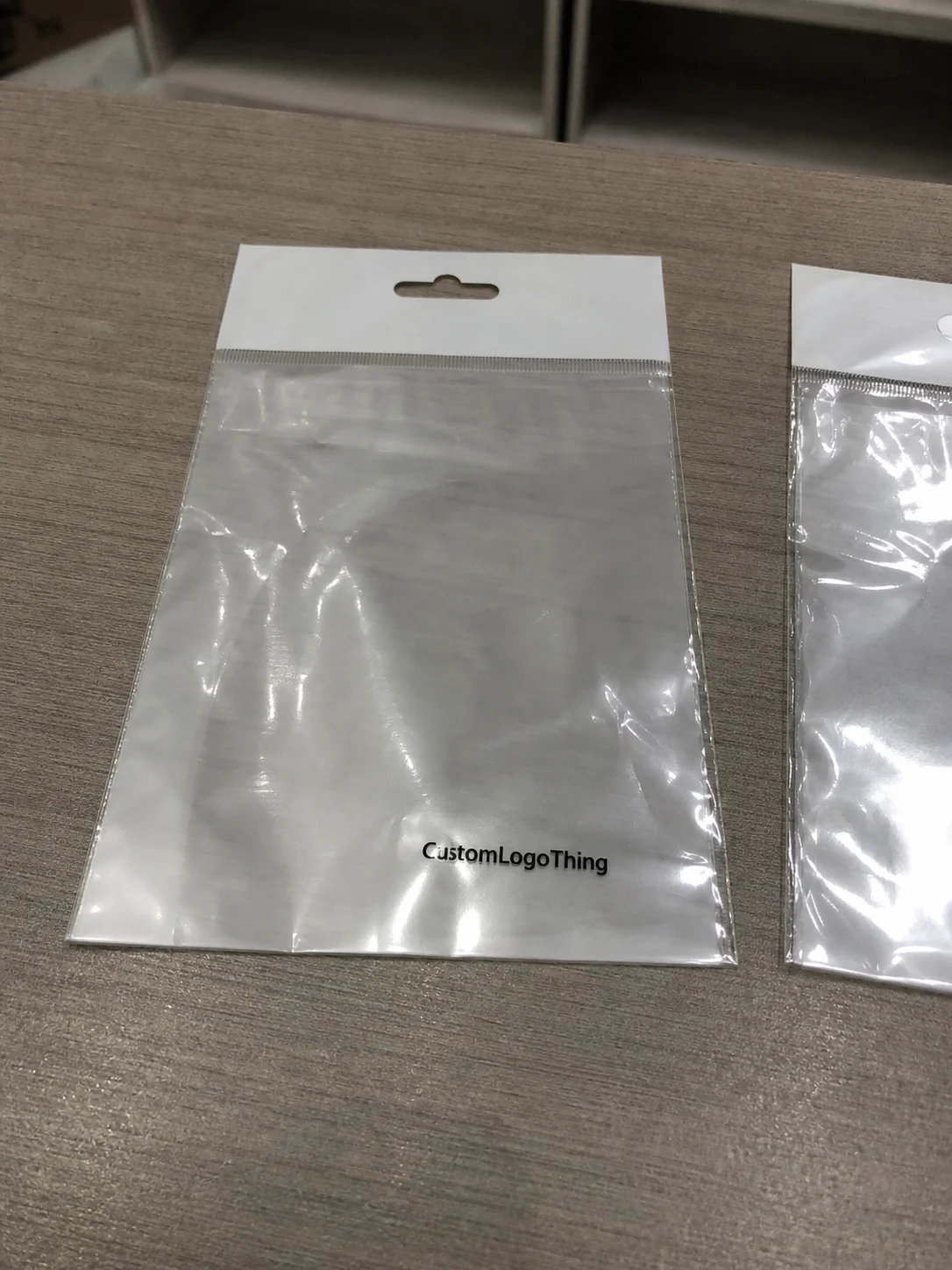
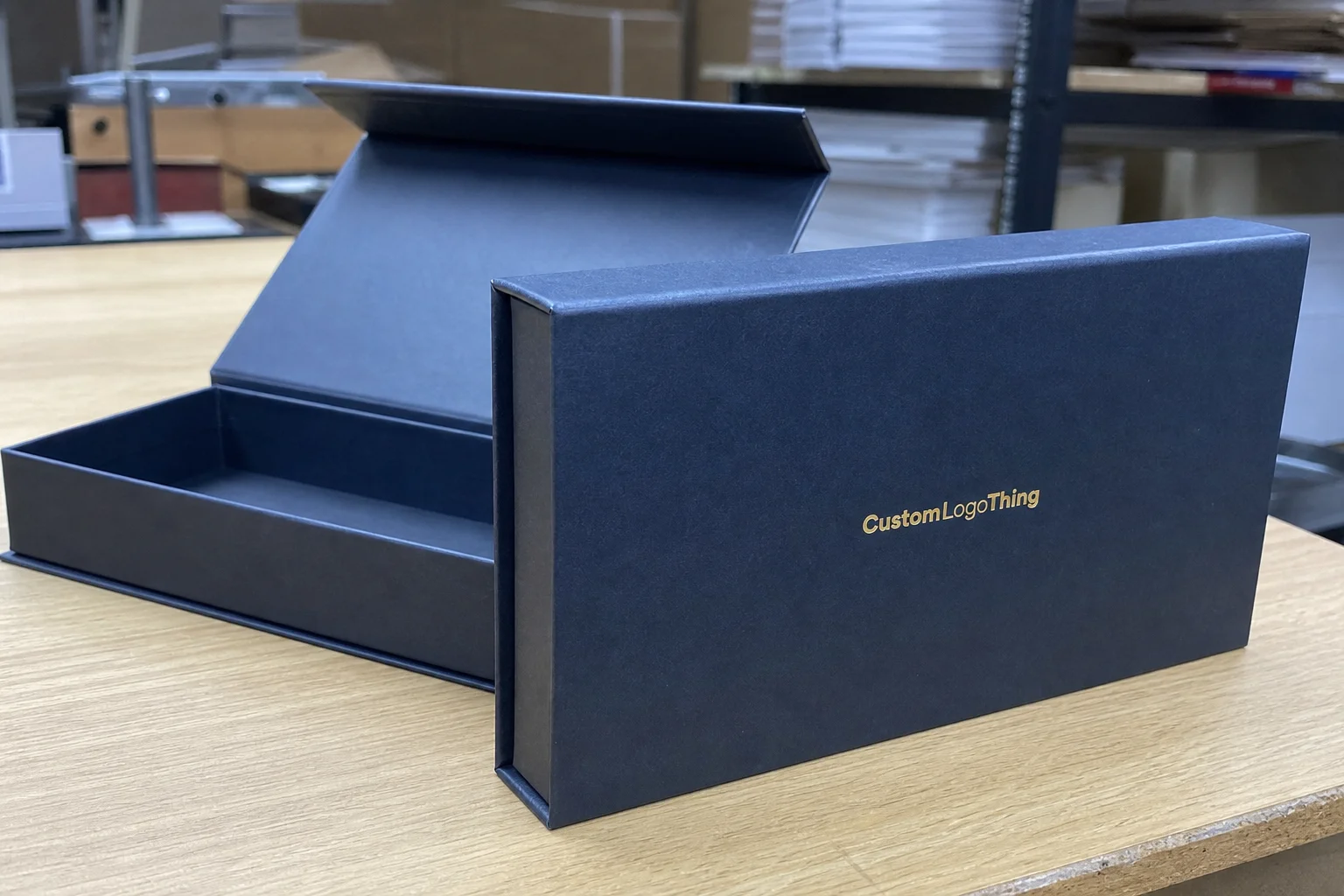
One wet market day can erase the savings you thought you gained from cheaper packaging. That is why Waterproof Apparel Mailers Unit Cost for farmers market sellers is not a trivia question; it is a margin question. If a damp tote, a leaking car trunk, or a long carry across a parking lot can wrinkle inserts, soften labels, or make a folded shirt look tired, the “budget” mailer stops being budget-friendly very quickly.
For small apparel brands, the right mailer has to do several jobs at once. It must protect the product from moisture, present the brand cleanly, keep packing labor simple, and stay inside a realistic cost per piece. Miss one of those and the savings disappear somewhere else, usually through replacements, customer complaints, or extra handling time. That is the part buyers learn the hard way.
Farmers market sellers are especially exposed because their packaging is often handled more than once. Goods move from table to tote, tote to car, and car to home storage, often in mixed weather. A mailer that looks fine on a supplier’s spec sheet can behave differently once it is stacked, labeled, and carried with other merchandise.
Why Farmers Market Sellers Need Waterproof Mailers That Protect Margin
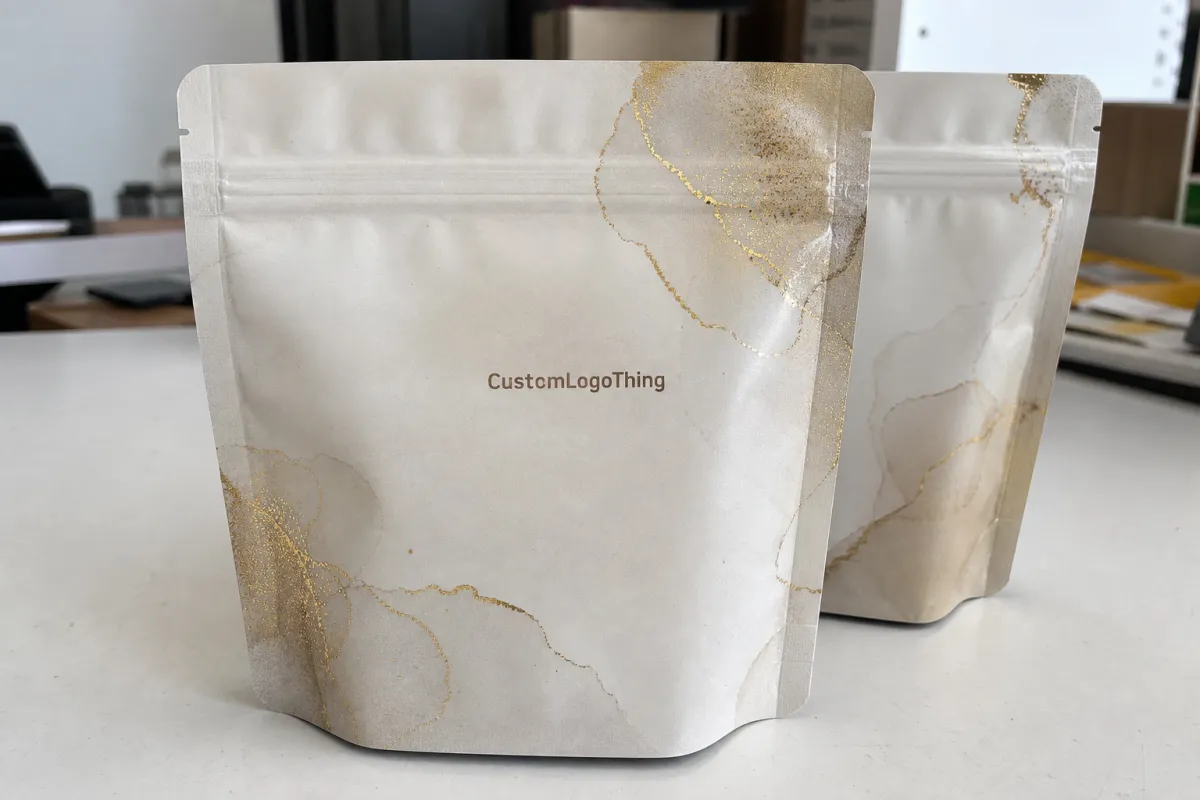
Many sellers assume local sales mean low packaging risk. Not really. Apparel may not travel through a parcel hub, but it still faces rain, condensation, damp tables, and rough handling. A folded tee that absorbs moisture on the way to a stall can still reach the customer looking less polished than it did an hour earlier.
The financial impact is larger than the packaging line item suggests. If your apparel margin is $12 to $18 per item, even a single damaged order can wipe out the savings from dozens of mailers. The real question is not whether a mailer costs two cents less. It is whether that mailer keeps the sale intact and preserves the repeat order that follows a good first impression.
Packaging also affects how customers judge quality. A clean, dry, well-sealed mailer suggests the seller is careful with the details. That perception matters in a market setting, where buyers often compare several booths in a short span of time. A crumpled or damp package can make the brand feel less finished, even if the garment inside is excellent.
“The cheapest mailer is rarely the cheapest packaging once damage, reships, and customer service time are counted.”
From a unit economics standpoint, a stronger mailer that costs three to eight cents more per piece can be a sound trade if it reduces damage risk. The right decision depends on garment type, packing method, and how often products are exposed to moisture. A folded T-shirt has different needs from a heavyweight hoodie, a two-piece bundle, or apparel packed with paper inserts.
In practice, the best mailer is usually the one that fits closely, seals consistently, and keeps the presentation neat without overcomplicating the pack-out process. Decorative extras matter less than structure. A well-made opaque poly mailer with a dependable adhesive strip will usually do more for margin than a bag covered in print effects you do not need.
For sellers comparing packaging lines, it helps to step back and view mailers as part of the larger supply chain. Custom Packaging Products shows how apparel packaging fits alongside other components, while Custom Poly Mailers gives a direct view of standard structures before custom print enters the conversation.
There is also a practical reason to care about packaging consistency. Market sales can vary week to week, but the package should not. A buyer who sees a clean, intact mailer in August should get the same impression in October, even if the weather changes and the storage conditions do not.
Mailer Materials, Seal Types, and Print Options That Matter
Most Waterproof Apparel Mailers are made from LDPE, co-extruded plastic films, or thicker multi-layer constructions that improve tear resistance. LDPE remains common because it is flexible, light, and cost-efficient. Co-extruded film is often a better fit when you need a stronger balance of puncture resistance and moisture protection, especially for apparel with buttons, tags, zippers, or sharper folded edges.
Thickness is where cost and performance begin to separate. A 2.5 mil mailer can work for a light tee or accessory, while a 3.5 to 4 mil option is often a better match for heavier garments or pieces that will be handled repeatedly. That difference may move the unit cost by only a few cents, but it changes how the mailer resists splitting at the seam and whether it keeps its shape in a crowded tote.
Seal type matters just as much as film. A self-seal adhesive strip is standard, but not every adhesive behaves the same in heat or humidity. Tamper-evident seals are useful if you want a clear “opened once” signal. Double-adhesive closures make more sense for returns, exchanges, or reusable pack-outs where the customer may need a second seal later.
Print options should be treated as a cost control decision as well as a branding one. A single-color logo on black or white opaque film usually keeps pricing more manageable than full-panel art or multiple ink passes. Minimal print also reduces setup complexity, which can mean fewer setup charges and a lower chance of proof corrections. If the logo is strong, there is little reason to cover every inch of the mailer.
Opacity deserves more attention than it gets. Opaque black or white mailers hide wrinkles, tag shadows, and garment outlines better than clear film. That improves privacy and presentation at the same time. Buyers should see the brand, not a crumpled shirt shape pressed against the plastic.
Finish also influences the buying decision. Matte surfaces can feel more premium, while glossy surfaces often show scuffs less clearly on dark film. Neither finish is automatically better. The practical question is how the package looks after labeling, stacking, and being carried for ten minutes in mixed weather.
Material and closure options at a glance
| Option | Typical use | Performance notes | Typical effect on cost per piece |
|---|---|---|---|
| LDPE, 2.5-3 mil | Light tees, accessories | Good moisture resistance, lower tear resistance | Lowest |
| Co-extruded film, 3-4 mil | Most apparel orders | Better puncture resistance, stronger handling performance | Moderate |
| Thicker multi-layer mailer, 4+ mil | Hoodies, bundled orders | Higher durability, more material weight | Higher |
| Double-adhesive closure | Returns or reuse-friendly orders | Better reseal function, slightly more complex construction | Moderate to higher |
Not every seller needs full-panel printing. Many buyers save money by using a restrained logo layout, a return address panel, or a front face that accepts a shipping label cleanly. That keeps the package looking intentional while preventing MOQ, print setup, and freight from climbing faster than the brand can support.
Specifications to Compare Before You Request Samples
Before requesting samples, define the garments you are actually packing. A folded cotton tee, a lightweight hoodie, and a two-piece bundle do not occupy the same volume. Outer bag size matters, but usable interior space matters more. Many catalog dimensions look fine until the garment is folded with tags, inserts, or a cardboard backer.
The main specs are straightforward: usable dimensions, film thickness, seal width, tear resistance, and water resistance level. If a supplier cannot tell you the adhesive width or the seam construction, that is a warning sign. A mailer can look clean in a photograph and still fail where the weld meets the edge.
For apparel, these rough fit guidelines are useful:
- Tees and tanks: usually fit in smaller mailers once folded to a standard retail rectangle.
- Hats and soft accessories: need a little more width to avoid crushing and awkward folding.
- Lightweight hoodies: need extra depth and a stronger seal zone.
- Bundled orders: should be measured after packing, not by garment size alone.
Ask for puncture resistance data if it is available, or at least ask which film structure the supplier recommends for sharp corners, zippers, or buttons. If your garments include woven labels, hang tags, or cardboard inserts, the seam needs to tolerate internal pressure without splitting. That sounds minor until you see a seam fail at the corner on the first rainy delivery day of the season.
Environmental conditions matter too. Adhesive performance can change in heat and humidity. If your operations run through summer markets or warm storage areas, ask whether the closure has been tested under conditions similar to yours. Standards from groups like ISTA are useful references when you want a more disciplined way to think about transit durability.
Sample packs are not optional if fit matters. Test closure feel, stackability, and the way the mailer looks once labeled. A mailer that fits on paper may wrinkle badly in practice. That is a small visual problem with a big brand effect, because a neat garment can start to look improvised if the outer packaging bunches or bows.
Recycled-content claims deserve a careful look as well. If sustainability is part of your buyer message, ask for documentation and verify what the claim actually covers. A vague green label is not the same thing as a documented material specification. Packaging buyers should treat environmental claims the same way they treat dimensions: precisely, not sentimentally.
Waterproof Apparel Mailers Unit Cost, MOQ, and Pricing Factors
The quickest way to compare Waterproof Apparel Mailers unit cost for farmers market sellers is to separate the visible price from the real landed price. Unit price is only one part of the equation. Freight, setup, proofing, and sometimes tooling fees can move the effective cost more than the bag itself, especially when order quantities are modest.
For plain stock-style mailers, small quantities often land in the rough range of $0.12 to $0.25 per piece, depending on size and thickness. Add custom print, and the range can move closer to $0.18 to $0.45 per piece at lower volumes. At larger quantities, the per-piece number can fall, but the exact range still depends on print coverage, color count, film gauge, and closure style. Those are planning ranges, not promises.
MOQ is where small brands feel the tradeoff most sharply. A lower MOQ reduces inventory risk, which matters if you are still testing designs, seasonal colors, or new product categories. A higher MOQ usually lowers the unit cost, but it also ties up cash and storage space. If sales are steady, a larger run can make sense. If demand is still being tested, smaller batches are usually safer.
Pricing also shifts with order complexity. A plain white mailer is not priced the same as a black opaque mailer with a one-color logo and a double-adhesive closure. One additional print color can raise costs more than many buyers expect because it adds setup, registration, and more chances for proof revision.
What actually changes the quote
- Material thickness: thicker film costs more, but can reduce damage risk.
- Size: larger mailers use more raw film and more shipping weight.
- Print coverage: one-color logos are usually cheaper than full-panel artwork.
- Closure type: tamper-evident or double-seal designs tend to cost more.
- Order volume: higher quantities generally reduce the unit rate.
- Freight and import terms: small orders can be hit hard by shipping costs.
Artwork setup is one of the most common hidden costs. Some suppliers include basic digital proofing, while others bill file cleanup, logo resizing, or color adjustment separately. Ask whether revisions are included and how many rounds are covered. The same question applies to repeat orders: does the second run cost less because the art is already on file, or does the supplier still charge a setup fee every time?
Always compare quotes on a landed-cost basis. That means unit price, setup charges, freight, and MOQ all go into the same calculation. A quote that looks inexpensive on paper can end up more expensive once shipping is added. For farmers market sellers, that comparison is often the difference between a smart purchase and a slow margin leak.
Requesting tiered pricing is worth the extra email. Ask for quotes at 1,000, 3,000, and 5,000 pieces if those quantities are plausible for your business. Then ask whether the artwork remains on file and whether repeat runs hold the same price. Those details show whether the packaging plan can scale with your sales or whether every reorder resets the economics.
| Order profile | Likely unit cost range | Best use case | Risk level |
|---|---|---|---|
| Plain stock mailers, low volume | $0.12-$0.25 | Testing product fit, early-stage sales | Low inventory risk, higher per-piece cost |
| Custom printed, mid volume | $0.18-$0.35 | Growing apparel brands with repeat demand | Balanced |
| Custom printed, higher volume | $0.15-$0.28 | Established sellers with predictable sell-through | Lower per-piece cost, higher cash commitment |
Order Process, Proofing, and Lead Time Expectations
The ordering process should feel predictable. A good supplier will move from inquiry to spec confirmation, artwork submission, digital proof approval, production, quality check, and shipment. If those steps are vague, the schedule usually is too.
For custom mailers, lead time depends on order size, print complexity, and the current production queue. Simple runs usually move faster than multi-color artwork or specialty closures. In many cases, a practical planning window is 12 to 15 business days after proof approval, then shipping time on top of that. It is a useful estimate, not a universal rule.
Proof approval is the main checkpoint. A small change to logo placement, logo size, or panel position can restart part of the process. Buyers sometimes approve too quickly because they want the order moving. Then they notice the logo is undersized, the return panel sits in the wrong place, or the label area is too tight. Fixing it later is slower and usually more expensive than checking carefully upfront.
Prepare files early. That means clean logo artwork, preferred dimensions, a shipping address, and a quantity target that matches your sell-through rate. If you do not know the exact monthly usage, use a range. “We need 1,000 to 1,500 units per quarter” tells a supplier much more than “we want some packaging.”
Seasonality matters as well. Farmers market apparel sales can spike around holidays, local events, and weather changes. If you expect a strong stretch, build buffer stock before the rush. Emergency reorders almost always cost more, and they leave less time for proof review. That is how avoidable mistakes get locked into the run.
Quality checks should not be hidden in the process. Ask how the supplier inspects seal consistency, print clarity, and bag dimensions. A quick visual check is not enough if the package has to look right when stacked, labeled, and handled by a customer. Consistency matters more than one perfect sample photo.
For sellers who want a tighter approach to environmental and transport expectations, references from packaging-industry groups and sources such as EPA recycling guidance can help shape material choices and end-of-life conversations. That does not replace a fit test, but it does make the sourcing discussion more concrete.
How We Support Small Apparel Brands Ordering for Market Sales
Small apparel brands do not need oversized inventory commitments. They need packaging guidance tied to garment mix, budget, and selling pace. The best sourcing advice is practical: recommend the right size, the right film thickness, and the right print approach without pushing unnecessary complexity or costly extras.
Useful supplier support starts with sample testing and honest quoting. You should be able to get a clear recommendation on whether a 3 mil or 4 mil mailer is the better fit, whether a label panel is enough, and whether an opaque stock bag will protect the presentation just as well as custom print. If a supplier cannot explain those tradeoffs plainly, the recommendation is probably not grounded in the realities of small-batch selling.
Reorder handling matters too. Apparel sellers often begin with one market table and then expand into weekend pop-ups, online orders, and seasonal gift bundles. The packaging solution should scale with that growth. Demand is rarely linear. A quiet month can be followed by a strong one with almost no warning, and packaging that only works for the first run becomes a constraint fast.
Good quality control in this category usually comes down to three things:
- Seal consistency so the adhesive closes evenly across the width.
- Print clarity so the logo reads cleanly, even on darker film.
- Durability in storage and transit so the mailer does not split before it reaches the buyer.
Support also means reducing waste. If a seller orders a bag that is too large, every shipment carries extra film, extra cost, and extra bulk. If the bag is too small, the seam gets stressed, the package bulges, and the product looks poorly packed. Matching the mailer to the actual product mix is one of the fastest ways to improve packaging economics.
That is why the conversation should begin with fit, then move to cost, then branding. The order matters. A mailer that protects the product and looks intentional is the base requirement. Branding still matters, but it should not force the packaging into a higher-cost structure than the business can support.
Next Steps: Compare Sizes, Request Samples, and Lock in a Quote
Start with a simple product audit. List your top apparel SKUs, their folded dimensions, and your monthly order range. Then decide whether you are buying for current sales only or for anticipated growth. That one decision changes the right MOQ, the right bulk pricing tier, and the right size mix.
Request two or three sample sizes. Test fit, closure performance, and presentation under real conditions: dry handling, humid storage, and the way the bag looks once labeled. If the sample bunches up or leaves too much air, you likely need a different size. If the seal feels weak, ask for another adhesive or a stronger film structure.
When you ask for a quote, insist on clarity. The best quote shows unit price, MOQ, setup fees, freight, and any repeat-order terms separately. That lets you compare suppliers on equal footing rather than guessing where the costs are hiding. A quote with all-in pricing can be convenient, but only if the components are still transparent.
Confirm reorder expectations in writing. If sales spike, how quickly can the same mailer be produced again? Are art files kept on hand? Does the price hold for the next run, or does the quantity need to change? Those answers matter more than polished brochure language.
Move to approval only after the sample meets your waterproofing, branding, and margin targets. For many farmers market sellers, the best choice is neither the cheapest mailer nor the most elaborate one. It is the one that keeps apparel dry, looks clean, and protects the margin on every sale. If you are comparing Waterproof Apparel Mailers unit cost for farmers market sellers, that is the standard worth using.
What is the typical waterproof apparel mailers unit cost for farmers market sellers?
Unit cost depends on size, thickness, print coverage, closure type, and quantity ordered. Smaller custom runs usually cost more per piece than larger bulk orders. Ask for a landed-cost quote so you can compare the true per-mailer expense.
How do I choose the right size mailer for folded apparel?
Measure the folded garment, then add room for a clean insert and adhesive seal. Choose a slightly larger size for thicker items like hoodies or bundled orders. Sample testing is the safest way to confirm fit before bulk ordering.
Do waterproof mailers need custom printing for market sellers?
No, but printed mailers can improve presentation and brand recall. If budget is tight, a plain opaque mailer with a label panel can still work well. Custom printing makes the most sense when repeat orders and brand visibility matter.
What MOQ should a small farmers market apparel brand expect?
MOQ varies by supplier and printing method. Smaller brands should look for the lowest MOQ that still gives a fair unit price. Ask whether the MOQ changes for plain versus printed mailers.
How long does it take to get custom waterproof apparel mailers made?
Lead time depends on artwork approval, order size, and factory schedule. Simple orders move faster than highly customized print jobs. Always ask for production time plus shipping time before you commit.