Buyer Fit Snapshot
| Best fit | Biodegradable Void Fill Tape projects where brand print, material claims, artwork control, MOQ, and repeat-order consistency need to be specified before quoting. |
|---|---|
| Quote inputs | Share finished size, material target, print colors, finish, packing count, annual reorder estimate, ship-to region, and any compliance wording. |
| Proofing check | Approve dieline scale, logo placement, barcode or warning zones, color tolerance, closure strength, and carton packing before bulk production. |
| Main risk | Vague material claims, crowded artwork, missing packing details, or unclear freight terms can make a low unit price expensive after revisions. |
Fast answer: Biodegradable Void Fill Tape: Artwork Proof, Packing Count, and Landed Cost should be specified like a repeatable production item. The safest quote records material, print method, finish, artwork proof, packing count, and reorder notes in one written spec.
Production checks before approval
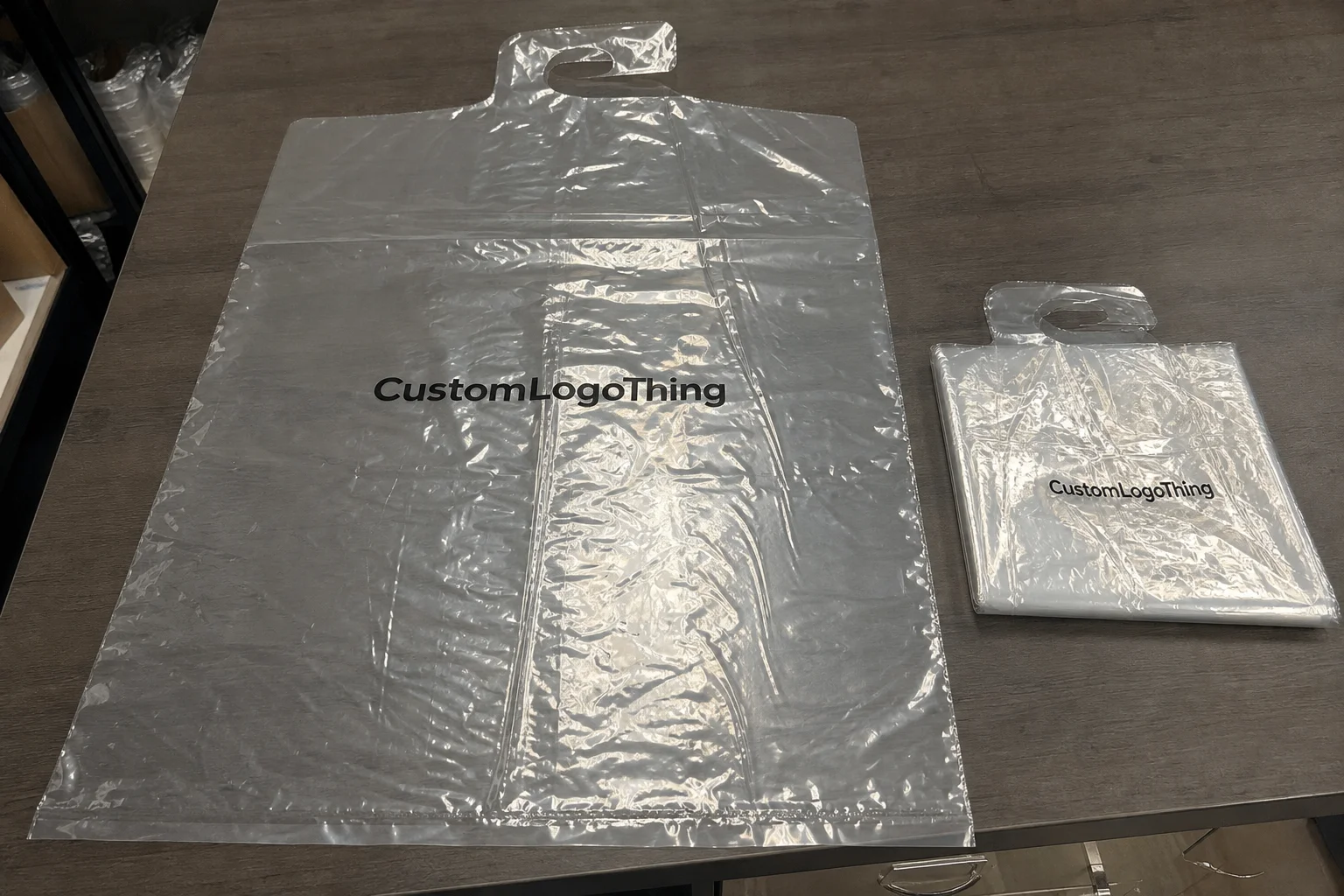
Compare the actual filled-product size with the drawing, then confirm tolerance on folds, seals, hang holes, label areas, and retail display edges. Reserve space for logos, QR codes, warning copy, and material claims before decorative graphics fill the panel.
Quote comparison points
Review material grade, print process, finish, sampling route, tooling charges, carton quantity, and freight assumptions side by side. A quote is only useful when the supplier can repeat the same color, closure quality, and packing count on the next order.
What is Biodegradable Void Fill tape? In plain packaging terms, it is a material used to occupy empty space inside a carton while also being made from components intended to break down under specific environmental conditions. That matters because empty space is not harmless. A box can look full and still be kinda useless if the product shifts, rubs, or slams into the walls during transit.
Packaging teams care about this for more than sustainability optics. The question what is biodegradable void fill tape sits right in the middle of product protection, line efficiency, and waste reduction. If a material can hold items in place, reduce excess plastic, and still be practical on a busy packing line, it deserves a serious look.
The catch is that biodegradable is not a magic word. It does not mean home compostable. It does not mean it disappears in a week. It does not mean every part of the product, including adhesive, print, or liner, behaves the same way. So when someone asks what is biodegradable void fill tape, the honest answer is not a slogan. It is a performance material with an end-of-life story that needs documentation and testing.
For packaging teams, the practical angle is simple. If a material can stabilize a shipment, improve presentation, and support cleaner material claims without making the process harder, buyers want to know how it behaves in the real world. Because what is biodegradable void fill tape on a supplier page is one thing, and what it does in a humid trailer, a cold warehouse, or a rough parcel lane is another.
What Is Biodegradable Void Fill Tape and Why It Matters
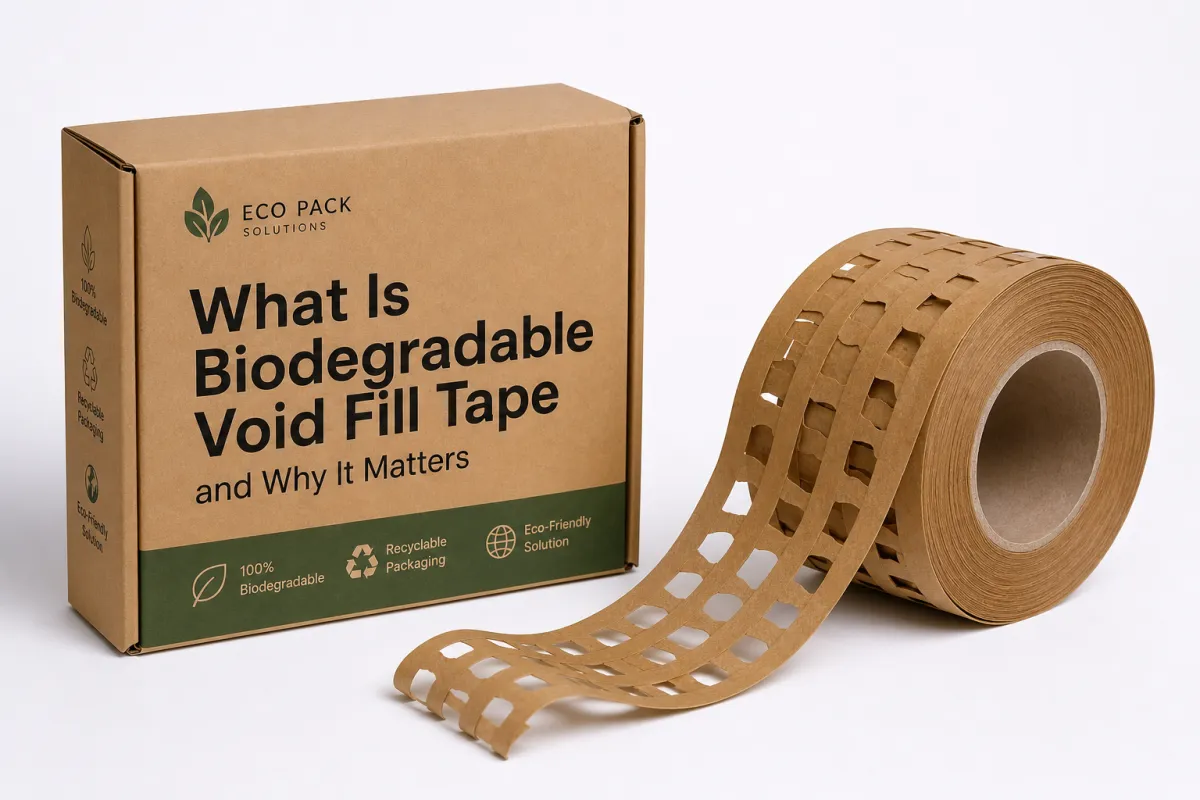
At the most basic level, what is biodegradable void fill tape? It is a tape-like packaging material designed to help fill empty space inside a carton while being made from materials that can biodegrade under defined conditions. That sounds tidy on paper. Real products are messier. Some use a biodegradable film, some use paper-based structures, and some combine a lower-impact substrate with a pressure-sensitive adhesive selected for shipping applications.
The key distinction is this: biodegradable void fill tape is not standard Carton Sealing Tape. Sealing tape closes the box. Void fill tape helps control movement inside the box. It also is not the same thing as paper tape, which usually serves a closure role, or loose-fill products like peanuts and shredded paper, which can cushion but may not lock a product in place as effectively in certain packouts.
So what is biodegradable void fill tape doing on the line? Usually three jobs. First, it reduces movement by bridging gaps and holding product or dunnage where you want it. Second, it improves presentation because the carton arrives looking intentional instead of stuffed with random filler. Third, it supports lower-plastic or more responsible shipping claims, provided those claims are backed by actual documents instead of wishful thinking and a nice green label.
That last part needs care. Biodegradable does not automatically mean compostable. It does not guarantee disposal in a backyard pile. It does not mean every layer of the structure breaks down at the same rate. If someone expects what is biodegradable void fill tape to be a miracle material, they are asking the wrong question. The better frame is a packout component that still needs to survive the same abuse as any other shipping material.
From a buyer's point of view, the appeal is straightforward. A cleaner packout can reduce plastic volume, lower the visual bulk in the shipping carton, and improve the unboxing experience. That matters for ecommerce brands, subscription boxes, cosmetics, specialty food products, parts kits, and lightweight goods that need stabilization without turning the box into a landfill preview. What is biodegradable void fill tape if not a way to do more with less material?
A warehouse supervisor might put it this way: "If the box looks full but the product still moves, the filler is decoration."
That is the real test. Not whether the carton looks crowded, but whether the contents stay put through vibration, compression, and handling. When people ask what is biodegradable void fill tape, the answer should cover both sustainability intent and mechanical purpose. If either side is missing, the material usually disappoints.
Useful related terms include biodegradable packaging tape, Compostable Void Fill, protective packaging, sustainable shipping materials, and recycled corrugated. They overlap, but they are not interchangeable. That distinction matters once a purchasing team starts comparing samples, claims, and performance data.
That is why what is biodegradable void fill tape matters now: the conversation has shifted from "How do we fill space?" to "How do we fill space with less waste, fewer complaints, and a cleaner story?"
How Biodegradable Void Fill Tape Works in Transit
Once you understand what is biodegradable void fill tape, the next question is mechanical: how does it work after the carton leaves the dock? The answer depends on where the tape is placed and what it is supporting. In a simple packout, it may be applied across an empty cavity to help hold dunnage in place. In a tighter setup, it may anchor nested parts, separate layers, or keep a product from settling into one corner of the carton.
The tape works by creating restraint. If an item can bounce, slide, or lean during shipping, it is more likely to arrive damaged. Void fill tape helps bridge empty space so the product has less room to move. That sounds obvious, but a lot of failure reports trace back to that exact problem: the carton looked fine on a bench, then lost control once it met real shipment conditions.
Those conditions are not gentle. Vibration from conveyor systems and delivery trucks can loosen a marginal packout. Compression from stacked freight can flatten weak filler. Humidity can soften paper-based structures or affect adhesive performance. Temperature swings can change tack and release behavior. What is biodegradable void fill tape worth if it holds in a controlled test room but slips when a pallet sits in a dock door for four hours? Not much.
The material stack matters as much as the label. A biodegradable film may perform differently from a paper-based substrate. A high-grab adhesive may behave differently from a cleaner-release adhesive. A liner that releases too easily can slow the line, while one that releases unevenly can create waste and inconsistency. Each layer affects both shipping performance and end-of-life behavior, so what is biodegradable void fill tape really depends on how the whole structure is built, not just the face material.
There is also a difference between holding and cushioning. A tape can be excellent at keeping a void fill bundle in position but still not provide enough shock absorption for fragile glass, electronics, or cosmetics with loose components. That is why some packouts use biodegradable void fill tape as part of a hybrid system rather than a standalone fix. The tape controls movement, and the rest of the system supplies the cushioning.
Think of it this way: what is biodegradable void fill tape trying to solve? It is trying to stop the box from turning into a little impact zone. That is easier in a short local parcel lane than in a long-distance ground network with multiple touches and more dwell time. The farther and rougher the shipment, the more carefully the material choice has to match the use case.
For teams validating a new packout, shipment simulation matters. The ISTA test library is a useful reference for vibration, drop, and compression thinking, and the EPA has practical guidance on waste and materials management that can help teams frame disposal questions. Neither one replaces real-world field trials, but both help anchor the decision in standards instead of guesses.
What is biodegradable void fill tape if the application method is inconsistent? It becomes unpredictable. A good material can fail when the operator stretches it too far, overlaps it too little, or places it over a dusty corrugated surface. That is why line-side discipline matters as much as the material spec. I have seen a perfectly fine material get blamed for a problem that was really just bad placement and a rushed shift.
Biodegradable Void Fill Tape Cost, Pricing, and Value
Price is where curiosity meets procurement. What is biodegradable void fill tape going to cost, and is it worth paying more for? The honest answer is that it usually carries a premium over commodity plastic-based options, especially at lower order volumes. A quick roll-price comparison can miss the real economics, because the total packout cost includes labor, damage, waste handling, and the downstream effect on returns.
Several variables shape pricing. Substrate choice is one. A paper-based structure may price differently from a multi-layer biodegradable film. Adhesive quality is another. Higher-tack adhesives or specialty formulations for cold storage, recycled board, or humid environments usually cost more. Roll width, roll length, print coverage, and custom branding can all add to the unit cost. Certification or documentation can also influence price, particularly if a supplier is supporting compostability claims or chain-of-custody paperwork.
For a practical comparison, many buyers look at cost per shipment rather than cost per roll. A tape that costs more but reduces damage, speeds packing, or replaces another filler can lower the total landed packout cost. What is biodegradable void fill tape worth if it keeps a fragile item from being re-shipped? Quite a bit, especially once return freight, labor, and customer service time are counted.
| Option | Typical Cost Range | Best Fit | Watch-Outs |
|---|---|---|---|
| Biodegradable void fill tape | $0.18-$0.42 per linear packout use, depending on width and volume | Light to medium products, cleaner brand presentation, lower-plastic shipping goals | Needs lane testing; not every adhesive performs the same in humidity or cold |
| Paper void fill and paper tape | $0.12-$0.30 per use | Simple cartons, short transit lanes, recycled-board packouts | May need more material to hold shape; can lose performance in moisture |
| Plastic air pillows | $0.05-$0.15 per pillow-equivalent use | High-speed fulfillment, low-weight products, lots of empty volume | Plastic disposal friction, perception issues, and puncture risk |
| Loose-fill materials | $0.08-$0.25 per carton | Odd-shaped items and low-risk shipments | Can migrate during transit; messy unpacking; inconsistent protection |
The table is only a starting point. A cheaper filler can become expensive if it allows a 2% damage rate to climb to 5%. That kind of change erases savings fast. On the other hand, a higher-priced biodegradable option can pay for itself if it reduces rework, saves operator time, and cuts the volume of secondary fillers. What is biodegradable void fill tape if not a tradeoff between material spend and operational cleanup?
There are also hidden savings that buyers sometimes miss. Less waste volume can mean fewer bag changes, fewer waste pickups, and a cleaner packing station. Better presentation can reduce customer complaints about messy packaging. Cleaner claims can support brand positioning, but only if the documentation is real. That is where buyers should be careful: marketing value is real, but it should not be counted twice.
Here is a practical way to think about value. If biodegradable void fill tape raises unit cost by $0.03 but saves $0.05 in labor and reduces damage by even a small fraction, it may be the better buy. If it adds cost and complexity without improving performance, the premium is hard to justify. What is biodegradable void fill tape doing for the operation besides sounding better? That is the question procurement should keep asking.
How to Choose Biodegradable Void Fill Tape for Your Packout
Choosing the right material starts with the product, not the tape. What is biodegradable void fill tape supposed to support: a glass bottle, a folded apparel item, a cosmetics set, or a parts kit with mixed geometry? Product weight, carton size, and fragility level all matter. A 10-ounce item in a tight mailer has very different needs from a 6-pound assembly in a large corrugated box.
Shipping distance is another major factor. Local parcel movement is not the same as a cross-country ground lane. Add climate exposure, and the decision gets more complex. Heat can change adhesive flow. Cold can reduce tack. Humidity can affect fiber-based materials. If a packout must survive long dwell times or multiple touches, what is biodegradable void fill tape becomes a performance question first and a sustainability question second.
Compatibility checks matter more than many teams expect. The tape should be tested with the actual corrugated board grade, the liner structure, and any adjacent labels, inks, or inserts. Recycled fibers can behave differently from virgin-fiber board. Glossy labels may interfere with adhesion. Water-based inks may add another variable if the surface area is heavily printed. A good supplier should help you look at the whole system, not just the roll.
Documentation is where responsible purchasing becomes real. Ask for material specs, end-of-life language, and any claim support the supplier can provide. Be precise about biodegradable versus compostable. Those are not the same, and regulators do not treat them as synonyms. If the product is meant for industrial composting only, say that. If it is recyclable as part of a paper stream, verify the conditions and the local reality before telling customers.
For buyers trying to map the landscape, it helps to ask three questions:
- What is biodegradable void fill tape expected to do mechanically in our shipment?
- What conditions will it actually face in storage, transit, and final delivery?
- What proof do we have that the claims match the material?
That proof may include supplier data sheets, third-party certification, and internal test results. Standards such as ASTM D6400 and EN 13432 are useful reference points for compostability claims, depending on the material and the market. Not every product needs every certification. Still, a buyer should know which ones matter to the story they intend to tell. What is biodegradable void fill tape without evidence? A risk.
Testing several widths and adhesive strengths is worth the time. A narrower width may be enough for lightweight products and reduce material use. A wider width may be needed for larger voids or more unpredictable box geometry. Different application patterns can also change outcomes. Some teams find that short, repeated strips work better than one long strip. Others discover that one well-placed bridge gives better hold than multiple partial pieces. The answer depends on the packout.
What is biodegradable void fill tape really buying you here? Control. Less guesswork. Better repeatability. The right choice is not always the most sustainable-sounding one; it is the one that performs under your specific shipping conditions and still fits the waste and branding goals.
Step-by-Step Process and Timeline for Using It
The cleanest rollout starts small. If you are evaluating what is biodegradable void fill tape for a live packout, begin with one SKU, one box size, or one shipping lane. That keeps the data honest. It also makes it easier to compare damage rates, pack time, and customer feedback before you scale to more products.
A realistic pilot usually unfolds in five stages. First, identify the use case and define success. Is the goal lower plastic use, better retention, or fewer damages? Second, request samples and run bench tests. Third, ship actual product through real carriers and measure results. Fourth, review the data with fulfillment, quality, and procurement. Fifth, approve a larger purchase if the results hold. Simple. Not easy, but simple.
Sample request to sign-off
Most sample-to-approval cycles run about 2-4 weeks if the team is organized and the supplier is responsive. A sample request can take 3-7 business days to arrive. Bench testing may take another week if the team wants drop, vibration, and compression checks. Field trials often need at least one shipping cycle, sometimes two, because a carton that performs on the first trip may behave differently after a route change or a longer dwell time.
That timeline can stretch if the packout is complex. Custom print, unusual roll sizes, or specialty adhesives may add 10-15 business days after proof approval or technical confirmation. If the supplier needs to source certified substrate or run a small production lot, lead time can extend further. What is biodegradable void fill tape if the supply chain cannot keep up with the launch plan? Just another bottleneck.
Operator training is a bigger deal than many buyers expect. Even a strong material can underperform if the application method drifts. Training should cover dispenser setup, where to place the tape, how much tension to apply, and what a correct packout looks like. A one-page photo standard is often enough to reduce variation, but only if supervisors actually use it.
Quality checks should happen on the line, not after the fact. A quick carton audit every hour can catch the most common mistakes: too little overlap, tape applied to dusty board, weak closure at the edge, or unnecessary overuse. These issues may look minor, yet they can change hold behavior significantly. What is biodegradable void fill tape doing if it is installed incorrectly? Not much.
Storage and handling also matter. Some materials have shelf life or environmental sensitivity that teams overlook. Warehouses with extreme heat, high humidity, or direct sun exposure can shorten usable life or affect release behavior. Inventory rotation should follow first-in, first-out discipline, and cartons of rolls should not sit near forklift charging stations, loading bay drafts, or wet floors. Those are small details until the day they are not.
One useful rule: if the material has been in stock long enough to raise a question, test it again before full use. That extra check costs less than a wave of returns. What is biodegradable void fill tape supposed to deliver in operations? Predictability. A pilot program should prove that the material is not just acceptable, but consistent enough to trust.
Packaging teams often underestimate how much documentation the rollout creates. Keep sample specs, test photos, failure notes, and sign-off emails in one folder. That record helps later if a customer asks about claims or if a supervisor wants to change materials. What is biodegradable void fill tape without a paper trail? Hard to defend.
Common Mistakes When Switching to Biodegradable Void Fill Tape
The biggest mistake is assuming all biodegradable materials behave alike. They do not. One substrate may resist moisture better than another. One adhesive may hold well in cold storage and fail on warm board. One supplier may quote a material that sounds similar but performs very differently once a carton is stacked, tossed, and left on a porch. What is biodegradable void fill tape? It is a category, not a guarantee.
Another common error is overpromising on sustainability claims. If the product is biodegradable under certain conditions, say that clearly. If it is compostable only in industrial facilities, do not imply backyard composting. If the product has recycled content or FSC-certified components, be specific about which part does what. Vague claims invite compliance issues later, and packaging teams usually discover that the hard way.
Testing only in the lab is a trap. Bench data is useful, but it is not the whole picture. Real shipping lanes introduce vibration, carrier handling, stacking pressure, weather, and dwell time. A material that scores well on a controlled drop test can still fail in a distribution network where parcels sit overnight in hot trailers or get compressed under heavier cartons. What is biodegradable void fill tape worth if the real route is harsher than the test route? Less than the test sheet suggests.
Operational missteps are just as damaging as material failures. Teams sometimes choose the wrong roll size, which creates excessive changeovers or awkward dispensing. Others ignore dispenser compatibility and end up with jams, wasted strips, or inconsistent placement. Some undertrain the pack-out team, then blame the material when the problem is actually application drift. The material cannot fix a process that is not stable.
There is also a habit of using too much of a good thing. More tape is not always better. Excess material can slow the line, raise cost, and make unpacking more frustrating. The goal is to use enough to stabilize the item, not to build a fortress inside the carton. What is biodegradable void fill tape if it is overapplied? Expensive filler with a greener name.
Another issue is ignoring board quality. Weak corrugate, moisture-damaged cartons, or recycled board with poor crush resistance can undermine even a strong packout. If the carton itself collapses, the void fill strategy loses effectiveness. That is why the switch should be evaluated as part of the full shipping system, not in isolation.
Packaging teams also get caught by timing. If stock is ordered late, rushed substitutions become tempting. A substitute may look close on paper but behave differently in the field. That is especially true for adhesive-backed materials. One batch can be fine, the next slightly tackier or slightly stiffer, and the packout response changes. What is biodegradable void fill tape without consistency? A moving target.
Expert Tips and Next Steps for Biodegradable Void Fill Tape
If you want a cleaner path forward, start with one pilot and one scorecard. Track damage rate, application speed, cost per shipment, and customer feedback. A simple before-and-after comparison is usually more useful than a shelf full of spec sheets. What is biodegradable void fill tape doing for the business? The scorecard should answer that in numbers.
Ask suppliers for four things before you commit: material specs, expected degradation conditions, sample lead times, and documentation you can share internally. If the supplier cannot explain how the material behaves in use and at end of life, keep asking. Good packaging vendors should be comfortable discussing temperature sensitivity, humidity exposure, and the difference between industrial composting and other disposal routes. If they dodge those questions, that is a red flag. Plain and simple.
It also helps to compare two or three alternatives side by side. One may be a biodegradable void fill tape. Another may be a paper-based dunnage option. A third may be a recycled-content filler that lowers plastic without changing application behavior too much. The best choice is not always the one with the strongest sustainability story; it is the one that balances damage control, labor, and documentation cleanly.
From an operations standpoint, the strongest implementations usually share the same pattern: simple application, few moving parts, and clear standards. The line team knows where the tape goes. The shipping manager knows how to audit it. The buyer knows the price band and lead time. The quality team knows what failure looks like. That is a lot more useful than a vague promise of greener packaging.
There is a final truth here that buyers sometimes overlook. What is biodegradable void fill tape supposed to do? It should help a package leave the facility in better condition than it would otherwise, while reducing material waste and keeping the claim language honest. If it does not improve the packout, it is the wrong tool. If it improves the packout but cannot be documented, it is still not ready.
So the next steps are practical: audit current void fill use, compare two or three alternatives, and run a small trial on a real SKU. Keep the test narrow enough to measure, but broad enough to reflect actual shipping stress. That is how a team learns whether what is biodegradable void fill tape fits the job, the budget, and the brand story.
What is biodegradable void fill tape, finally? It is a packaging decision with consequences that show up in damage claims, labor minutes, customer perception, and waste bins. The right version can earn its place. The wrong one becomes a cost line no one wants to explain.
Frequently Asked Questions
What is biodegradable void fill tape made from?
It is typically made from a biodegradable film or paper-based substrate paired with an adhesive designed for shipping use. The exact construction matters, because it affects strength, shelf life, moisture response, and how the material behaves once it is in a carton. When buyers ask what is biodegradable void fill tape made from, they should also ask for a full material spec, not just a marketing description.
Is biodegradable void fill tape actually compostable?
Not always. Biodegradable and compostable are not interchangeable terms, and that distinction matters for claims and disposal instructions. Some materials are only compostable in industrial facilities, while others are simply biodegradable under defined conditions. Ask for documentation that states the end-of-life pathway clearly, and do not assume a claim applies in every waste stream.
How much does biodegradable void fill tape cost compared with regular tape?
It often costs more than commodity plastic tape, especially at low order volumes or with specialty adhesive requirements. The better comparison is total packout cost, not roll price alone. If the material reduces damage, speeds packing, or replaces another filler, the higher unit cost may still produce a better overall result. That is why what is biodegradable void fill tape costs is only part of the decision.
Can biodegradable void fill tape replace plastic void fill materials completely?
Sometimes, but only when the product weight, carton size, and shipping conditions are a good match. High-shock, high-moisture, or long-haul shipments may still need a hybrid packout design. In those cases, biodegradable void fill tape can be part of the solution without being the entire solution.
What is the best way to test biodegradable void fill tape before buying in bulk?
Run a small pilot using real SKUs, real carriers, and a measurable damage benchmark. Track hold strength, application speed, and customer returns, then compare those results against your current packout. That kind of test tells you much more than a sample sheet does, and it gives you a clean answer to the question what is biodegradable void fill tape actually doing in your operation.