A wine can score 94 points, arrive right on schedule, and still disappoint before the cork is even touched. I’ve watched teams invest heavily in vineyard storytelling while treating bag stock as an afterthought, then wonder why member feedback mentions “cheap packaging” in week one of a release. That disconnect is exactly why a wine club Kraft Paper Bags material guide belongs in your core packaging playbook: first-touch packaging either reinforces value or chips away at it, shipment after shipment.
This guide is built for day-to-day decisions, not abstract theory. You’ll get practical direction on paper grades, GSM ranges, fiber blends, handle structures, moisture behavior, print methods, compliance checks, and sourcing workflow—plus cost models, testing priorities, and a rollout method you can reuse instead of rebuilding every quarter.
Wine clubs live under a specific pressure profile. Deliveries repeat monthly or quarterly, and members compare each shipment to the one before it. Weather swings punish packaging, especially during pickup windows where chilled bottles sweat. One-off retail can hide inconsistency for a while; subscriptions expose it fast.
Why kraft bags instead of rigid boxes or poly mailers?
- Rigid boxes can look excellent, but unit costs are often 2.5x to 5x higher for comparable branded surface area.
- Poly mailers perform well for soft goods, yet wine club pickup kits usually lose tactile brand value in that format.
- Kraft paper bags usually provide the strongest cost-to-perception balance for hand-carry moments, events, tasting-room takeaways, and retail partner bundles.
A quick scope note: this Wine Club Kraft Paper Bags material guide focuses on carry and presentation formats, not stand-alone long-haul bottle protection. If bottles are moving through parcel networks, pair bags with corrugated systems designed for drop and vibration risk.
The sections below break down how materials behave, how to set specs by use case, where timelines slip, what quote lines hide cost, and how to run a sourcing system that holds up over time. If you change one thing after reading, make it your testing protocol. Feel is not performance.
Wine Club Kraft Paper Bags Material Guide: What Most Buyers Miss First
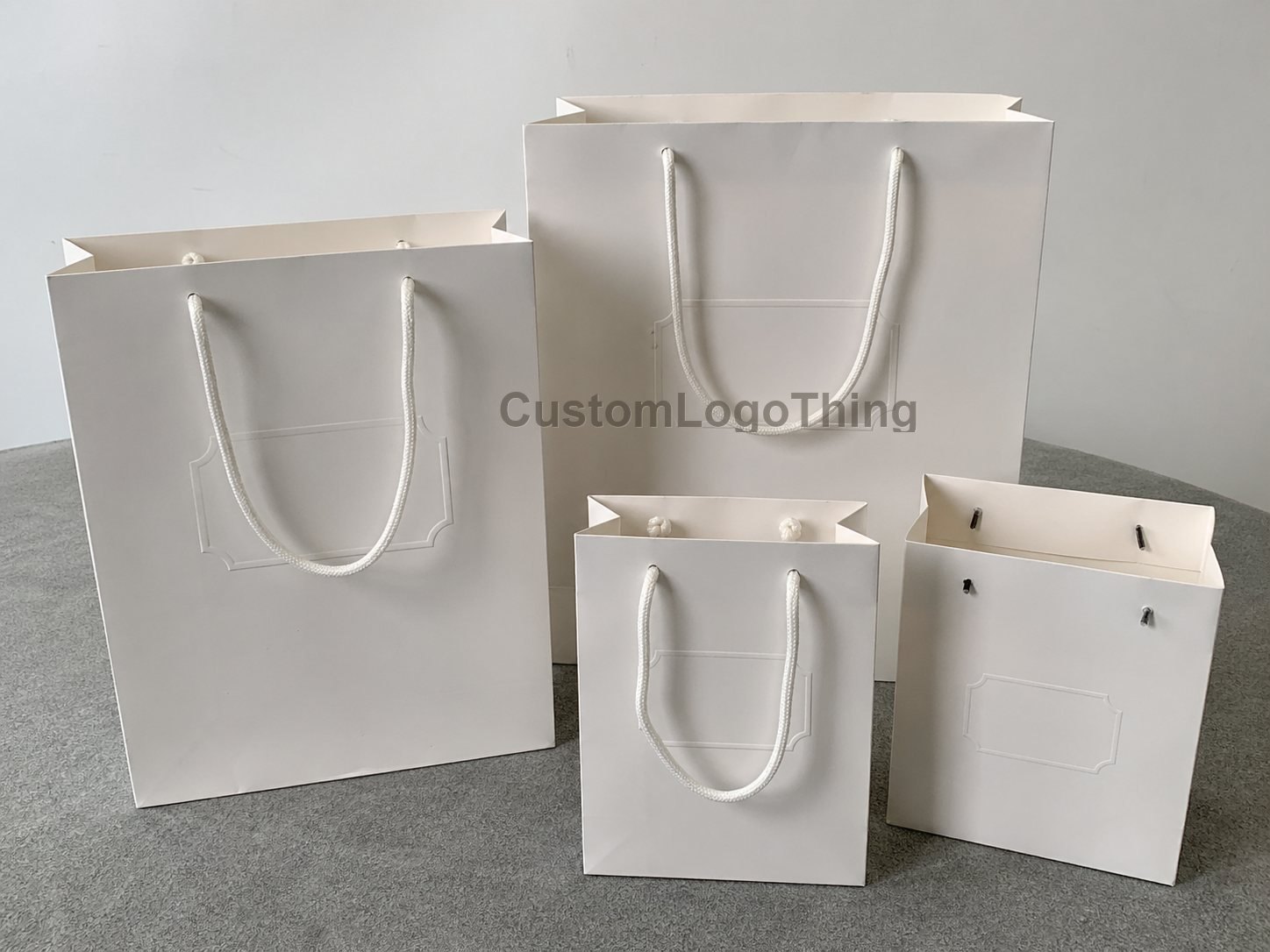
The most common mistake is subtle: buyers choose by hand-feel in a conference room instead of loaded behavior in real use. A sheet can feel thick and premium, then fail at the handle glue point in a crowded event line. Any useful wine club Kraft Paper Bags material guide starts with load-scenario mapping.
Define the exact use case before requesting quotes. A one-bottle tasting-room takeaway is not the same as a two-bottle pickup with an insert card and opener gift. Load profiles shift required specs quickly; an extra 300 to 450 grams of add-ons can push a borderline bag into failure territory.
A reliable guide should cover six decision pillars:
- Paper grade (natural kraft, white kraft, virgin/recycled blends)
- Basis weight / GSM tied to actual carried load
- Handle architecture and reinforcement structure
- Barrier and moisture tolerance for chilled or damp handling
- Print compatibility by method and ink coverage
- Compliance and claim integrity (recycling language, certification use)
People in wine clubs are buying more than liquid; they’re buying ritual and identity. Packaging that crackles harshly, creases too early, or stains from condensation weakens premium signals in seconds. Strong specs include tactile and acoustic standards, not only strength numbers.
Kraft bags also bring operational advantages that teams kinda underestimate until warehouse costs show up on a quarterly review. Flat-packed inventory consumes far less cube than assembled gift boxes, which helps when event calendars spike and dip.
They perform best where they’re intended to perform: pickup kits, welcome bundles, partner takeaways, and release-party merchandising. They are not a substitute for primary transit protection. Format discipline, written down and enforced, is the real value of a wine club Kraft Paper Bags material guide.
How Kraft Bag Materials Work for Wine Club Use Cases
Kraft performance starts with fiber structure. Long softwood fibers improve tear resistance. Short hardwood fibers improve smoothness and print definition. Most commercial bag stocks blend both, and the blend ratio changes behavior in ways you can feel and measure: longer fibers generally improve carry reliability, while higher short-fiber content can sharpen graphics but reduce toughness if pushed too far.
Recycled content adds another layer. It can help meet environmental targets, but repeated pulping shortens average fiber length over time. Tear strength may drop unless compensated with higher GSM, reinforcement patches, or blend adjustments. Good sourcing treats recycled content as a design input, not a virtue badge.
GSM is the next anchor point:
- 110–130 GSM: light single-item carry, narrow safety margin for moisture and repeated handling
- 140–170 GSM: common for one bottle plus printed collateral
- 180–220 GSM: stronger fit for two-bottle carry or mixed merchandise bundles
Use these as starting ranges, not guarantees. Your wine club kraft paper bags material guide should require loaded carry testing at target payload with at least a 20% safety margin.
Moisture changes everything. Chilled bottles sweat, wet fingers shift grip behavior at handles, and adhesive bond lines can soften if not correctly specified. In side-by-side checks I’ve run with operations teams, bags that pass dry handling often fail about twice as quickly once damp exposure is introduced. Include wet-handling checks and 15–30 minute hold tests under moderate humidity.
Handle systems need explicit specs:
- Twisted paper handles: balanced look and cost, dependable for most club formats
- Flat paper handles: economical, usually less premium in visual signal
- Die-cut handles: clean silhouette, but edge stress can become a weak point without reinforcement
- Cotton or synthetic rope handles: upscale look, higher assembly cost and frequently higher MOQ
Most failures occur at handle attachment zones, bottom folds, or gusset stress points. Specify reinforcement patch size, adhesive type, and minimum bond-performance checks in the guide.
Print method affects material behavior too. Flexo is often efficient and fast for moderate graphics. Offset delivers finer detail and stronger tonal control for premium artwork. Heavy coverage shifts surface feel and can mute the natural texture members expect from kraft; if tactile authenticity is central to your brand, cap full-bleed coverage or test varnish options before full production.
Sustainability claims require precision. Recyclability depends on local collection rules and coating choices. Compostability language is widely misused; many kraft bags are recyclable but not appropriate for home composting systems. For chain-of-custody language, reference FSC frameworks, and define exactly how certification statements and marks are approved in artwork review.
Key Selection Factors in a Wine Club Kraft Paper Bags Material Guide
A strong wine club kraft paper bags material guide links specs to outcomes rather than preference. Most buying teams care about five outcomes: durability, brand perception, sustainability credibility, logistics reliability, and total cost of ownership. If a spec doesn’t improve one of those, challenge it.
Decision matrix by use case
| Use Case | Suggested GSM | Handle Type | Finish Priority | Risk Level |
|---|---|---|---|---|
| Event handout bag (single bottle) | 140–160 | Twisted paper | Clean logo contrast | Medium (crowd handling) |
| Pickup subscription bag (1–2 bottles + inserts) | 160–200 | Twisted or rope with patch | Durability + premium touch | High (repeat carry) |
| Membership welcome kit | 150–180 | Rope or reinforced die-cut | Presentation quality | Medium |
| Seasonal gifting bundle | 180–220 | Reinforced rope | Premium visual impact | High (heavier payloads) |
Color and finish choices shift perception quickly. Natural kraft communicates authenticity and lower-processing intent. White kraft improves color fidelity for more detailed palettes. Water-based varnish can improve rub resistance with less recycling friction than heavy film lamination. Define acceptable shade tolerance so reorders stay visually stable.
Legal and operational checks matter more than many teams expect. Regional rules around recyclability claims are getting stricter, and alcohol retail requirements can affect copy placement in some markets. Build a compliance sign-off gate before print plate release.
Dimensional fit is another frequent miss. Bottle necks need clearance so insertion doesn’t snag. Base geometry must keep weight centered. Side gussets need room for inserts and member cards without forcing sidewall bulge. Include interior dimensions and tolerance bands (for example, ±2 mm width, ±3 mm height).
Testing priorities should be mandatory:
- Loaded carry test at intended weight + safety margin
- Wet-handling test with chilled bottle condensation exposure
- Print rub resistance test across high-contact logo zones
- Visual shelf-life check after 2–4 weeks of warehouse storage
Also account for paper-lot variability. Fiber blend, shade, and smoothness can drift within normal manufacturing limits and still trigger internal brand concern. Approved ranges inside your wine club kraft paper bags material guide prevent expensive surprises.
Production Steps and Timeline: From Spec Sheet to Delivered Bags
Most schedule slips happen before presses start running. Upstream decision delays are usually the cause. A disciplined wine club kraft paper bags material guide works best with a production map and named owners.
Core production flow
- Brief and scope: payload, usage context, brand objectives, compliance copy.
- Dieline confirmation: dimensions, gusset geometry, handle placement.
- Material selection: kraft grade, GSM, fiber blend, reinforcement zones.
- Prepress proofing: trapping, color values, certification marks.
- Sample approval: physical validation under realistic load.
- Production scheduling: run allocation, lead-time confirmation.
- QC checks: in-process and pre-pack inspections.
- Packing and dispatch: carton config, palletization, freight booking.
Typical timeline ranges:
- Stock size with light customization: usually 10–15 business days after final approval.
- Custom size + custom handle + complex print: usually 20–35 business days.
- First run with revisions: add 5–10 business days of buffer.
Approval loops are often the weak link. Artwork bounces between marketing and legal, handle requirements stay vague too long, and freight gets booked after production rather than during planning. Assign decision owners and dates directly inside the guide.
Work backward from ship date. If monthly drops land on the 25th, custom approvals should lock at least 4–6 weeks earlier, especially during harvest-season peaks and holiday congestion.
A practical milestone checklist:
- Brand team: final artwork freeze date
- Procurement: quote comparison deadline + PO release date
- Supplier: preproduction sample ship date + QC report date
- Logistics: freight booking confirmation + warehouse receiving window
Recurring programs benefit from buffer strategy: staggered POs (for example, 60% base volume + 40% contingent release), one-cycle safety stock for top tiers, and split deliveries for regional demand shifts. Put that rhythm in writing so execution doesn’t rely on whoever happens to remember last quarter’s workaround.
Communication discipline makes a measurable difference. Keep one source-of-truth spec file, a versioned change log, and formal approval gates. If GSM drops from 160 to 140 for budget reasons, that change should automatically trigger retesting. No exceptions.
Cost and Pricing Breakdown: Unit Cost, MOQ, and Quote Strategy
Custom bag pricing can look simple and still hide major cost drivers. A practical wine club kraft paper bags material guide breaks pricing into components you can compare line by line.
Main cost drivers
- Paper grade and GSM
- Bag dimensions and gusset depth
- Handle type and reinforcement method
- Print colors, coverage area, and method (flexo/offset)
- Finishing choices (varnish, specialty effects)
- Packing configuration and freight mode
Illustrative ex-factory ranges for 5,000 units (varies by region, season, and supplier capability):
- Basic single-color natural kraft: about $0.18–$0.28 per bag
- Mid-tier two-color reinforced handle: about $0.26–$0.42 per bag
- Premium finish with rope handles: about $0.40–$0.75+ per bag
MOQ patterns are fairly predictable. Custom dimensions and premium handle assembly can push minimums from roughly 3,000–5,000 units up to 8,000–15,000 units. Keep pre-approved alternates (such as standardized sizes) so MOQ stays manageable if forecasts shift.
Quote structure deserves close attention. Some suppliers present a strong unit rate, then add plate fees, sample charges, or packing surcharges later. Request fully itemized pricing using your guide template:
- Unit price
- Tooling or die charges
- Printing plate costs
- Sample fees and lead times
- Freight and duty assumptions
- Over/under delivery tolerance (often ±5% to ±10%)
The metric that matters is landed unit cost, not only quoted unit price. Landed cost includes freight, replacement for failures, storage impact, and service risk. If a cheaper bag raises field failures from 0.8% to 3.5%, your savings are gonna disappear quickly in replacements and member support.
Low-MOQ short runs reduce inventory exposure but often raise unit cost 20–60% compared with planned volume. Large runs improve economics, but excess stock can become obsolete after a brand update. Forecast-backed buying is the balance point.
Negotiation levers that protect quality:
- Standardize one or two core bag sizes across club tiers.
- Simplify print zones to reduce plate complexity.
- Share rolling 3–6 month forecasts to improve supplier planning.
- Align reorders with paper availability windows to reduce spot volatility.
For terminology and packaging benchmarks, the Institute of Packaging Professionals is a useful reference: packaging.org.
Common Mistakes in Wine Club Kraft Paper Bag Sourcing
Every recurring program eventually pays for avoidable mistakes. The good news: most are inexpensive to fix if caught early. Use this as a risk checklist inside your wine club kraft paper bags material guide.
Mistake 1: Choosing GSM by feel alone
Quick fix: Run loaded carry tests at target weight plus a 20% margin, with at least 20 carries per variant. Include stairs and stop-start movement. Never approve GSM from desk feel only.
Mistake 2: Prioritizing recycled claims while ignoring performance
Quick fix: Set minimum tear and handle thresholds first, then optimize recycled percentage within that window. Include post-consumer target ranges and tolerances in the spec sheet.
Mistake 3: Evaluating handles by appearance only
Quick fix: Specify attachment criteria and inspect bond zones during preproduction. Two similar-looking handles can fail very differently because of patch size, adhesive chemistry, or cure quality.
Mistake 4: Approving digital proofs without substrate proofs
Quick fix: Require print-on-substrate physical proofs before final sign-off. Screens can’t predict absorbency, dot gain, or rub behavior on real kraft stock.
Mistake 5: Selecting dimensions for aesthetics, not function
Quick fix: Run pack-in and pack-out timing tests with staff, then validate insert fit and label scuff risk. Elegant proportions that slow throughput are expensive in live events.
Mistake 6: Treating packaging as one-and-done
Quick fix: Establish standard specs, supplier scorecards, and quarterly performance review cadence. Keep current revisions in one controlled file.
Field reality: The bag that wins in a boardroom often isn’t the one that survives a busy event floor where people carry weight, open doors, juggle umbrellas, and keep moving.
Expert Tips and Next Steps to Implement Your Wine Club Kraft Paper Bags Material Guide
If you want a copy-ready framework, use this structure and adapt it into your internal wine club kraft paper bags material guide.
Spec template you can adapt
- Dimensions: width × gusset × height with tolerances
- Paper: kraft grade, GSM, virgin/recycled blend target
- Sustainability: FSC requirement (yes/no), recycled percentage range, approved claim language
- Handles: type, patch reinforcement size, pull-test expectation
- Bottom construction: fold style, adhesive requirements
- Print: method, color count, max coverage zones, varnish type
- Acceptance criteria: visual AQL, carry-test pass rate, rub-test threshold
- Delivery: lead-time target, packing method, pallet standard
Decision quality improves with a three-sample method:
- Baseline: current production equivalent
- Stretch: premium upgrade (material or handle improvement)
- Value: cost-optimized version with controlled compromises
Use blind scoring to reduce brand bias during engineering calls. Weight durability and failure risk at least as heavily as visual preference.
KPIs worth tracking monthly
- Bag failure rate at point of use (target often <1.0%)
- Customer mention rate in reviews (positive/negative packaging references)
- Reorder accuracy (spec deviations per PO)
- Cost variance by run (planned vs landed)
- Waste rate from defects or overage mismatch
Pilot rollouts beat all-at-once launches. Start with one region or one club tier, measure through a full cycle, then scale using real performance data.
Practical 30-day action plan
Week 1: Finalize payload scenarios, sustainability position, and required compliance copy. Build your draft spec sheet.
Week 2: Request at least three comparable quotes using identical requirements. Require separate lines for unit, tooling, plates, samples, and freight.
Week 3: Run physical tests: loaded carry, wet handling, print rub, and short storage appearance. Document failures with photos and measured notes.
Week 4: Lock the final variant, issue PO with approved spec attachment, assign timeline owners, and publish version-controlled internal documentation.
One final caution from experience: sustainability labels are not interchangeable. “Recyclable,” “biodegradable,” and “compostable” rely on different processing systems and different evidence standards. Verify what your local waste stream can actually handle, then align claims to that reality.
Kraft bags can also pair with secondary corrugated inserts for promotions that need extra structure. Hybrid systems often preserve presentation while reducing handling damage between venues.
Actionable takeaway: before your next reorder, run a same-day internal working session with design, procurement, ops, and logistics; lock one approved spec sheet, one test protocol, and one approval calendar. Then require every quote and PO to reference that exact document. That single discipline is what turns a wine club kraft paper bags material guide from a nice file into a repeatable operating standard.
FAQ
What GSM is best for wine club kraft paper bags carrying one or two bottles?
Start with load testing, then set the range from measured performance. Many programs land at 140–170 GSM for single-bottle carry, while two-bottle or mixed add-on formats often require 180–220 GSM plus stronger bottom construction. Validate with wet-handling and handle-stress tests before sign-off.
How do I compare quotes in a wine club kraft paper bags material guide without missing hidden costs?
Request separated line items: unit price, setup/tooling, plates, sample charges, freight, and over/under tolerance. Compare landed unit cost, not ex-factory price alone, and include failure-replacement assumptions in your model.
Can recycled kraft still look premium for wine club packaging?
Yes. Premium presentation is achievable with the right fiber blend, contrast-aware artwork, and appropriate finish choices. Use physical proofs because recycled stock shade and smoothness can vary across lots.
What is a realistic lead time for custom wine club kraft paper bags?
Light customization often runs 10–15 business days after approval. Fully custom structures with premium handles often run 20–35 business days. Add buffer for revisions and freight scheduling, especially in seasonal peaks.
How many samples should I test before approving wine club kraft paper bags material?
Test at least three: current baseline, premium alternative, and cost-optimized option. Score each on durability, print quality, sustainability fit, and landed cost so decisions are evidence-based.

