If you are buying branded knitwear for a wine club, the wine club Ribbed Winter Beanies Material Sample guide is less about paperwork and more about avoiding expensive misunderstandings. A product photo can make almost any beanie look polished. The sample tells you whether the yarn is scratchy, whether the cuff rebounds, and whether the hat still feels premium after a few hard stretches.
That matters because ribbed beanies are deceptively simple. Fiber blend, stitch density, yarn thickness, and finishing each change how the cap fits, warms, and wears. For a wine club, the hat also has to fit the tone of the membership. A high-end tasting program may need a softer hand and cleaner finish. A more rugged, outdoor-minded club may prefer a denser knit with a firmer structure.
A useful sample does more than show color. It shows behavior: how the knit moves, how the cuff recovers, and whether the cap still looks intentional after repeated handling.
What the Sample Actually Shows
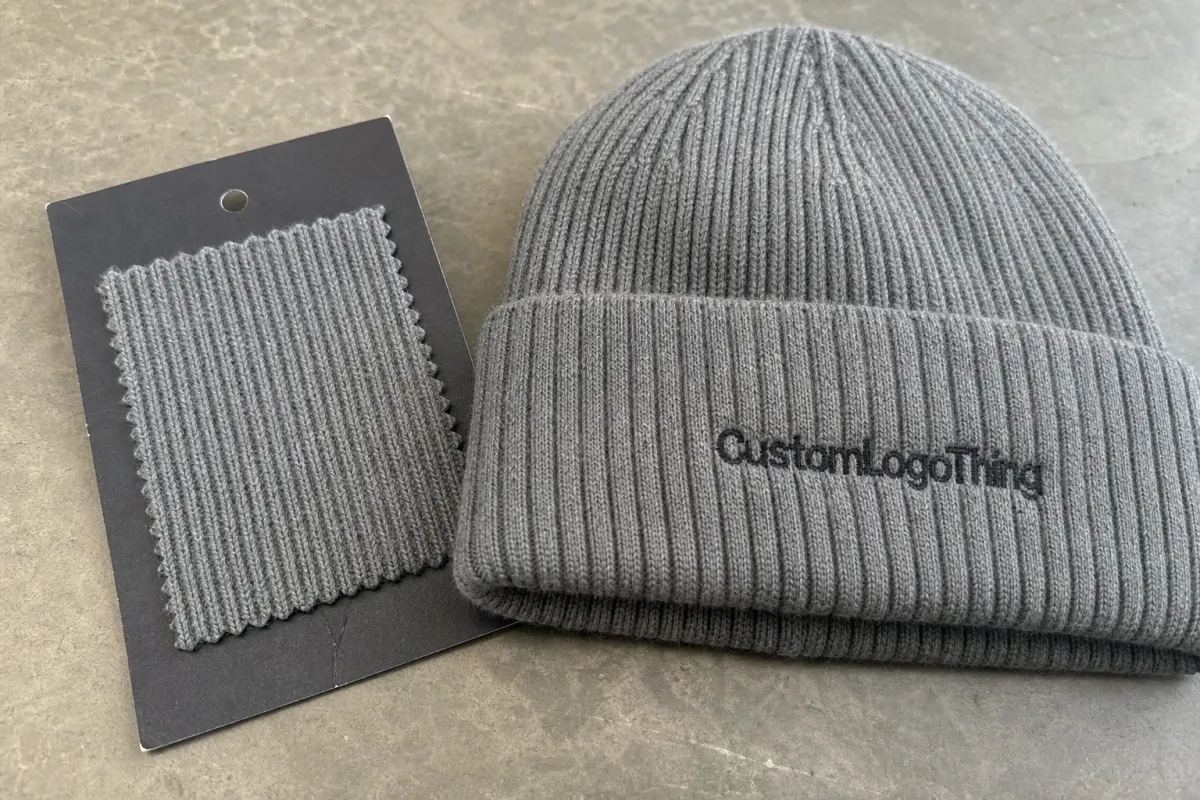
The best way to use a wine club Ribbed Winter Beanies Material sample guide is to treat it like a performance check. The sample should answer practical questions quickly: does the yarn feel harsh, does the knit hold its shape, and does the cap read as premium or promotional? That is far more useful than a flawless render.
Start with brand fit. A boutique wine club usually needs a different tactile experience than a mass-market promo item. If membership boxes sell at a premium, a coarse acrylic cap can feel out of step with the rest of the package. If the club identity leans rustic and seasonal, a firmer knit with more structure may be the better fit. The sample helps you see whether the product supports the brand story or quietly works against it.
Proportion is another thing a sample exposes immediately. A ribbed beanie can look balanced in a listing shot and still sit too tall, collapse too easily, or pinch at the cuff. Photos flatten depth and hide recovery. A physical sample lets the buyer stretch, fold, and compare side by side. That is why a finished cap sample usually tells you more than a yarn card alone.
A good sample also shows its limits. One beanie cannot predict every wear scenario, every head shape, or every wash cycle. Even so, it narrows the field fast. If the handfeel is wrong at sample stage, production will not fix it. If the stretch recovery is weak now, it will not improve later.
Packaging around the sample matters too. A clean shipment in an FSC-certified corrugated cardboard mailer with kraft paper fill creates a more reliable review than a crushed or overpacked parcel. If the brand is making recycled or low-waste claims, make sure the shipment components match the message. Otherwise the first impression becomes a contradiction.
Include enough context with the sample to answer the questions buyers actually ask. Fiber composition, gauge, care notes, and one or two clear reference photos are usually the minimum. A plain poly bag with no labeling slows everything down because the team has to guess what they are looking at. For a recurring seasonal item, that is a bad habit to start.
How Sampling Works for Ribbed Beanies
Sampling usually starts with a spec sheet. The buyer sends the target audience, budget range, logo method, preferred fit, and any material constraints. The supplier then recommends yarns or knit structures that fit the brief. For a wine club, that might mean soft acrylic, wool blends, recycled yarns, or a cotton blend if breathability matters more than maximum insulation.
The first sample often answers one question well and several others only partly. A yarn card shows color and fiber content. A knit swatch shows texture and density. A finished cap shows fit, cuff behavior, and logo placement. Those are three different tools, not interchangeable versions of the same thing. A flat swatch will not tell you how the crown behaves under tension, and it will not show how the cuff sits after repeated folding.
Rib construction changes the experience more than many buyers expect. A 1x1 rib usually feels tighter, springier, and a bit more athletic. A wider rib can look bolder and feel more relaxed. Two beanies with identical fiber content can still wear very differently if the stitch count per inch changes only slightly. That is why side-by-side comparison is so useful.
Handle the samples in natural light. Stretch them several times. Watch the rebound after release. A piece that feels soft but stays baggy after stretching carries risk. A piece that feels firmer but snaps back cleanly is often the better choice for a cuffed winter hat. For wine club merch, structure often matters more than initial softness.
Here is a practical way to compare sample types:
| Sample type | What it tells you | Typical sample cost | Typical turnaround |
|---|---|---|---|
| Yarn card | Fiber feel, color range, basic texture | $0-$10 | 2-5 business days |
| Knit swatch | Stitch density, stretch, surface look | $10-$25 | 4-8 business days |
| Finished cap sample | Fit, cuff stability, drape, logo placement | $20-$60 | 7-15 business days |
| Custom-dyed sample | Color match under production conditions | $30-$75 | 10-20 business days |
The table makes the tradeoff obvious. The cheapest sample rarely answers enough questions. A finished cap sample costs more, but it can prevent a bad fit decision or a color mistake that would be far more expensive at scale.
One small detail that gets ignored too often: transit packaging. A sample delivered in a sturdy box with a kraft paper sleeve or well-designed protective insert gives a fairer read on the cap itself. A beanie that arrives flattened by poor packaging is not a valid test of knit quality. The sample needs to survive the shipment the way the final product will survive a real customer journey.
Material Factors That Change Fit, Feel, and Warmth
Fiber content is the first filter, but it is not the only one. Acrylic is usually the most cost-controlled option. It keeps pricing manageable, washes easily, and can mimic wool-like bulk at a lower price point. Wool blends add warmth, natural resilience, and a more elevated handfeel, though they usually increase both cost and care sensitivity. Cotton blends breathe better, but they are typically less warm and often lose some of the springy recovery buyers want in a winter rib knit.
Recycled yarns are increasingly common, especially for clubs trying to connect merchandise with sustainability messaging. That can include yarn made from post-consumer waste or blends with recycled polyester. The important part is verification. Recycled does not automatically mean softer, warmer, or better behaved in the knit. Some recycled yarns have a fuzzier surface or less crisp stitch definition than virgin fiber, which can matter a lot on a ribbed cap where texture is visible up close.
Gauge and yarn thickness matter almost as much as fiber content. A heavier yarn can improve warmth and create a fuller silhouette, but it also changes packability. A beanie that folds into a pocket easily does not behave the same way as one that takes up half a tote bag. That difference matters for welcome kits, event giveaways, and retail shelves because perceived value is tied to how the item handles, not only how it looks.
Stretch and recovery deserve their own check. Ribbed beanies depend on elastic behavior to fit a wide range of heads comfortably. If the cuff loosens after one stretch cycle, the hat may look tired before it leaves the box. Buyers should stretch the cuff several times, then pause and watch how far it rebounds. Quick recovery matters because the buyer is not testing the knit in a lab vacuum; they are testing it against real wear patterns.
Other checks are less glamorous but just as revealing:
- Pilling risk: rub the swatch lightly and look for fuzz after repeated handling.
- Color stability: compare the sample in daylight and indoor light before approving a deep burgundy or charcoal shade.
- Seam comfort: feel the inner join at the cuff, especially if the beanie will be worn for long stretches.
- Wash response: ask for care guidance and shrinkage expectations before locking the spec.
- Brand fit: decide whether the texture reads premium, outdoorsy, or promotional.
ASTM test methods can help buyers and suppliers speak the same language about stretch, colorfastness, and wear behavior. That does not mean turning the order into a lab report. It means replacing vague adjectives with criteria the production team can actually build to. Once the expectations are written down, the approval process becomes a lot less subjective.
Production Process and Timeline for Sample Approval
A workable sample timeline usually moves through six steps: spec submission, yarn or fabric sourcing, sample knitting, shipping, internal review, and final sign-off. Speed depends on how custom the product is. If the supplier can use stock yarn and a standard knit setup, the first sample may be ready in roughly 7-10 business days. If the order requires custom color work or a specialty blend, plan for 12-20 business days before the sample arrives.
Most delays come from missing details rather than from the knitting itself. Unclear color references create more problems than almost anything else. Late changes to logo placement or cuff height do the same. A buyer may approve the general shape, then ask for a taller fold or a smaller mark after the sample arrives. That kind of revision resets part of the process and can push the schedule back by a week or more.
Internal review needs breathing room. Give the sample a few days for actual use, not just desk inspection. Let someone wear it outdoors. Compare it with a previously approved cap if one exists. Check how it looks next to bottle packaging, tasting notes, or a gift box insert. A beanie may be technically correct and still feel visually off in the final set.
Lead time matters because production capacity is finite. A supplier can only hold so many knitting slots. Once your order is approved, that slot is reserved. If approval drifts, you do not just lose time; you often lose the run window that matched your seasonal launch. That is a real risk for winter merchandise, where missing the first cold spell can reduce the perceived value of the item.
A simple approval checklist helps keep the team aligned. Useful criteria include “stretch recovery within expected range,” “cuff fits comfortably on an average adult head,” and “no visible color mismatch versus approved swatch.” These notes make final sign-off repeatable instead of emotional.
Packaging should be part of the timeline too. If the final cap will ship in corrugated cardboard with tissue, a kraft paper sleeve, or a protective insert, the sample should reflect that approach as closely as possible. Otherwise the team may approve a product that looks good on the bench but behaves differently in real packing conditions.
Cost, MOQ, and Unit Cost Considerations
Sample pricing and production pricing are related, but they are not the same thing. Some suppliers charge a sample fee that gets credited back if the order moves forward. Others waive the cost once the buyer commits to volume. Either way, the sample should be treated as risk reduction, not as a nuisance line item.
For production, the main cost drivers are fiber blend, knit complexity, dye work, labeling, and decoration. A plain acrylic ribbed beanie with a simple woven label might land around $1.80-$3.20 at moderate volume. Add wool blend yarn, custom color matching, embroidery, and specialty packaging, and the number can move into the $3.50-$6.50 range or higher. Exact pricing depends on quantity, decoration density, and country of origin.
MOQ changes the math quickly. If you order 300 pieces instead of 3,000, setup costs are spread across far fewer units. Unit cost rises even if the beanie itself is simple. Lower MOQ is safer for testing a seasonal program, but it can make the item feel more expensive than the retail plan can support. Larger runs usually reduce unit cost, yet they require stronger confidence in the sample because the downside is bigger if the spec is wrong.
Freight, duties, and revision costs should be included in the comparison. A quote that looks cheaper by 15% can disappear once air freight, import duty, and extra sample rounds are added. Buyers often forget label changes too. A small update to hang tags, woven labels, or retail packaging can create real cost if it forces a second production run of packaging components.
Here is a simple comparison framework buyers can use:
| Option | Risk level | Unit cost trend | Best use case |
|---|---|---|---|
| Stock yarn, standard label | Low | Lowest | Fast seasonal drops and member gifts |
| Custom color, standard knit | Medium | Moderate | Brand-matched retail programs |
| Specialty blend, custom packaging | Higher | Highest | Premium club merchandise |
The comparison shows why the cheapest quote is not always the cheapest buy. For a wine club, unit cost only makes sense if the final hat matches the membership tier and the packaging around it. Otherwise, the order saves a little at purchase and loses more in perceived value.
Common Sample Review Mistakes to Avoid
The biggest mistake is approving from photos alone. A screen can hide roughness, flatten knit depth, and make two very different yarns look nearly identical. If the product is supposed to feel premium, the sample has to be touched, stretched, and worn. A polished image is not enough evidence.
A close second is judging softness only at first touch. Some fibers feel pleasant for 30 seconds and then reveal weak structure, poor bounce, or surface fuzz. That matters with hats because the experience is not static. The beanie gets folded, pulled on, tucked into a coat pocket, and used again. One quick handling test is not a meaningful wear test.
Teams also underestimate head-size variation. A cuff that feels perfect on one tester may pinch on another, or it may sit too loose once pulled down over the ears. If the audience includes staff gifts, loyalty rewards, and customer merchandise, test the cap on more than one person. Small fit shifts can be the difference between a hat people keep and a hat they leave behind.
Care instructions are another blind spot. If the beanie shrinks, pills, or sheds color after washing, approval should not stand. Ask for care guidance and, where possible, test a sample wash before moving to production. The same applies to color transfer if the hat will be packed against light fabric or included in a gift set. A sample that looks fine dry can behave very differently after cleaning.
Packaging gets ignored more often than it should. People evaluate the hat and forget the shipper, even though transit can distort the sample before anyone sees it. A beanie packed in a flimsy carton can arrive crushed, damp, or misshapen. A corrugated cardboard shipper with kraft paper protection is a better way to preserve the actual knit shape and make the review reliable.
Revision creep is the last common trap. If the yarn is right but the logo is too small, fix the logo. If the knit density is off, change the knit. Keep the issues separate so a compromise does not become the final product by accident. A muddy approval usually means nobody gets exactly what they thought they were approving.
Expert Tips and Next Steps for Final Approval
Create a one-page scorecard before the sample arrives. Rate handfeel, stretch recovery, warmth, color match, stitch quality, cuff stability, and brand fit on a simple 1-5 scale. That keeps the conversation grounded and prevents the loudest opinion from overruling the most useful one.
Ask for one alternate if the first sample is close but not right. A different yarn twist, a slightly tighter gauge, or a marginally heavier knit can change the final result more than a logo tweak ever will. In knitwear, small technical changes often create a bigger visual shift than buyers expect.
Keep a reference library. Save approved swatches, supplier notes, fit comments, and packaging specs from each release. That archive makes future seasonal orders faster and gives the team a memory beyond whoever happened to be in the room that day. For a recurring wine club program, consistency is often worth more than novelty.
Lock the product and the presentation together. If the final cap ships in FSC-certified outer packaging, note the actual material makeup, the insert style, and whether recycled materials or biodegradable packaging components are part of the final deliverable. That way the merchandising story, the supply chain details, and the customer-facing claims stay aligned.
If you are comparing suppliers, ask for three things: a written spec sheet, a dated sample lead time, and a clear explanation of what is included in the quoted price. Those details eliminate most of the guesswork. They also make it easier to compare options without letting a low headline number distort the decision.
Handled well, the wine club Ribbed Winter Beanies material sample guide becomes a repeatable standard rather than a one-time buying aid. It gives the team a practical way to judge material, fit, packaging, and price before the order gets expensive. That is where better merch starts: not with a louder logo, but with a better material decision.
FAQ
What should a wine club ribbed winter beanies sample kit include?
At minimum, ask for a knit swatch, fiber or yarn details, color references, and one finished cap if the order is serious. If branding is involved, request logo placement examples and notes on gauge, stretch recovery, and care behavior. A kit that only shows color is not enough to approve a production run with confidence.
How do I compare ribbed beanie materials without guessing?
Handle the samples in natural light, then stretch each one several times and watch how fast it rebounds. Compare softness, thickness, and surface texture side by side. If one sample feels better but loses shape, that is a warning sign. The most useful comparison is tactile first, visual second.
What is the usual lead time for material samples and production?
Stock-yarn samples are usually faster than custom-dyed or specialty-blend samples. A straightforward swatch may arrive in under a week, while a finished cap sample often takes closer to 7-15 business days. Production timing starts after approval, so slow feedback can push the whole schedule back quickly.
How does MOQ affect the unit cost of ribbed winter beanies?
Higher MOQ usually lowers unit cost because setup and sourcing expenses are spread across more pieces. Lower MOQ reduces inventory risk, but it makes each beanie more expensive. Ask whether sample fees, embroidery setup, and label changes are included so you can compare true landed cost rather than only the headline quote.
What is the biggest mistake in a material sample guide for beanies?
The biggest mistake is judging the fabric only by appearance and ignoring stretch, warmth, and recovery. A close second is approving before testing the cuff on real heads and real use cases. Once those checks are documented, reorder decisions become far more consistent and a lot less political.