A wine club unstructured dad hats Unit Cost Review usually starts with a deceptively simple question: will members wear the hat after the bottle shipper is opened, or will it disappear into a drawer with the corkscrew and tasting booklet? That answer matters more than the opening price. A soft, low-profile cap often delivers better long-term value because it behaves like something people already own and trust, not a giveaway they feel obligated to wear once.
Wine club merch works best when it feels useful, calm, and slightly understated. It needs to fit beside glass, paper, and protective inserts without adding bulk, and it needs to hold up to actual use. The strongest programs usually balance comfort, decoration quality, and a unit cost that makes sense at member scale. None of those pieces can be treated separately.
That is the difference between a cap that gets photographed during unboxing and one that gets worn on errands, at the tasting room, or on a weekend drive. The second outcome is harder to design for, but it is the one that tells you the merchandise did its job.
Why Wine Club Merch Works Better in an Unstructured Dad Hat
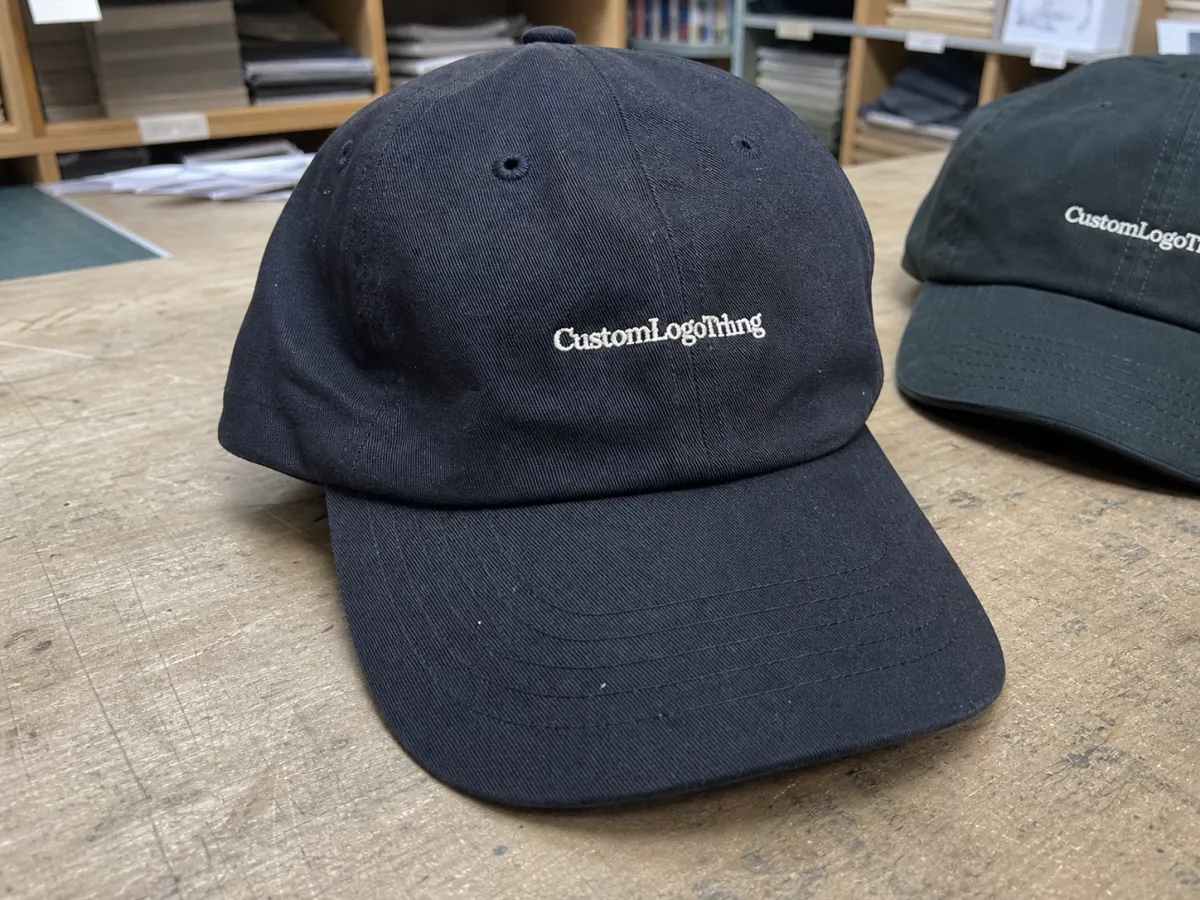
An unstructured dad hat makes sense for wine clubs because the silhouette is relaxed, familiar, and easy to pack. A stiff structured cap can read too promotional, especially for brands that already rely on bottle presentation, label design, and printed collateral to carry the premium feel. A soft crown lands differently. It feels closer to lifestyle wear and less like event swag.
The packing advantage is easy to miss until a shipment gets built. Dad hats flatten more naturally than heavy six-panel caps with firm buckram, which makes them easier to place in the same carton with bottles, inserts, and gift items. Less bulk means less pressure on the shipper and less chance that the hat arrives with a crushed crown or bent visor. In club programs, those small handling differences matter.
There is also a branding reason to favor restraint. A vineyard or wine club usually does not need oversized front-panel decoration to be recognized. A clean embroidered mark, a small woven patch, or a subtle label can feel more premium because the hat is not competing for attention. That is useful for member-only merchandise, where the goal is often repeat wear instead of loud visibility.
In practice, the better wine club hat is the one that looks normal in everyday use, not just the one that photographs well in the unboxing shot.
Some buyers still default to structured styles because they look more familiar in catalog images. In a real club order, that can be the wrong instinct. If the fit feels too rigid, or if the front panel stands away from the head in a way that does not suit the brand, the hat may be technically fine and still fail as merchandise. The more natural the shape, the more likely it is to stay in rotation.
Materials, Crown Shape, and Fit Details That Matter
The construction choice matters on paper and even more in hand. Most club buyers are choosing among six-panel or five-panel, structured or unstructured, and pre-curved or flat brim. For wine club merch, an unstructured six-panel cap is usually the safest starting point because it keeps the familiar dad hat profile while preserving a soft front panel. Five-panel options can look sharper in a mockup, but they shift the visual language toward streetwear and away from classic club apparel.
Fabric changes both the feel and the perceived value. Cotton twill is still the baseline for many programs because it is breathable, predictable, and easy to decorate. Brushed cotton softens the hand and reduces the rawness of a fresh production run. Garment-washed twill pushes the hat further toward a retail finish, with a worn-in look that many wine brands prefer because it feels less promotional. Pigment-dyed options add depth and a slightly faded surface, which pairs well with vineyard branding, though color variation is part of that look and should be accepted as such.
Crown depth is one of the most overlooked fit variables. A shallow crown can look elegant in a proof and still sit awkwardly on different head shapes. A deeper crown may feel roomy but can collapse in ways that make the cap look slouchier than intended. Adjustable closures help, but they do not solve everything. The under-peak shape, back opening, and internal sweatband all influence how the hat wears after a few minutes, not just how it looks on a flat lay.
Decoration behaves differently on a soft crown than on a structured one. Flat embroidery is the most economical and is usually the cleanest option for a restrained logo. A woven patch can support finer details and gives the hat a more finished retail appearance. Woven labels or small side hits work well when the identity needs to stay subtle. A 3D embroidery treatment can be attractive on firmer front panels, but on a very soft cap it can introduce unnecessary stiffness and make the crown buckle. The decoration should match the fabric, not fight it.
If the club wants a premium result without pushing the price too far, these combinations are usually the most efficient:
- Soft cotton twill + flat embroidery for the cleanest cost structure and the lowest visual noise.
- Garment-washed cotton + woven patch for a more retail-like finish and better detail retention.
- Pigment-dyed cotton + tonal embroidery for subtle branding with strong wear appeal.
Thread count, stitch density, and logo scale matter more than many buyers expect. A small logo with a dense stitch count can cost more than a slightly larger logo with simpler geometry. That is one reason digital mockups can be misleading: they do not show how the hat behaves when the decoration has real weight and tension on a soft panel.
Wine Club Unstructured Dad Hats Unit Cost Review, MOQ, and Quote Drivers
This is where the wine club unstructured dad hats Unit Cost Review becomes useful. The final number is rarely just the blank cap. It is the blank, decoration, setup, packaging, and freight path all folded together. A quote that looks attractive on the first line can lose its value quickly if it hides sewing fees, color changes, sample charges, or retail packaging add-ons.
For simple embroidery on a stock cap, a realistic cost range often falls around $4.25-$6.50 per piece at 100 units, $3.10-$4.25 at 250 units, and $2.40-$3.45 at 500 units. Patches usually cost more because they add a second production step. More complex stitch counts, specialty finishing, custom labels, or dense logo fills can move the number upward again. That is normal. The key is understanding which variable is driving the change.
MOQ depends on what is being customized. A stock cap with a single embroidery location may start lower, especially if the supplier already carries the base color. Once the order includes custom closures, specialty fabrics, or a fully custom patch package, the minimum often rises because the production setup becomes more involved. For a wine club buyer, the useful question is not, "What is the cheapest cap available?" It is, "What minimum quantity gives us the look we want without carrying dead inventory?"
| Decoration Option | Typical Unit Cost at 100 | Typical Unit Cost at 250 | Typical Unit Cost at 500 | Best For | Notes |
|---|---|---|---|---|---|
| Flat embroidery | $4.25-$6.50 | $3.10-$4.25 | $2.40-$3.45 | Clean brand marks and controlled budgets | Usually the lowest setup burden; stitch count still affects price |
| 3D embroidery | $5.25-$7.25 | $3.85-$5.10 | $2.95-$4.25 | Bold logos with strong front-panel presence | Works best on firmer fronts; not ideal for many unstructured crowns |
| Woven patch | $5.10-$7.75 | $3.90-$5.75 | $3.10-$4.75 | Fine detail and a more retail-style finish | Patch size, border finish, and application method affect tooling and labor |
| Suede or faux-leather patch | $5.75-$8.25 | $4.25-$6.25 | $3.40-$5.25 | Premium club programs and lifestyle branding | Visually rich, but not every logo reads well in this format |
Those ranges are a starting point, not a promise. Small details add up quickly. Multiple thread colors increase sew time. Larger patch footprints increase material cost. Custom interior labels, size stickers, belly bands, or individual polybags all add labor and packaging expense. Rush freight can also shift the landed cost more than the decoration itself, especially if the order is moving alongside bottled wine.
One practical way to quote the order is in tiers. Compare 100, 250, and 500 pieces using the same decoration and the same packaging assumptions. The cost curve becomes much easier to read. Sometimes 250 pieces is the sweet spot because the per-unit savings are meaningful without overcommitting inventory. In other cases, the difference between 250 and 500 is small enough that the larger run is the more sensible buy, particularly if the club plans a second release or a reorder within the same season.
Another detail worth checking is whether the supplier is quoting the same cap model across all tiers. Some quotes quietly switch blank styles at different quantities, which can make the comparison misleading. A true unit-cost review only works if the base hat, decoration method, and finishing requirements stay consistent.
Process, Timeline, and Approval Steps for a Hat Order
A clean order usually follows the same sequence: art intake, digital proof, sample or sewout if needed, production, inspection, and shipping. The bottleneck is usually approval. If the logo file is unclear, the placement is not defined, or the buyer changes the closure or patch shape late in the process, the schedule stretches. That is true for hats, and it is true for most soft goods.
For straightforward embroidered caps on stock blanks, production often lands around 10-15 business days after proof approval. Patch programs, custom labeling, or packaging upgrades can extend that to 15-25 business days, depending on materials and response time. Seasonal spikes matter too. If the hats are tied to a holiday shipment, a harvest release, or a membership renewal cycle, the schedule should be padded early rather than repaired later.
The best way to keep the order moving is to lock a complete spec sheet before production starts. The supplier should know the exact hat style, panel count, crown depth, brim curve, closure type, logo location, and thread colors. Leaving two placement options open at proof stage sounds harmless, but it usually slows the process and can lead to a revised quote after the fact.
Approval discipline is not paperwork for its own sake. It is what keeps avoidable rework out of the order. In apparel and packaging, the fastest jobs are generally the ones with the fewest unresolved decisions.
Timing matters even more when the hat is part of a club shipment rather than a standalone order. The cap has to align with bottle fulfillment, card inserts, and carton assembly. A hat that arrives a week late can disrupt the presentation even if the decoration itself is perfect. That is one reason realistic lead times are more valuable than aggressive promises.
Quality control also belongs in the timeline. A proper inspection should confirm the decoration position, stitch consistency, closure function, color match, and general hand feel before anything ships. If the first batch is correct, the reorder path is much easier to trust.
Specs to Lock Before You Approve the Sample
A sample only helps if the target is already defined. Before approving anything, confirm the hat style, panel count, crown depth, brim curve, closure type, fabric color, and decoration method. Those are the basics. The smaller details underneath them often decide whether the final piece feels polished or merely acceptable.
- Pantone tolerance: Decide whether the supplier needs an exact color match or can work within the nearest fabric dye standard.
- Stitch density: Dense embroidery looks fuller, but it can also stiffen a soft crown and change the drape.
- Patch backing: Adhesive, sew-on, and heat-applied backings behave differently in production and during wear.
- Interior finish: Taping, sweatband material, and label placement affect how the hat feels from the inside out.
- Packaging: Standard polybag, size sticker, belly band, or retail presentation all change timing and cost.
The most common mistakes are not dramatic. They are small omissions that create friction later. Vague artwork invites guesswork. Missing dimensions trigger re-quotes. Unclear thread colors lead to inconsistency. Undecided packaging requirements delay final packing because the supplier cannot complete the job until the presentation plan is fixed. That is not a failure of the production team; it is a sign that the brief was incomplete.
A sample should verify more than appearance. An unstructured cap can look correct on a screen and still feel wrong on the head. It might be too shallow, too stiff, or too loose in the back. The only reliable check is to handle it like a wearer would: put it on, adjust the closure, feel the crown, and look at the logo from a few feet away under normal light.
If the club expects repeat orders, document the approved sample carefully. Keep the artwork file, stitch count, patch dimensions, fabric color, closure spec, and packaging choice together. That habit protects consistency later and reduces the chance that a reorder quietly drifts away from the original piece.
What to Look for in a Supplier on Club Hat Programs
A strong supplier does more than quote a low number. They explain the cost structure clearly, separating the blank cap, decoration, and setup charges so the buyer can see what is actually driving the price. They also flag risk when it appears. If a logo is too dense for a soft crown, or if a patch will solve a readability problem that embroidery would complicate, that guidance is worth more than a generic yes.
Look for someone who understands repeat wear, not just first-impression merch. Wine club audience behavior usually favors restraint, stable color, and comfortable construction over flashy novelty. The right partner should be able to recommend a cap style based on those realities rather than pushing the same blank across every account.
Ask for construction photos, sample shots, and interior details, not just a polished mockup. Stitch quality, patch edge finish, sweatband construction, and the way the cap sits when it is not stuffed with paper all tell you more than a digital rendering. If you need packaging that aligns with a sustainability goal, ask whether the shipper materials can come from an FSC-certified supply chain through FSC. If the hats are moving with bottled wine or through a heavier freight lane, it also helps if the supplier understands the transit assumptions behind ISTA testing logic.
Consistency matters more than a one-time discount. A club program is rarely a single purchase. It is a repeat system. If the color, fit, and decoration quality shift from batch to batch, members notice sooner than most buyers expect. A well-documented reorder process, by contrast, makes the next round faster and less risky.
It also helps if the supplier can speak plainly about tradeoffs. A lower MOQ may be useful for a test run, but it can increase the per-piece cost and reduce room for finish upgrades. A more premium patch might improve the feel of the piece, but only if the logo supports that treatment. A good vendor can explain those choices without dressing them up.
A supplier who can explain the tradeoff between a lower MOQ and a cleaner finish is usually worth more than a quote that only looks cheap on the first line.
For wine clubs, the hat has to feel like part of the membership experience, not a leftover promo item with a logo slapped on it. That difference shows up in the fit, the material, the stitch quality, and the confidence of the final presentation.
Next Steps to Turn a Brief Into a Quote
If you want a useful quote quickly, send a tight brief. Include final artwork, logo placement, hat style preference, fabric color, closure preference, quantity tiers, ship-to address, target in-hand date, and packaging needs. A complete brief usually produces cleaner pricing on the first pass and reduces the back-and-forth that slows approval.
It also helps to compare two decoration methods side by side if the budget is tight. Flat embroidery versus a woven patch can change the unit cost without dramatically changing the overall feel, depending on the logo and the cap construction. That comparison usually reveals where the money is actually going and which detail is worth preserving.
A practical quote checklist:
- Confirm the exact cap style and panel count.
- Decide on embroidery, patch, or label application.
- Choose a fabric finish that matches the brand tone.
- Ask for pricing at 100, 250, and 500 pieces.
- Request setup charges, sample costs, and freight separately.
- Approve the spec sheet before production starts.
Once the numbers and the schedule line up, move straight into proof approval. That path is usually cleaner than continuing to shop for marginal differences that do not improve the actual product. If the brief is complete and the artwork is final, the order can move with far fewer surprises.
For buyers comparing options, the test is simple: does the wine club Unstructured Dad Hats unit cost match the exact style, decoration, MOQ, and in-hand date you need? If it does, the next move is to lock the spec, approve the proof, and let production start.
FAQ
What is the minimum order for wine club dad hats?
MOQ depends on the decoration method, fabric choice, and whether the cap uses standard stock colors or custom details. Simple embroidery on a stock unstructured hat usually supports a lower entry point than patches, specialty dyes, or custom labels.
What drives wine club unstructured dad hat unit cost the most?
Quantity, stitch count, thread color count, and any added patch or label work usually have the biggest effect on unit cost. Rush timing, sample requests, packaging changes, and freight can also shift the final landed price.
Which decoration looks best on an unstructured dad hat for a wine brand?
Front-center embroidery is the most common choice because it reads cleanly on a soft crown and stays cost-effective. Woven or embroidered patches work well when the logo needs more texture or a more retail-style finish.
How long does production usually take after approval?
Production starts after the final proof is approved, so fast feedback shortens the timeline. Simple orders often run around 10-15 business days, while patch work, custom labeling, or packaging changes usually take longer.
Can we reorder the same wine club dad hat later?
Yes, repeat orders are easier when the original spec sheet, artwork, and decoration details are documented well. Keeping the same fabric, closure, and logo placement helps maintain consistency and makes future quotes faster.


