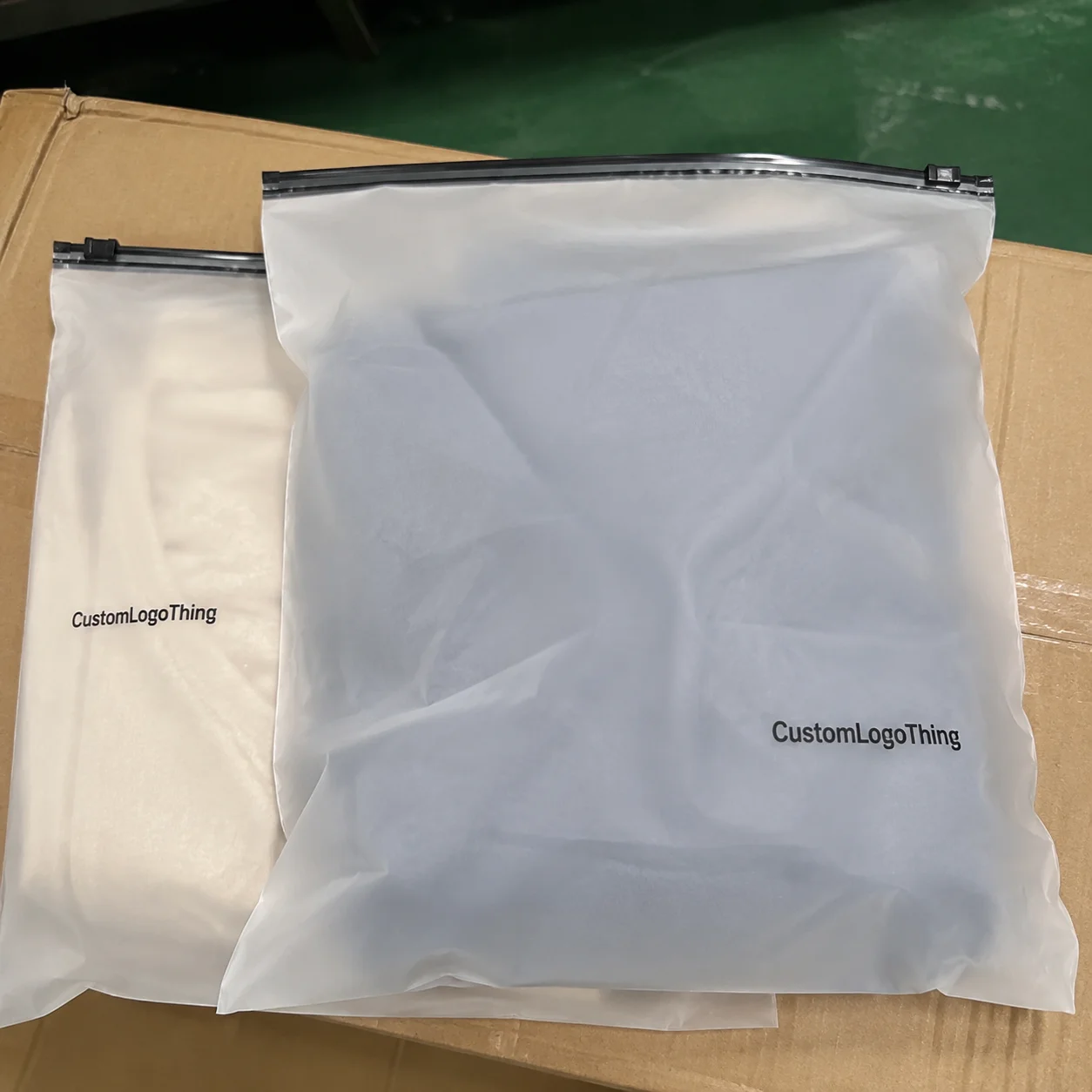
Streetwear buyers do not give packaging much grace. It gets a quick look, a quick feel, and often a quick judgment before the garment itself does the talking. That is why a clear Zip Lock Bags for streetwear labels cost breakdown matters: the bag is not a side detail, it is part of presentation, protection, and margin control.
Resealable apparel bags are used for tees, hoodies, accessories, and drop-day bundles because they do several jobs at once. They keep dust off the product, reduce handling damage, support retail display, and still leave enough visibility for the fabric, print, or folded shape to sell the item. Compared with rigid boxes, they are lighter, easier to store, and easier to ship.
The real buying question is not whether a zip bag works. It does. The question is which specs change the unit price, which details affect the final look, and where brands accidentally overpay.
Why streetwear brands are switching to zip lock packaging
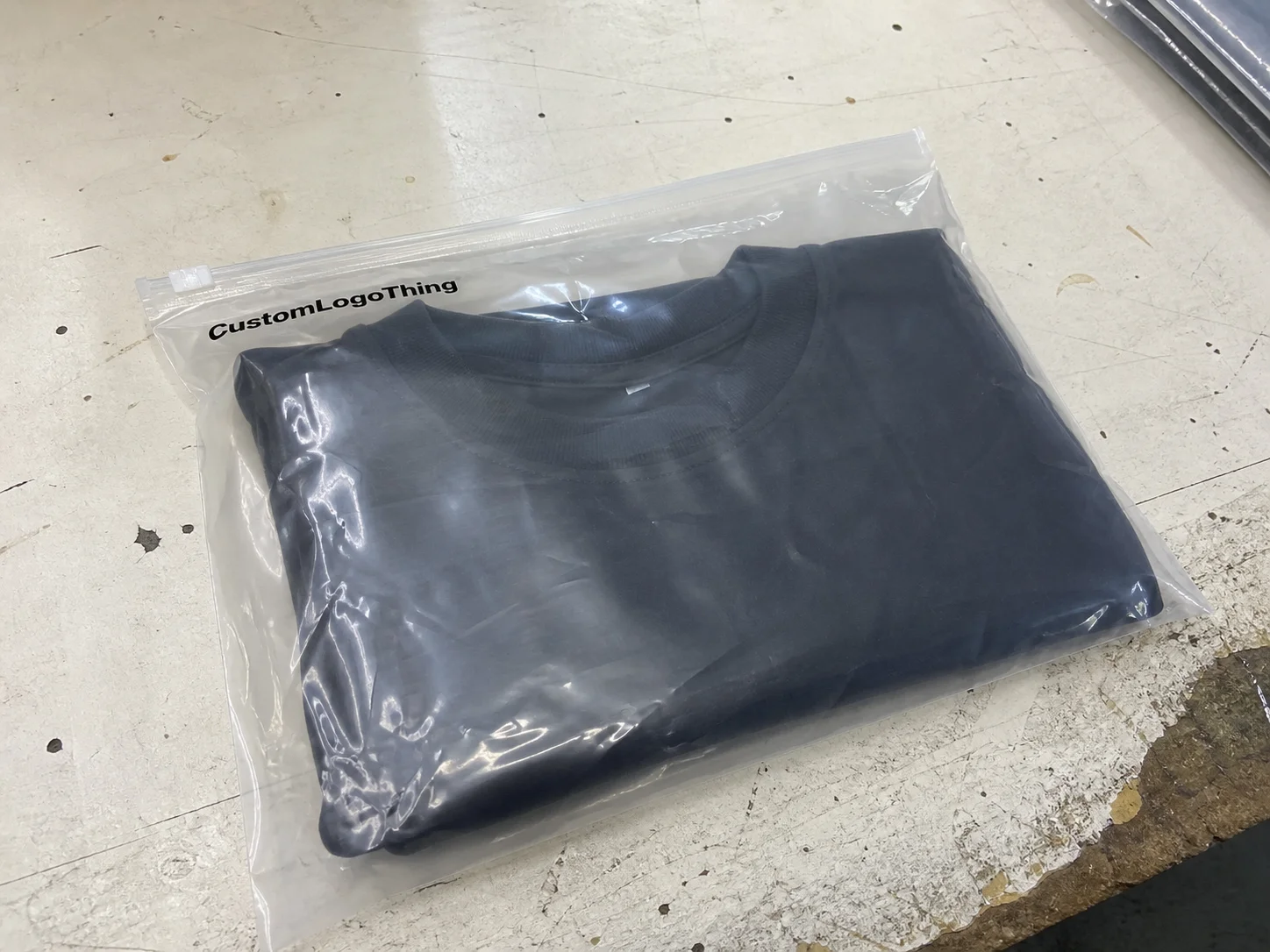
Streetwear packaging has moved past the plain poly bag that disappears the moment the carton is opened. Brands want packaging that feels intentional before the garment is unfolded. A clear or frosted zip bag keeps the fold neat, lets the customer see the color or print, and leaves room for size labels, inserts, or care notes without adding a rigid box.
That matters because streetwear is bought visually first. A tee in a clean resealable bag reads as organized. A hoodie in a printed bag feels more premium. A bundle with a cap, tee, and sticker pack looks more valuable when the packaging matches the drop concept instead of looking like an afterthought.
There is also a practical reason buyers keep coming back to this format. Dust protection prevents avoidable complaints. Moisture resistance helps during storage and transit. Reclosable packaging makes warehouse handling easier when items need to be checked, returned, or repacked without tearing through the outer layer.
For most labels, zip bags fit four common jobs:
- E-commerce shipping for folded apparel and inserts
- Retail shelf display where visibility matters
- Limited-release presentation where the brand story has to land quickly
- Accessory packaging for socks, caps, patches, and small add-ons
Boxes still have a place for high-end sets and gift-style packaging. But they are heavier, more expensive to ship, and less forgiving on minimum order quantity. For many streetwear runs, a custom zip bag gives a better balance of presentation and cost control.
“A good apparel bag should protect the garment, show the brand, and avoid eating into margin. Anything beyond that has to justify itself in the spec sheet.”
Product details that affect fit, finish, and branding
Not all zip bags behave the same way. The style, film, print method, and closure all affect how the package looks and how much it costs. Buyers often compare only size and overlook the rest, which is where quote surprises begin.
Bag style is the first decision. Press-to-close poly bags are common for tees and lightweight accessories. Slider zip bags feel more premium and are easier to open repeatedly. Standard resealable apparel bags sit in the middle: efficient, familiar, and practical for bulk packaging.
Material choice matters just as much. PE and LDPE are common because they are flexible, lightweight, and suitable for apparel. Thicker frosted film creates a softer finish and hides minor fold imperfections. Clear film keeps the product visible, which is useful for retail and warehouse operations. Black, white, or tinted bags make a stronger statement, but they reduce visibility.
Printing affects both appearance and price. A one-color logo is usually the most cost-efficient route. Full-surface branding, detailed graphics, size callouts, warning icons, and barcode areas increase setup complexity and can push the quote up quickly. More ink coverage also means more prepress work and tighter inspection.
Optional features are useful only when they solve a real problem. Euro holes help with peg display. Hang holes support retail presentation. Tamper-evident closures can make sense for security-sensitive product lines. Matte film gives a softer look; gloss film reflects more light and tends to make color pop.
Size selection is another place where money gets wasted. A bag that is too large looks loose and uses extra film. A bag that is too tight wrinkles the garment and can create sealing problems. The best fit is usually the folded product size plus a small allowance for clean insertion and a neat finish.
Specifications buyers should compare before ordering
Before asking for pricing, compare the specs that actually determine performance. The lowest quote is often built on thin film, narrow tolerances, and minimal print coverage. That may be acceptable for basic inserts, but it is a poor fit for heavier garments or premium drops where packaging is part of the product story.
Start with thickness, closure type, width, length, and print coverage. Thickness is usually shown in microns or mils. Lightweight tees can work with thinner film, but hoodies, sets, and bulk-packed items need stronger material to avoid tearing or weak seals. If the film is too thin, the savings disappear the first time a customer receives a damaged bagged item.
Opacity and finish deserve a closer look. Clear film is best for visibility. Frosted film softens the look and hides scuffs or folds. Black or white bags create a sharper brand statement but make it harder to see the actual product. That can be a problem for retail teams, warehouse staff, or any buyer who needs quick item recognition.
Performance and compliance questions depend on the use case. If the packaging must meet specific recycled-content requirements, ask for the exact material structure rather than accepting generic claims. If the brand wants recyclable options, confirm whether the bag is truly recyclable in the relevant stream and whether any mixed materials are involved. Marketing language should match the actual film and closure structure.
Production tolerances matter more than they seem to on paper. A few millimeters in width can change how a folded tee sits inside the bag. Seal strength can drift if temperature control is inconsistent. Print registration becomes noticeable as soon as the logo edge, barcode, or size mark is off by more than a small margin. Those details affect rework, returns, and whether the packaging feels consistent across a full drop.
Useful external references can help buyers sort claims from reality. Industry groups such as The Packaging Association and public guidance from the EPA recycling guidance can provide a baseline for material and recycling claims. The key is to confirm that any statement on the quote sheet matches the actual structure being produced.
Cost, pricing, MOQ, and quote factors explained
Here is the part most buyers actually need from the zip lock Bags for Streetwear labels cost breakdown: the total price usually comes from five buckets - material, printing, tooling or setup, packing, and freight. On small runs, setup charges and tooling can dominate the quote. On larger runs, raw material and logistics become more visible.
The most common mistake is treating the film cost as the whole story. It is not. Even if the resin itself is inexpensive, the order still requires printing setup, proofing, bag conversion, inspection, and packing. That is why the unit price drops quickly as quantity rises.
Typical pricing patterns look like this:
| Order Type | Typical MOQ | Indicative Cost per Piece | What Usually Drives Price |
|---|---|---|---|
| Stock-style clear zip bag | 500-1,000 pcs | $0.08-$0.18 | Size, thickness, freight |
| Custom logo, one-color print | 1,000-3,000 pcs | $0.14-$0.28 | Setup charges, print area, film weight |
| Frosted or premium finish | 2,000-5,000 pcs | $0.22-$0.45 | Material grade, finish, print coverage |
| Multi-color or full-surface branding | 5,000 pcs and up | $0.30-$0.70+ | Tooling fees, color count, registration |
These ranges are broad for a reason. Bag size, film type, print method, shipping lane, and whether the quote includes artwork proofing or samples all affect the result. A quote that looks lower at first may leave out essential line items. A quote that looks higher may already include the parts that reduce risk later.
MOQ deserves careful reading. Simpler bag constructions usually have lower minimums than custom-shaped or multi-color versions. If a supplier offers a very low MOQ, check whether the bag is stock, whether the print is limited, and whether setup is charged separately. A low entry point can still produce a higher true unit cost once all fees are added.
For a clean comparison, ask every supplier the same questions:
- Does the price include artwork proofing and sample approval?
- Are plates, dies, or other tooling fees included?
- Does the quote cover shipping to your warehouse?
- Are duties or import fees part of the total?
- What is the exact thickness and material specification?
The cheapest number on the page is not automatically the best choice. If seal quality is inconsistent, print durability is weak, or lead time misses the launch window, the inexpensive bag turns into a costlier failure than the premium option would have been.
Process and lead time from artwork to delivery
The order process should be predictable: inquiry, spec confirmation, artwork review, sample approval, production, quality check, packing, shipment. If that sequence is unclear, delays usually follow.
Most delays come from avoidable changes. Artwork revisions after proof approval are common, as are incomplete size specs, low-contrast graphics, or last-minute changes to quantity and closure style. A packaging run tied to a launch date cannot absorb endless revision cycles.
Lead times depend on complexity. Stock-style bags move faster because the format is already established. Custom printed runs take longer, especially when the design uses multiple colors or a premium finish. For straightforward custom jobs, a production window of 12-15 business days after proof approval is a realistic starting point, but larger orders or specialty finishes can extend that schedule.
Transport matters just as much as production. Sea freight, air freight, and domestic trucking each affect the final delivery date. A run that finishes on time can still arrive too late if shipping is not planned early. For launch-based streetwear, packaging delay becomes a sales delay.
Ask for the dieline or print template early. That gives design teams a fixed layout for logos, size notes, and any legal or care copy. It also reduces the chance of reproofs.
How our manufacturing approach reduces waste and rework
Packaging quality is not only visual. It is mechanical. A bag can look clean and still fail if the seal opens too easily, the film tears at the fold, or the print rubs off during packing. That is why inspection has to cover both appearance and function.
Good quality control usually includes seal-strength checks, print alignment review, thickness verification, and spot inspections during the run. Those checks matter even more when a brand is ordering multiple SKUs or repeating the same packaging style across several drops. One weak batch can create avoidable rework across an entire collection.
Standardized templates reduce risk. When artwork is built around a fixed dieline and approved proof, there is less room for mismatch between garment size, logo placement, and packaging format. That matters for streetwear labels that rotate colors and capsules while keeping the same packaging structure from one drop to the next.
Coordination between artwork, material selection, and production also cuts down on waste. It prevents a situation where one team assumes a feature is included and another team discovers it is not after production has already started. That kind of mismatch is expensive, especially when reprints or rush freight enter the picture.
Sustainability should stay practical. Recyclable film options may be available depending on the structure. Downgauging thickness can reduce material use if the product is light enough. Right-sizing the bag lowers excess plastic and improves presentation at the same time.
For brands that also use paper components, certification details matter. FSC applies to paper-based inserts or tags, not to every plastic bag by default. Packaging claims should always be checked against the actual material and process, not the marketing language attached to them.
Next steps to get an accurate quote and sample plan
If you want a usable quote, send complete specs. Not “need bag pricing.” Include the bag dimensions, garment type, quantity, print colors, closure style, finish preference, and target ship date. Precise input narrows the range and prevents misleading comparisons.
Ask for a sample or prototype before full production, especially for premium launches or the first time you are introducing custom packaging. A sample fit test can reveal whether the bag is too tight, too loose, too glossy, or too soft for the product line. One sample is far cheaper than one failed order.
It also helps to compare two or three spec-based quotes side by side. That keeps the conversation centered on quality, lead time, and finish instead of raw price alone. A lower quote may save a few cents per bag. A better quote may protect the whole launch schedule.
Before approving, run through a short checklist:
- Confirm the artwork and dieline
- Approve the proof carefully
- Lock the quantity
- Choose the shipping method
- Set a backup buffer before launch
For brands that also need insert cards, swing tags, or garment labels, pairing packaging with Custom Labels & Tags can tighten the overall presentation and reduce last-minute sourcing gaps.
A buyer who treats packaging like a spec sheet usually gets a better outcome than one who treats it like a guess. If you need a clearer zip lock Bags for Streetwear Labels Cost breakdown, start with exact dimensions, print count, and delivery window. That is the fastest route to a controlled cost instead of an open-ended one.
FAQs
What drives zip lock bags for streetwear labels cost the most?
Material thickness, print coverage, and total quantity usually have the biggest impact on unit price. On smaller runs, setup charges and tooling fees matter more; on larger runs, freight and film grade become more visible. Special finishes such as frosted film or extra sealing strength can also raise pricing.
What MOQ should I expect for custom zip lock apparel bags?
MOQ depends on size, print complexity, and whether the bag is stock or fully custom. Simpler designs often have lower minimums than multi-color or specialty-finish bags. A proper quote should confirm MOQ before you finalize artwork.
How long does production usually take for custom zip lock bags?
Timing depends on proof approval, quantity, and print method. Standard custom runs move faster when artwork is ready and specs are fixed early. Shipping method can add several days to several weeks to the total schedule.
Can zip lock bags be printed with a streetwear logo and size info?
Yes, bags can typically be printed with logos, sizing, care notes, and drop identifiers. The best layout depends on bag size, film type, and the available print area. Request a proof to confirm placement before production starts.
How do I choose the right size for apparel packaging?
Match the bag to the final folded product dimensions plus a little clearance for easy insertion. Heavier garments need more room and stronger film than lightweight tees or accessories. If you are packing multi-item sets, ask for a sample fit test before ordering in bulk.