Zipper Pouches for Apparel Samples: Buyer Order Checklist
Ordering packaging for a folded tee, hoodie, sock set, or hosiery sample sounds straightforward until the garment actually goes into the pouch. The Zipper Pouches for Apparel Sample Order Checklist should be the first document you use, because the fit, fold, zipper line, and insert card interact in ways that a flat proof cannot show. A pouch can look perfect on screen and still fail in hand if the fold is too thick, the closure sits too low, or the print sits too close to the seal.
Start With the Checklist
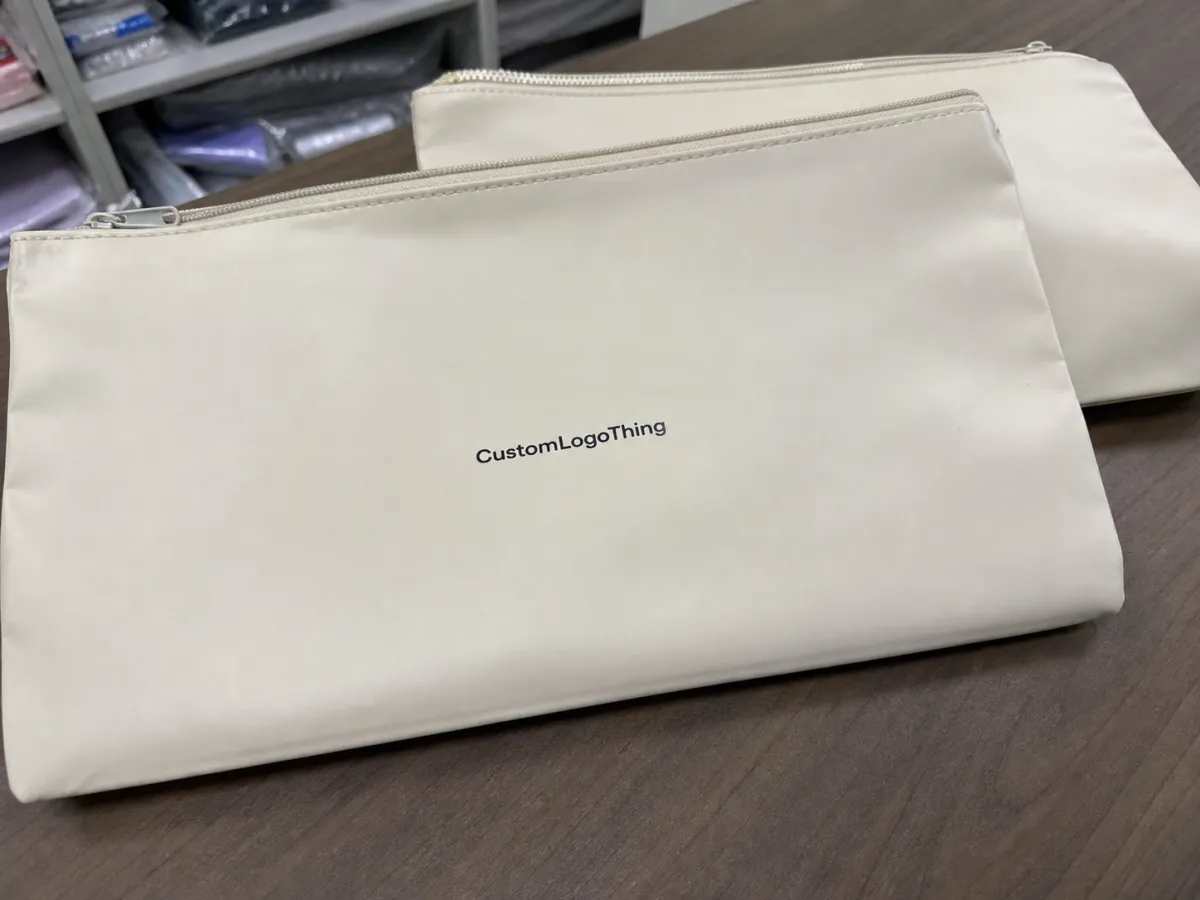
Most packaging mistakes begin with an incomplete brief. A buyer describes the garment, but not the fold. Or the artwork is approved, but the insert card is still undecided. Or the pouch dimensions are chosen before anyone checks how much space the zipper track and sealed edges will consume. The result is not usually a dramatic failure; it is a stack of small problems that slow the job down and add cost.
Start by identifying the real purpose of the pouch. A sample used for buyer review has different priorities than one used for internal fit approval, retail presentation, or shipping protection. Presentation calls for cleaner print, better clarity, and fewer handling marks. Internal sample packs can tolerate a plainer build if the pouch opens and closes well and protects the garment without fuss.
Then define the garment itself with more precision than “small tee” or “hoodie sample.” A folded tee, denim piece, knitwear item, layered outfit, and hosiery set all occupy the pouch differently. Thickness matters as much as length and width, because the zipper needs room to close without pinching the fold.
- State the sample purpose so the supplier knows whether display, protection, or repeated access matters most.
- Measure the finished fold rather than the flat garment, since the folded profile drives the pouch size.
- List any inserts such as size cards, brand cards, hang tags, or barcode labels before quoting.
- Note handling conditions like shipping, showroom use, or repeated buyer review, because those conditions affect film thickness and zipper choice.
A pouch that looks tidy when empty but bows, snags, or crowds the garment once filled is usually the wrong build, even if the print looks sharp.
That is why the zipper pouches for apparel sample order checklist should be treated as a working spec, not a formality. The earlier the fold, material, and print details are locked, the less likely the project is to drift into revision mode later.
Choose the Pouch Build That Matches the Garment
Clear, matte, and recycled-content films all have a place, but they do not behave the same way. Clear polyethylene or co-extruded PE pouches show fabric color and texture well, which helps when a buyer needs to inspect the sample quickly. Matte film softens glare and hides small scuffs, which can make premium apparel look calmer under bright retail lighting. Recycled-content film can support sustainability goals, but it still has to pass the practical test: clarity, seal strength, and consistent zipper feel.
The zipper style matters just as much as the film. A standard press-to-close zipper is common for sample packs because it opens and closes quickly during inspection. A stronger double-track zipper can improve closure feel and is useful if the pouch will be handled often. Slide zippers are less common, but they can make sense for showroom use or development rooms where the pack will be reopened many times.
| Film / Build | Best Use | Main Benefit | Tradeoff | Typical Cost Impact |
|---|---|---|---|---|
| Clear PE, 2-2.5 mil | Sample display, simple pack-out | Strong visibility and low cost | Shows fingerprints and scuffs more easily | Lowest |
| Matte film, 2.5-3 mil | Retail presentation, buyer review | Soft finish and better mark resistance | Reduces product visibility slightly | Moderate |
| Recycled-content film, 2.5-3 mil | Brand programs with sustainability targets | Supports material claims and internal goals | May need closer testing for clarity and seal feel | Moderate to higher |
Small details can change the cost structure faster than buyers expect. A hang hole, tear notch, vent hole, or euro slot can all help in the right setting, but each feature adds tooling or setup complexity. If the pouch will stay in a box until final review, a hang hole is wasted money. If the pouch needs to hang on a peg or move through retail fixtures, that same feature becomes practical rather than decorative.
Fit should follow the garment, not the other way around. A pouch that is too tight can crease the fabric, while one that is too generous makes a neatly folded sample look loose and unfinished. For most apparel sample packing, the target is a close fit with enough room for the zipper to close cleanly and the garment to lie flat.
Size, Gauge, and Print Specs Buyers Should Lock Down
Measure the finished folded garment, not the original flat piece. That sounds basic, yet it is one of the most common reasons a sample order slows down. A folded tee that measures 10 by 12 inches on the table may need a pouch closer to 11 by 13.5 inches once the zipper area, a card insert, and light compression are included. Hoodies, layered sets, and pieces with trims need even more room.
Film thickness should be stated clearly in mils or microns so the quote matches the protection level you expect. As a rough guide, 2 mil is often enough for light sample handling, while 3 mil feels better for shipping, showroom use, or repeated review. If the garment includes snaps, metal trims, sharp labels, or embellishments, thicker film usually prevents corner stress and reduces the chance of scuffing.
Print specifications need the same discipline. Define print placement, color count, barcode location, legal copy, and finish before approval. Artwork too close to the seal can look cramped once the pouch is made. A barcode placed too low or too close to a fold can scan poorly. Those are not cosmetic issues; they affect how the sample moves through receiving and review.
- Leave headroom above the folded garment so the zipper closes without crowding the contents.
- Ask for a dieline on custom sizes so trim tolerance and zipper placement are checked before production.
- Approve artwork on the correct panel because front-only, back-only, and two-sided print layouts behave differently.
- Confirm insert card dimensions if the sample pack uses one, since the card changes the usable interior width.
- Check the finished ratio so the pouch looks intentional instead of oversized or stretched.
A preproduction proof is worth requesting any time the pouch is not a stock size. It gives the buyer a chance to check zipper placement, print alignment, and the visual relationship between the garment and the pouch before the run starts. Small corrections are far cheaper at that stage than after the material has been cut and sealed.
One practical detail that gets missed often: if the artwork includes a white box, border, or small logo near the edge, ask how trim tolerance will affect the visual margin. Even a slight shift can make a clean layout look off-center once the pouch is filled and sealed.
Pricing, MOQ, and Unit Cost Drivers
Price is driven by size, film gauge, zipper style, print coverage, and quantity. Buyers often compare quotes that are not built the same way, then wonder why the numbers do not line up. A cleaner comparison starts by matching the same dimensions, the same material, the same closure style, and the same print coverage before judging the price.
MOQ usually rises when you add custom dimensions, more print colors, or specialty finishes. Those choices increase setup time and raise the number of variables the supplier has to control. If budget is tight, ask for alternate structures before cutting the entire concept. Sometimes a slightly simpler pouch preserves the presentation while lowering cost where it matters.
| Quote Scenario | Typical MOQ Behavior | Indicative Unit Cost | Best Fit |
|---|---|---|---|
| Plain clear pouch, stock size | Lower minimums are often possible | $0.07-$0.14 at 5,000 pcs | Internal samples, basic protection |
| Printed clear pouch, 1-2 colors | Moderate minimums | $0.16-$0.28 at 5,000 pcs | Buyer review packs, brand presentation |
| Custom size, matte or recycled film, higher print coverage | Higher minimums are common | $0.24-$0.45 at 5,000 pcs | Retail programs, premium sample kits |
Separate the quote into units you can compare: sample fees, tooling or plate charges, freight, and production unit cost. That keeps the landed number visible instead of hiding half the job in the fine print. On smaller orders, setup charges can matter almost as much as the unit price. On larger runs, freight and carton pack count start to matter more than most buyers expect.
As quantity rises, the math changes in a predictable way. A supplier can absorb setup over more pieces, but material waste, print complexity, and pack-out requirements still influence the final rate. If a quote looks unusually low, check whether the price excludes proofing, delivery, or a custom die. Hidden extras are common in packaging, and they usually appear late.
Process and Lead Time From Artwork to Approved Sample
Send the folded garment dimensions, target quantity, artwork, and pouch use case at the start. The quote and sample path are only as accurate as the information behind them, and a vague request usually leads to a vague answer. A supplier can work from a sketch, but the process moves faster if you provide finished fold measurements and state whether the pouch must hold an insert card or barcode label.
The supplier should confirm material, zipper style, print method, and dieline before production starts. That step saves time later, because changes after proof approval are the main reason sample jobs stretch. For standard printed runs, proofing often takes 2-4 business days if the artwork is ready. Production commonly lands around 12-15 business days after approval, though custom sizing, special film, or complex print can push that longer. Plain stock orders can move faster.
Build a buffer if the pouch has to arrive before a retail reset, a buyer meeting, or a sample handoff. Transit time is one variable, but revision cycles are another. A schedule that leaves no room for feedback usually becomes a schedule that slips.
Technical review matters here too. Many packaging teams look at distribution testing standards such as ISTA procedures, and some compare durability expectations against packaging.org educational resources. The goal is not to overbuild a sample pouch; it is to make sure it survives the handling it will actually see. If paper inserts or hang tags are part of the pack, FSC-certified stock is worth specifying so the paper and packaging story stay aligned.
One caution: recycled-content films and matte finishes can lengthen approvals because buyers often want to compare them against standard clear film in person. That extra step is sensible. Clarity, feel, and zipper action are easier to judge with a garment inside the pouch than in a digital proof.
Quality Checks That Matter Before You Approve Production
Check zipper engagement, seal strength, clarity, and surface scuffing under real handling conditions rather than only under ideal light on a desk. A pouch that looks flawless in a photo can still feel weak at the zipper line, and a sample that opens too easily during handling can leave the wrong impression in a buyer room. If the pouch is clear, look at how it behaves under overhead lighting, since glare can make a good pack appear cheaper than it is.
Put the actual folded garment inside the pouch and confirm that the closure does not snag, the pouch does not bow excessively, and the contents stay presentable. If you use a hang tag, size card, or folded insert, add it during the test rather than after. That small habit catches fit issues early and keeps the final run from inheriting a mistake that should have been fixed at sample stage.
The right approval test is simple: the pouch should close cleanly, hold shape, protect the garment, and still look intentional after a few open-and-close cycles.
- Test scan performance for any barcode or QR code used in receiving or retail.
- Check color accuracy under the lighting where the pouch will be reviewed or sold.
- Inspect the seal edge for consistency across the batch, not just on the best-looking unit.
- Record defects with photos so revision notes are specific and easy to act on.
- Check odor and static if the pouch will be opened repeatedly around textiles.
Dust, haze, and tiny seal wrinkles matter more than many teams expect. Apparel samples are judged quickly and often under poor lighting, so minor flaws can look larger than they are. The safest approval standard is not “good enough in a photo”; it is “looks correct in hand, with the garment inside, under normal handling.”
Once the sample is in hand, the zipper pouches for apparel sample order checklist should function as a sign-off tool, not a memory aid. If the sample fails on one point, write the correction clearly and tie it to the finished spec. That keeps the next proof from drifting away from the approved plan.
What a Reliable Supplier Should Confirm Without Chasing
A dependable supplier restates the full specification in writing, including dimensions, film type, zipper style, tolerance, MOQ, and shipping terms. That confirmation should happen before the quote is treated as final. If the same detail has to be chased three times, the finished pouch often arrives with the same confusion built in.
The supplier should also flag risks early. If artwork sits too close to the seal, if the pouch is undersized for the fold, or if the material will not hold the garment cleanly, that should be raised before the run starts. Good production teams do not wait for defects to show up in finished goods. They catch them while the file is still adjustable.
Pack-out details matter too. Carton count, inner packaging, label format, and pallet assumptions can change freight and lead time. A supplier that asks about those details up front is usually trying to prevent a surprise later, not adding bureaucracy.
- Quote the exact build instead of a broad packaging category.
- Confirm tolerances on custom sizes so the finished dimensions are not a surprise.
- Offer alternatives if cost, timing, or material availability needs to move.
- Keep sales, prepress, and production aligned so the proof matches the run.
- State substitutions clearly if an alternate film or zipper is proposed.
Misalignment between teams is a common failure point. The buyer thinks one version was approved, the designer remembers another file, and production is following a third. Clear written confirmation avoids that kind of drift, which matters as much on a small sample lot as it does on a larger replenishment order.
Send These Details to Get a Fast Quote
If you want a quote that is actually useful, send the folded garment dimensions, pouch purpose, quantity, print file, and delivery destination. That gives the supplier enough data to confirm the pouch build, estimate freight, and tell you whether the job belongs in a sample-only lane or a production run. It also reduces the back-and-forth that often burns a day or two at the front end.
State whether the order is sample-only, a pilot production run, or a full replenishment plan, because each path has a different cost structure. Sample-only orders are often priced around proofing and setup. Pilot runs need enough volume to test production flow. Full replenishment quotes usually get better unit economics because setup spreads across more pieces.
- Folded garment size with length, width, and thickness if possible.
- Pouch purpose such as presentation, internal approval, or shipping protection.
- Film preference clear, matte, or recycled-content.
- Zipper style standard press-to-close, stronger seal, or another request.
- Print details logo, colors, barcode, and any copy that must appear.
- Quantity and delivery location so timing and freight can be calculated correctly.
Ask for a quote that separates unit cost, sample fees, tooling, freight, and optional revisions so you can compare suppliers cleanly. Then keep the pouch spec tied to the same document from the first proof through the finished bag. That is the simplest way to avoid late changes and get a pouch that actually fits the garment inside it.
A final practical point: if the pouch is meant for a buyer meeting, request a sample that matches the intended lighting and handling conditions as closely as possible. A clear pouch, a matte pouch, and a recycled-content pouch can all pass on paper while producing very different impressions in the room.
What should be on a zipper pouch for apparel sample order checklist?
Include the folded garment size, desired pouch dimensions, zipper style, film thickness, print requirements, quantity, and delivery location. Also note whether the pouch is for presentation, internal approval, or shipping, because the use case changes the build recommendation.
How do zipper pouches for apparel samples affect MOQ and pricing?
Custom sizes, printed graphics, and specialty closures usually raise MOQ because they add setup and material complexity. Unit cost drops as quantity rises, so ask for pricing at several breakpoints to see where the best value appears.
What size zipper pouch do I need for folded apparel samples?
Measure the finished folded garment, then add clearance for the zipper area, any inserts, and light compression during sealing. If you are unsure, send the folded sample dimensions and ask for a dieline recommendation before you approve the quote.
Can I request printed zipper pouches for apparel samples before full production?
Yes. That is often the most practical way to verify artwork placement, barcode readability, and overall presentation before a larger run. Keep the sample request tied to the final production spec so the approved sample matches the actual order as closely as possible.
What lead time should I expect for custom zipper pouches for apparel samples?
Lead time depends on artwork readiness, proof approval speed, material availability, and the level of print customization. A complete spec sheet and fast feedback usually shorten the schedule more than any single packaging change.
The zipper pouches for apparel sample order checklist works best as a control document: define the fold, confirm the film, size the pouch around the garment, and test the sample in real handling conditions before production starts.

